

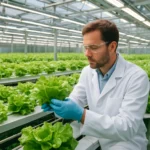
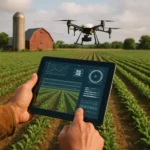

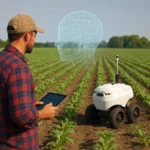
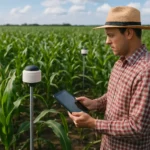
The integration of cutting-edge IoT technologies into crop storage facilities marks a transformative moment in the field of impressive agriculture. As global demand for food increases and supply chains become more complex, innovative approaches are essential to reduce waste, preserve quality and maximize efficiency. Modern storage systems equipped with advanced sensors and real-time monitoring capabilities enable farmers and distributors to maintain optimal conditions, respond swiftly to anomalies and harness actionable insights from environmental data.
The Emergence of IoT-Enabled Storage Facilities
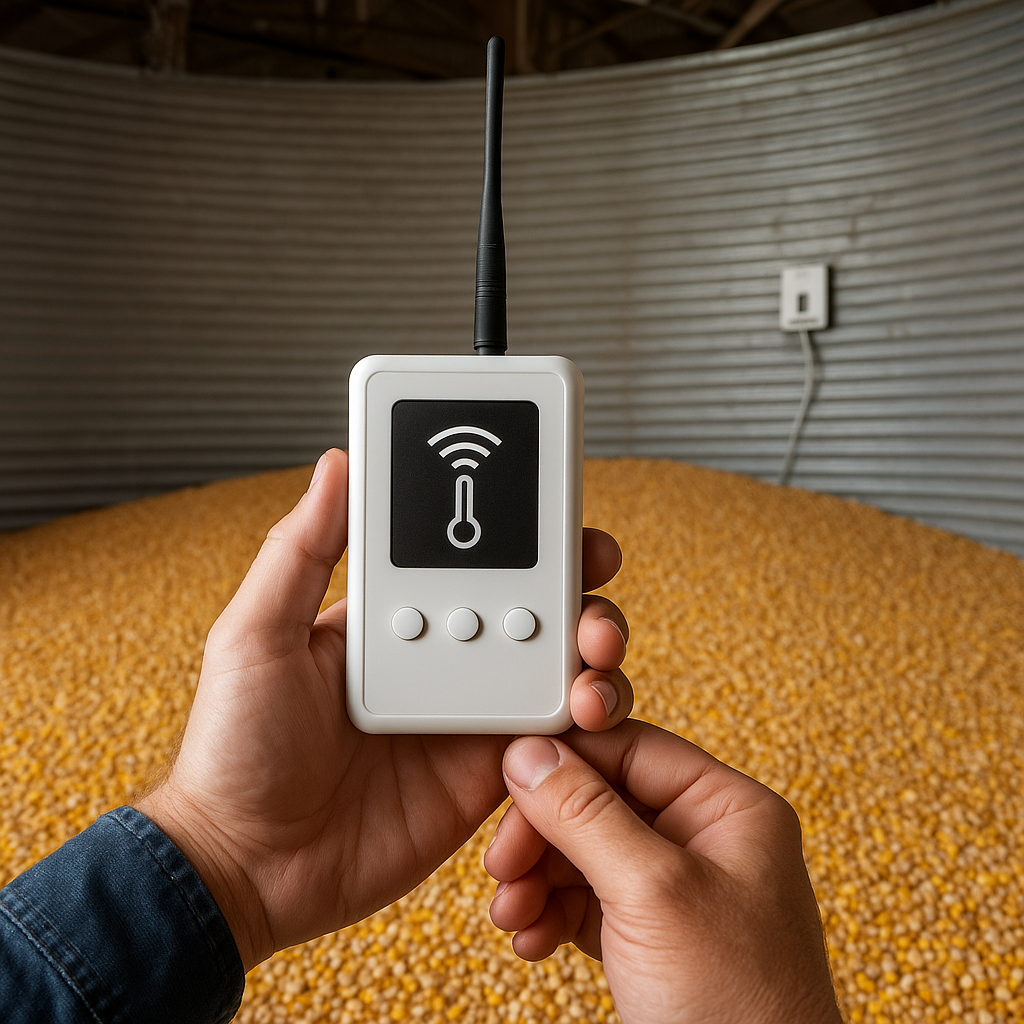
Conventional warehouses and silos often rely on periodic manual checks and basic mechanical systems, leading to blind spots where spoilage can occur unnoticed. Today’s storage revolution is driven by the deployment of networked humidity and temperature sensors, wireless gateways and cloud-based platforms that continuously collect, aggregate and visualize data. By automating condition monitoring, stakeholders gain unprecedented visibility into the microclimate surrounding their produce.
- Wireless Connectivity: Low-power wide-area networks (LPWAN) such as LoRaWAN and NB-IoT provide extended range and minimal energy consumption, making it feasible to deploy hundreds of sensor nodes across large facilities.
- Edge Computing: Data preprocessing at the sensor gateway reduces latency, allowing for rapid detection of threshold breaches and immediate corrective actions.
- Resilient Infrastructure: Ruggedized sensors and backup power systems ensure continuous operation, essential for perishable goods stored in remote or harsh environments.
Enhancing Environmental Control with Precision
Maintaining the ideal atmosphere within storage units involves more than just setting a single thermostat. Variations in airflow, moisture migration and external weather changes can create hotspots or condensation zones that promote mold growth and insect infestation. IoT-driven climate control emphasizes:
Zonal Management
Differentiated storage zones equipped with localized sensors and actuators enable tailored control strategies. Fans, heaters and dehumidifiers operate in tandem based on live feedback, ensuring each compartment remains within a tight environmental envelope.
Dynamic Setpoint Adjustment
Advanced algorithms analyze ongoing trends in temperature and humidity, automatically adjusting setpoints in response to diurnal cycles or incoming shipments. This automation prevents oscillations that could compromise crop integrity.
Energy Efficiency
By fine-tuning HVAC operations, IoT solutions help facilities reduce energy consumption by up to 30%, lowering operational costs and minimizing the carbon footprint associated with controlled-atmosphere storage.
Predictive Analytics and Decision Support
Raw sensor data alone is insufficient; the real power lies in converting terabytes of measurements into predictive insights. Machine learning models trained on historical records can forecast spoilage risks, optimize restocking schedules and even anticipate equipment failures.
- Quality Degradation Modeling: Regression algorithms estimate the remaining shelf life of grains, fruits or vegetables based on temperature and humidity exposure patterns.
- Failure Prediction: Vibration and current-draw sensors mounted on refrigeration units feed into anomaly detection engines that flag potential breakdowns before they disrupt storage conditions.
- Automated Alerts: Mobile apps and email notifications inform managers of imminent threats—such as rising moisture levels—so that remedial measures can be deployed promptly.
Such predictive maintenance frameworks reduce unplanned downtime, prevent mass spoilage events and enable more strategic planning of workforce and logistics resources.
Securing the Supply Chain with Blockchain Integration
As produce moves from farm to fork, every stage of handling must be transparent and verifiable. Integrating IoT data with blockchain ledgers provides immutable records of storage conditions, creating an auditable trail that boosts consumer trust and regulatory compliance.
- Immutable Timestamping: Sensors log key events—temperature excursions, door openings and inventory transfers—to a distributed ledger, preventing tampering or data loss.
- Smart Contracts: Automated agreements can trigger payments or quality certifications once specific environmental criteria have been met throughout storage and transport.
- Traceability: End-to-end tracking reassures retailers and end consumers that produce adhered to stringent standards, enhancing brand reputation and reducing liability.
Cost-Benefit Analysis and ROI
Implementing IoT-enabled storage solutions involves initial investments in hardware, connectivity and software subscriptions. However, the return on investment can be realized swiftly through:
- Waste Reduction: By dramatically lowering spoilage rates—often by more than 40%—facilities save on both raw-material costs and disposal fees.
- Operational Savings: Remote monitoring reduces the need for manual inspections, cutting labor expenses and enabling staff to focus on higher-value tasks.
- Improved Market Access: Consistently preserved quality opens doors to premium buyers and export markets demanding strict adherence to cold-chain protocols.
Future Prospects in Impressive Agriculture
Looking ahead, the convergence of data analytics, robotics and advanced materials promises even greater strides. Autonomous robots equipped with multi-spectral imaging could patrol storage aisles, scanning for early signs of fungal growth or pest activity. Nanocoatings and smart packaging embedded with micro-sensors will provide real-time indicators of internal compromise, signaling the moment when intervention is necessary. Meanwhile, 5G networks will enable seamless connectivity, allowing facilities to scale sensor networks without bandwidth concerns.
In this era of impressive agriculture, IoT-enabled crop storage is only the beginning. As stakeholders adopt these intelligent systems, the entire agri-food ecosystem becomes more resilient, sustainable and responsive to global challenges. By harnessing the power of precision agriculture, connectivity and advanced automation, we are ushering in a new standard in post-harvest management that benefits producers, distributors and consumers alike.