

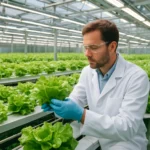
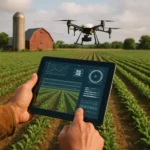
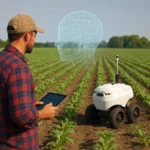

In the rapidly evolving realm of agriculture, the convergence of digital technologies and controlled environment cultivation has given rise to innovation in greenhouse farming, popularly known as smart greenhouses. These sophisticated structures harness advanced systems to monitor, regulate, and enhance plant growth cycles, redefining efficiency and productivity in the agri-sector. Through seamless integration of sensor arrays, data transmission, and AI-driven controls, modern growers can fine-tune conditions with unprecedented precision. This article explores the transformative components, management strategies, and future pathways that make smart greenhouses a cornerstone of impressive agriculture.
Innovative Technologies Driving Smart Greenhouses
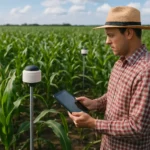
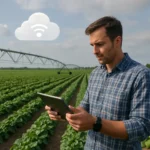
At the heart of every smart greenhouse lies a suite of cutting-edge devices that gather real-time information about environmental parameters and crop health. Internet of Things (IoT) networks have become ubiquitous, allowing dozens or even hundreds of sensor nodes to transmit data on light intensity, humidity, CO₂ concentration, and nutrient levels. These sensors communicate with cloud-based platforms, where advanced analytics engines process incoming signals and detect subtle patterns that would otherwise go unnoticed by human operators. Automated actuators then respond by adjusting vents, shading systems, or irrigation lines, enabling a dynamic feedback loop that maintains optimal growing conditions around the clock.
IoT Sensors and Data Connectivity
- Wireless climate sensors for temperature and humidity control
- Optical leaf scanners tracking photosynthetic efficiency
- Soil moisture probes linked to drip irrigation systems
- CO₂ sensors coordinating ventilation and enrichment cycles
Network connectivity is critical for these components to function cohesively. Low-power wide-area networks (LPWAN) and mesh topologies ensure that even remote sections of a greenhouse maintain uninterrupted data flow, while edge computing devices pre-process information to reduce latency and bandwidth demands.
AI and Machine Learning in Cultivation
Artificial Intelligence (AI) algorithms have evolved from simple rule-based controls to complex neural networks capable of forecasting pest outbreaks, predicting disease onset, and recommending harvest times. Supervised learning models are trained on historical yield records and environmental logs, enabling precision interventions that boost crop performance. Reinforcement learning strategies further refine greenhouse operations by simulating growth scenarios and discovering the most effective combinations of light schedules, nutrient dosages, and airflow patterns, driving the march toward full automation.
Environmental Monitoring and Control Systems
Beyond the sensor-driven foundation, smart greenhouses rely on sophisticated environmental control modules to fine-tune every aspect of the microclimate. From humidity regulation to artificial lighting, these systems operate in concert to sustain ideal growth conditions for a wide range of crops, from leafy greens to exotic flowers.
Precision Climate Control
Climate control integrates heating, cooling, ventilation, and shading to maintain a stable environment. Variable-speed fans, evaporative coolers, and geothermal heating loops can adjust temperature gradients by fractions of a degree, reducing stress on plants and maximizing photosynthetic rates. Advanced controllers utilize predictive weather models to preemptively prepare for external temperature swings, achieving another layer of optimization that conserves energy and enhances yields.
Water Management and Irrigation
Smart irrigation platforms employ drip lines, misters, and flood tables that activate only when soil sensors detect moisture below specified thresholds. By coupling these triggers with weather forecasts and evapotranspiration models, growers prevent overwatering and nutrient leaching while ensuring that roots receive just the right amount of hydration. Recirculating systems capture and reuse runoff, closing the loop on water usage and aligning with broader goals of sustainability.
Advances in Crop Management and Automation
Automation extends beyond environmental regulation to the realm of routine greenhouse tasks. Robots, guided by computer vision and machine-learning algorithms, can now handle delicate operations such as pruning, harvesting, and transplanting with a level of care that rivals skilled human hands. By deploying mobile robotic platforms equipped with multispectral cameras, growers obtain continuous insights into plant health and growth rates, enabling swift corrective actions.
Robotics in Plant Care
- Autonomous robots for leaf inspection and pest detection
- Robotic arms for precise trimming and canopy management
- Harvesting machines that minimize bruising and optimize yield quality
Integration of robotics reduces labor costs, speeds up harvest cycles, and enhances overall crop consistency. When combined with AI-driven scheduling software, these machines maintain synchronized routines that align with each crop’s unique growth curve.
Vertical Farming and Space Efficiency
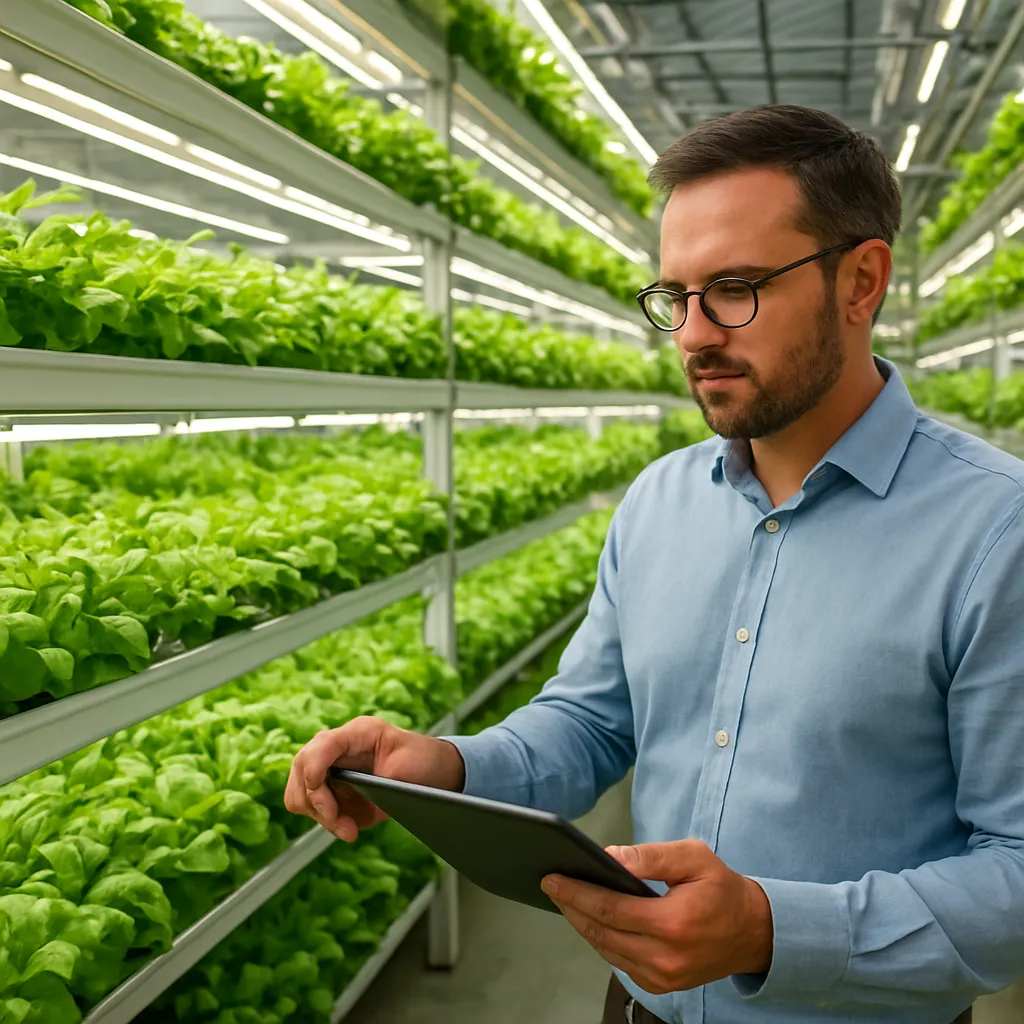
Smart greenhouses often embrace vertical cultivation techniques, stacking layers of grow beds to multiply production within a given footprint. LED lighting systems, optimized for specific light spectrums, ensure uniform energy delivery across all tiers. Climate modules are modularized to support multi-level air circulation, preventing microclimate pockets and ensuring uniform conditions. This architectural innovation capitalizes on three-dimensional space, setting a new standard for urban agriculture.
Sustainability and Future Prospects
As global populations rise and arable land diminishes, smart greenhouses offer a resilient model for sustainable food production. Their ability to minimize resource consumption, recycle inputs, and decouple crop cycles from seasonal constraints marks a significant advance in modern agriculture. Economic analyses show that, despite higher initial investments, the long-term gains in output stability and resource savings rapidly offset capital costs, making the technology accessible to both large-scale agribusinesses and community-driven cooperatives.
Energy Efficiency and Renewable Integration
Many facilities are now integrating solar panels, wind turbines, and bioenergy systems to achieve partial or full off-grid operation. Energy storage solutions, such as lithium-ion batteries and thermal storage tanks, smooth out production inconsistencies and ensure continuous operation during grid outages. These green energy strategies reinforce the inherent resilience of smart greenhouse ecosystems.
Scaling and Global Adoption
International collaborations and knowledge-sharing platforms have accelerated the diffusion of smart greenhouse practices. Open-source hardware initiatives and cloud-based management software solutions lower barriers to entry, enabling smallholders in developing regions to adopt precision farming tools. The resulting network of interconnected greenhouses accelerates data-driven research, fosters innovation, and drives collective improvements in food security worldwide.