

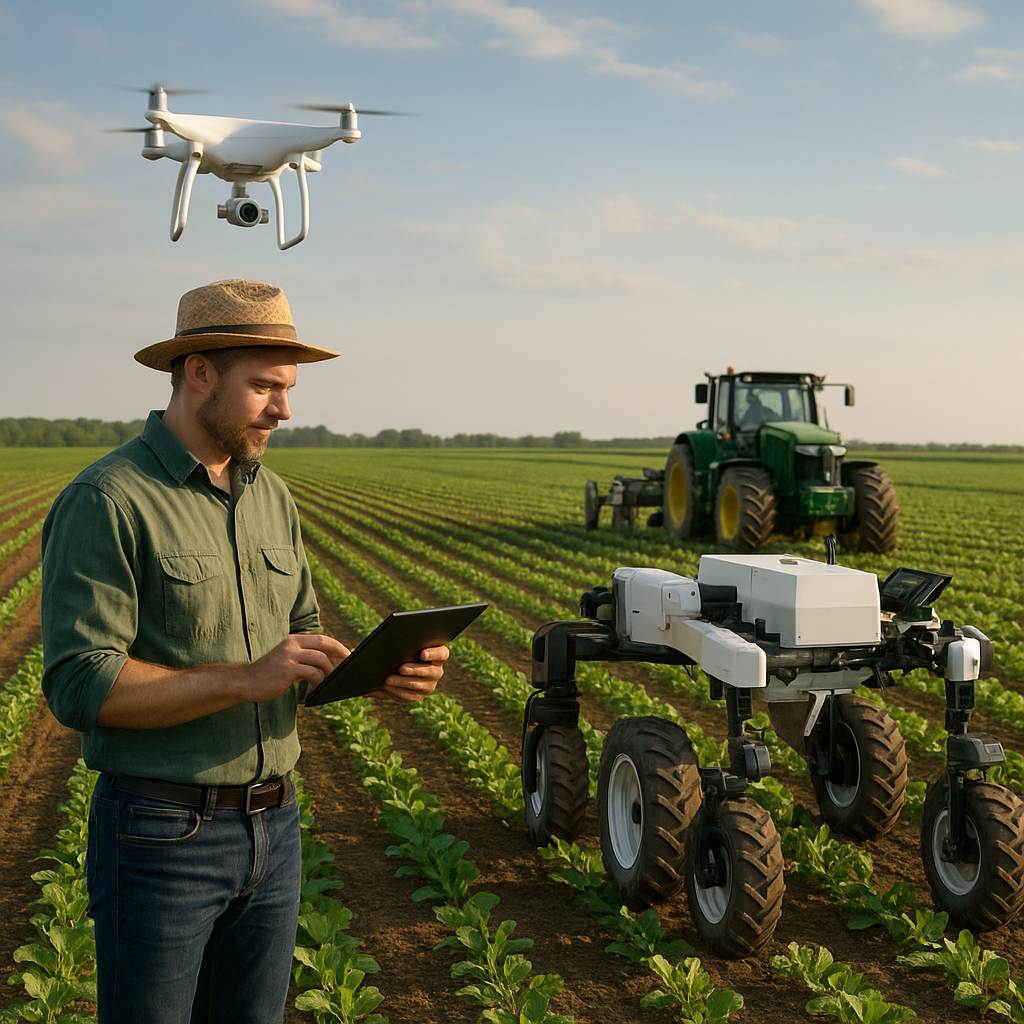
As the global population surges toward 10 billion by 2050, agriculture faces unprecedented challenges in meeting rising food demand while conserving precious resources. The fusion of cutting-edge hardware, data-driven insights, and eco-friendly practices is ushering in a new era of farming. This exploration delves into how sensor networks, drone surveillance, robotics, renewable energy, and genetic innovation are transforming agriculture into a more efficient, sustainable, and resilient system.
Smart Sensors and Data Analytics
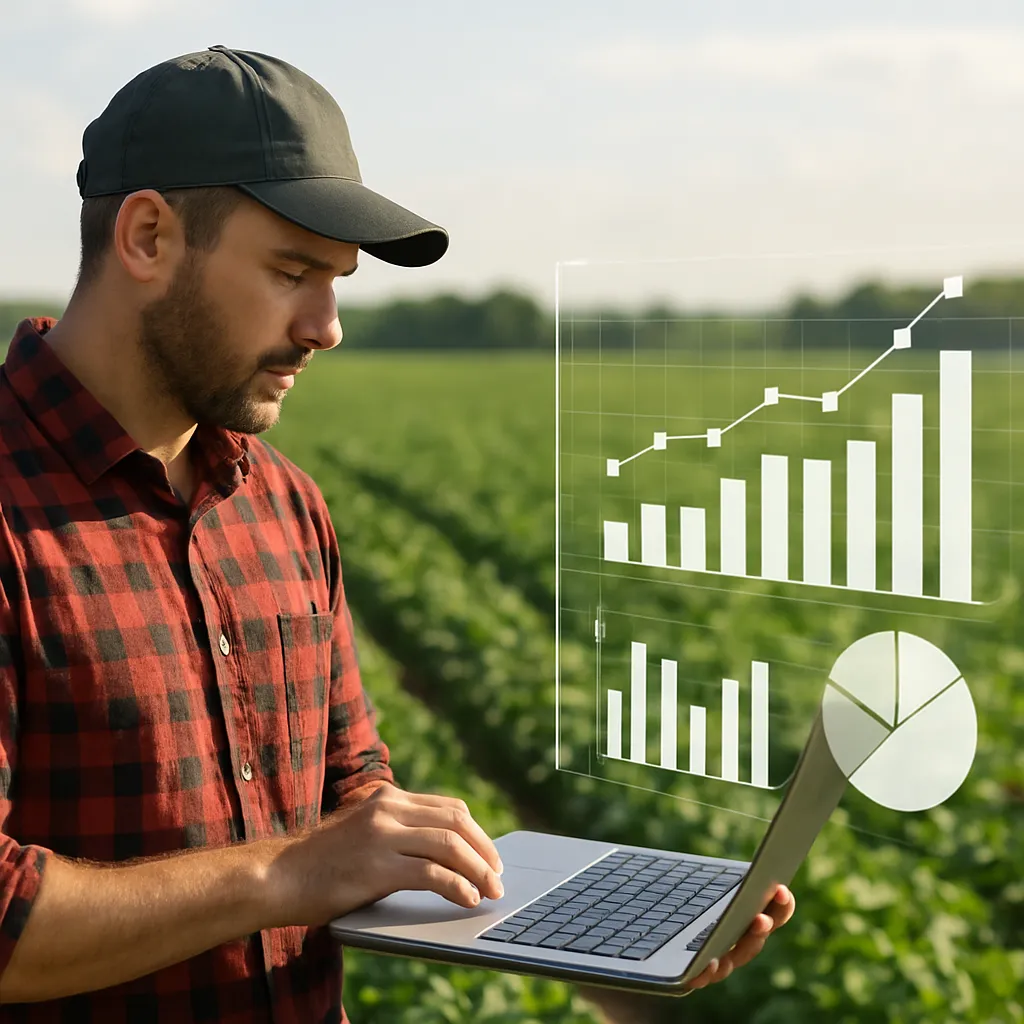
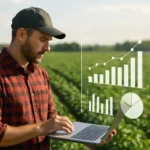
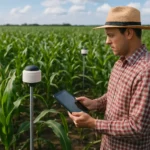
Modern farms deploy an array of soil moisture probes, weather stations, and plant health monitors to collect real-time data across vast fields. By leveraging precise measurements of pH, temperature, and nutrient levels, growers can optimize irrigation schedules and fertilizer application. This level of precision drastically reduces waste, minimizes runoff, and boosts crop yields.
Internet of Things Integration
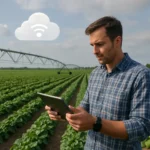
Interconnected devices communicate through low-power networks, enabling farmers to monitor conditions from smartphones or cloud dashboards. Alerts trigger when thresholds are crossed—such as dry soil or sudden temperature drops—allowing for rapid intervention. This connectivity ensures resources are allocated exactly where and when they are needed.
Machine Learning Models
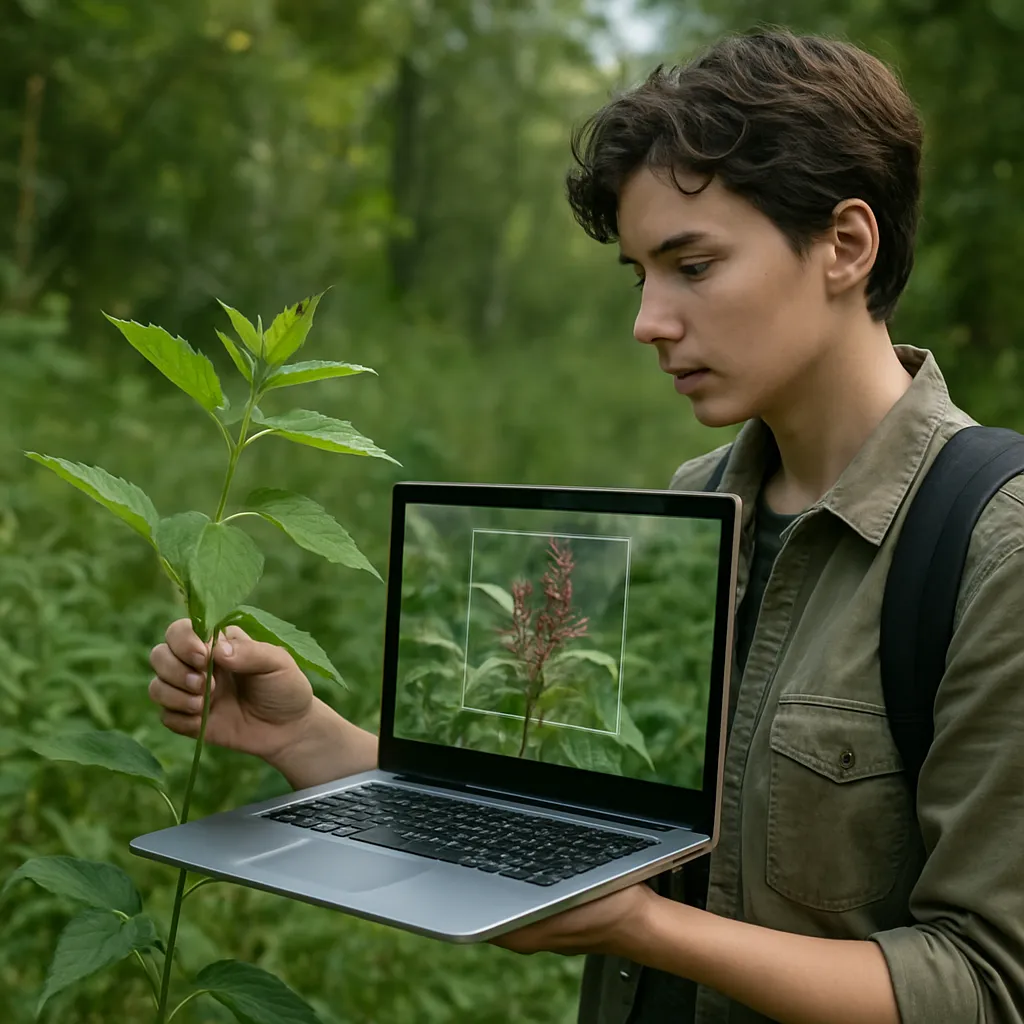
Advanced algorithms analyze historical trends and current inputs to predict pest outbreaks or nutrient deficiencies before symptoms appear. By forecasting risks with high accuracy, producers can enact targeted treatments, reducing reliance on broad-spectrum chemicals and fostering greater ecological balance.
Drone Technology and Remote Sensing
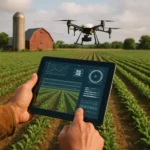
Aerial platforms equipped with multispectral cameras and LiDAR systems scan fields at centimeter-level resolution. These drones generate color-coded maps indicating areas of stress, disease, or uneven growth. Farmers can then deploy spot treatments rather than treating an entire field, maximizing resource efficiency and minimizing environmental impact.
Variable Rate Application
Data derived from drone surveys informs variable rate technology (VRT) sprayers that adjust seed, fertilizer, or pesticide application on the fly. This dynamic approach translates into both cost savings and reduced chemical runoff, advancing long-term soil health and water quality.
Crop Health Monitoring
Normalized Difference Vegetation Index (NDVI) images reveal subtle changes in chlorophyll content, flagging early signs of nutrient stress or disease. By addressing issues at inception, yield losses can be substantially mitigated, enhancing overall productivity.
Robotics in Seeding, Weeding, and Harvesting
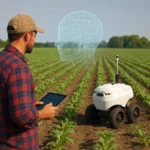
Field robots maneuver through rows with GPS-guided precision, planting seeds at optimal depth and spacing. Automated weeding machines identify and remove unwanted plants without harming crops, cutting herbicide use by up to 90%. These labor-saving devices operate around the clock, boosting both efficiency and the wellbeing of farmworkers.
Autonomous Tractors
Self-driving tractors perform plowing, tilling, and lawn care with minimal human oversight. Equipped with obstacle detection, they can navigate uneven terrain, maintain straight planting lines, and execute complex maneuvers in tight spaces. This level of automation enhances safety and reduces fatigue.
Robotic Harvesters
Delicate fruits and vegetables—such as tomatoes and strawberries—require gentle handling. Vision-guided robotic arms assess ripeness via color and shape analysis, picking only mature specimens. Through machine vision and soft gripping technologies, mechanical harvesters can rival human dexterity.
Sustainable Practices with Renewable Energy
Solar arrays and wind turbines are increasingly integrated into farm operations, powering pumps, sensors, and processing equipment. Microgrids and battery storage ensure continuous operation even during grid outages. By harnessing on-site renewable energy, farmers cut operational costs and carbon footprints simultaneously.
Bioenergy and Waste Recycling
Anaerobic digesters convert crop residues and animal manure into biogas, which fuels tractors or generates electricity. The leftover digestate serves as nutrient-rich fertilizer, closing nutrient loops and reducing reliance on synthetic products.
Water-Smart Farming
Rainwater harvesting systems store rainfall for dry spells, while precision drip irrigation delivers water directly to the root zone. These methods preserve freshwater supplies and maintain soil structure, reinforcing long-term farm resilience.
Future Horizons: AI and Genome Editing
Artificial intelligence platforms are evolving beyond data analysis into autonomous decision-making. Virtual agronomists can recommend optimal crop rotations, forecast market trends, and coordinate supply chains. These predictive capabilities allow for proactive adjustments to protect yields and profitability.
CRISPR and Trait Enhancement
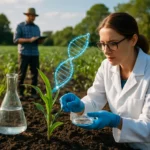
Genome editing tools like CRISPR-Cas9 enable the development of crop varieties with improved drought tolerance, pest resistance, or enhanced nutritional profiles. By inserting or silencing specific genes, breeders can accelerate the introduction of superior traits without resorting to lengthy hybridization cycles.
Vertical Farming and Controlled Environments
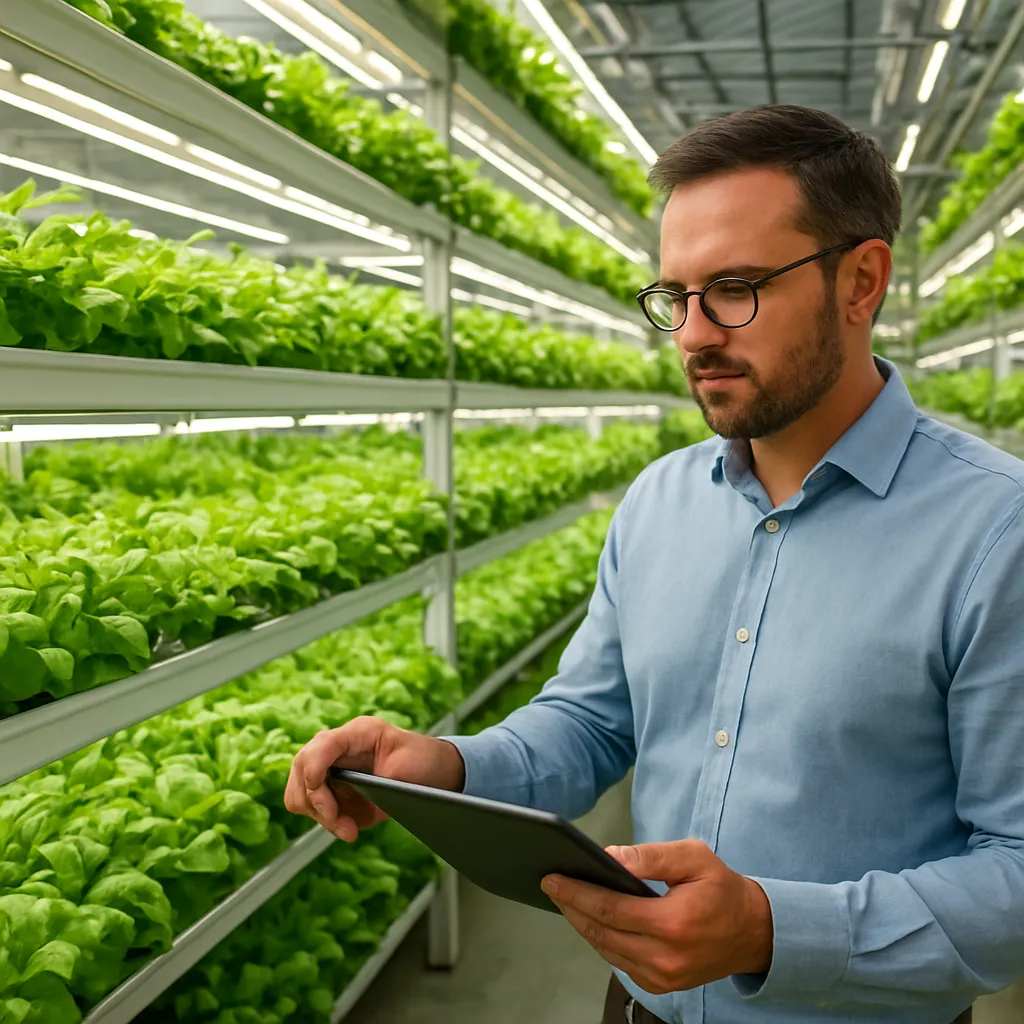
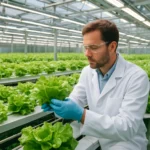
Indoor agriculture leverages LED lighting, hydroponics, and climate control to produce high-value vegetables year-round. These facilities occupy minimal land while delivering consistent yields. As energy efficiency improves, vertical farms will become increasingly competitive, providing fresh produce near urban centers.
- Enhanced biodiversity through polyculture and habitat integration
- Optimized supply chains with blockchain traceability
- Reduced post-harvest losses via smart storage and logistics