




The revolutionary power of CRISPR technology has ignited a new era in agriculture, enabling scientists and breeders to unlock the full potential of crop plants. This article explores how precise manipulation of plant DNA is driving dramatic improvements in food security, environmental sustainability, and economic growth. From enhancing nutritional profiles to fortifying resistance against climate stressors, genome engineering is reshaping the face of modern farming.
Precision Breeding with CRISPR
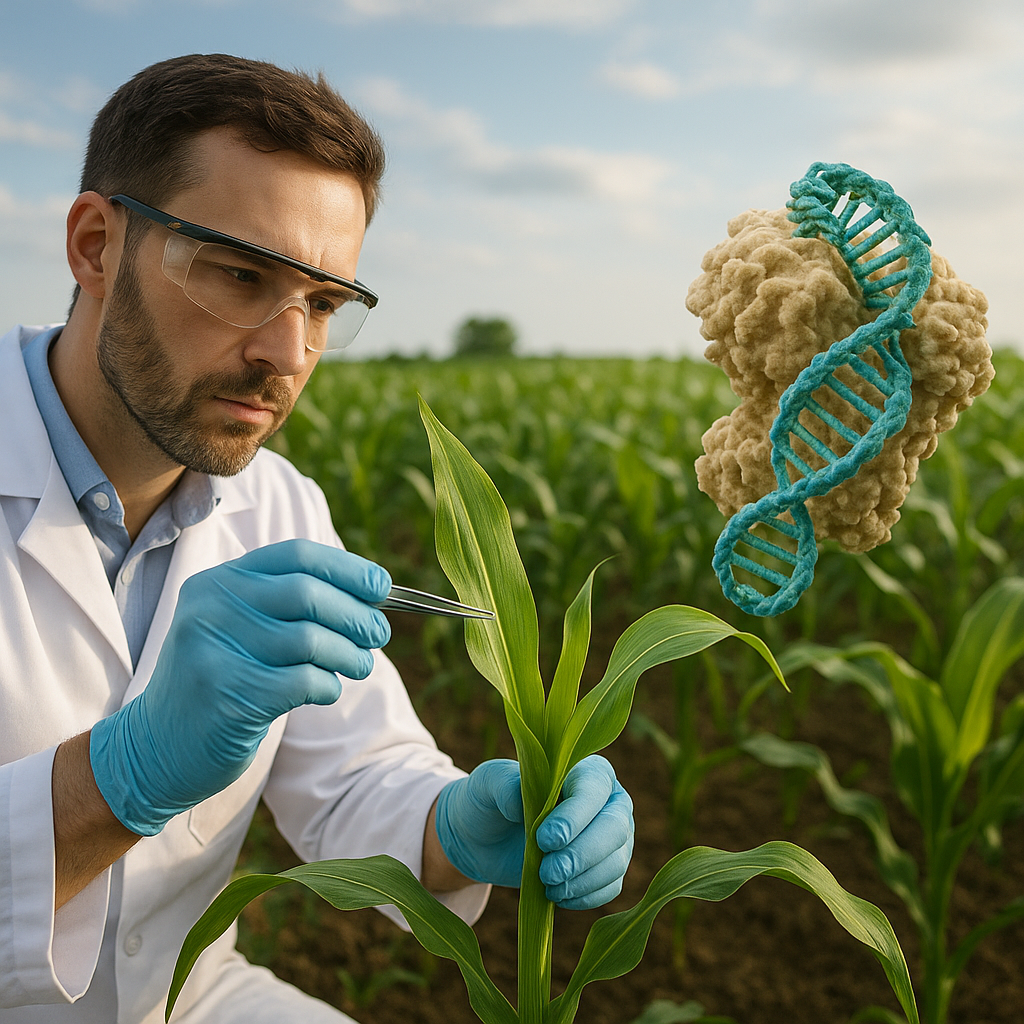
At the heart of the CRISPR revolution lies the ability to perform genome editing with unparalleled precision. Unlike traditional breeding or random mutagenesis, CRISPR allows targeted modifications at specific gene loci. By designing guide RNAs that lead the Cas9 enzyme to precise DNA sites, researchers can insert, delete, or modify genetic sequences in a fraction of the time required by conventional methods.
This rapid turnaround translates into accelerated development cycles for new crop varieties. Traits that once took a decade to introduce into commercial lines can now be bred in just a few years. The result is a pipeline of innovative cultivars tailored to meet the challenges of a growing global population and changing climate.
Moreover, the technique is remarkably versatile. Whether the aim is to boost drought tolerance, enhance nutrient uptake, or reduce allergenic compounds, CRISPR facilitates a broad spectrum of trait improvements. This transformation of plant breeding empowers breeders to stack multiple desirable genes into elite varieties, paving the way for multi-trait improvement in a single generation.
- Faster breeding times
- High target specificity
- Reduced off-target effects
- Cost-effective research pipelines
Enhancing Crop Resilience and Quality
One of the most compelling applications of CRISPR in agriculture is the development of crops that can withstand biotic and abiotic stresses. With shifting weather patterns, plants face more frequent droughts, heat waves, and pathogen outbreaks. By fine-tuning key genes involved in stress response pathways, scientists are engineering crops that maintain high performance under adversity.
Stress Tolerance and Yield Stability
Manipulating genes responsible for stomatal regulation, root architecture, and osmoprotectant synthesis has enabled significant gains in drought resilience. For example, targeted edits in transcription factors controlling water-use efficiency have resulted in lines that yield reliably even during prolonged dry spells. Such breakthroughs are crucial in regions where irrigation infrastructure is limited.
In parallel, CRISPR is revolutionizing pest and disease management. Editing susceptibility genes in crops like rice, wheat, and tomato has created varieties with innate resistance to fungi, bacteria, and viruses. This strategy reduces reliance on chemical pesticides, enhancing both environmental health and farm profitability.
- Improved drought tolerance through root system edits
- Enhanced disease resistance by knocking out susceptibility genes
- Higher yield stability under stress conditions
Boosting Nutritional Content and Food Safety
Beyond resilience, genome editing is a tool for elevating the nutritional profile of staple crops. Biofortification efforts aim to address micronutrient deficiencies that afflict millions worldwide. By increasing levels of vitamins, minerals, and essential amino acids, CRISPR-generated varieties promise more nutritious diets without altering eating habits.
For instance, precise edits in genes controlling carotenoid biosynthesis have yielded rice and maize enriched in provitamin A. These enhanced grains can help combat vitamin A deficiency, a leading cause of blindness in children. Similarly, modifying phytate pathways in legumes has raised bioavailable iron and zinc levels, tackling hidden hunger on a global scale.
Food safety is another domain where CRISPR shines. Allergen reduction in peanuts and soybeans is being pursued through deletion of allergenic protein-encoding genes. Such innovations could significantly reduce allergic reactions and associated healthcare burdens.
Ethical Considerations and Regulatory Pathways
While the scientific advantages of CRISPR are profound, ethical and regulatory discussions play a pivotal role in determining real-world adoption. Public acceptance hinges on transparent communication about safety assessments, off-target analyses, and long-term environmental impacts. Robust validation protocols are in place to ensure edited crops match the intended genetic blueprint without unintended mutations.
Globally, regulatory frameworks vary. Some countries classify CRISPR-edited plants under existing GMO regulations, while others adopt more flexible approaches for edits indistinguishable from natural variations. Harmonizing these policies can streamline international trade and accelerate delivery of improved varieties to farmers.
Stakeholder engagement—spanning producers, consumers, policymakers, and advocacy groups—is essential to build trust. Clear labeling, traceability measures, and open-access data on field trials contribute to a transparent development process. This collaborative ethos underpins the responsible deployment of genome editing technologies in innovation-driven agriculture.
Future Directions and Global Impact
The next frontier in CRISPR-based crop innovation involves multiplexed editing, where multiple genes are targeted simultaneously. This approach can rapidly build complex traits such as combined pest resistance and nutrient enhancement in a single breeding cycle. Coupled with high-throughput phenotyping and machine learning, the pace of discovery will accelerate even further.
In parallel, emerging delivery methods—such as ribonucleoprotein complexes and viral vectors—are reducing regulatory hurdles by avoiding transgene integration. As precision tools evolve, the capacity to tackle challenges like climate adaptation, carbon sequestration, and sustainable resource use will expand. CRISPR’s role in advancing resilience and sustainability holds promise for a future where agriculture meets global needs while preserving environmental integrity.
Ultimately, the fusion of molecular biology, data science, and traditional breeding is charting a course toward a more abundant and nutritious food supply. By harnessing the full potential of CRISPR, the agricultural community is poised to deliver breakthroughs that will reverberate across societies, economies, and ecosystems worldwide.