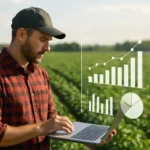


The integration of advanced weather prediction tools into agricultural practices marks a transformative era for farmers. By leveraging state-of-the-art models and real-time data analysis, growers can optimize planting schedules, minimize risk, and enhance overall crop performance. This article explores cutting-edge forecasting methods, their practical applications, and the potential to revolutionize modern farming through heightened accuracy and adaptability.
The Evolution of Predictive Precision
Over the past decade, weather forecasting has undergone a remarkable evolution. Traditional methods, reliant on sparse station data and simplistic algorithms, have gradually given way to high-resolution numerical weather prediction (NWP) and machine learning frameworks. These tools draw from millions of data points, including satellite imagery, sensor networks, and atmospheric soundings, to generate localized forecasts with unprecedented granularity.
Today’s predictive systems incorporate ensemble modeling, which runs multiple simulations with slight variations in initial conditions to gauge the range of possible outcomes. This ensemble approach not only delivers a best-estimate forecast but also quantifies uncertainty, enabling farmers to make informed decisions under variable conditions. The result is improved precision in temperature, precipitation, and wind predictions—critical factors in scheduling irrigation, pesticide application, and harvest operations.
Key Components of Modern Forecasting Systems
Data Acquisition and Sensor Networks
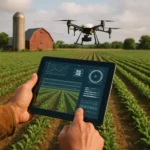
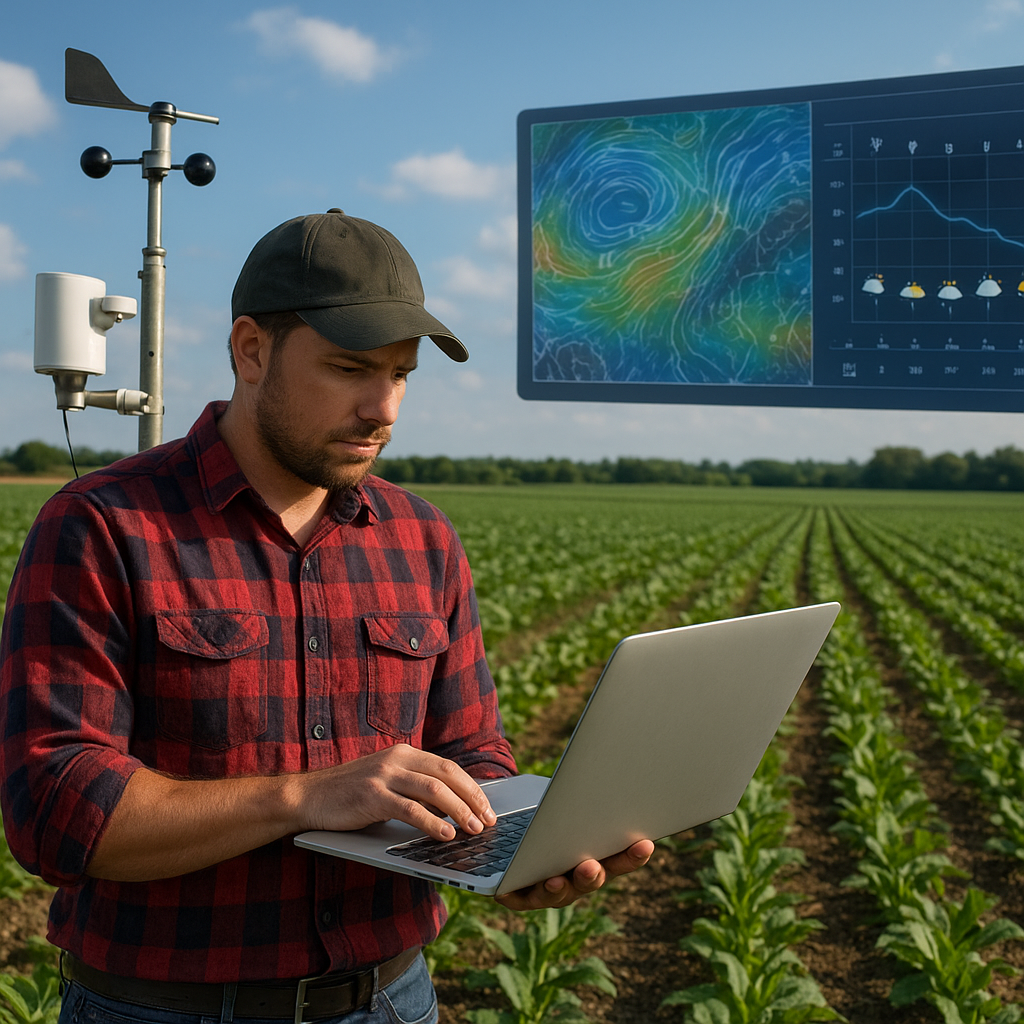
Accurate predictions hinge on comprehensive data collection. Weather stations, automated soil moisture sensors, and drone-mounted instruments form a dense observational network. Integration of Internet of Things (IoT) devices allows continuous monitoring of microclimates within fields, capturing variations in humidity, solar radiation, and soil temperature. This real-time stream of information feeds into predictive algorithms, refining local forecasts hour by hour.
High-Performance Computing and Machine Learning
Big Data analytics and high-performance computing enable rapid processing of petabyte-scale weather datasets. Machine learning models, such as convolutional neural networks (CNNs) and recurrent neural networks (RNNs), identify complex patterns across spatial and temporal dimensions. By training these systems on historical weather events and crop yield records, researchers achieve significant gains in long-term seasonal outlooks and short-term storm tracking.
Applications for Crop Management
Farmers harness advanced forecasting to optimize various stages of cultivation. Improved lead time on frost warnings helps protect sensitive seedlings, while precise rainfall projections guide irrigation scheduling to conserve water resources. Additionally, accurate wind forecasts allow for safer and more effective pesticide spraying, reducing drift and chemical usage.
Consider a typical corn operation: by applying predictive models, growers can:
- Adjust planting dates to coincide with optimal soil moisture and temperature windows.
- Anticipate heat stress periods and deploy shade nets or supplemental irrigation.
- Plan fertilizer application immediately before rain events for better nutrient uptake.
These interventions lead to increased yield potentials and reduced resource wastage, thereby supporting long-term farm sustainability.
Enhancing Climate Resilience in Agriculture
As climate volatility intensifies, the ability to adapt quickly is paramount. Advanced weather models empower farmers to implement proactive measures, fostering greater resilience against extreme events. For instance, predictive storm tracking can prompt the reinforcement of greenhouse structures or the early harvesting of vulnerable crops.
Moreover, tailored seasonal forecasts guide strategic crop rotation and varietal selection. In regions facing prolonged drought, cultivars with deeper root systems and drought-tolerant traits become preferred choices. Conversely, areas prone to flooding can shift toward water-tolerant species and raised-bed planting techniques. By aligning agronomic practices with forecast insights, producers enhance their capacity for adaptation to shifting climate patterns.
Case Study: Precision Viticulture Through Advanced Forecasting
Vineyards serve as a compelling example of how precision forecasting impacts high-value crops. Grapevine physiology is highly sensitive to temperature swings, humidity levels, and solar exposure. A coalition of researchers and winemakers has implemented a system combining satellite-derived microclimate data with machine learning models to schedule irrigation, leaf removal, and harvest times accurately.
During a recent season marked by erratic weather, the system’s predictions allowed vintners to:
- Prevent mildew outbreaks by airing canopies before periods of high humidity.
- Optimize berry sugar accumulation by timing sun exposure treatments within narrow temperature thresholds.
- Schedule harvests to avoid imminent rain, preserving grape quality and reducing berry splitting.
These actions translated to notable improvements in fruit composition and wine profiles, illustrating the tangible benefits of leveraging technology in viticulture.
The Road Ahead: Integrating AI and IoT
Future innovations point toward fully autonomous farming ecosystems. Smart tractors, guided by AI-enhanced forecasts, will execute planting and harvesting tasks precisely when conditions are ideal. Automated irrigation systems will synchronize with weather forecasts to deliver water only when needed, cutting energy consumption and maximizing efficiency.
On the horizon, federated learning approaches will allow multiple farms to share model improvements without exposing proprietary data. This collaborative framework promotes the rapid refinement of forecasting algorithms across diverse agroecological zones, further strengthening collective resilience and productivity.
Challenges and Opportunities
Despite impressive strides, several obstacles remain. Data quality and accessibility vary greatly by region, and resource-constrained farmers may lack the infrastructure to harness complex models. Efforts to democratize forecasting tools—through user-friendly apps and community-based weather stations—are critical to broader adoption.
Nevertheless, the intersection of meteorology and agriculture offers unprecedented opportunities for sustainable intensification. By embracing precision forecasting and data-driven decision-making, farmers stand poised to meet global food demands while safeguarding environmental health.