

The integration of digital twins into modern agriculture has revolutionized the way farmers understand, plan, and optimize crop production. By creating virtual replicas of fields, plants, and entire ecosystems, growers can perform predictive modeling, conduct scenario analysis, and apply real-time adjustments to farming strategies. This approach not only enhances resource management but also bolsters climate resilience, ensuring sustainable yields in the face of environmental uncertainty.
Concept of Digital Twins in Agriculture
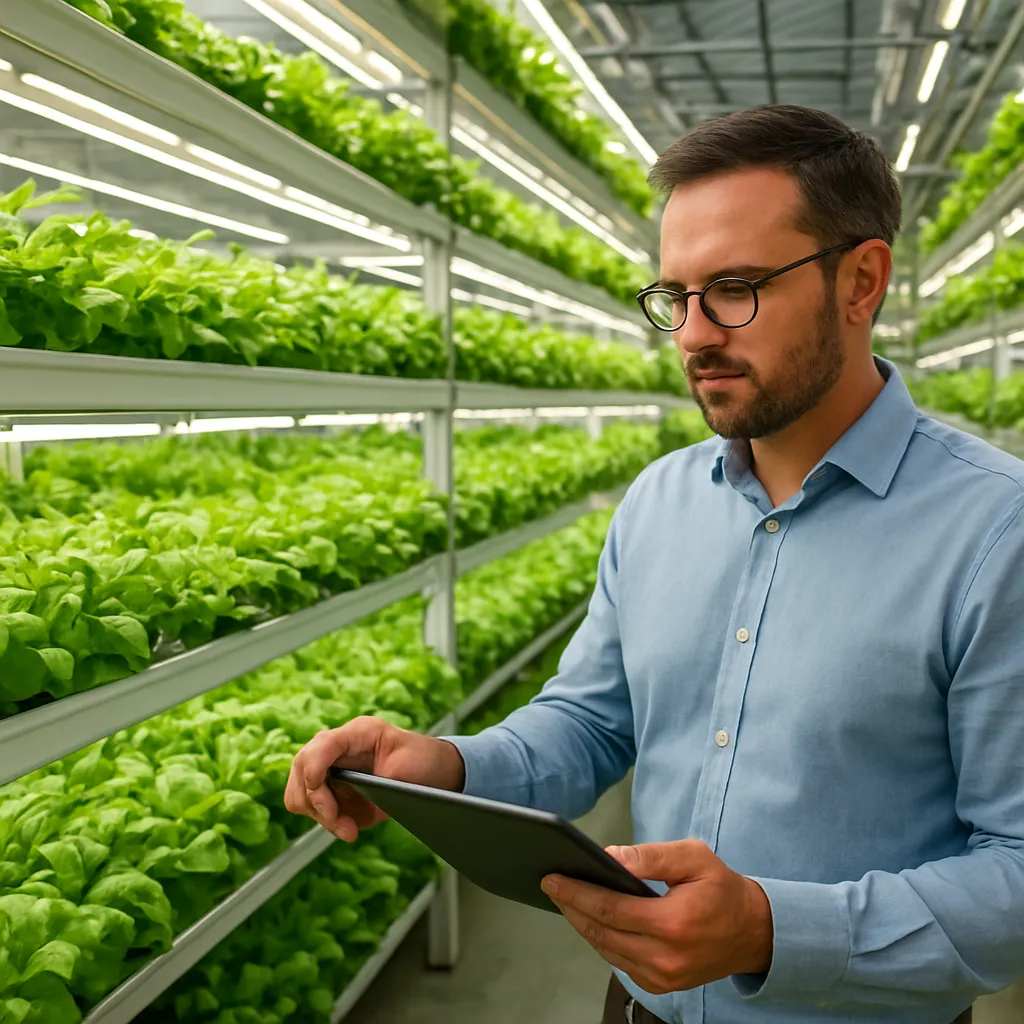
At its core, a digital twin is a dynamic, data-driven simulation of a physical entity—in this case, agricultural land and crop systems. These virtual models draw upon diverse inputs, including soil composition, weather patterns, satellite imagery, and sensor data, to mirror the current status and forecast future conditions. By maintaining a constantly updated digital replica, farmers gain unprecedented visibility into complex interactions within their fields.
Key Components of an Agricultural Digital Twin
- Sensor Networks: Deployed across fields to collect soil moisture, temperature, nutrient levels, and plant health metrics in real time.
- Data Integration: Seamless aggregation of IoT, remote sensing, and historical datasets into a unified analytics platform.
- Simulation Engines: Advanced algorithms and AI models that process incoming data and generate predictive insights.
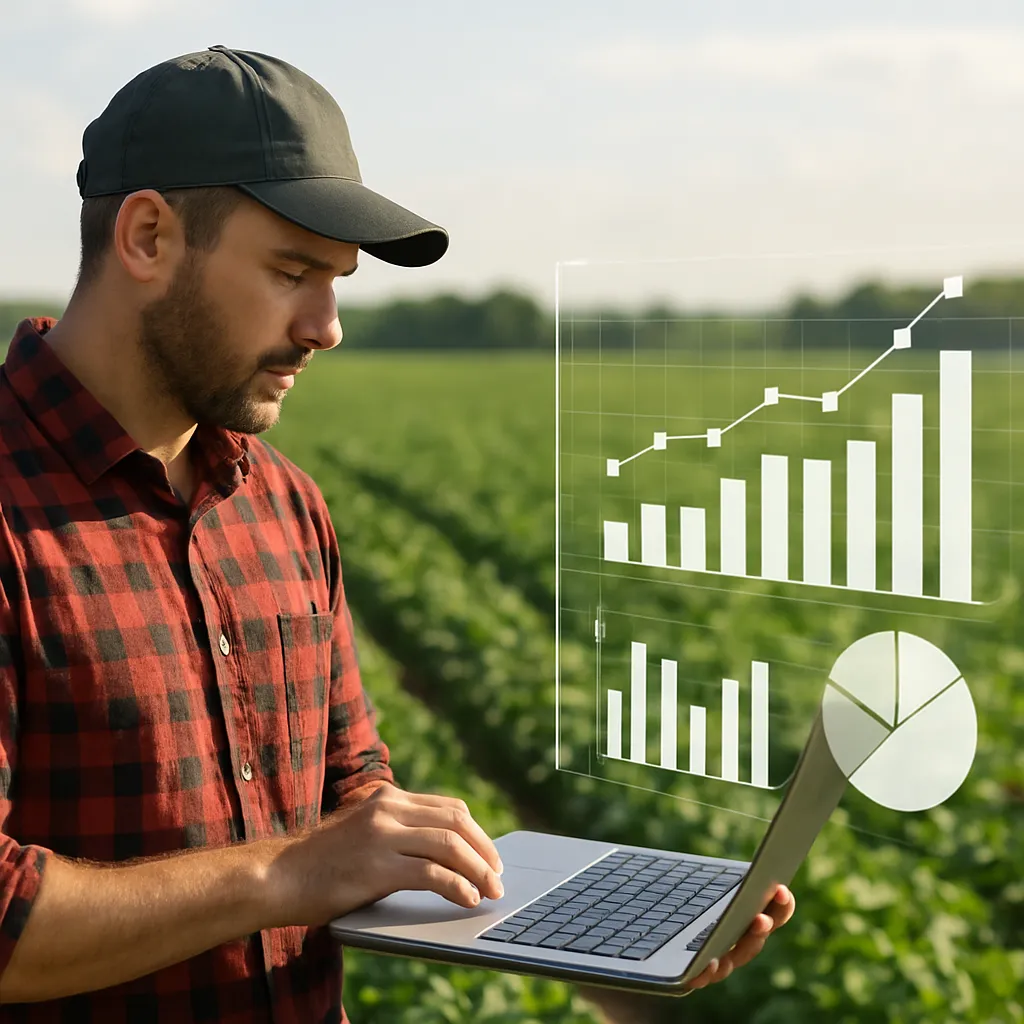
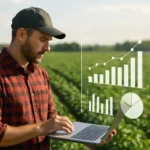
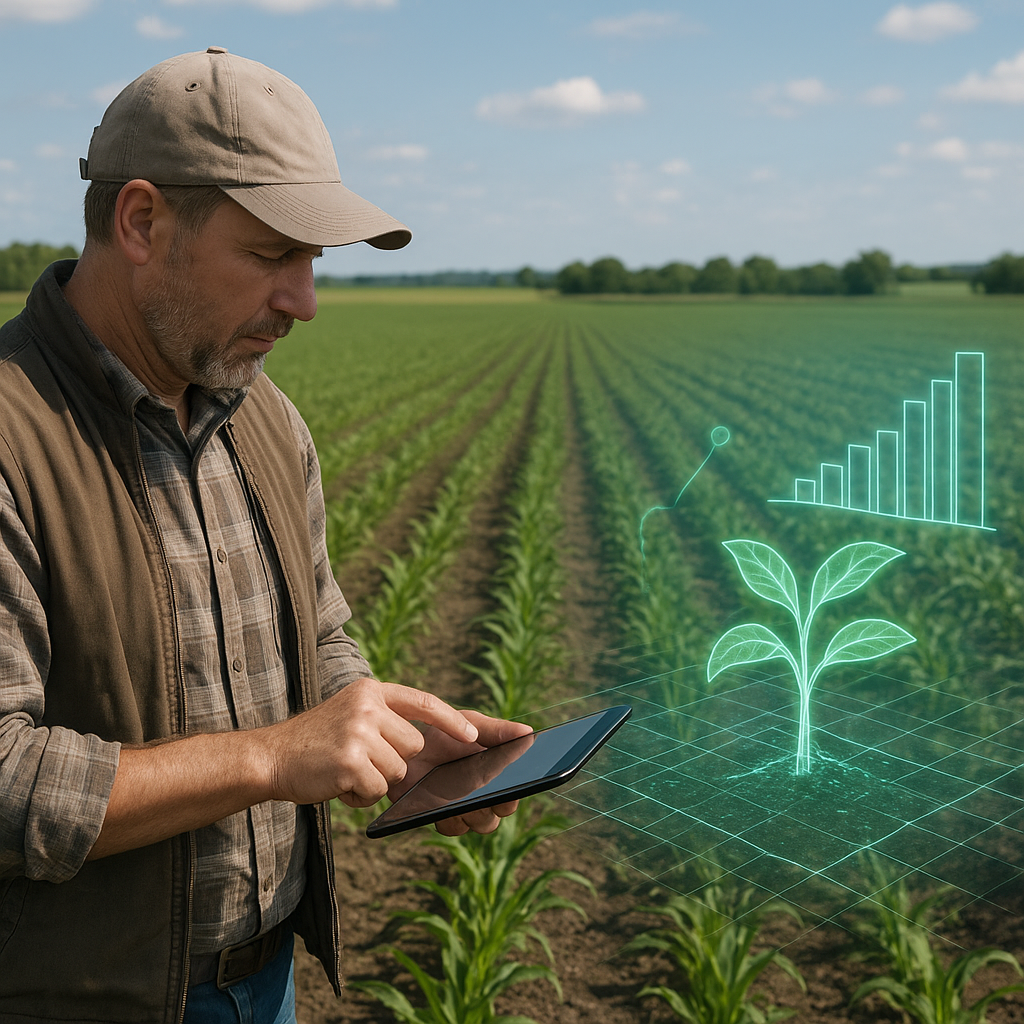
- Visualization Dashboards: Interactive interfaces that allow farmers to monitor conditions, test “what-if” scenarios, and track performance indicators.
Implementing Digital Twins: Technologies and Data Management
Building an agricultural digital twin demands a robust technology stack and a comprehensive data strategy. While the concept may sound complex, the modular nature of modern platforms makes deployment accessible even for mid-sized farms. Below are the critical technological pillars:
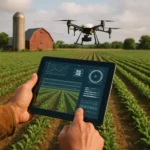
- Internet of Things (IoT): Farm sensors, drones, and autonomous vehicles gather real-time information on microclimates, pest presence, and crop vigor.
- Cloud Computing: Scalable infrastructure to store vast volumes of sensor and imagery data, enabling on-demand processing and collaboration.
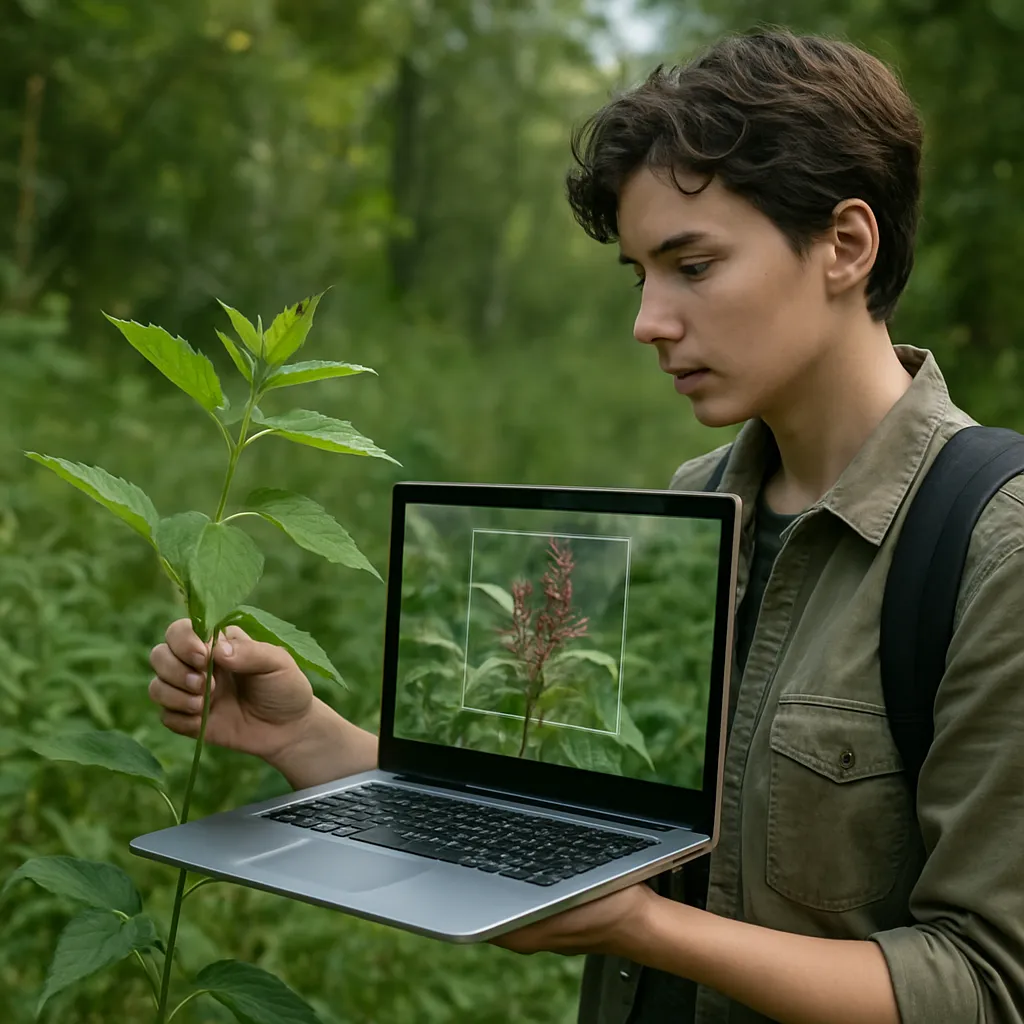
- Machine Learning: Algorithms trained on historical crop performance and environmental variables to predict yield outcomes and disease outbreaks.
- Big Data Analytics: Capable of handling high-velocity, high-variety datasets to identify correlations and anomalies across multiple growing seasons.
Data management involves not only capturing and storing information but also ensuring data quality through calibration, validation, and cleaning processes. Utilizing standardized formats and open APIs supports interoperability among equipment manufacturers, agronomy software providers, and research institutions.
Benefits for Crop Growth and Sustainability
By simulating crop growth under various conditions, digital twins empower farmers to:
- Optimize water usage by predicting irrigation needs at the root zone level.
- Enhance nutrient management through tailored fertilization schedules, reducing chemical runoff and boosting soil health.
- Improve yield optimization by testing seeding densities, planting dates, and crop varieties before field implementation.
- Mitigate pest and disease risks via early-warning systems that integrate weather forecasts and pattern recognition models.
Moreover, digital twins facilitate collaborative research between farmers, agronomists, and policymakers. Shared virtual environments enable stakeholders to co-develop best practices for sustainable farming, aligning with global goals for reduced carbon emissions and biodiversity conservation.
Challenges and Future Perspectives
Despite their promise, agricultural digital twins face several hurdles prior to widespread adoption:
Data Complexity and Accessibility
- Fragmented data sources may lack consistency in format or resolution.
- High costs of sensor deployment can hinder smallholder participation.
Computational Demands
- Real-time simulations require substantial computational power and advanced analytics platforms.
- Ensuring low-latency connectivity across remote areas remains a logistical challenge.
Knowledge and Skill Gaps
- Farm operators often need training in data interpretation and model calibration.
- Interdisciplinary collaboration between agronomy experts, data scientists, and engineers must be fostered.
Looking forward, edge computing and 5G networks will significantly reduce latency, enabling more responsive digital twin applications. Advances in quantum computing and federated learning could further accelerate scenario analyses while preserving data privacy. Ultimately, the convergence of these innovations will equip farmers with powerful tools for achieving both economic viability and environmental stewardship in an era of unprecedented agricultural transformation.