

Feeding an ever-expanding global population requires a fresh blend of cutting-edge technologies and strategic planning. Agriculture has evolved beyond simple cultivation; it now leverages data-driven systems to ensure food security, economic viability, and environmental stewardship. As nations grapple with unpredictable climate patterns, shifting consumption trends, and resource constraints, the integration of artificial intelligence into agricultural supply chains emerges as a game changer. AI models designed to predict global food demand can reshape policy decisions, empower smallholder farmers, and streamline distribution networks to achieve unprecedented sustainability and efficiency.
The Rise of AI in Agriculture
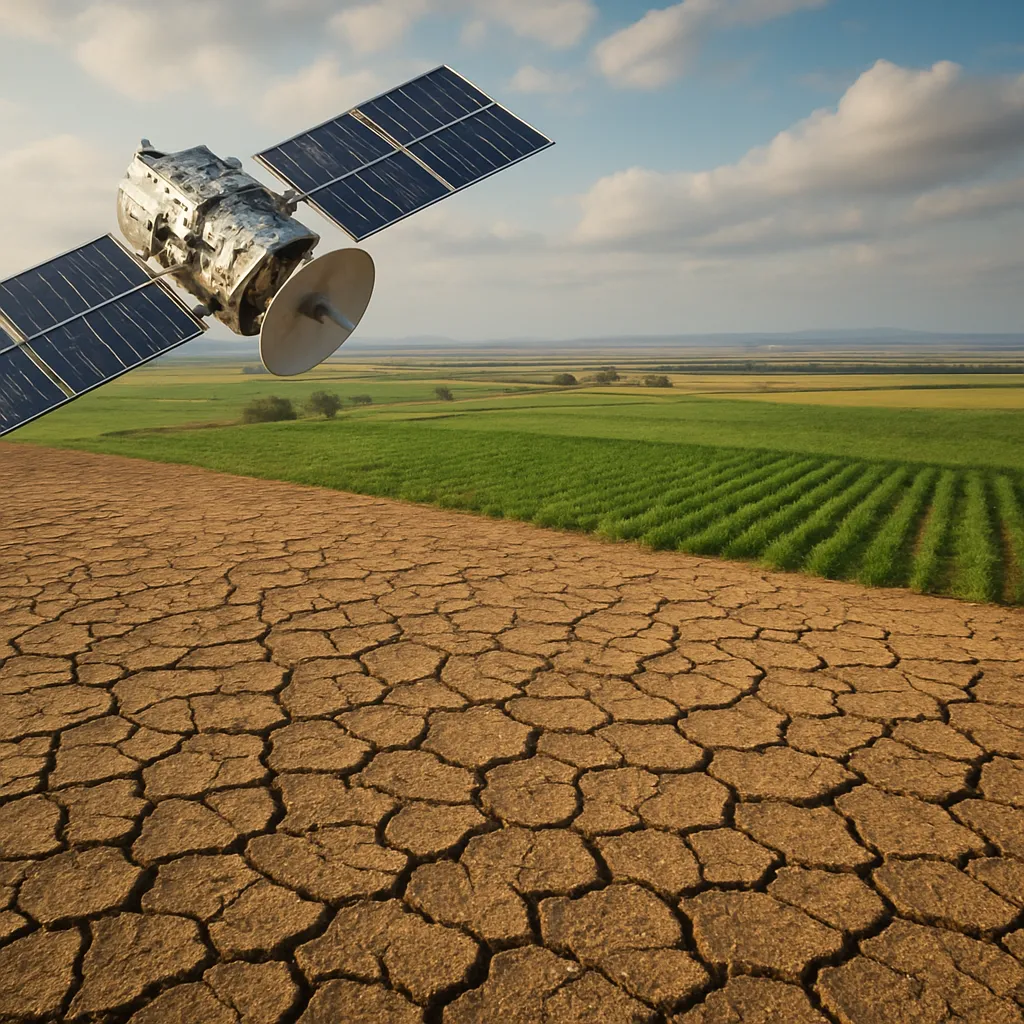
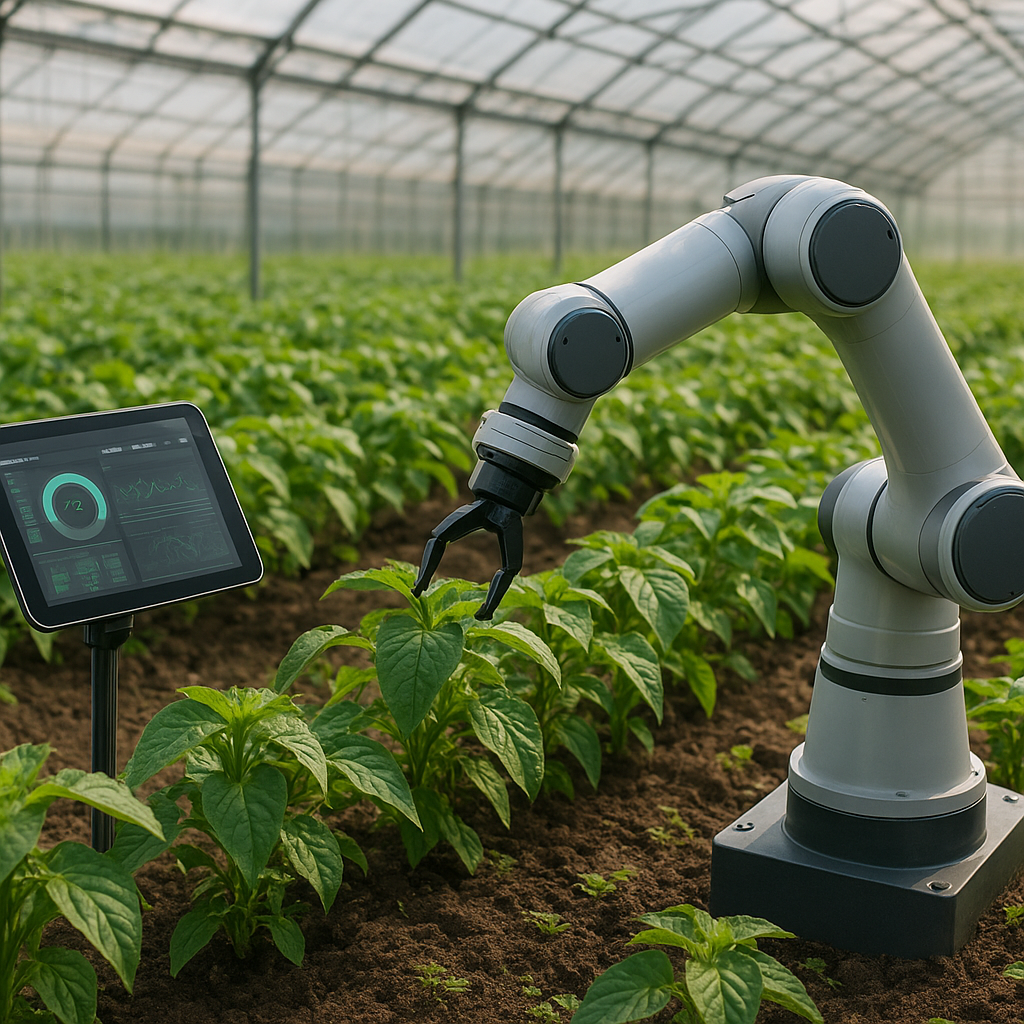
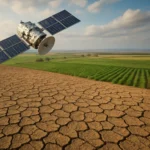
Modern agriculture is witnessing a transformation powered by sensors, drones, and satellite imagery. Farms once governed by intuition and historical practice are now digitally mapped, continuously monitored, and meticulously optimized. From planting to harvesting, every step can benefit from advanced analytics on soil moisture, weather forecasts, and crop health indicators. By harnessing real-time data, farmers can reduce input waste, maximize yields, and respond to emerging threats such as pests or droughts within days—or even hours. At its core, this shift relies on robust algorithms that analyze terabytes of information to recommend best practices and anticipate market fluctuations.
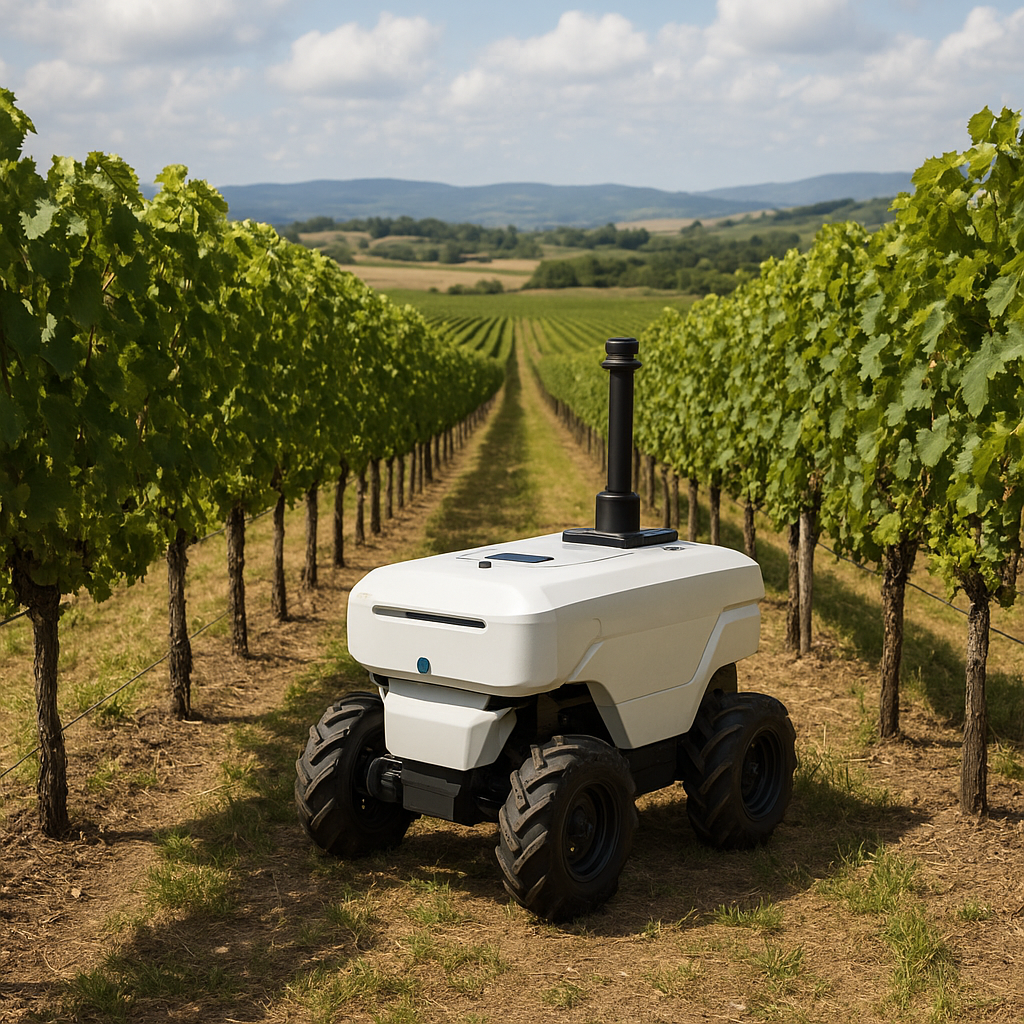
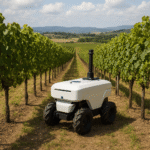
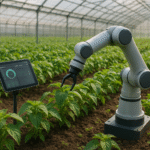
Precision agriculture represents a hallmark of this revolution. Through GPS-guided machinery and variable-rate application of fertilizers and water, farms minimize environmental impact while bolstering output. Underpinning this approach is a concert of IoT devices that feed streams of localized measurements into cloud platforms. These systems employ pattern recognition to flag anomalies, enabling stakeholders to make data-driven decisions rather than relying solely on seasonal lore. The result is a resilient operation capable of adapting to new challenges and escalating demand with remarkable resilience.
Beyond individual farms, entire supply chains benefit from AI-enhanced forecasting. Logistics providers predict optimal shipping routes, cold-chain managers adjust temperature settings proactively, and retailers refine inventory levels to reduce spoilage. This end-to-end visibility cultivates a new era of trust among producers, distributors, and consumers. By integrating disparate data sources—from weather agencies to commodity traders—AI fosters a level of interoperability that was once unimaginable in global agriculture.
Key Models for Global Food Demand Forecasting
Traditional Statistical Models
Long before machine learning dominated headlines, economists and agronomists turned to time-series analysis and regression techniques to project consumption trends. Models such as ARIMA (AutoRegressive Integrated Moving Average) and exponential smoothing provided simple yet powerful frameworks for short-term demand estimation. They excelled when data volumes were modest and patterns exhibited seasonality. However, the linear assumptions underlying these methods limit their ability to capture sudden shocks—whether from extreme weather events or geopolitical disruptions.
Machine Learning Techniques
With the advent of high-performance computing, tree-based learners like Random Forests and Gradient Boosted Trees gained prominence. Their nonparametric nature allows for capturing nonlinear interactions between climate variables, economic indicators, and crop yields. These models can incorporate thousands of features, from urbanization rates to dietary preferences, creating nuanced forecasts that reflect evolving consumer behaviors. Ensemble strategies further enhance accuracy by combining multiple learners and hedging against overfitting.
Deep Learning Architectures
Deep neural networks unlock the potential of unstructured data—satellite imagery, social media signals, and news reports. Convolutional Neural Networks (CNNs) can process high-resolution land-cover maps to estimate planted area and crop health, while Recurrent Neural Networks (RNNs), especially Long Short-Term Memory (LSTM) units, excel at modeling sequential data such as daily market prices or rainfall patterns. Hybrid models that fuse CNNs with LSTMs are increasingly popular for end-to-end supply chain optimization, marrying spatial and temporal insights in a single pipeline.
Integration of Multimodal Data
- IoT sensors in the field transmit soil nutrient levels and moisture readings in real time.
- Remote sensing platforms offer thermal and multispectral images for large-scale crop assessment.
- Economic databases supply macro indicators like GDP growth, inflation, and purchasing power.
- Social listening tools gauge consumer sentiment toward dietary trends and food safety.
By synthesizing these sources, advanced AI frameworks can detect emergent patterns that would elude isolated analysis. The synergy of multimodal data ensures that short- and long-term projections reflect both environmental constraints and market dynamics, enabling stakeholders to pursue robust optimization strategies across diverse regions.
Implementation Strategies and Stakeholder Engagement
Translating AI-driven demand forecasts into concrete benefits requires more than just a high-performing model. It demands collaboration among public sector agencies, private enterprises, and grassroots organizations. Policymakers can leverage predictive insights to calibrate import-export regulations, fine-tune subsidy schemes, and direct strategic reserves. At the same time, agribusinesses gain a competitive edge by adjusting procurement plans, aligning processing capacity, and reducing waste in storage and transportation.
For smallholder farmers, access to sophisticated forecasting tools can be facilitated via mobile applications or community-based extension services. By presenting actionable recommendations—optimal planting dates, expected market prices, or risk alerts—these platforms democratize innovation and uplift entire rural economies. Training programs and digital literacy initiatives are essential to ensure that farmers interpret model outputs correctly and integrate them with local knowledge.
Private sector partners, including fintech startups, can embed demand predictions into credit-scoring algorithms. Farmers demonstrating consistent yields aligned with forecasts may qualify for microloans or crop insurance at favorable rates. This creates a virtuous feedback loop: higher predictability and resource access foster greater yields, which in turn reinforce model accuracy through richer data streams.
Global consortiums and research institutes play a catalytic role by maintaining open data repositories and facilitating standards for data sharing. Open-source tools and interoperable platforms accelerate adoption while preventing vendor lock-in. By promoting transparency in modeling assumptions and performance benchmarks, these initiatives build trust among diverse stakeholders and ensure that the benefits of AI-driven agriculture are widely distributed.
Challenges and Future Directions
Despite impressive strides, several hurdles remain before AI can fully optimize global food systems. Data scarcity and quality issues persist in many developing regions where sensor networks are sparse. Bridging the digital divide demands investment in infrastructure and connectivity, alongside culturally sensitive capacity-building efforts. Moreover, the proprietary nature of some datasets and algorithms can hinder collaborative progress and exacerbate inequities.
Another concern is model interpretability. Complex neural architectures often operate as “black boxes,” making it difficult for end users to understand why a particular recommendation was made. Efforts to develop explainable AI are critical to ensure that predictions align with on-the-ground realities and that stakeholders can challenge or refine outputs based on empirical observations.
Climate change introduces additional uncertainty. Traditional forecasting models may fail when patterns shift rapidly, as seen with unprecedented droughts or flooding. To address this, researchers are integrating scenario analysis and robust optimization techniques that account for a range of plausible futures. Such approaches strive for scalability and adaptability, allowing food systems to maintain abundance even under extreme conditions.
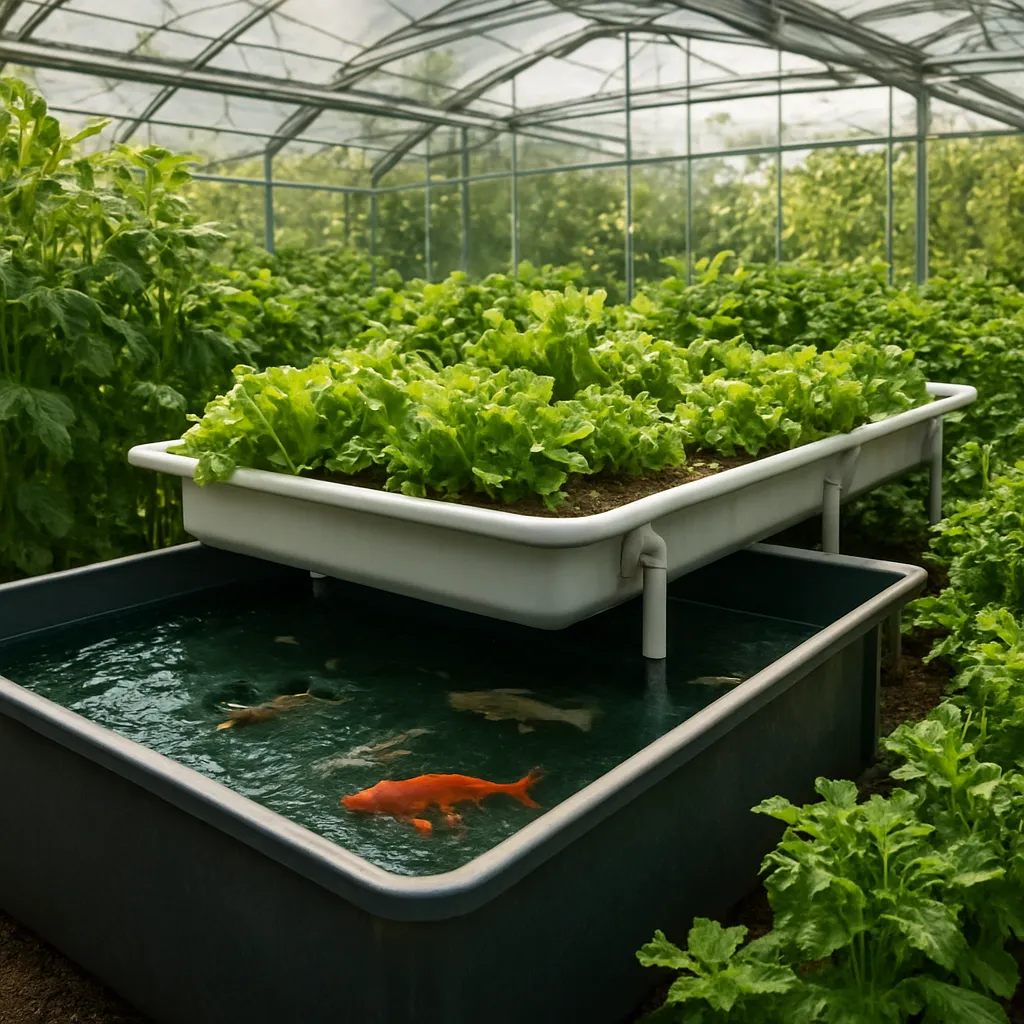
Looking ahead, the convergence of AI with emerging fields like synthetic biology and vertical farming holds promise for reshaping production paradigms. Controlled-environment agriculture can leverage predictive models to fine-tune lighting, nutrient solutions, and atmospheric conditions, maximizing yields in urban settings. Meanwhile, predictive breeding informed by genomic data may accelerate the development of crop varieties tailored to specific climates and consumer demands.
Ultimately, the success of AI models for predicting global food demand hinges on a shared commitment to responsible innovation. By fostering open collaboration, prioritizing data integrity, and centering the needs of small-scale producers, the agricultural community can harness the full potential of these technologies. As we navigate the complex interplay of environmental, economic, and social factors, AI stands poised to chart a more secure and resilient food future for all.