
Agricultural robotics represents a transformative force in modern farming, driving an era of precision and efficiency that was once thought impossible. By leveraging cutting-edge automation and advanced AI algorithms, today’s harvesters, planters, and sprayers can work tirelessly across vast fields, ensuring crops receive the exact treatment they need at precisely the right moment. This article explores the remarkable technologies and strategies that allow agricultural robots to harvest with unparalleled accuracy, revolutionizing yield quality and resource conservation.
Technological Foundations of Robotic Harvesting
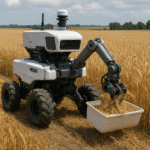
At the heart of robotic agriculture lies a combination of mechanical ingenuity and sophisticated computing power. Agricultural robots rely on robust hardware, integrating high-torque electric motors, flexible end-effectors, and rugged chassis to navigate challenging terrain. Meanwhile, onboard processors and specialized chipsets handle complex computations in real time.
- Actuators: Modern robots utilize servo and stepper motors for precise joint control, allowing delicate maneuvers around fragile produce.
- End-Effectors: Interchangeable grippers, suction cups, and soft robotic fingers adapt to various fruit and vegetable shapes.
- Computing Units: Edge computing modules process sensor data on board, reducing latency and dependency on remote servers.
- Power Systems: Lithium-ion battery packs and solar-powered extensions keep machines operational for extended periods.
These elements combine to create robust harvesting platforms capable of detailed field assessments and swift, damage-free collection. Additionally, modular design ensures that farmers can upgrade individual components, fostering a culture of continuous innovation within the sector.
Sensor Integration and Data-Driven Decision Making
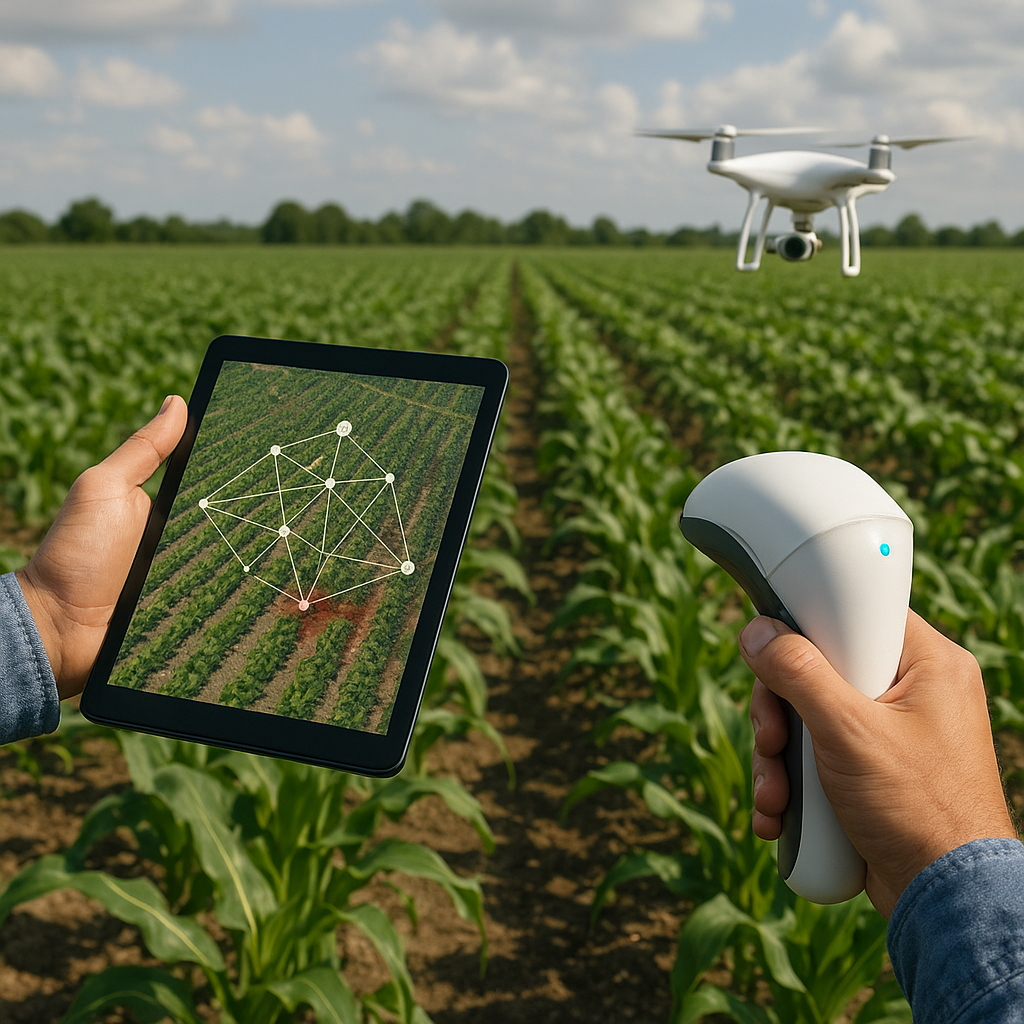
Sensors serve as the eyes and ears of agricultural robots, feeding streams of environmental and crop-related information into machine learning pipelines. A typical harvester may carry a rich suite of devices, including:
- Multispectral Cameras: Capture data across visible and near-infrared bands to assess plant health indices.
- LiDAR Units: Survey terrain and crop canopies in 3D, enabling collision avoidance and optimal path planning.
- Ultrasonic Sensors: Measure distances to fruit clusters, guiding actuators for precise picking.
- Hyperspectral Imaging: Detect chemical signatures, identifying sugar content or maturity stages.
- Weather Stations: Monitor microclimates, adjusting harvesting schedules to avoid dew or high humidity.
Processed through advanced algorithms, this sensor data drives adaptive behaviors. Real-time analytics ensure that each fruit or vegetable is evaluated for ripeness, size, and potential defects before being harvested. By avoiding under- or overripe produce, robots enhance both productivity and quality standards, while minimizing waste.
Machine Learning in the Field
Training AI models with vast datasets of annotated images allows robots to distinguish varietals and detect pests or diseases. These models continually improve through cloud-synchronized updates or in-field retraining sessions, ensuring that performance remains optimal under changing seasonal and environmental conditions.
Field Deployment and Precision Harvesting Techniques
Transitioning from prototypes to commercial-scale deployment requires addressing real-world challenges such as uneven ground, unpredictable weather, and complex crop layouts. Successful field operations incorporate several best practices:
- Row Alignment: GPS-guided navigation keeps robots centered on crop rows, avoiding plant damage during transit.
- Swarm Coordination: Fleets of smaller robots communicate via mesh networks, distributing tasks and maximizing coverage.
- Adaptive Speed Control: Variable speed drives adjust motion according to crop density and slope gradients.
- Real-Time Monitoring: Operators oversee robotic fleets using dashboards that display live video feeds and performance metrics.
Precision harvesting not only accelerates the rate at which fields are cleared but also ensures uniformity in picked produce. Each unit is handled with care, as grippers apply just enough force to detach the crop without harming it. Advanced vibration dampers and compliance features guarantee that delicate items like berries or tomatoes remain intact, reducing bruise rates dramatically.
Case Study: Berry Harvesting Robot
One notable example is a strawberry-picking robot equipped with AI-based vision and soft silicone fingers. Capable of identifying red, ripe berries from a distance of up to two meters, the device picks at a rate of 120 fruits per minute. Farmers report a 30% reduction in labor costs and a 25% increase in throughput during peak season.
Sustainability and Resource Optimization
In addition to boosting yields, robotic harvesters contribute to more sustainable agricultural practices. By applying precise volumes of water, fertilizers, and pesticides only where needed, they minimize runoff and chemical overuse. Key benefits include:
- Water Conservation: Targeted irrigation systems on robots deliver micro-doses directly to plant roots, reducing wastage by up to 40%.
- Reduced Chemical Footprint: Spot-spraying capabilities ensure that herbicides and pesticides are used sparingly, protecting beneficial insects and soil health.
- Lower Carbon Emissions: Electrically powered machines replace diesel tractors, cutting CO2 emissions by a significant margin.
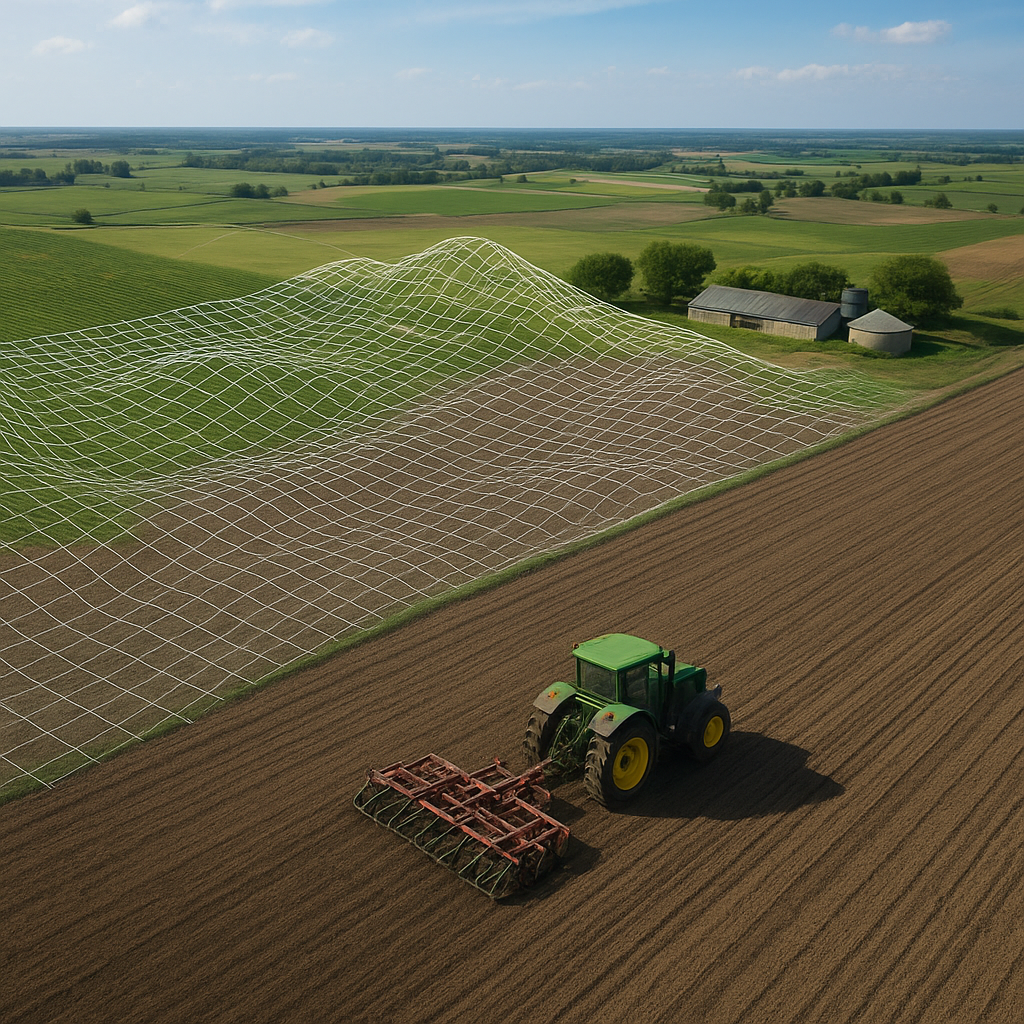
- Enhanced Soil Management: Ground-penetrating sensors map soil composition, guiding tillage and seeding operations with minimal disruption.
The integration of robotics into sustainable farming systems thus supports both environmental stewardship and economic viability, aligning with global goals for responsible resource management.
Future Directions and Emerging Innovations
As research accelerates, the next generation of agricultural robots promises even greater capabilities. Areas of active development include:
- Swarm Intelligence: Algorithms that coordinate hundreds of micro-robots to operate simultaneously on high-value crops.
- Soft Robotics: Bio-inspired actuators made from flexible materials that mimic human touch, reducing crop damage further.
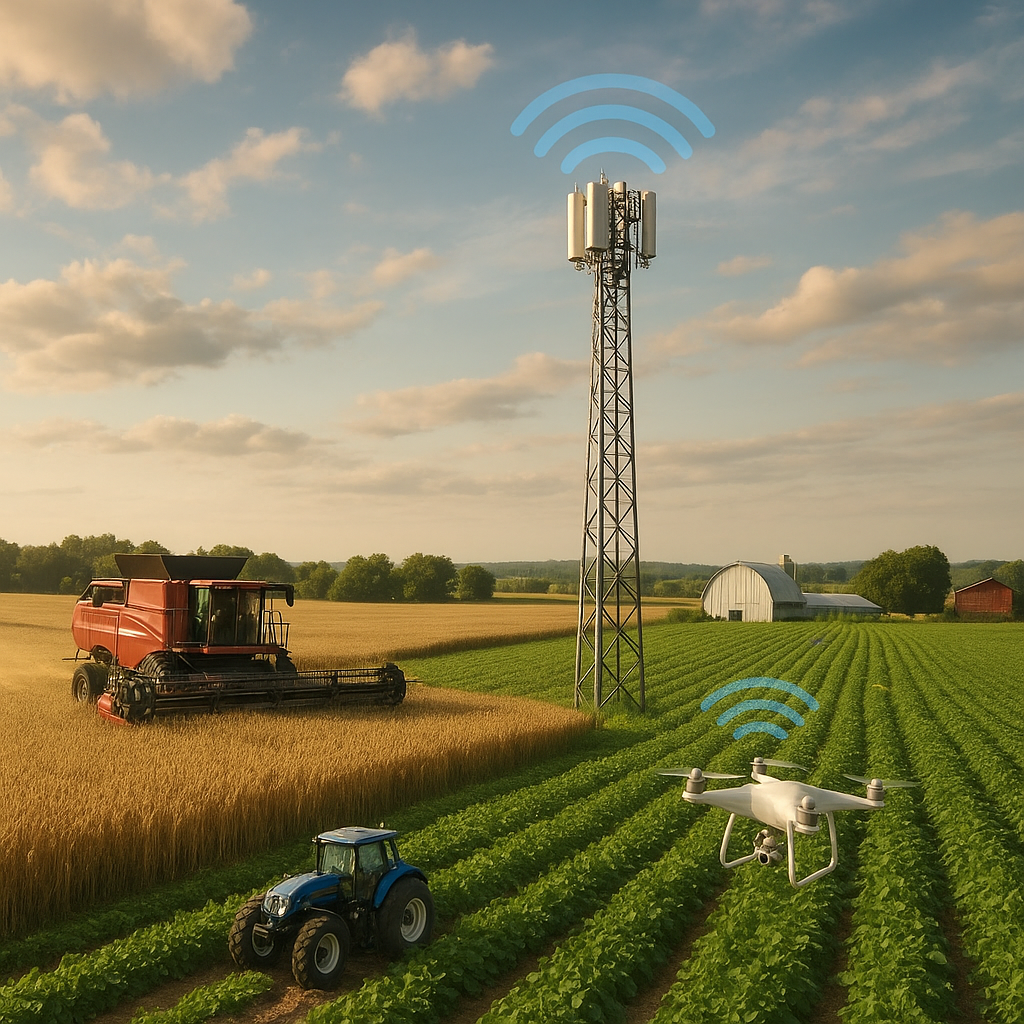
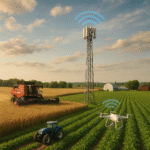
- 5G Connectivity: Ultra-low latency networks enabling near-instantaneous data exchange between field units and cloud servers.
- Augmented Reality Interfaces: Field technicians receive visual overlays through AR glasses to monitor and fine-tune robot behavior in real time.
- Blockchain Traceability: Immutable records of harvest conditions, storage parameters, and delivery chains enhance food safety and consumer trust.
Incorporating these innovations will continue to push the boundaries of what is possible in robotics-driven agriculture. From self-navigating drones that pollinate flowers to fully autonomous combines that process grains on the go, the future holds an endless array of tools for farmers seeking to expand their horizons.
Conclusion
The advent of agricultural robots marks a pivotal shift toward highly efficient, data-driven farming. These machines redefine the concept of a harvest, blending mechanical dexterity with digital intelligence to deliver unmatched precision. As they evolve, farmers around the globe stand to benefit from increased yield reliability, reduced labor demands, and stronger sustainability metrics, cementing robotics as a cornerstone of modern agriculture.