Advanced **farming** methods are undergoing a revolution as **AI** technologies bring unprecedented levels of **precision** and reliability to agricultural systems. By harnessing sophisticated **sensors**, machine **algorithms**, and real-time data streams, modern farms can perform continuous **monitoring** to identify early signs of **contamination** and implement targeted **prevention** measures. This proactive approach not only safeguards crop health but also optimizes **yield** and resource utilization.
Understanding the Threats of Crop Contamination
Every farm faces a wide array of contamination risks, from **pathogenic** bacteria and fungal infestations to chemical residues and heavy metals in soil and water. Traditional inspection methods often rely on random sampling or visual assessment, which can miss critical hotspots. **AI**-driven systems, however, provide a comprehensive solution by integrating diverse data feeds and identifying patterns invisible to the naked eye.
Common sources of **contamination** include irrigation with untreated water, application of **pesticides** beyond recommended doses, airborne spores carried by wind, and cross-contamination from nearby livestock operations. When left unchecked, these hazards can spread rapidly, compromising both crop quality and consumer safety.
By establishing baseline environmental profiles and continuously comparing new data against historical trends, AI platforms can detect subtle shifts in pH, moisture content, or nutrient levels—early warning signs that something is amiss. This continuous vigilance forms the foundation for timely intervention.
AI-Powered Detection Techniques
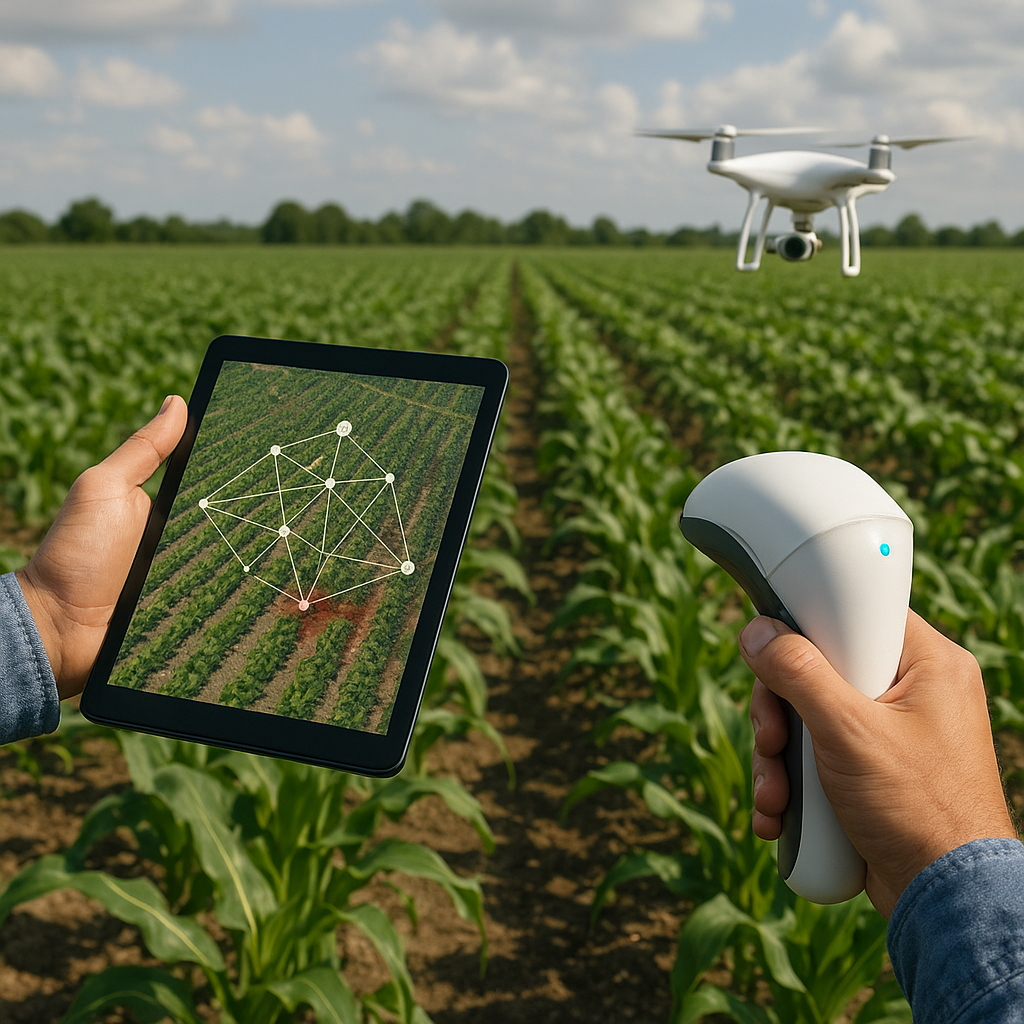
Modern detection pipelines integrate multiple layers of **sensors**, imaging methods, and data-processing modules. By combining terrestrial and aerial observations, these systems achieve a level of detail and accuracy well beyond traditional scouting approaches.
Drone-Based Imaging
- High-resolution cameras capture multispectral and hyperspectral images, revealing stress signatures in plant canopies.
- Thermal sensors detect temperature anomalies that may indicate microbial activity or water stress.
- Automated flight paths ensure systematic coverage, reducing blind spots and improving sampling consistency.
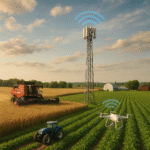
Drone fleets, guided by AI path-planning **algorithms**, can revisit critical zones at scheduled intervals or when triggered by irregular sensor readings on the ground, providing a layered perspective on field health.
Soil and Water Sensor Networks
- In-ground probes record soil moisture, pH, salinity, and nutrient bioavailability in real time.
- Smart water meters monitor irrigation flow and detect chemical imbalances, alerting operators to potential runoff or overapplication.
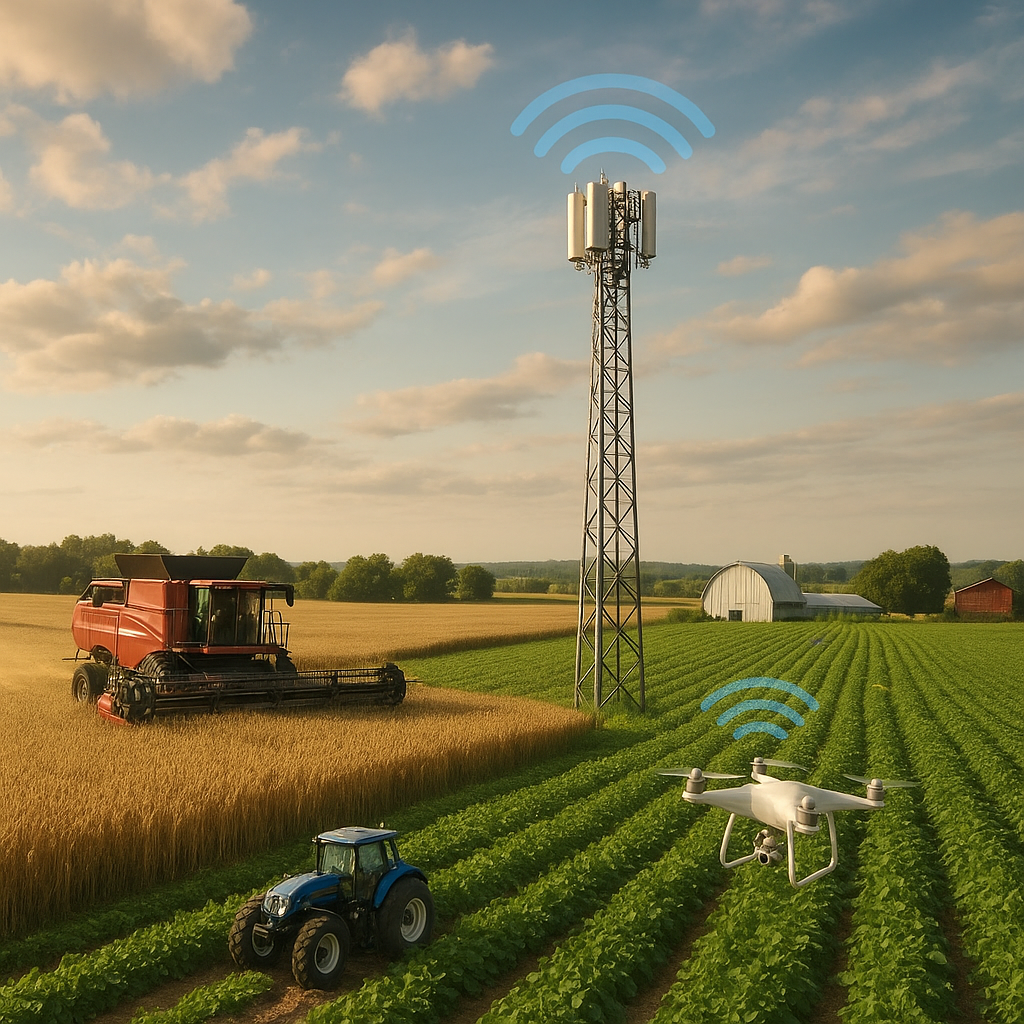
- Wireless mesh networks transmit data to central controllers, enabling immediate **monitoring** of field conditions even in remote locations.
These distributed sensors feed continuous streams of information into AI engines, where advanced statistical and **predictive** models flag unusual variances that warrant closer inspection.
Machine Learning Algorithms
At the heart of intelligent detection is a suite of machine learning and deep learning frameworks. Convolutional neural networks (CNNs) excel at image-based **detection**, distinguishing healthy plant tissue from diseased or contaminated areas with high accuracy. Unsupervised clustering methods help to segment fields into zones of similar health profiles, enabling targeted treatment.
Reinforcement learning models dynamically adjust monitoring frequencies and sensor deployment based on risk assessments, optimizing resource usage. As more data are accumulated, these systems continually refine their predictions, achieving higher precision over time.
Prevention Strategies Enabled by AI
Proactive Measures for Sustainable Agriculture
Detecting contamination is only half the battle—preventing its occurrence is equally critical. AI-driven decision-support tools provide farmers with actionable recommendations to ward off threats before they materialize.
- Predictive analytics forecast disease outbreaks based on weather conditions, soil characteristics, and historical incident data.
- Automated irrigation controllers adjust water delivery in response to real-time moisture readings, preventing waterlogging that fosters root rot.
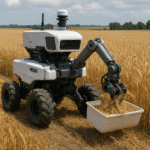
- Robotic sprayers equipped with precision nozzles apply fungicides and nutrients only where needed, minimizing chemical overuse and environmental impact.
- Geo-fenced alerts notify farm managers when equipment or personnel enter high-risk zones, reducing human error and cross-contamination.
- AI-guided crop rotation planners optimize field usage to disrupt pathogen life cycles, preserving soil health and biodiversity.
By integrating weather forecasts with soil and crop analytics, these platforms anticipate potential contamination windows, allowing for preemptive deployment of biocontrol agents or protective barriers. This level of coordination dramatically reduces the incidence of spoilage and ensures consistent, high-quality output.
Real-World Applications and Case Studies
Several pioneering operations have already harnessed AI for contamination control with remarkable results. In California’s Central Valley, a consortium of almond growers deployed a network of **sensors** and drones linked by an AI command center. Within a single season, early fungal spores were detected and contained, reducing crop losses by over 30%.
In Europe, a vineyard cooperative uses machine vision and **predictive** models to manage mildew outbreaks. The system synthesizes satellite imagery, local weather station data, and on-floor humidity readings. Automated alerts prompt vineyard teams to apply targeted interventions, cutting down fungicide usage by 40% while maintaining optimum grape quality.
A rice plantation in Southeast Asia implements real-time water quality monitoring with neural network–driven analysis of heavy metal concentrations. This initiative has virtually eliminated cases of contaminated harvests linked to upstream industrial discharge, securing both **yield** and consumer trust.
These success stories underscore the transformative potential of AI in creating resilient, sustainable farms that can withstand evolving environmental and regulatory challenges. By merging **detection** and **prevention** into a cohesive strategy, agricultural stakeholders can uphold stringent safety standards and foster long-term productivity.