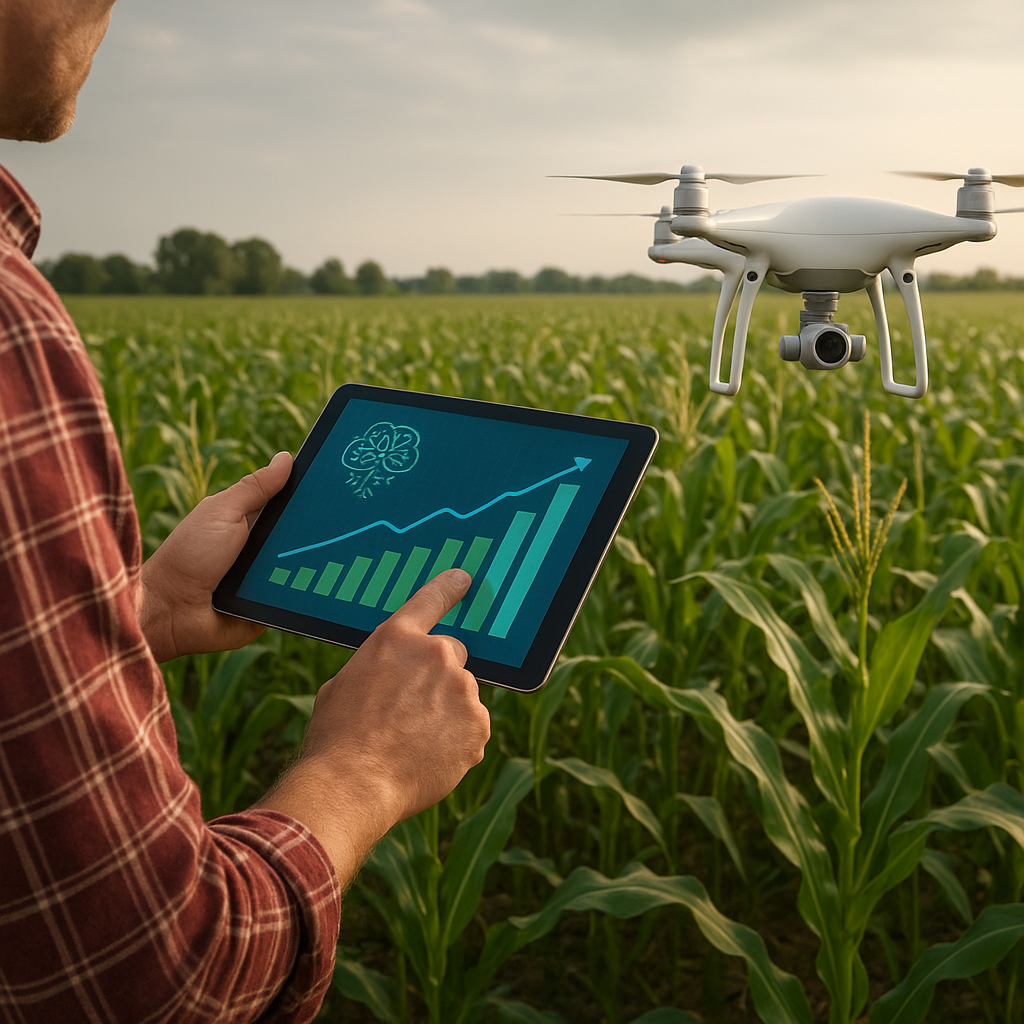
Artificial Intelligence (AI) has revolutionized the way we approach modern agriculture, offering unprecedented insights into crop performance and resource management. By integrating cutting-edge technologies with traditional farming practices, researchers and farmers alike are able to make informed decisions that drive efficiency and environmental stewardship. This article explores how AI enhances precision in crop yield predictions, laying out key methodologies, breakthroughs, and future paths that promise to reshape the agricultural landscape.
Data Acquisition and Sensor Integration
One of the foundational pillars of AI-driven yield prediction is high-quality data. Accurate inputs allow models to identify subtle trends and relationships that might otherwise go unnoticed. Achieving this level of detail involves combining remote sensing platforms, field sensors, and even crowd-sourced information to build a rich, multidimensional dataset.
Remote Sensing Technologies
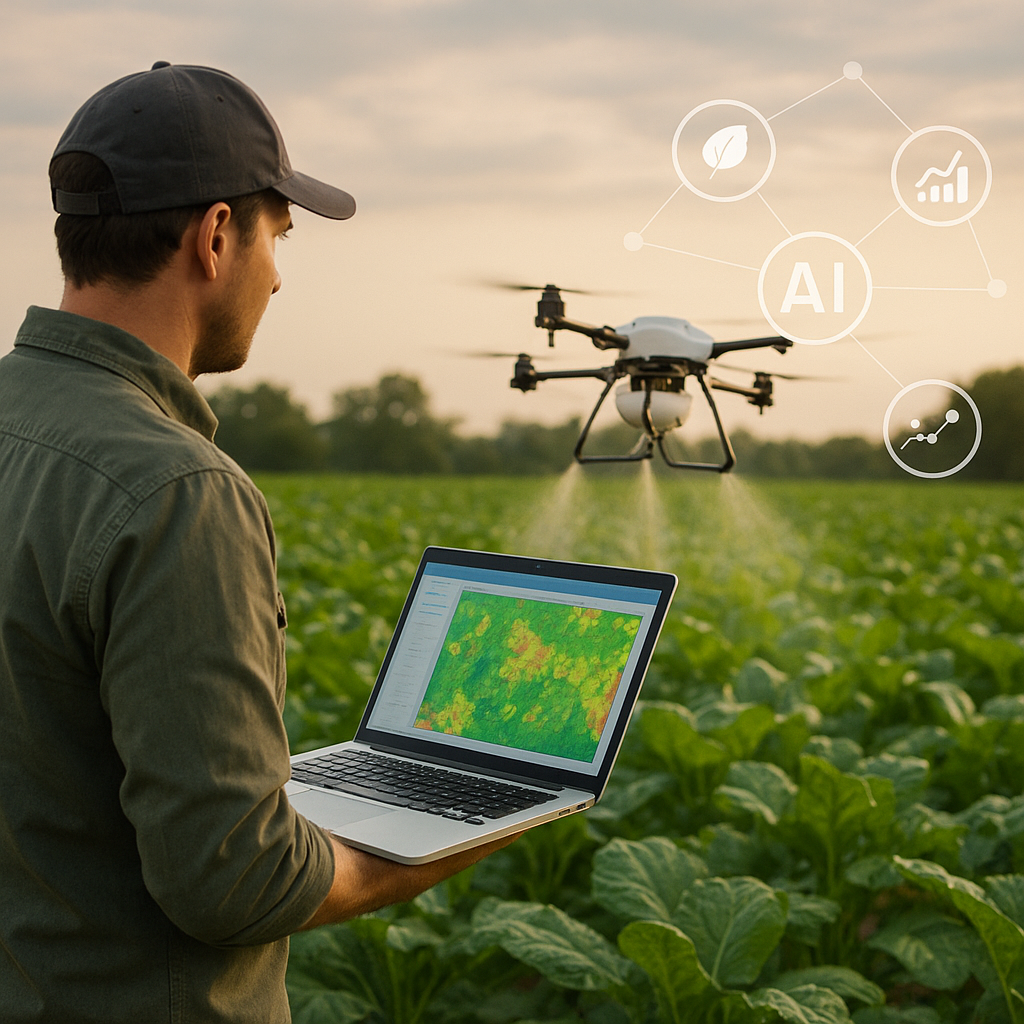
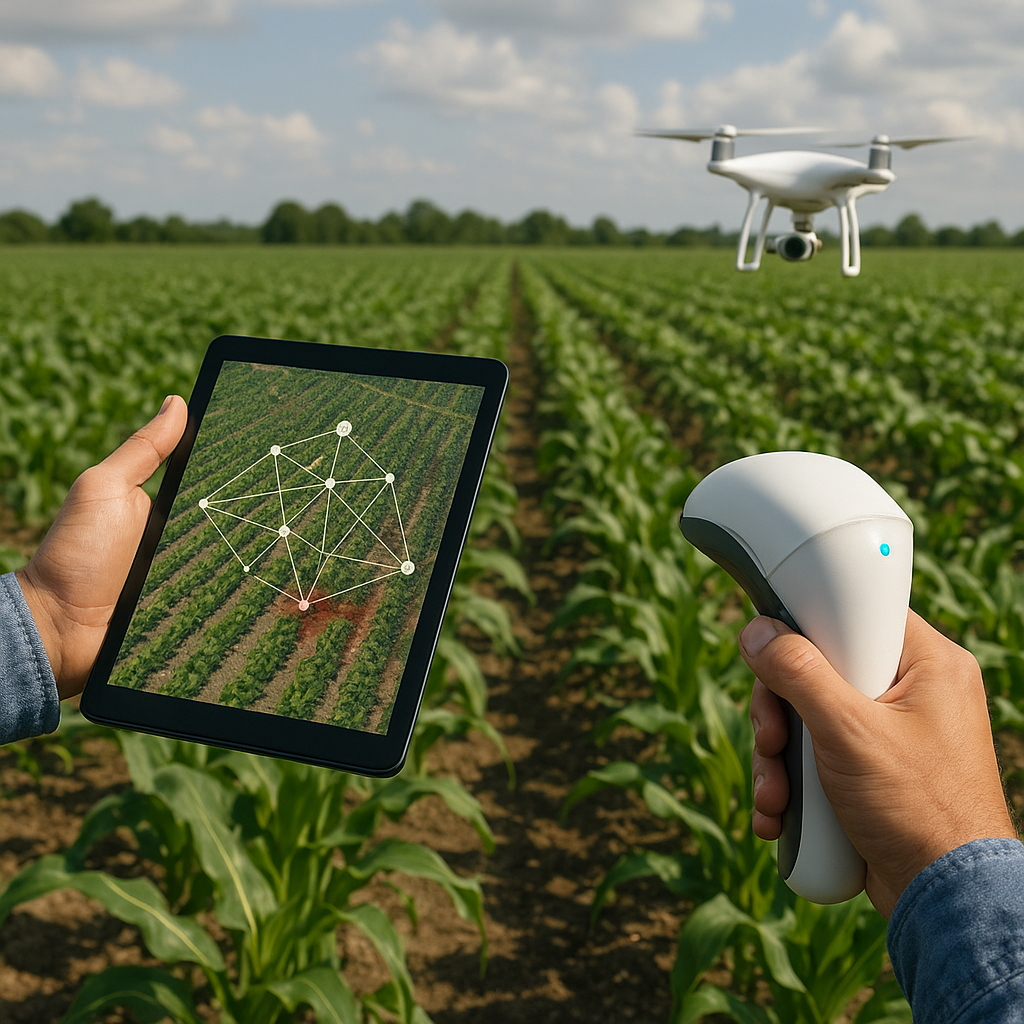
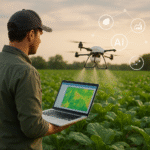
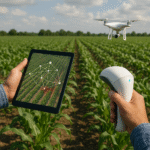
Satellite imagery and drone surveys enable large-scale monitoring of field conditions across diverse geographies. By analyzing reflectance values at different wavelengths, AI systems can infer plant health, moisture levels, and nutrient deficiencies. This multispectral data forms the backbone of many yield forecasting models, allowing for near-real-time adjustments to fertilization and irrigation schedules.
- Sensors mounted on drones capture high-resolution images for localized analysis.
- Satellite constellations provide frequent, consistent coverage for broad-area monitoring.
- Ground-based spectrometers verify aerial data, ensuring calibration and accuracy.
Field-Level IoT Deployment
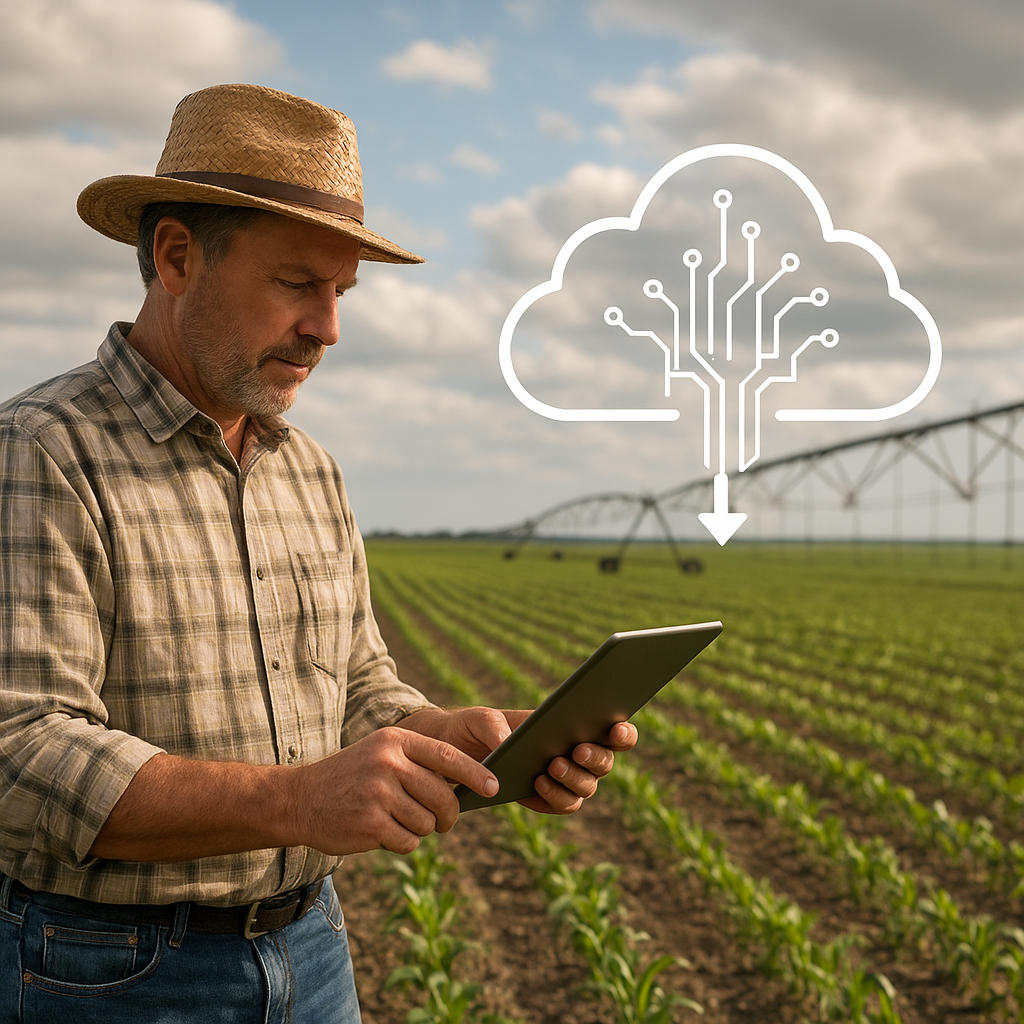
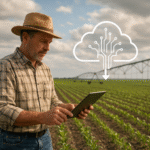
Internet of Things (IoT) devices transform conventional fields into data-rich environments. Soil moisture probes, weather stations, and automated nutrient testers feed continuous streams of information to cloud-based platforms. This granular data is crucial for understanding microclimates and heterogeneous soil properties within a single farm. The ability to combine these inputs with algorithms that detect anomalies and predict stress events significantly improves yield estimation.
- Real-time alerts for irrigation adjustments.
- Integration with farm management software for seamless decision support.
- Automated calibrations reduce manual oversight and potential errors.
Advanced Modeling and Machine Learning Techniques
The magic truly happens when raw data meets sophisticated modeling frameworks. AI-driven approaches leverage both statistical and deep learning methods to capture complex, non-linear relationships between environmental factors and plant growth. These models not only forecast yields but also provide actionable insights into best practices for crop management.
Regression and Ensemble Learning
Traditional regression techniques, such as linear and polynomial regression, laid the groundwork for modern predictive analytics. However, agricultural systems often defy simple mathematical relationships due to variable weather patterns and biological interactions. Ensemble learning methods—like Random Forests and Gradient Boosting Machines—overcome these limitations by aggregating multiple weak predictors into a single, robust model. This approach enhances prediction accuracy and generalizes better across diverse conditions.
Deep Neural Networks and Time-Series Analysis
Convolutional Neural Networks (CNNs) excel at interpreting imagery from drone and satellite inputs, identifying patterns in canopy structure and disease outbreaks. Recurrent Neural Networks (RNNs) and Long Short-Term Memory (LSTM) models specialize in forecasting temporal trends, such as weather variations and crop phenology. When combined in hybrid architectures, these neural networks can simulate growth trajectories and yield outcomes with remarkable fidelity.
- Time-series models adapt to seasonal cycles and abrupt climate events.
- CNNs detect early signs of nutrient deficiency through leaf coloration.
- Transfer learning accelerates model development for new crop varieties.
Explainable AI and Decision Support
Despite impressive performance, deep learning models are often criticized for being black boxes. Explainable AI (XAI) techniques address this concern by providing transparency into model decisions. Tools such as SHAP values and LIME highlight which features—like rainfall, soil pH, or leaf chlorophyll index—drive predictions. This interpretability builds trust among farmers and agronomists, ensuring that AI recommendations align with agronomic expertise.
Benefits, Challenges, and Future Directions
Deploying AI for crop yield prediction ushers in a new era of productivity and resource efficiency. Yet, it also presents a series of logistical and ethical challenges that must be navigated to achieve widespread adoption. Looking ahead, ongoing research aims to refine algorithms, enhance scalability, and promote equitable access to AI-powered solutions.
Key Benefits
- Improved resource allocation reduces water and fertilizer wastage.
- Early risk detection allows proactive interventions against pests and diseases.
- Optimized planting schedules align with optimal weather windows.
- Enhanced profitability through data-driven crop management.
- Contribution to sustainable farming practices by minimizing environmental footprint.
Common Challenges
Despite the promise, certain obstacles slow the pace of AI integration in agriculture:
- Data scarcity in remote or under-resourced regions limits model effectiveness.
- High upfront costs for sensor installation and connectivity.
- Variability in regulatory frameworks for data privacy and technology deployment.
- Resistance to change among traditional farming communities.
Future Innovations
Several exciting developments are on the horizon:
- Federated learning allows decentralized AI training while preserving data privacy.
- Edge computing reduces latency by processing sensor data directly in the field.
- Integration of genomic information to tailor models for specific crop varieties.
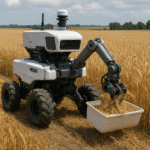
- Advanced robotics for automated sample collection and ground validation.
- Adaptive feedback loops that continuously refine predictions based on harvest outcomes.
As these innovations mature, AI-driven yield prediction will become more resilient against climate volatility and market uncertainties. Ultimately, the convergence of robust datasets, advanced algorithms, and on-farm sensor networks heralds a new chapter in agriculture—one where informed decision-making safeguards food security and fosters global well-being.