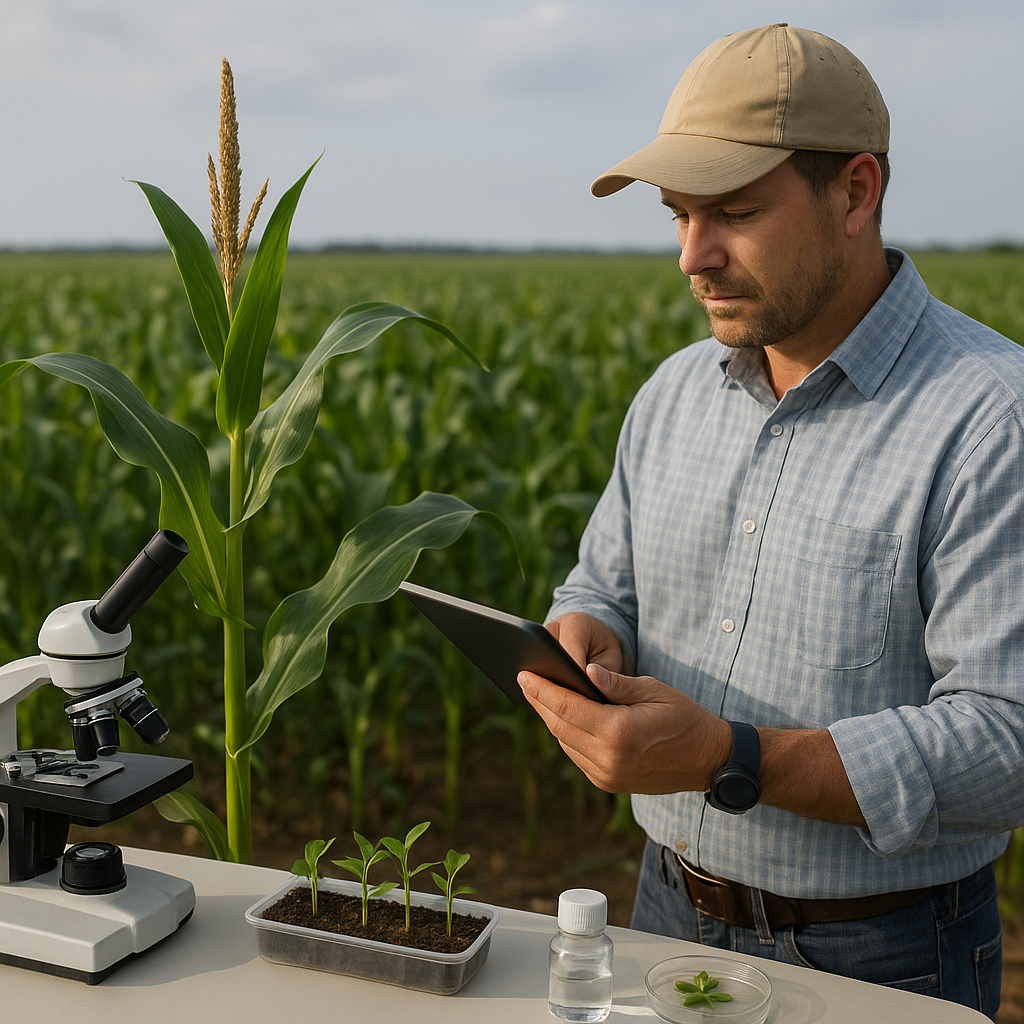
The intersection of science and farming has ushered in a new era where biotechnology stands at the forefront of agricultural transformation. As global populations swell and climate challenges intensify, farmers and researchers have embraced cutting-edge tools to enhance crop performance, reduce environmental impacts, and safeguard food security. This exploration delves into how modern innovations redefine the boundaries of remarkable agriculture, offering fresh insights into crop improvement, digital integration, and sustainable resilience.
Genetic Engineering and Crop Improvement
Genetic modification has shifted from laboratory novelty to a cornerstone of innovation in crop development. By pinpointing specific DNA sequences associated with desired traits, scientists can introduce or silence genes that drive superior performance. The result is a generation of plants capable of thriving under conditions that once decimated yields.
Enhancing Nutritional Profiles
- Biofortification: By boosting levels of essential vitamins and minerals, crops can address micronutrient deficiencies. Golden rice, enriched with vitamin A precursors, illustrates how productivity meets public health.
- Tailored Macronutrients: Advances in metabolic engineering allow the adjustment of protein, carbohydrate, and oil compositions to meet dietary goals and industrial needs.
Increasing Stress Tolerance
- Drought-Tolerance: Introducing genes from desert-adapted species equips staple crops with mechanisms to retain water and maintain photosynthesis during extended dry periods. Such drought-tolerance is vital as rainfall patterns become erratic.
- Pest and Disease Resistance: Crops armed with naturally derived pesticidal proteins or RNA interference pathways limit the reliance on chemical sprays, fostering both farmer safety and ecosystem health.
Speed Breeding and CRISPR Revolution
Traditional breeding cycles spanned years or decades. Now, controlled environment chambers accelerate growth, pruning generational timescales and fast-tracking trait stacking. Meanwhile, CRISPR-Cas systems enable precise edits without foreign DNA integration, reducing regulatory hurdles and aligning with public acceptance.
Precision Agriculture and Digital Tools
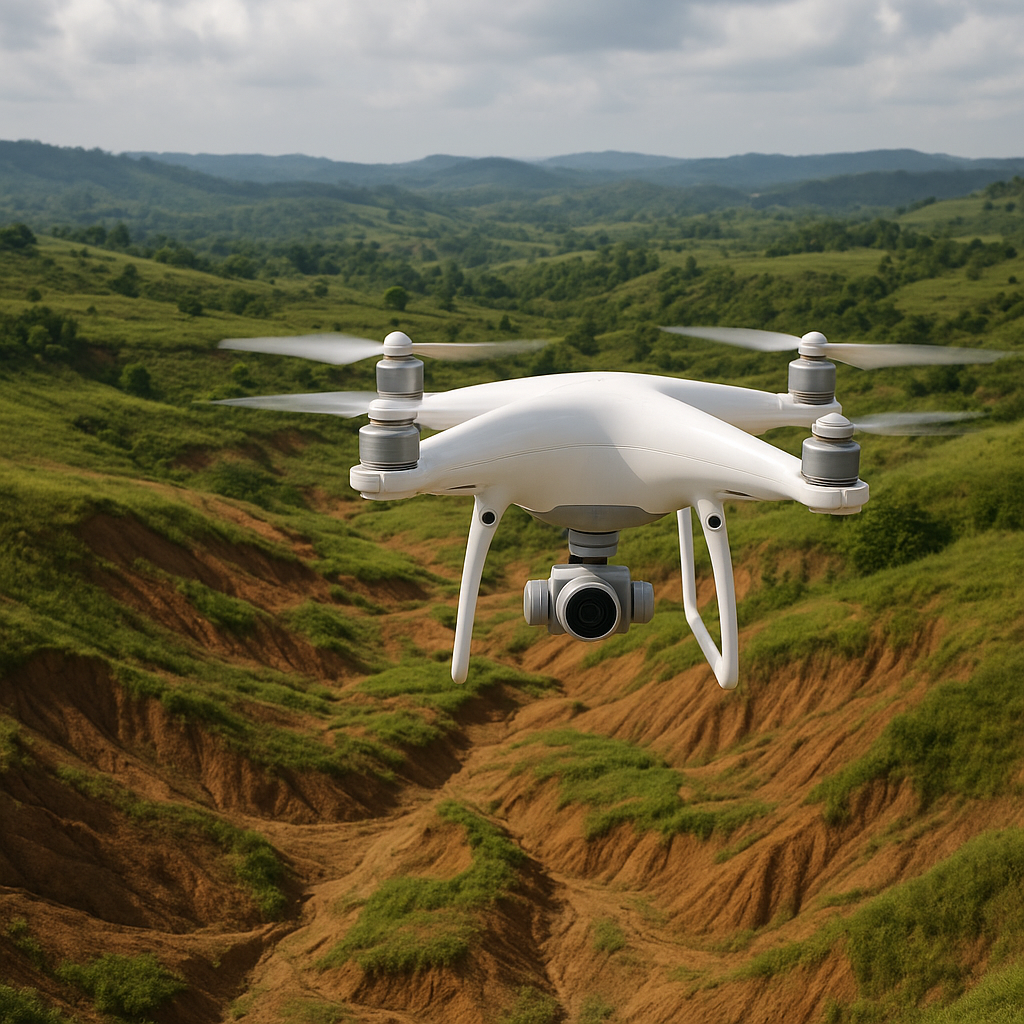
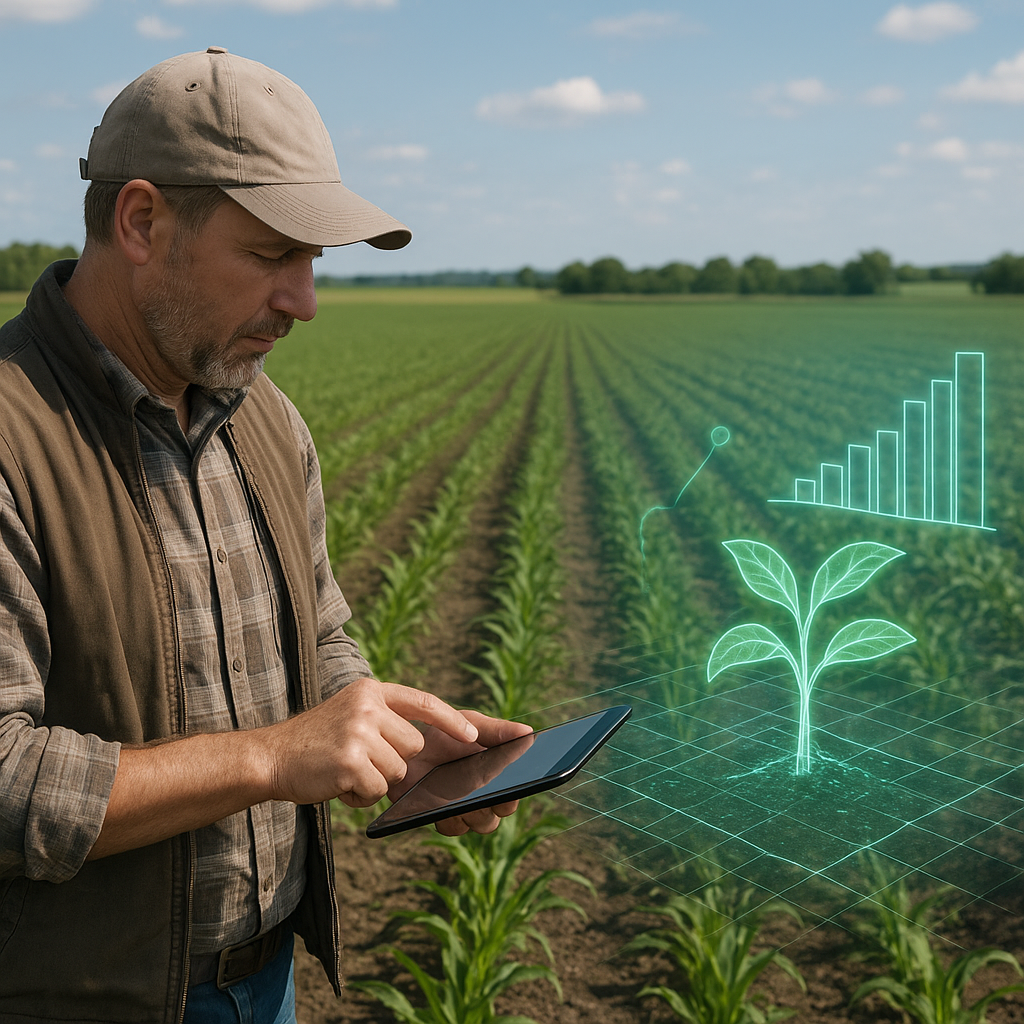
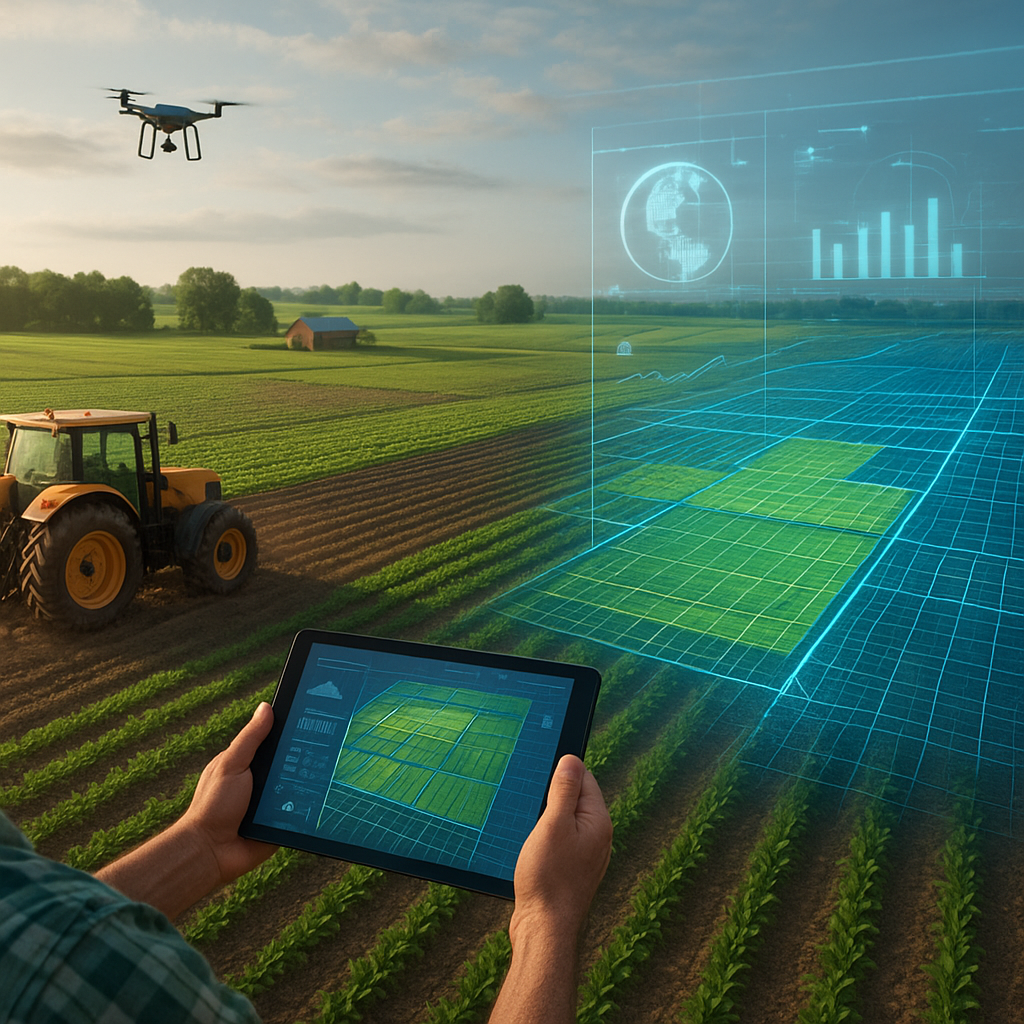
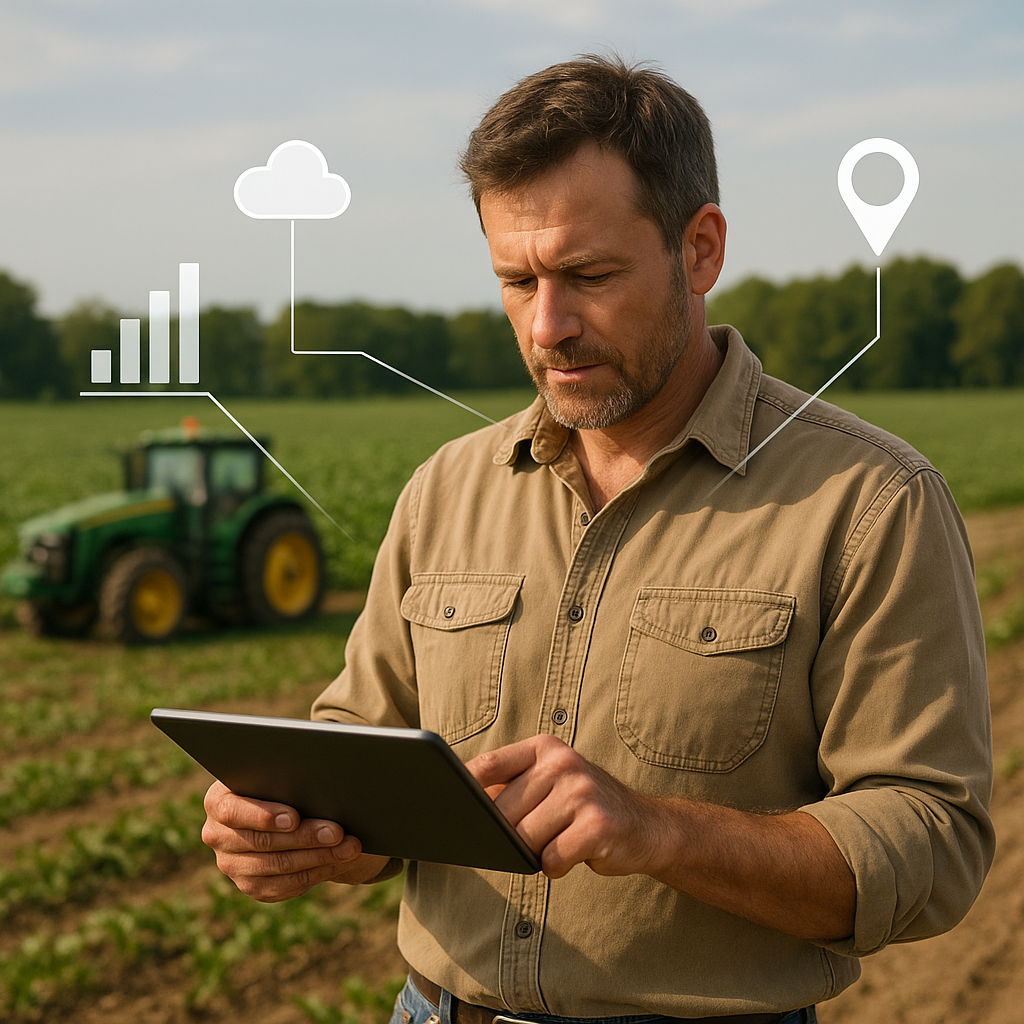
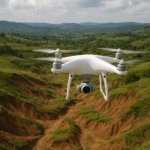
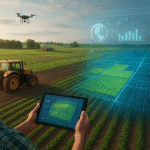
Precision farming harnesses data-driven insights to optimize inputs and maximize yield. Satellite imagery, drones, and sensors collaborate to deliver a mosaic of real-time information, guiding decisions at the scale of individual plants.
Remote Sensing and Fertility Management
- Normalized Difference Vegetation Index (NDVI): This metric tracks plant chlorophyll content, revealing stress hotspots that call for targeted interventions.
- Variable Rate Application: Fertilizers, herbicides, and water are dispensed with surgical accuracy, cutting waste and curtailing runoff of harmful nutrients into waterways.
Artificial Intelligence in Crop Modeling
Machine learning algorithms process decades of weather, soil, and yield data to forecast outcomes for planting dates, cultivar selection, and harvest timing. By predicting pest outbreaks or irrigation demands, these systems bolster on-farm resilience and cut costs.
Autonomous Machinery and Robotics
- Driverless Tractors: Equipped with GPS guidance and obstacle detection, these vehicles operate around the clock, ensuring field operations proceed without human fatigue.
- Weed-Detecting Robots: Advanced cameras coupled with AI identify and mechanically remove weeds, offering an eco-friendly alternative to blanket herbicide use.
Sustainable Practices and Climate Resilience
Meeting the UN Sustainable Development Goals requires agriculture to minimize its environmental footprint while maintaining sustainability. Biotech offers strategies that align productivity with conservation.
Cover Cropping and Soil Health
Integrating cover crops like legumes and grasses prevents erosion, improves organic matter, and fosters beneficial microbial communities. Certain genetically improved varieties even sequester more carbon, aiding in climate mitigation efforts.
Biological Inputs and Ecosystem Services
- Rhizobia Enhancement: Engineered strains of nitrogen-fixing bacteria amplify the natural fertility contribution of legumes, curbing synthetic fertilizer demand.
- Mycorrhizal Symbiosis: Tailored inoculants expand root networks, boosting water and nutrient uptake in diverse soil types.
- Biopesticides: Harnessing entomopathogenic fungi or viral agents provides targeted pest control, preserving pollinators and soil fauna.
Climate-Adaptive Varieties
As temperature extremes and erratic precipitation events intensify, breeding crops for heat tolerance and flood resilience becomes paramount. Utilizing genomic selection accelerates the identification of alleles linked to climate adaptability, ensuring future harvests withstand shifting weather patterns.
Future Prospects and Emerging Frontiers
The synergy of advanced breeding, data analytics, and ecological stewardship propels agriculture toward unprecedented heights. Several nascent technologies promise to further redefine crop production landscapes.
Synthetic Biology and Designer Crops
Beyond classical transgenics, synthetic biology assembles novel genetic circuits that enable plants to perform functions such as pollutant remediation or pharmaceutical precursor synthesis. Imagine fields of crops producing biodegradable plastics or vaccines, weaving farming into the fabric of biotechnology industries.
Gene Drives for Pest Management
- Self-Propagating Traits: Engineered gene drives could suppress vector populations of disease-spreading insects, protecting both crops and human health.
- Risks and Governance: While the potential is vast, rigorous ecological risk assessments and international policy frameworks are crucial to ensure safety and public trust.
Vertical Farming and Controlled Environment Agriculture
Urban cultivation systems stack layers of LED-lit trays in climate-controlled facilities. Combining precision hydroponics or aeroponics with tailored LED spectra, these setups deliver consistent, high-density yields year-round, reducing land footprint and supply-chain distances.
Integration of Blockchain in Food Traceability
Ensuring transparency from seed to supermarket necessitates immutable records. Blockchain-powered platforms track genetic traits, input usage, and handling processes, empowering consumers to make informed choices aligned with ethical and ecological values.
Concluding this exploration, the panorama of modern agriculture is defined by the fusion of genetic insights, digital intelligence, and ecological mindfulness. As we continue to embrace these innovations, the potential to sustainably feed a growing world becomes not just a hope, but an emerging reality.