
Imagine a farming paradigm that mimics natural ecosystems, where waste becomes a resource and every action contributes to a continuous cycle of growth. Regenerative practices, resource efficiency, and innovative technologies come together to redefine how food is produced. This vision is at the heart of circular agriculture, promising a greener, more resilient future.
Understanding Circular Agriculture
Circular agriculture shifts the focus from linear supply chains toward systems that continually loop nutrients, water, and energy back into the soil and production cycle. Rather than extracting maximum yield without regard for input quality, this approach values longevity and ecosystem health. Farms become hubs of interaction between crops, livestock, microbes, and technology, designed to sustain themselves over generations. The concept rests on minimizing waste while enhancing sustainability at every level—from seed selection and soil conditioning to harvesting and distribution. As traditional farming faces challenges like soil degradation and climate change, circular methods promise stronger resilience and reduced reliance on external inputs.
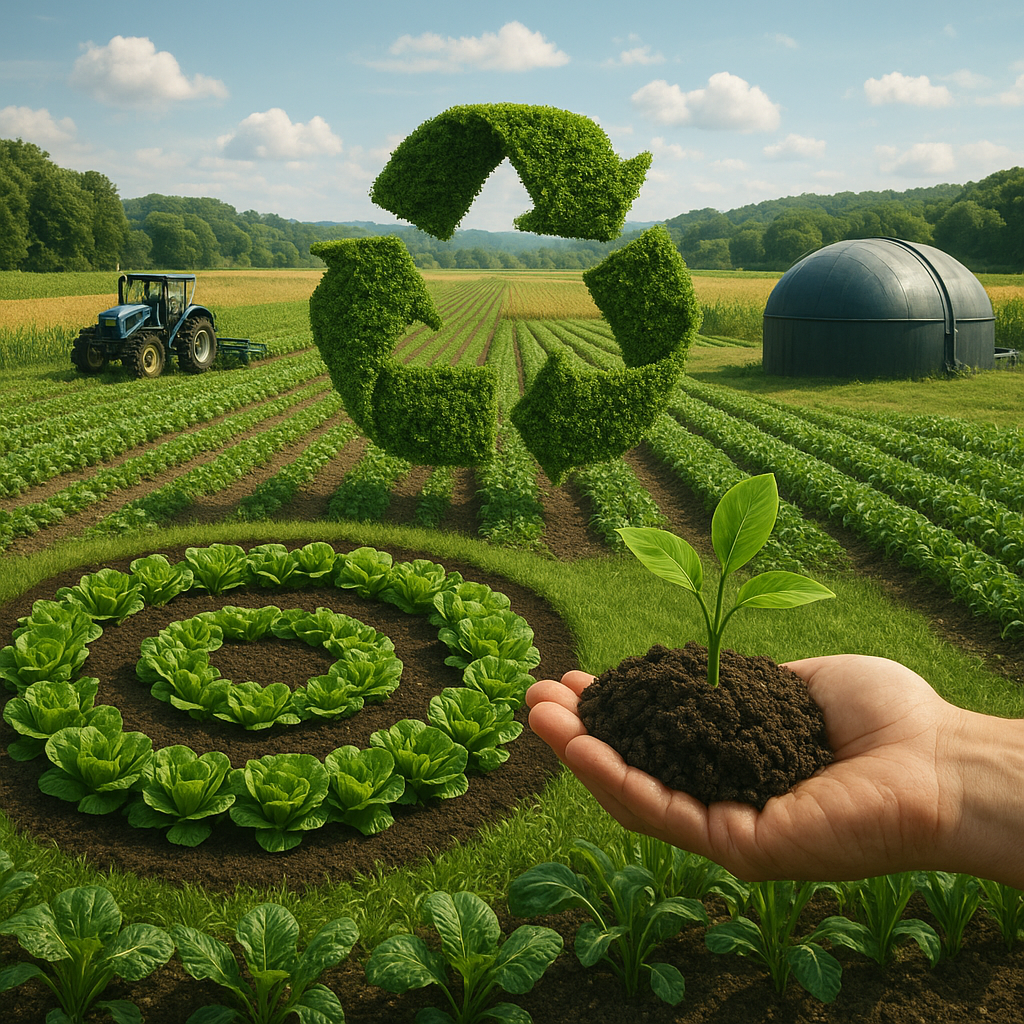
This model aligns with natural ecosystems, in which nothing is wasted: fallen leaves decompose to nourish forests, and water cycles power streams and aquifers. In agriculture, adopting similar loops means capturing nutrients from animal manure, crop residues, and food processing by-products, then reintroducing them to fields as organic amendments. Water is recycled through rainwater harvesting and reuse of treated irrigation runoff. Energy is harnessed from biomass and solar installations. Altogether, the system mimics nature’s ability to self-regulate and heal, fostering long-term productivity and ecological balance.
Core Principles and Practices
Implementing circular agriculture requires several interconnected strategies. Farmers and stakeholders collaborate to close resource loops, optimize inputs, and diversify production. Central principles include:
- Biodiversity enhancement: planting varied crops and integrating livestock to improve pest resistance and soil structure.
- Circular waste management: converting crop residues, animal bedding, and food scraps into compost or biogas feedstock.
- Closed-loop farming: reusing water and nutrients within the farm boundary rather than discharging them as waste.
- Agroforestry and permaculture: embedding trees and perennial crops to stabilize soil and sequester carbon.
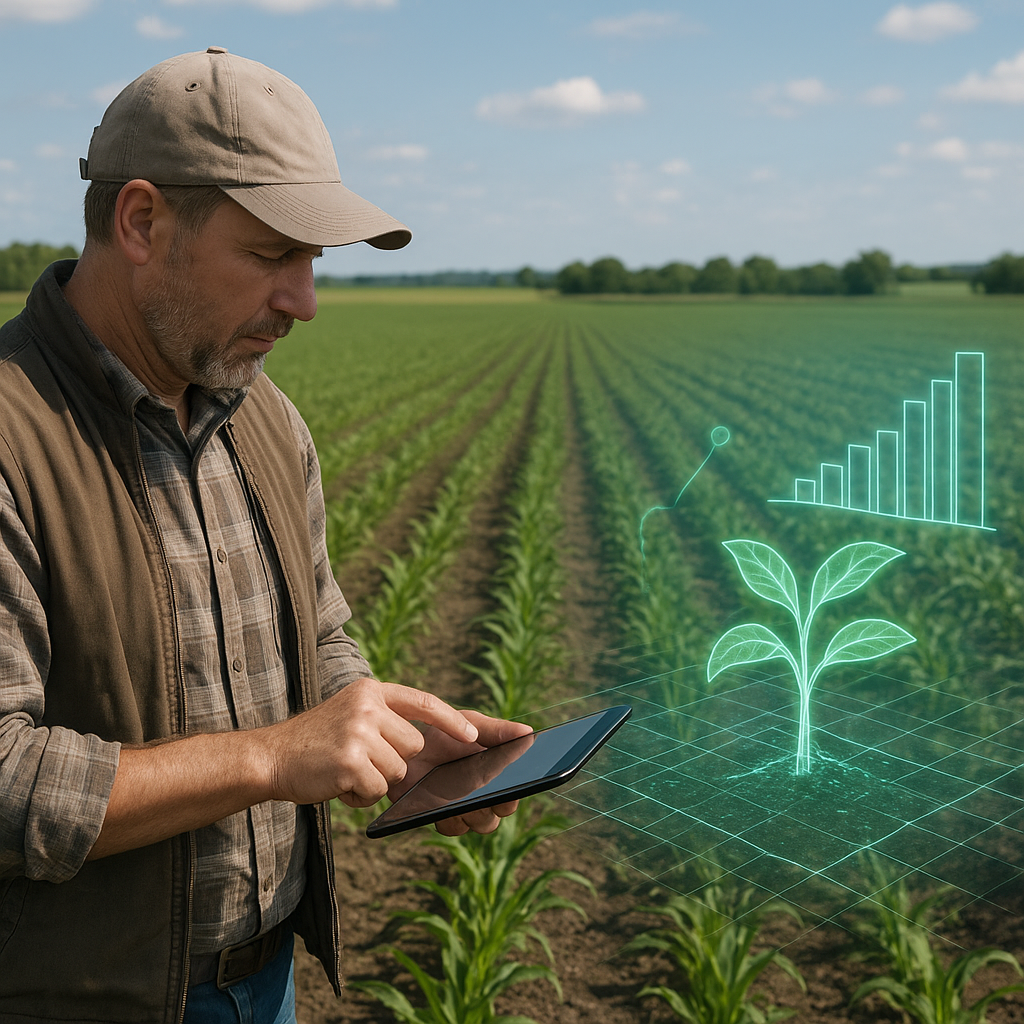
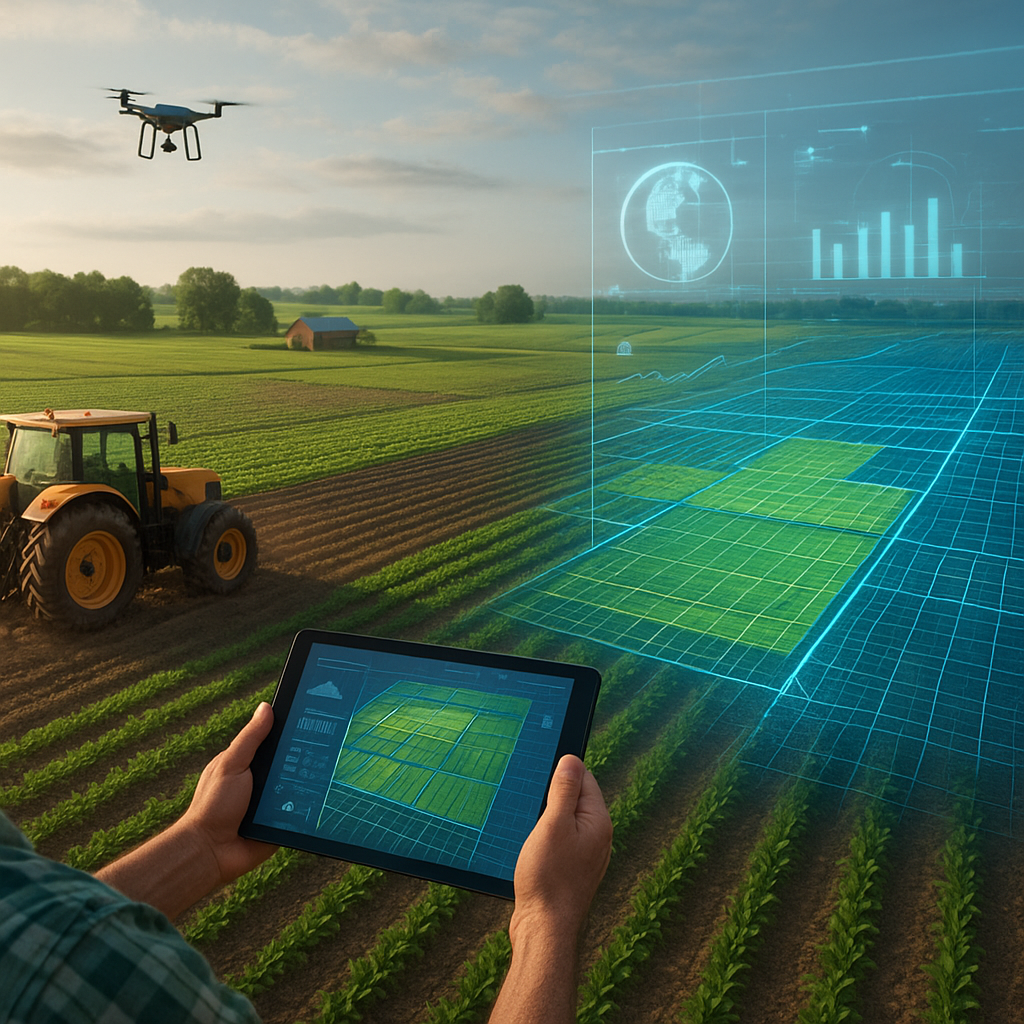
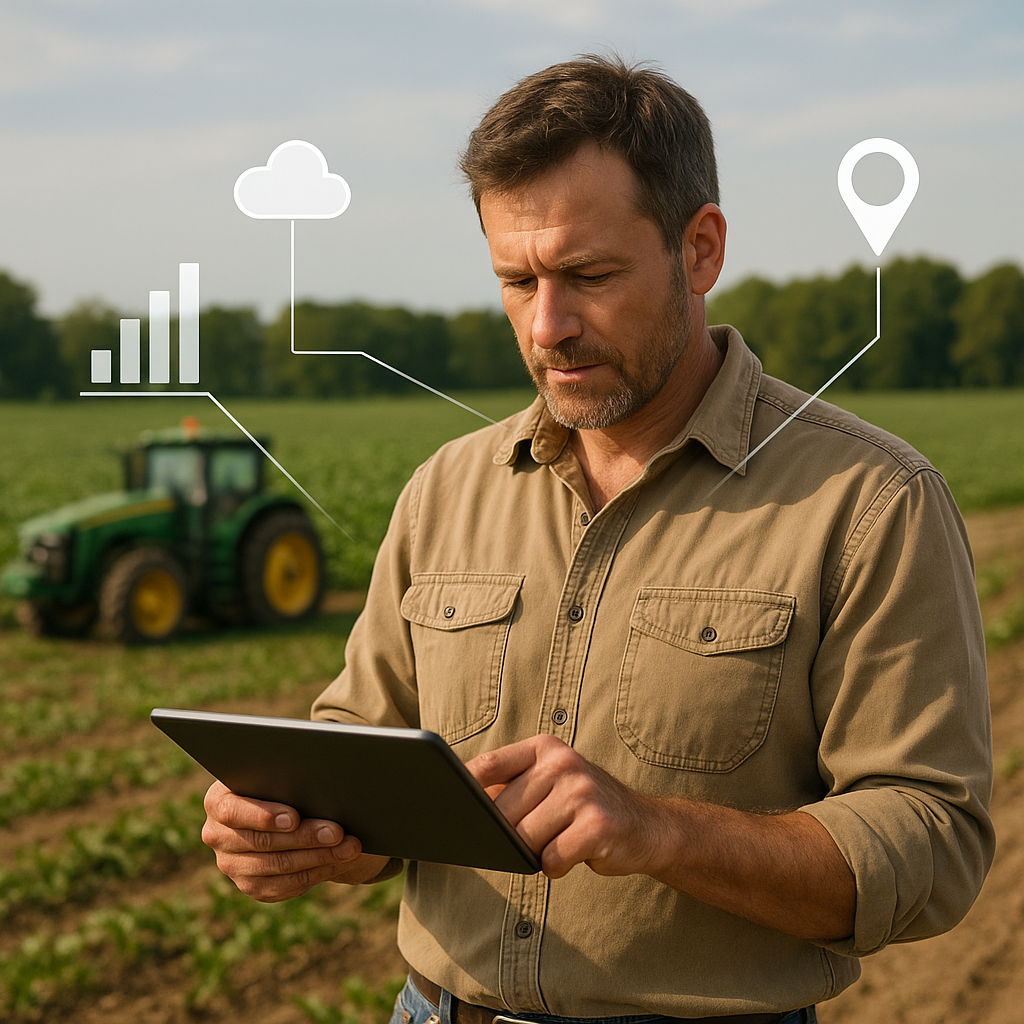
- Precision application: using sensor data and GPS-guided equipment to apply water, fertilizers, and pesticides exactly where needed.
Rotation between deep-rooted and shallow-rooted plants, cover crops, and fallow periods preserves soil health by preventing erosion and rejuvenating nutrients. Manure from livestock provides natural fertilization, reducing reliance on synthetic chemicals. Intercropping legume species fixes atmospheric nitrogen, further cutting down external inputs. This synergy between biological processes and careful management transforms farms into self-sustaining ecosystems.
Technological Innovations Driving Change
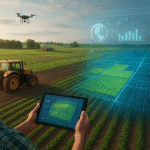
Advances in hardware and software accelerate the transition to circular systems. IoT sensors monitor soil moisture, nutrient levels, and crop growth, enabling data-driven decisions that minimize waste. Drones equipped with multispectral cameras survey large fields swiftly, identifying areas that require attention. Automated machinery delivers precise doses of water and fertilizer, cutting costs and environmental impact. Smart greenhouses control temperature, humidity, and light cycles to ensure optimal growth conditions year-round. These high-tech solutions deliver real-time insights, unlocking efficiencies once deemed impossible.
Biotechnology also plays a crucial role. Microbial inoculants enhance nutrient uptake and disease resistance, reducing the need for chemical treatments. Genetic research fosters crop varieties with improved nutrient-use efficiency and stress tolerance. Meanwhile, on-farm biorefineries transform plant residues into bio-based products like bioplastics, organic acids, and biofuels, creating new revenue streams. Solar panels and small-scale wind turbines integrate renewable energy generation on-site, powering irrigation pumps, storage facilities, and processing equipment with minimal carbon footprint. Together, these innovations propel circular agriculture from concept to reality.
Economic and Environmental Impacts
Circular agriculture delivers tangible benefits for both the economy and the environment. By recycling nutrients and water, farms cut input costs and buffer against volatile commodity prices. Diversified production—combining grains, vegetables, livestock, and energy crops—spreads risk and stabilizes income streams. On-site value-addition, such as artisanal cheese making or bioenergy production, generates local employment and higher profit margins. Supply chains become shorter and more transparent, building consumer trust and creating opportunities for direct marketing through farmers’ markets and cooperatives.
Environmental gains are equally significant. Continuous soil cover reduces erosion, while organic matter buildup enhances water retention and crop resilience in droughts. Manure-based biogas systems capture methane that would otherwise escape into the atmosphere, turning it into clean power. Natural pest management and integrated animal husbandry cut down on harmful agrochemicals, boosting biodiversity in surrounding habitats. Overall, circular systems can achieve substantial waste reduction and foster long-term innovation in resource management, aligning agricultural productivity with planetary boundaries.
Empowering Communities and Policies
Broad adoption of circular agriculture depends on supportive policies and engaged communities. Governments can incentivize sustainable practices through subsidies for composting infrastructure, tax breaks for renewable energy installations, and grants for precision farming tools. Certification schemes and labeling programs can reward farmers who meet circularity standards, connecting them with premium markets. Extension services and cooperative networks play a vital role in sharing best practices and technical know-how.
Community involvement strengthens resilience. Local food hubs reduce transportation emissions and keep value within rural economies. Education programs in schools and universities inspire the next generation of farmers, researchers, and entrepreneurs to champion circular methods. Collaborative platforms connect stakeholders across the supply chain—from seed developers and machinery manufacturers to retailers and consumers—fostering a shared vision of ecological stewardship.
As policy frameworks evolve, integration of circular agriculture into national climate goals and sustainable development plans will accelerate the shift toward more balanced, sustainability-driven food systems. By aligning incentives, infrastructure, and social capacity, societies can move beyond short-term yields to cultivate landscapes that regenerate, nourish, and endure for years to come.