
Cloud computing is revolutionizing the agricultural sector by enabling farmers, researchers, and agribusinesses to harness vast amounts of data, real-time monitoring, and powerful computing resources. As modern farms evolve into smart, connected ecosystems, the role of cloud platforms becomes central to achieving efficiency, sustainability, and enhanced productivity. This article explores how on-demand computing resources, advanced analytics, and seamless connectivity are driving impressive advancements in agriculture.
Cloud-Powered Precision Farming
Precision farming relies on accurate data to manage crops and livestock with unmatched optimization. By integrating sensors, drones, and satellite imagery, farmers can collect granular information about soil moisture, nutrient levels, and crop health.
Sensor Networks and IoT Integration
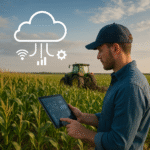
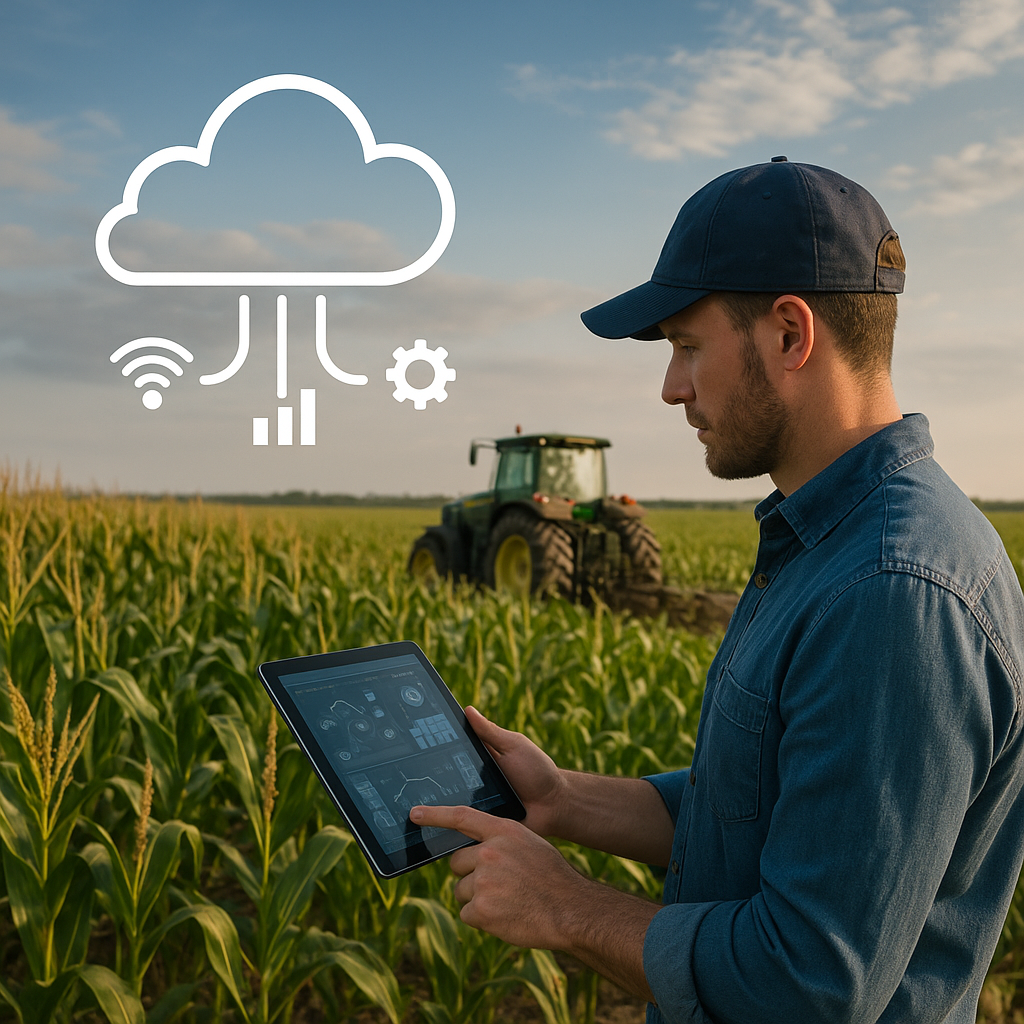
Internet of Things (IoT) devices deployed across fields stream data continuously to cloud platforms. High-performance servers process terabytes of information to generate actionable insights:
- Real-time soil analysis to determine exact irrigation needs
- Automated pest detection using image recognition
- Crop growth monitoring through time-lapse satellite imagery
These capabilities translate into reduced water usage, targeted fertilizer application, and minimized chemical inputs, boosting both yields and environmental stewardship.
Drone and Aerial Analytics
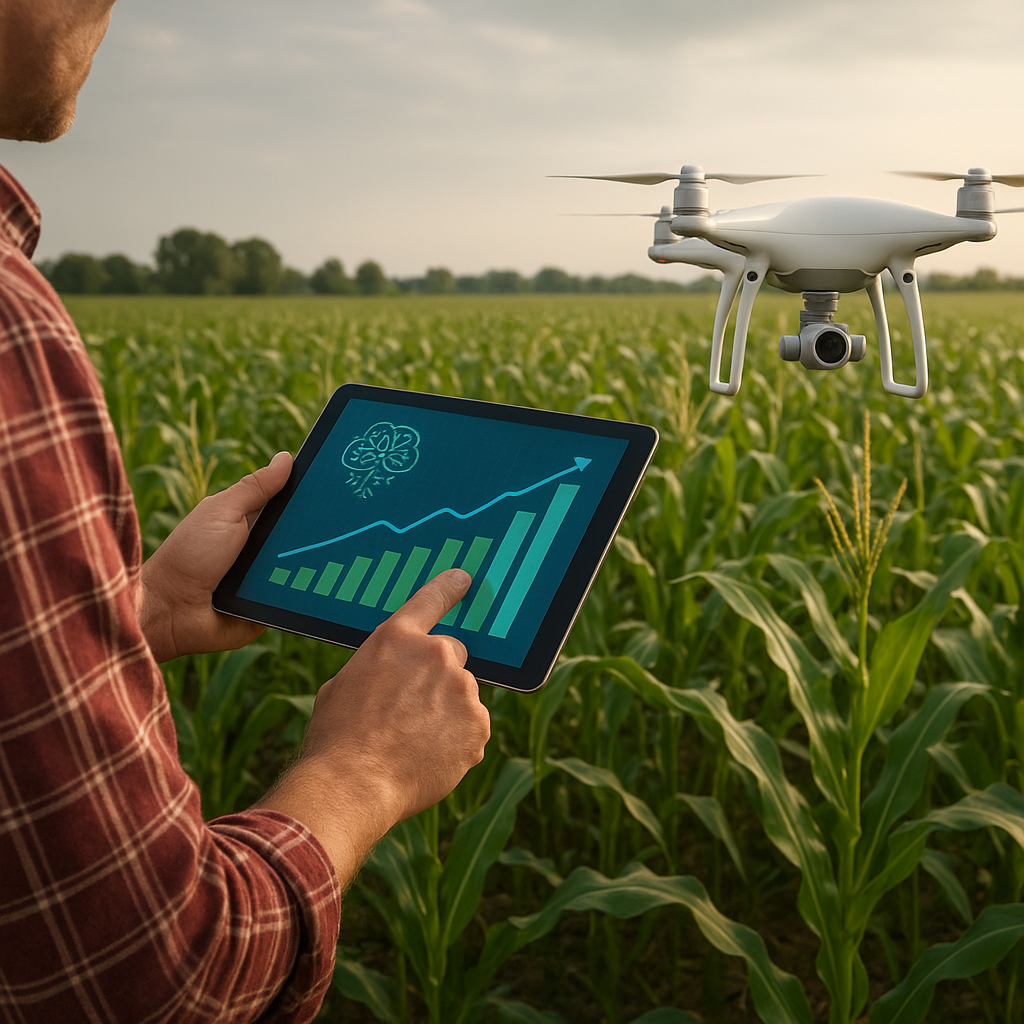
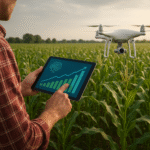
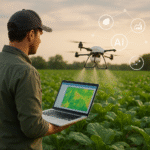
Drones equipped with multispectral and thermal cameras capture high-resolution aerial data. Once uploaded to the cloud, sophisticated algorithms analyze vegetation indices, detect stress patterns, and forecast yields. Farmers receive mobile alerts, enabling swift interventions that preserve crop health and minimize losses.
Data Analytics and Decision Support
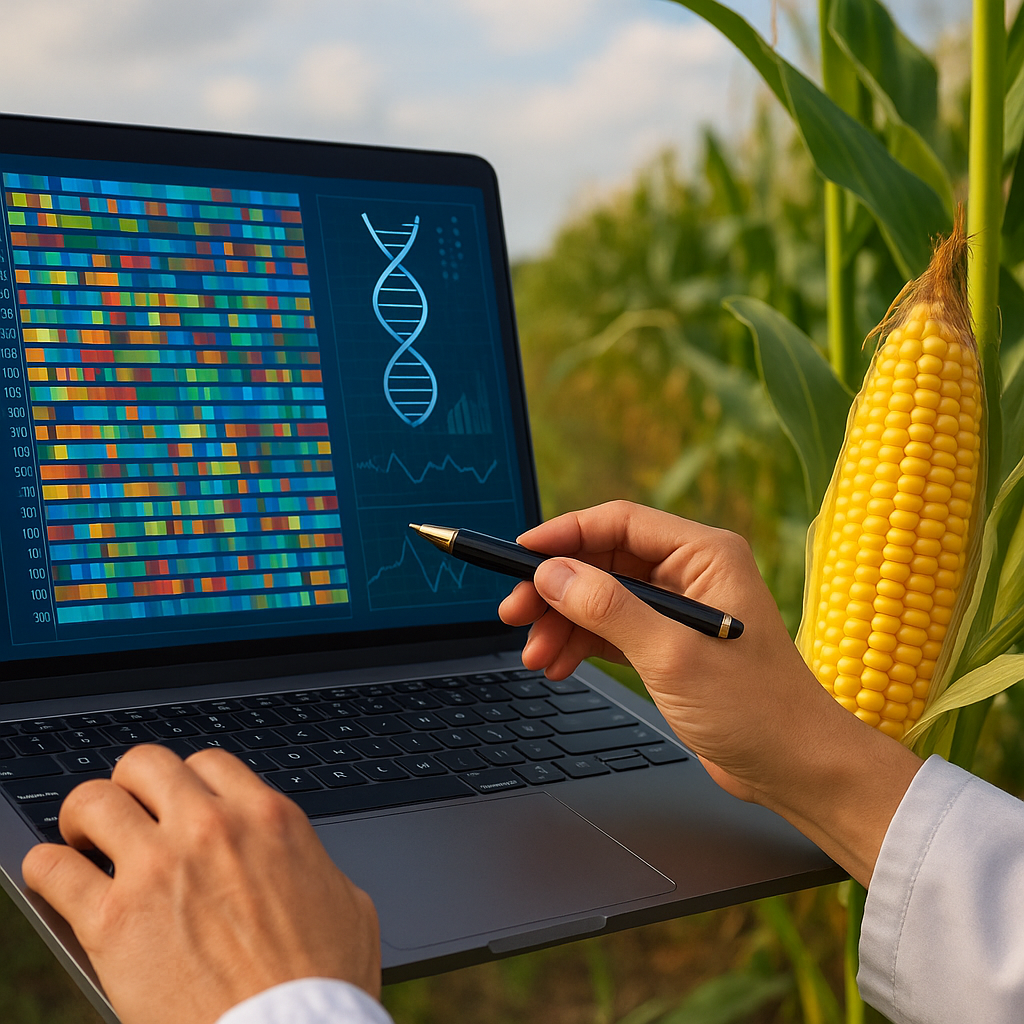
Cloud computing transforms raw agricultural data into predictive insights. Powerful analytics engines perform machine learning and AI-driven modeling at scale, offering farmers decision support systems that were once reserved for large enterprises.
Predictive Modeling for Crop Management
Using historical weather records, soil characteristics, and market prices, cloud-based platforms simulate growth scenarios. Predictive models help farmers choose optimal planting dates, crop varieties, and harvest windows to maximize returns.
- Yield forecasting with accuracy above 90%
- Risk assessment for drought, frost, and pest outbreaks
- Real-time price trend analysis to inform sales strategies
Supply Chain Transparency
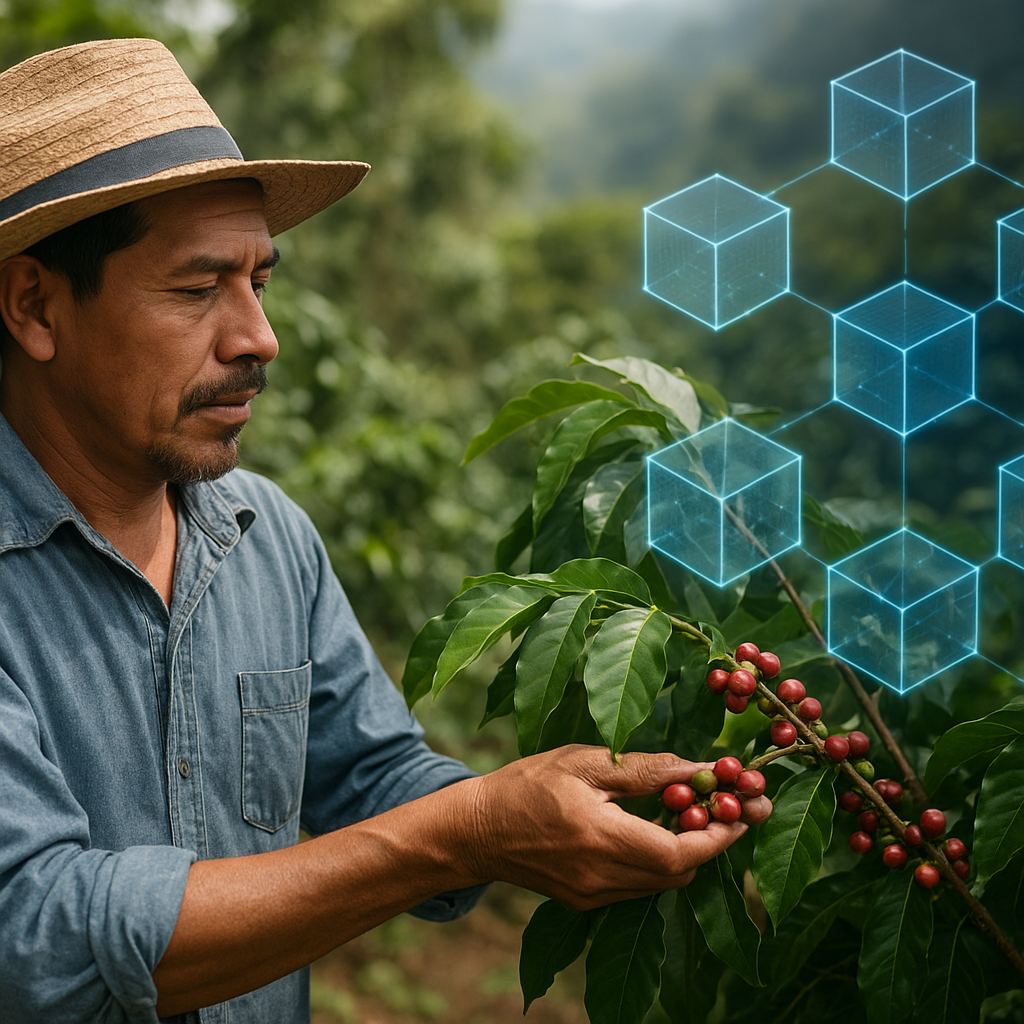
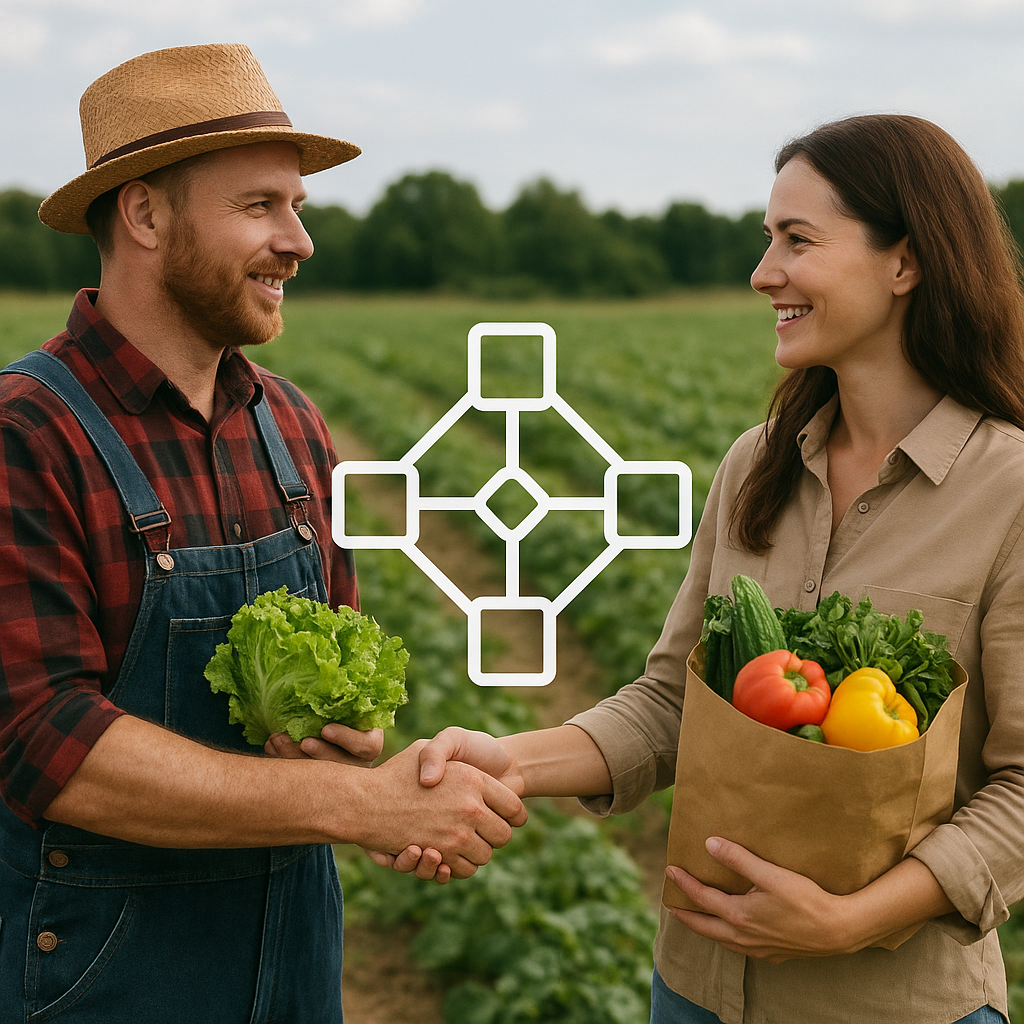
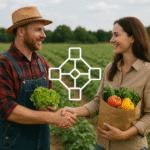
Blockchain services hosted in the cloud provide an immutable ledger for tracking produce from field to fork. This enhanced connectivity assures consumers about food origin and quality while streamlining logistics and reducing waste through improved traceability.
Scalability and Resource Optimization
One of the most compelling benefits of cloud computing is its scalability. Agricultural enterprises can adjust computing power and storage as data volumes fluctuate during planting and harvest seasons without investing in costly on-site infrastructure.
Cost-Effective Infrastructure
Pay-as-you-go models eliminate large capital expenses, allowing small and medium farms to access the same cutting-edge tools used by global agribusinesses. Cloud service providers offer dynamic resource allocation:
- Elastic server instances to process peak workloads
- Automated backups and disaster recovery to protect critical data
- Global content delivery networks for rapid data access
Collaboration and Knowledge Sharing
Cloud-based collaboration platforms connect agronomists, experts, and farmers across regions. Shared dashboards, interactive maps, and video consultations foster innovation and accelerate adoption of best practices. Collaborative research projects leverage pooled data sets to tackle challenges like soil degradation and climate change resilience.
Challenges and Future Trends
While the cloud unlocks numerous opportunities, the agricultural sector must address several challenges to fully leverage its potential.
- Data Privacy and Security: Ensuring farmer data is protected from unauthorized access requires robust encryption and compliance with regional regulations.
- Connectivity Gaps: Remote rural areas often suffer from limited internet access. Investments in satellite internet and 5G infrastructure are crucial to close this digital divide.
- Skill Development: Farmers and technicians need training to interpret data analytics and operate cloud-based tools effectively.
Looking ahead, emerging technologies such as edge computing, digital twins, and AI-native cloud services will further enhance agricultural resilience. Edge devices will process data locally for low-latency control of autonomous farm machinery, while digital twins will model farm ecosystems for continuous optimization. The convergence of these trends promises a future where automation and data-driven decision-making empower farmers to meet global food demand sustainably.