
Cloud computing has revolutionized numerous industries, and agriculture stands out as a domain experiencing rapid transformation. By leveraging advanced digital infrastructures, farming communities are shifting from isolated operations to highly interconnected ecosystems. This evolution fosters greater collaboration, optimized processes, and improved decision-making. Below, we explore how cloud platforms drive impressive advances in modern agriculture, from data sharing to sustainable resource management.
Cloud Platforms Driving Modern Farming Networks
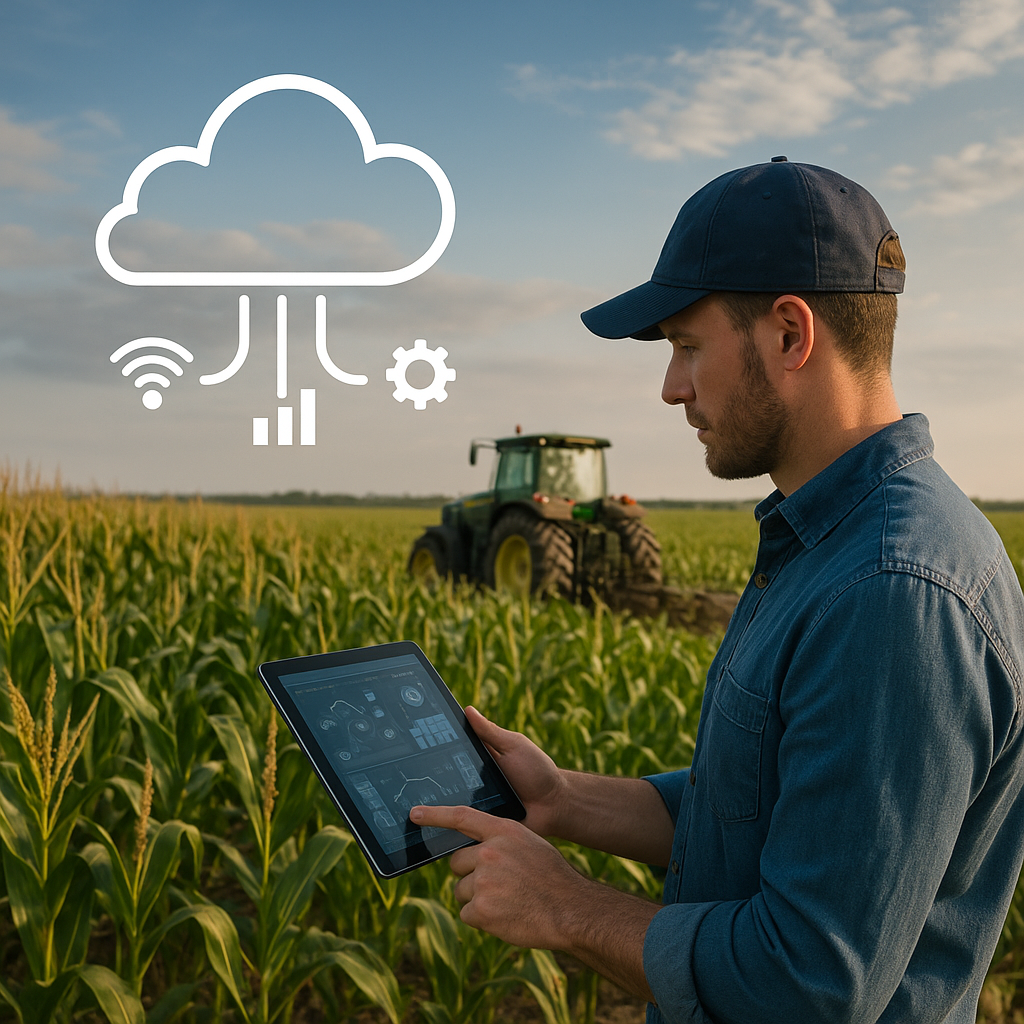
Enabling real-time data sharing
Traditional farms often rely on manual reporting and fragmented record keeping. Cloud platforms introduce a unified digital workspace where farmers, agronomists, and supply chain partners can access and update information simultaneously. Real-time dashboards display soil moisture, weather patterns, and equipment status without delay. This seamless connectivity reduces response times to emerging issues—such as pest outbreaks or irrigation failures—while ensuring that all stakeholders remain on the same page.
Integrating IoT devices
Internet of Things sensors distributed across fields collect soil pH, nutrient levels, and microclimate data around the clock. When these devices feed data into a cloud environment, powerful analytics engines transform raw readings into actionable insights. Dashboard alerts can recommend precise fertilization schedules or irrigation volumes, cutting down waste and elevating efficiency. Additionally, remote monitoring allows agribusiness managers to oversee multiple locations from a single portal, streamlining operations and lowering labor costs.
Key benefits of IoT–cloud integration
- Automated threshold alerts for critical parameters
- Predictive maintenance for farming equipment
- Secure, encrypted data transfers
- Scalability to accommodate expanding sensor networks
Big Data Analytics and Decision Support
Predictive modeling for crop yields
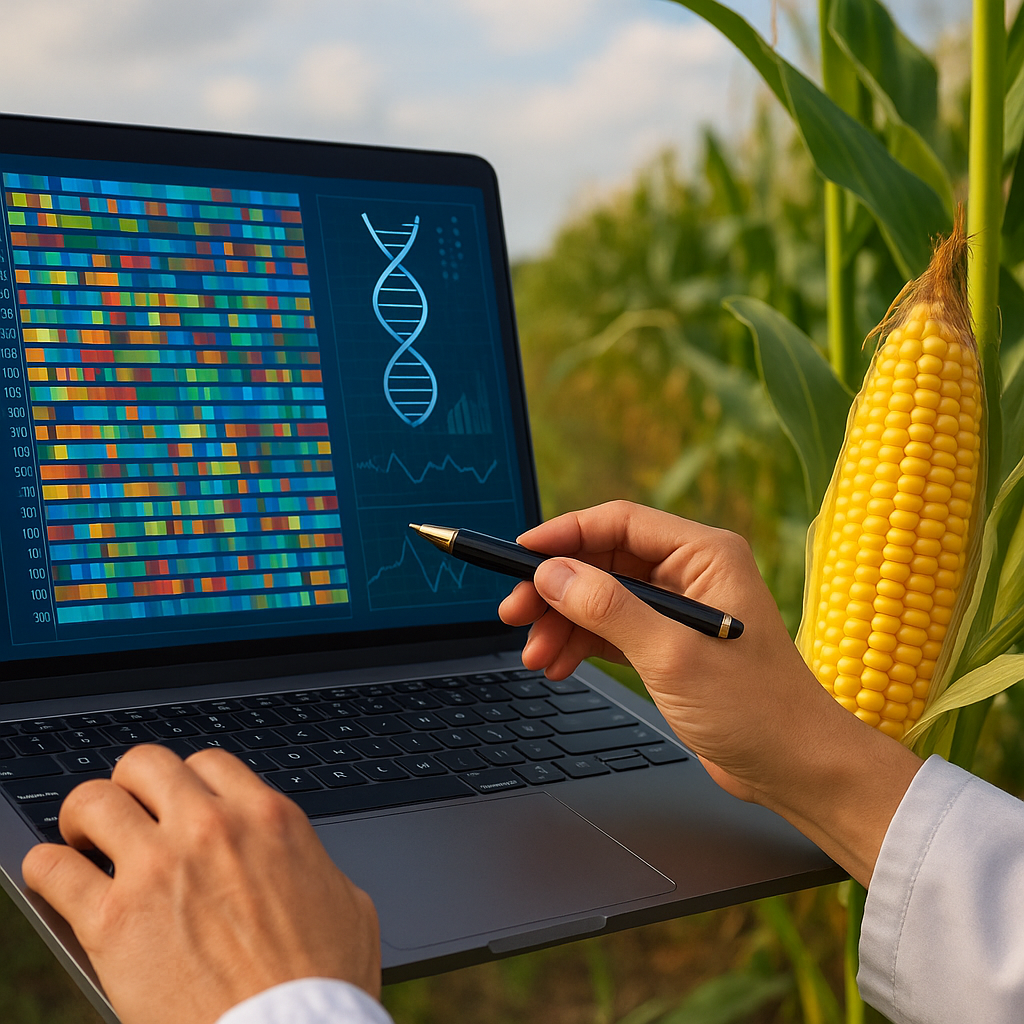
Cloud-based analytics harness historical yield figures, satellite imagery, and real-time sensor data to build robust predictive models. Machine learning algorithms identify patterns and correlations that human analysts might overlook. By forecasting outcomes under varying conditions, farmers can select optimal planting dates, seed varieties, and nutrient regimens. This data-driven guidance enhances productivity, enabling stakeholders to plan harvests and allocate resources more accurately.
Risk management through analytics
Weather volatility and market fluctuations pose significant threats to agricultural profitability. Advanced analytics in the cloud can simulate potential scenarios—droughts, price drops, or disease outbreaks—assigning probability scores to each. Insurance providers and farmers collaborate on risk mitigation strategies based on these insights. Cloud platforms facilitate continuous updates, so when a forecast changes, the system recalibrates recommendations instantaneously. Such dynamic resilience planning safeguards investments and stabilizes rural economies.
Analytics-driven risk tools
- Early warning systems for extreme weather events
- Automated market price trend analysis
- Customized insurance policy triggers
Sustainable Practices and Resource Management
Water optimization
Water scarcity demands innovative irrigation strategies. Cloud-enabled controllers adjust water delivery based on live soil moisture readings and evapotranspiration rates. These adjustments ensure that crops receive the precise volume they need, reducing overwatering and conserving precious supplies. Remote access to irrigation logs further supports compliance with environmental regulations and empowers farmers to document their sustainability achievements for certification programs.
Soil health monitoring
Long-term soil vitality is essential for sustained agricultural success. Cloud platforms integrate laboratory test results with field sensor data to map nutrient depletion and compaction zones. Through geo-referenced visualizations, land managers can apply targeted soil amendments only where necessary. This selective approach prevents excessive fertilizer use, curbs runoff, and fosters healthier microbial ecosystems. Ultimately, cloud-based soil management boosts crop quality while preserving the ecosystem for future generations.
Streamlined Supply Chain Coordination
Traceability from field to consumer
Consumers increasingly demand transparency about food origins and production methods. Cloud platforms enable traceability by logging each step: planting date, chemical inputs, harvest conditions, storage facilities, and distribution channels. Immutable data records support certifications such as organic or fair trade. Retailers access these logs to verify claims and assure customers of product integrity. This end-to-end visibility strengthens brand reputation and fosters trust in the marketplace.
Collaborative marketplaces
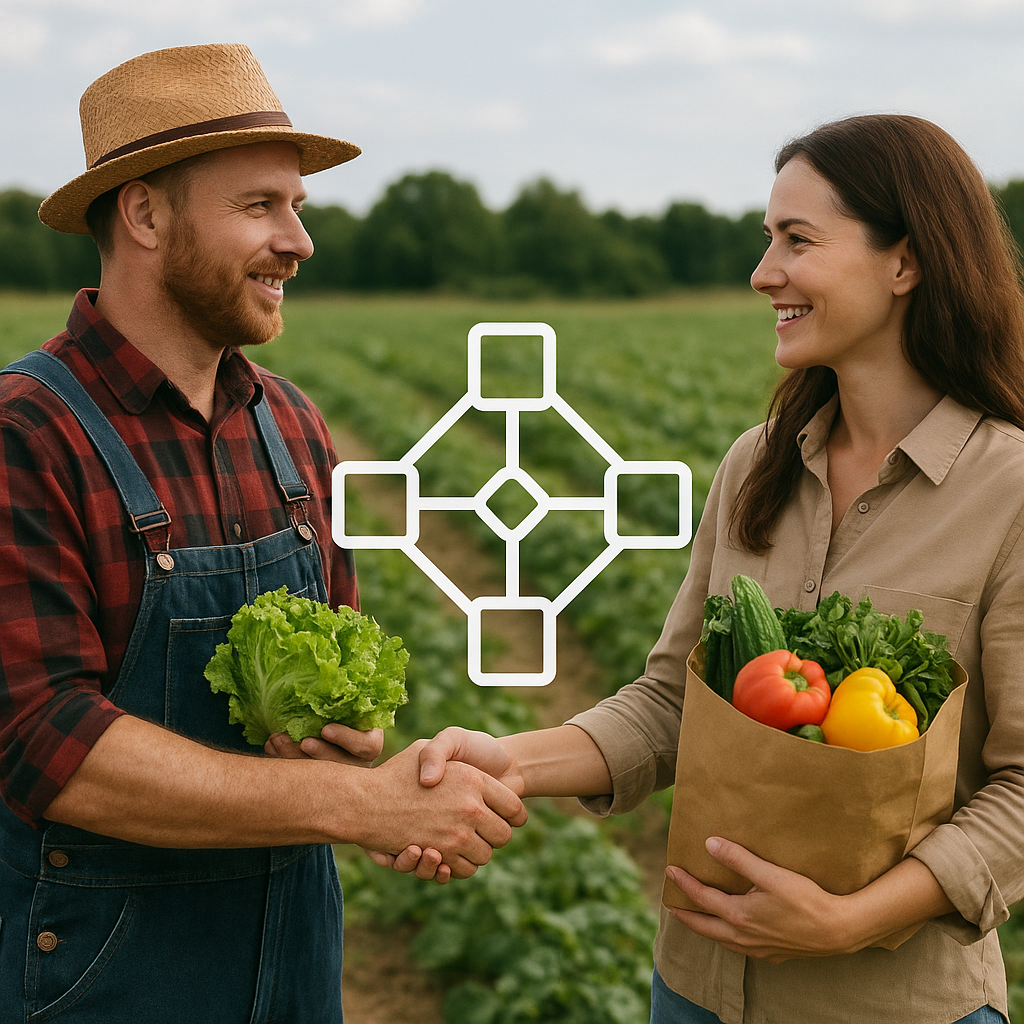
Digital aggregation platforms in the cloud connect smallholder farmers with buyers, processors, and logistics providers. By centralizing order management and payment processing, these marketplaces reduce transaction friction and expand access to new markets. Participants benefit from consolidated analytics on demand patterns, pricing trends, and quality metrics. This collaborative model empowers underrepresented producers to negotiate better terms and scale their operations sustainably.
Advanced Security and Compliance
Data protection protocols
As agriculture becomes increasingly digitized, cybersecurity emerges as a critical concern. Leading cloud providers implement multi-layered defenses—encryption at rest and in transit, access controls, and continuous threat monitoring. Farmers and agronomists can assign role-based permissions, ensuring only authorized personnel view sensitive data. Regular audits and compliance certifications guarantee adherence to industry standards, safeguarding both intellectual property and personal information.
Regulatory alignment
Global regulations on environmental impact, chemical usage, and worker safety require meticulous record keeping. Cloud platforms simplify compliance by automating data collection and generating reports tailored to specific jurisdictions. When audits occur, stakeholders retrieve comprehensive logs within seconds, reducing administrative overhead and minimizing penalties. This streamlined approach to governance supports scalable growth and cross-border collaborations.
Future Outlook for Cloud-Driven Agriculture
Edge computing integration
Combining local edge devices with cloud backends will reduce latency for critical applications like autonomous tractors and drone-based scouting. By processing time-sensitive data at the source and syncing summaries to the cloud, farms can achieve near-instantaneous control without sacrificing the advantages of centralized analytics. This hybrid model amplifies scalability and supports real-time decision loops in expansive operations.
Artificial intelligence at scale
As AI models grow more sophisticated, cloud platforms will offer turnkey services for advanced image recognition, natural language processing, and optimization engines. Farmers will leverage AI assistants to diagnose plant stress, identify diseases from photos, and even negotiate supply contracts. These intelligent tools will transform agriculture into a data-centric industry, driving continuous innovation and maximizing resource utilization.
Emerging capabilities to watch
- Autonomous robotics integrated with cloud-based task scheduling
- Blockchain platforms for immutable supply chain verification
- Augmented reality tools for remote field inspections