Modern landscapes around the globe are witnessing a remarkable transformation thanks to cutting-edge aerial technology. In the battle against deforestation and habitat loss, unmanned aerial vehicles have emerged as indispensable allies for environmental stewards. By leveraging sophisticated flight systems and intelligent payload delivery, the agricultural sector is rewriting the rules of large-scale restoration with unprecedented speed and accuracy.
Technological Advancements Driving Precision Reforestation
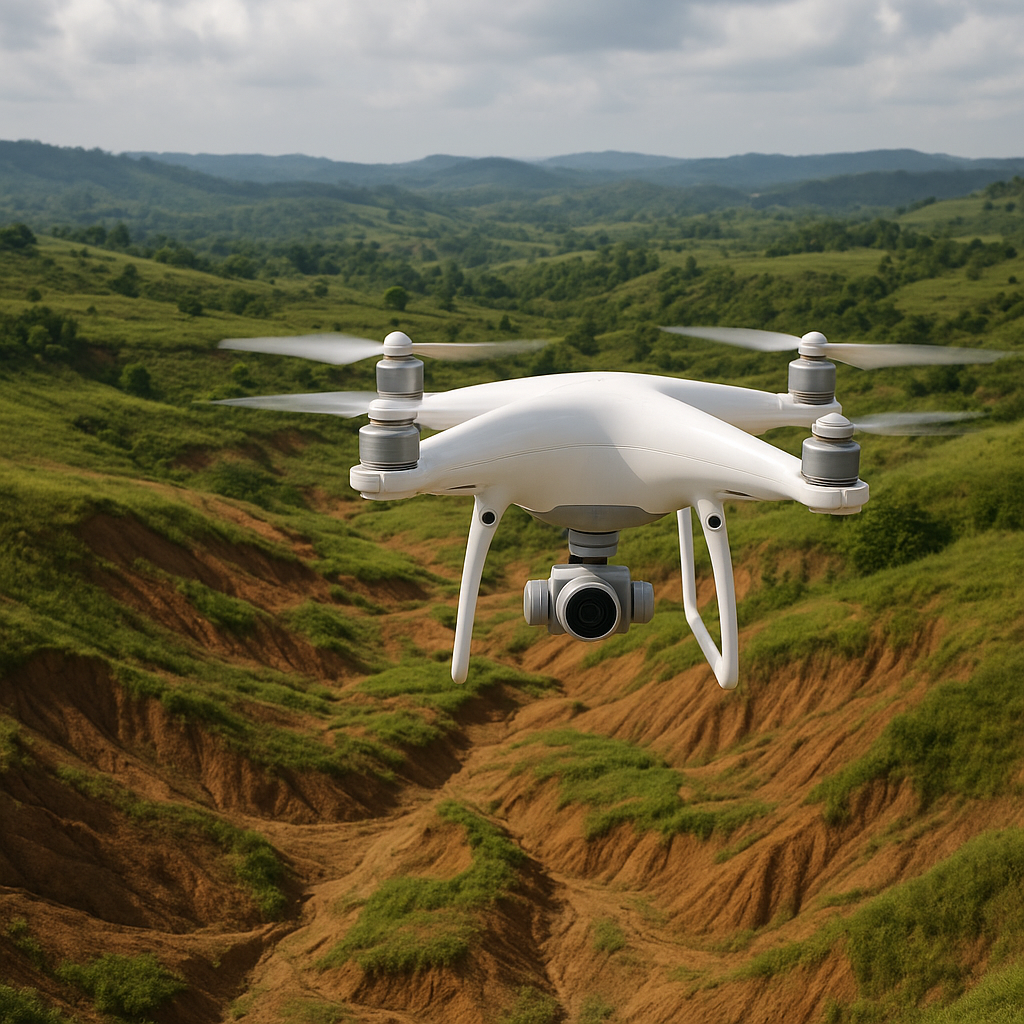
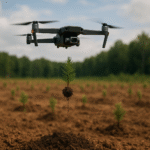
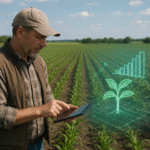
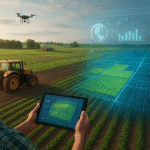
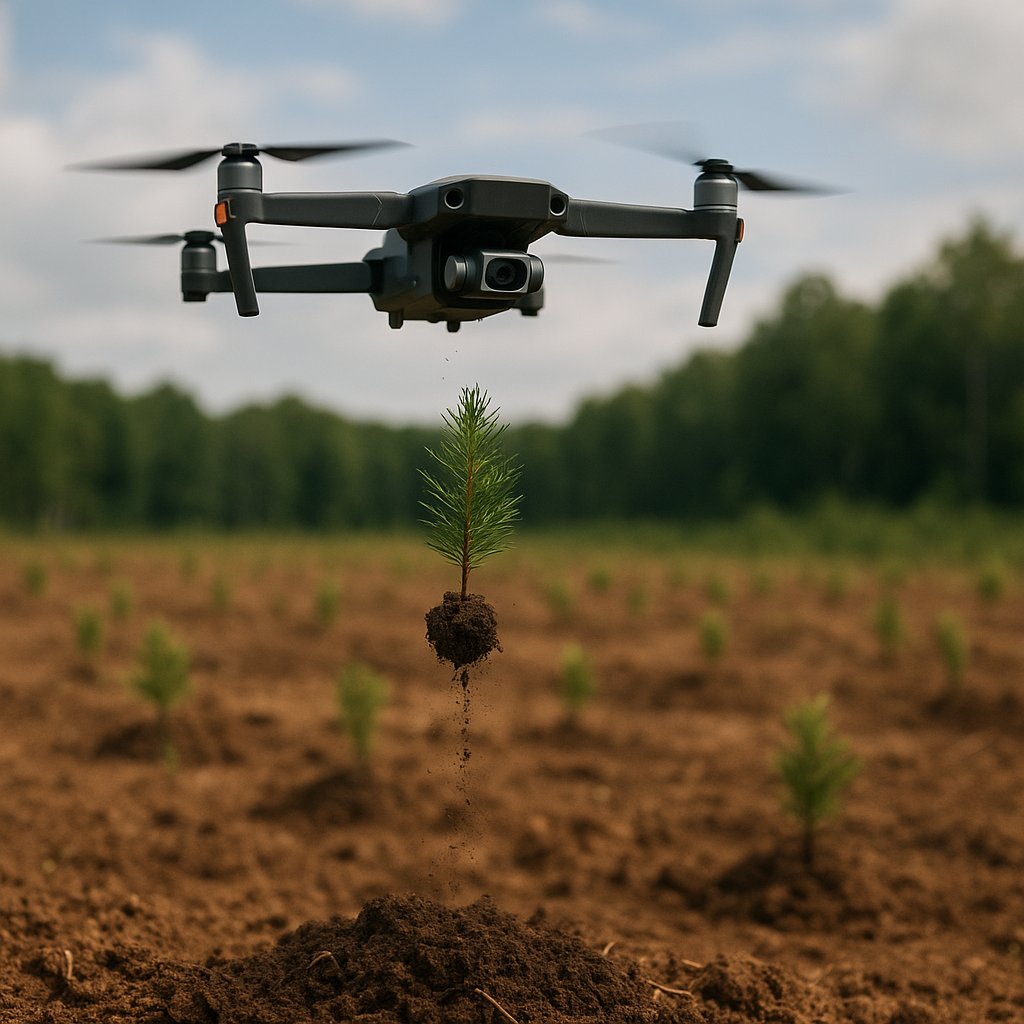
Recent years have seen rapid progress in drone capabilities, fusing high-resolution sensors with advanced algorithms to create detailed maps of degraded sites. These aerial platforms can perform multispectral imaging to assess soil quality, moisture levels, and existing vegetation health. Equipped with custom-designed seed dispensers, drones are now executing tree-planting missions at altitudes and velocities once deemed impossible.
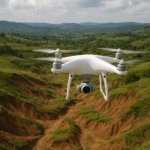
The integration of automation and machine learning allows drones to independently navigate challenging terrain. Utilizing real-time obstacle avoidance and GPS-based flight planning, these devices can optimize flight paths for maximum coverage. As a result, operators can achieve staggering planting densities while minimizing human risk and labor expenditure.
- Real-time aerial scouting for site suitability
- Adaptive flight routes based on topography
- Targeted seed distribution within precise coordinates
- Automated environmental data collection
Overcoming Traditional Barriers with Automation
Conventional reforestation methods are often labor-intensive, time-consuming, and cost-effective only at small scales. Manual planting crews face steep slopes, dense underbrush, and hostile weather conditions, all of which limit their daily output. Drone-based solutions offer a compelling alternative by dramatically accelerating each phase of the operation.
By replacing manual seed dispersal with aerial deployment, project managers can plant tens of thousands of seedlings per day. This shift not only reduces the physical toll on workers but also slashes logistical overhead. With fewer vehicles traversing remote roads, carbon emissions diminish, bolstering the project’s overall sustainability profile.
Key Benefits of Aerial Automation
- Rapid mobilization and site preparation
- Enhanced planting uniformity across large tracts
- Lower risk of human injury in rugged areas
- Scalability for projects ranging from community plots to national rewilding efforts
Case Studies: Successful Drone-powered Initiatives
A landmark trial in Indonesia demonstrated the impact of drone technology on tropical reforestation. In just 72 hours, a single drone team covered over 150 hectares, distributing seed pods formulated to resist local pests and retain moisture. Post-planting surveys showed a survival rate exceeding traditional methods by 40%, thanks to precision targeting near waterways and nutrient-rich microenvironments.
Meanwhile, a collaborative effort in the Brazilian Cerrado implemented adaptive seeding based on real-time sensor feedback. Drones scanned the landscape for regions of high erosion risk, adjusting seeding density accordingly to bolster soil stability. The result was a dramatic reduction in topsoil loss during heavy rains and a thriving canopy of native species by the end of the first growth cycle.
Lessons Learned
- Custom seed formulations must match local ecosystem requirements
- Continuous monitoring via drone surveys is critical for early intervention
- Community training programs ensure technology is adopted responsibly
- Cross-sector partnerships accelerate innovation and resource sharing
Future Prospects and Sustainable Integration
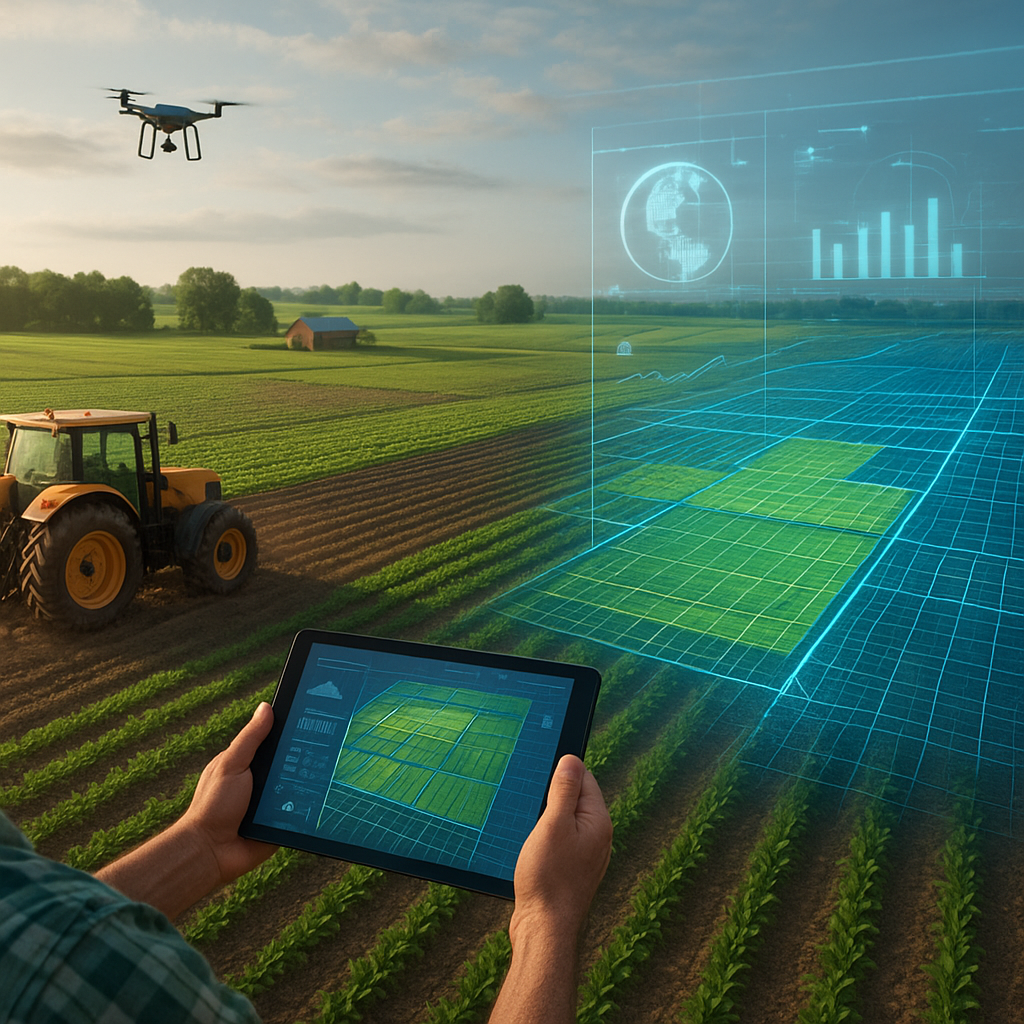
Looking ahead, drone fleets will become increasingly data-driven, harnessing AI to predict ideal planting windows based on weather forecasts and satellite imagery. Integrating Internet of Things (IoT) soil sensors with drone dispatch systems promises a closed-loop approach, where each planting mission dynamically adapts to field conditions.
Moreover, the rise of hybrid solar-electric drones will extend mission endurance while reducing the carbon footprint of aerial operations. As battery technology and lightweight materials continue to evolve, these aircraft will travel farther, carry heavier payloads, and operate in diverse climatic zones—from arid savannas to high-altitude mountains.
Ultimately, the synergy between UAVs and regenerative agriculture will redefine landscape management. By embedding restoration projects within broader land-use planning, stakeholders can foster biodiversity, enhance carbon sequestration, and support local economies. In this new era of precision environmental stewardship, drones are not just tools—they are catalysts for a greener, more resilient planet.