Farmers are increasingly turning to advanced technologies to revolutionize traditional practices and boost productivity. By integrating machine learning models with extensive field data, they tap into a new realm of precision and control. This article explores how modern agriculture harnesses cutting-edge methods to forecast yields, optimize resource use, and drive sustainable growth, all while maintaining profitability and resilience in the face of changing climate conditions.
Harnessing Sensor Data and Machine Learning
Transforming Fields into Data-Driven Ecosystems
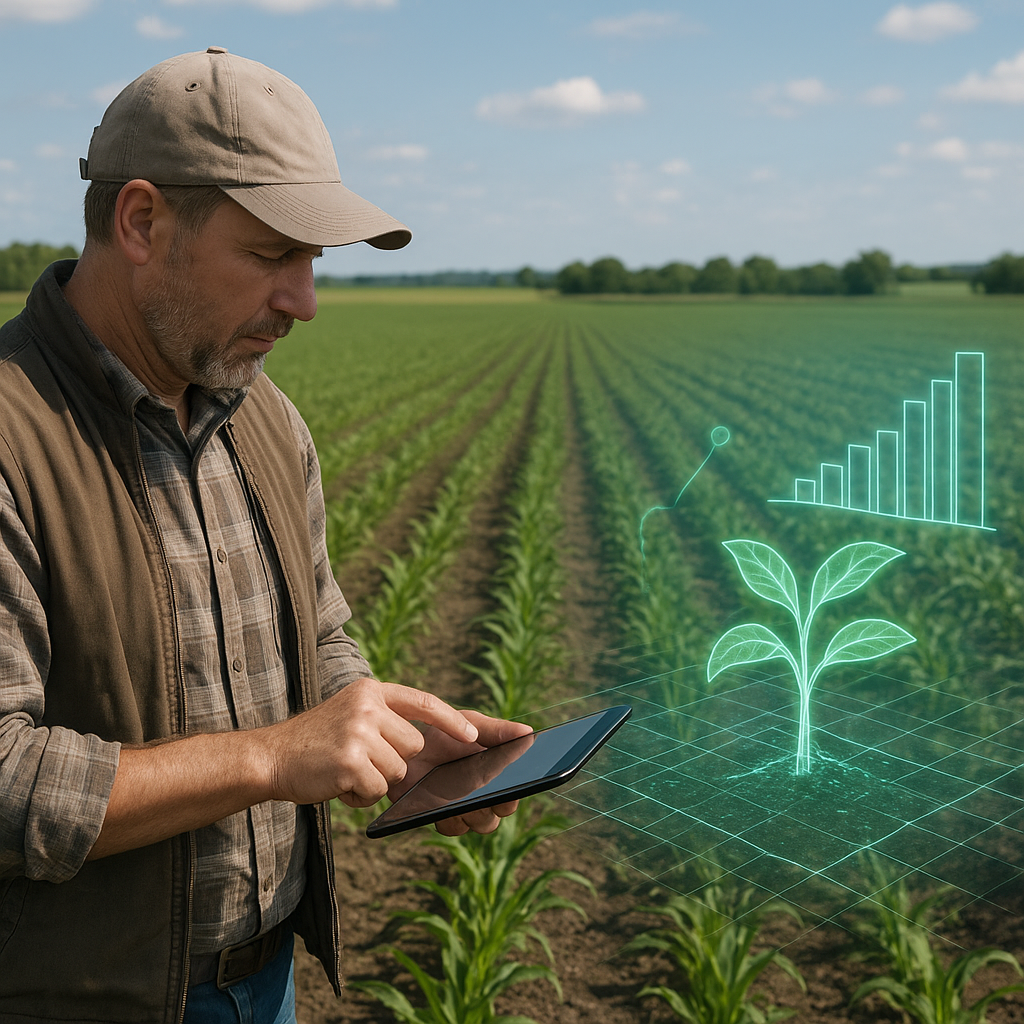
At the heart of impressive agriculture lies the integration of on-site sensors, drones, and satellite imagery to collect real-time information on soil moisture, temperature, and plant health. These technologies generate massive volumes of data that feed into algorithms designed to make sense of complex environmental patterns.
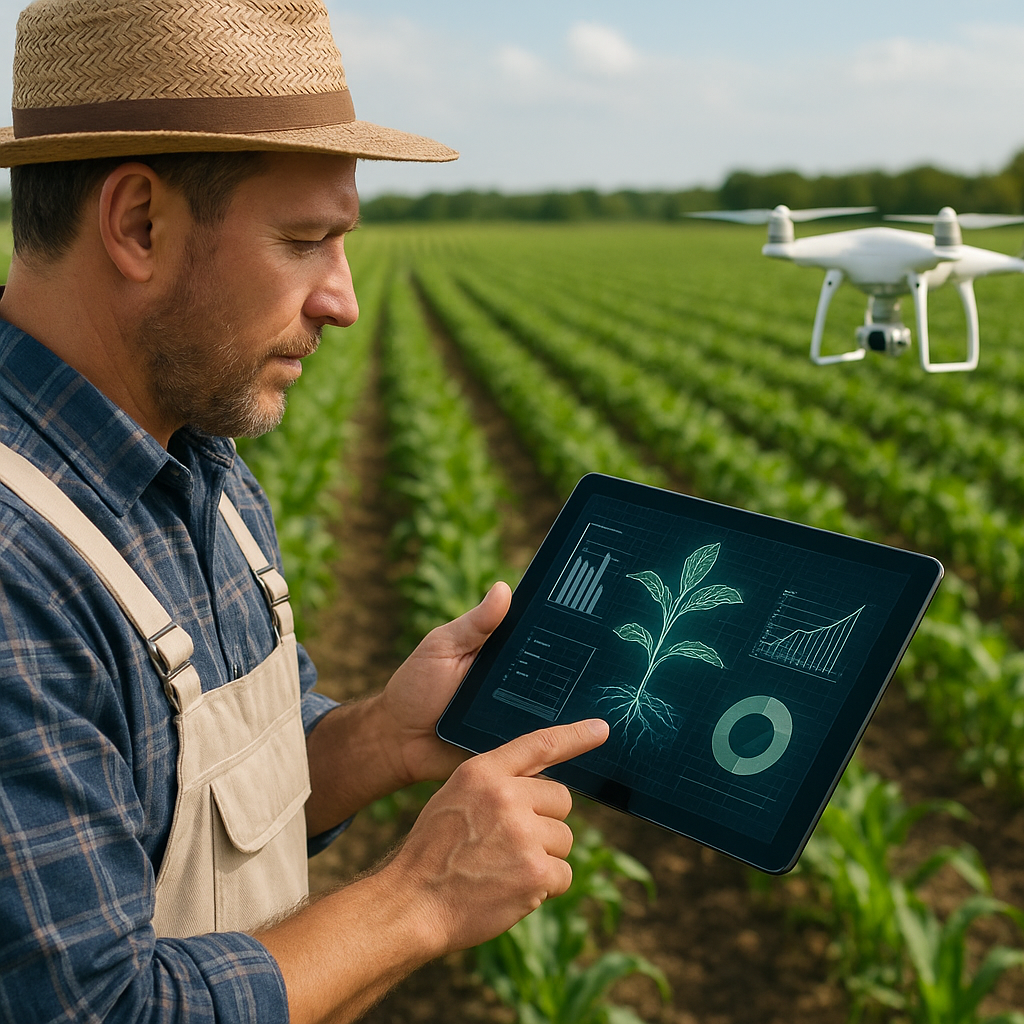
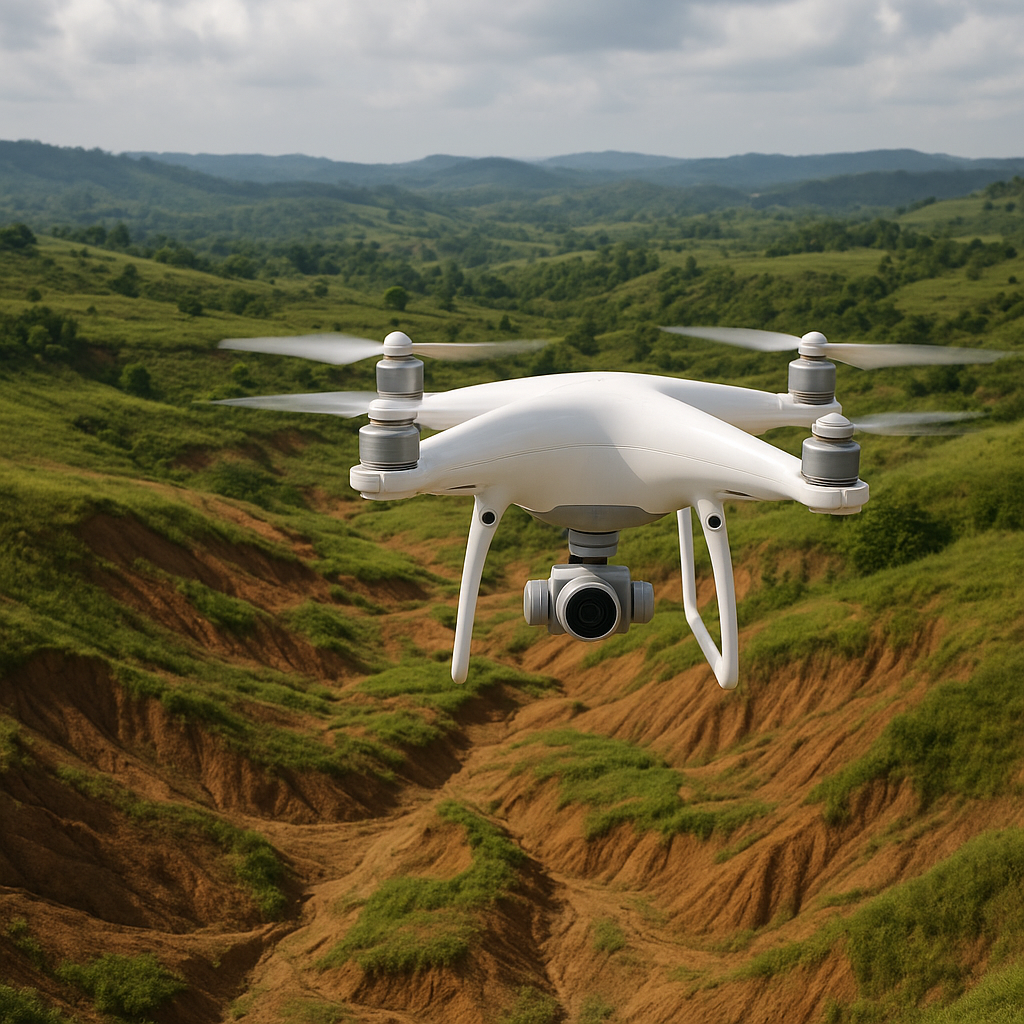
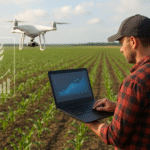
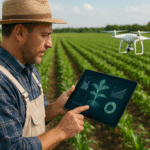
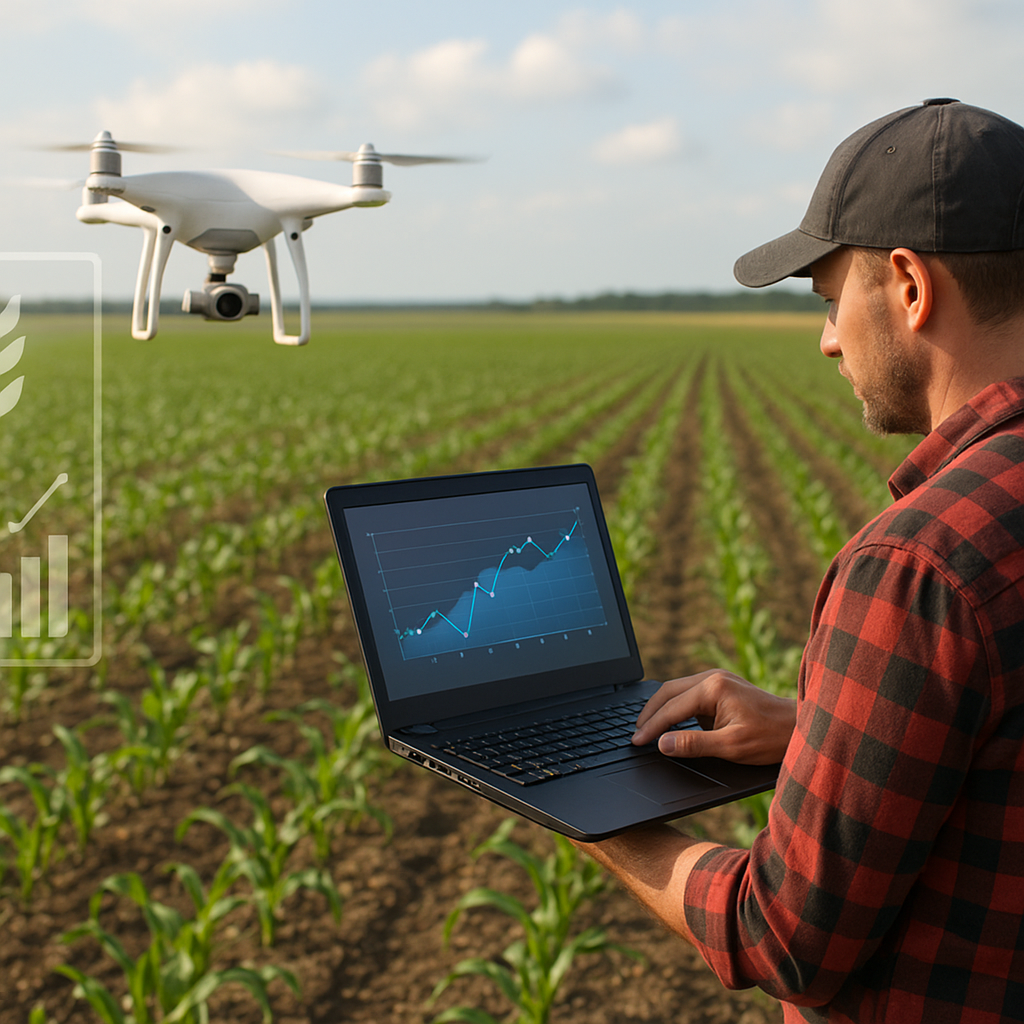
By deploying networks of in-field sensors, farmers gain continuous visibility into microclimate variations across their plots. Soil probes measure moisture tension at different depths, while multispectral cameras mounted on drones detect early signs of nutrient deficiency or pest infestations. This granular data is then preprocessed and labeled to train machine learning models, which learn to correlate specific readings with historical yields.
One key advantage of this approach is the ability to detect emerging issues long before they become visible to the naked eye. For instance, a slight drop in leaf chlorophyll detected by a drone’s infrared sensor can trigger a targeted fertilizer application, preventing nutrient stress and minimizing input waste. Such proactive measures not only support crop health but also reduce the environmental footprint of intensive farming operations.
To scale these technologies, farms often rely on cloud platforms that provide robust computational power for training deep learning networks. Once trained, these models can be deployed at the edge, running on low-power devices that analyze incoming sensor streams in near real time. The result is a constantly updating view of field conditions, enabling rapid decision-making and dynamic adjustments.
Key components:
- Real-time soil moisture and temperature monitoring
- Multispectral imaging for early-stress detection
- Cloud-based model training and edge inference
Predictive Analytics for Optimal Harvest Planning
Turning Historical Trends into Actionable Insights
Crop forecasting has traditionally relied on agronomists’ expertise and manual surveys. While expert knowledge remains invaluable, the advent of predictive analytics has introduced a more systematic and precision-driven approach. By analyzing years of yield records alongside weather data, soil tests, and planting schedules, machine learning models can forecast future output with remarkable accuracy.
These models employ ensemble techniques—such as random forests, gradient boosting, and neural networks—to capture nonlinear relationships among variables. For example, a gradient boosting model might reveal how an early-season drought impacts flowering time and final fruit set, enabling agronomists to anticipate yield dips and implement corrective strategies.
Forecasts are typically delivered as probability distributions rather than single-point estimates, reflecting the inherent uncertainty in agricultural systems. Farmers receive weekly or monthly reports indicating the likelihood of achieving various yield thresholds. This probabilistic framework supports robust risk management, allowing stakeholders to hedge against underperformance through forward contracts or crop insurance.
A practical example involves mapping predicted yields onto field zones. By overlaying forecast maps with GPS-guided equipment, planters and sprayers can adjust seeding density and nutrient applications on the fly. In high-potential zones, machinery increases planting rates to maximize output, while in riskier areas, it saves resources by reducing inputs. This zone-based management enhances overall profitability and sustainability.
Benefits of predictive analytics:
- Improved resource allocation and cost savings
- Smarter scheduling of planting and harvest operations
- Enhanced risk mitigation via probabilistic forecasts
- Integration with farm management software for seamless execution
Driving Sustainability, Efficiency, and Profitability
Balancing Economic and Environmental Goals
As global demand for food rises, agriculture must meet production targets while conserving natural resources. By fully embracing sustainability-focused practices, farmers can safeguard long-term soil health, water quality, and biodiversity. Machine learning plays a pivotal role in aligning yield goals with ecological stewardship.
One example is water-use optimization. In regions prone to drought, predictive irrigation scheduling models draw on weather forecasts and evapotranspiration data to recommend precise watering times and volumes. This reduces water waste, lowers energy costs, and minimizes salt buildup in the soil. Farmers benefit from reduced utility bills and improved crop resilience during dry spells.
Another application targets eco-friendly pest management. Machine learning classifiers analyze insect trap counts, weather forecasts, and historical outbreak patterns to predict pest pressure. When risk exceeds a predefined threshold, integrated pest management teams deploy targeted biological controls or selective pesticides, avoiding blanket applications that harm beneficial insects.
Large-scale farms are also experimenting with autonomous machinery. Self-driving tractors, powered by automation systems, execute tillage and planting tasks with centimeter-level accuracy. Coupled with real-time analytics, these vehicles adjust operations based on field conditions, reducing fuel consumption and soil compaction. Over time, reduced tractor passes contribute to healthier soil structure and increased carbon sequestration.
Driving profitability goes hand in hand with boosting efficiency. Yield forecasting enables precise budgeting, allowing agribusinesses to optimize labor scheduling, storage facility usage, and market timing. By anticipating peak yields, storage managers can allocate silo space effectively, preventing post-harvest spoilage and maximizing revenue from premium-quality produce.
Building Resilient Supply Chains
Leveraging Forecasts for Market Advantage
Accurate yields underpin stable supply chains and reduce price volatility. When farmers share forecasts with cooperatives and grain buyers, the entire value chain gains clarity on expected volumes. This transparency fosters early contract negotiations and smoother logistics planning.
Moreover, traceability systems integrated with yield data enhance consumer confidence. Retailers can link product origin to precise field metrics, showcasing sustainable practices and quality benchmarks. Such transparency adds market value, enabling farmers to secure premium prices for verified produce.
Collaboration platforms, powered by blockchain and IoT, further enhance coordination. Yield forecasts feed into decentralized ledgers, ensuring tamper-proof records of quantity, quality, and environmental practices. This fosters trust among buyers, certifiers, and end consumers, ultimately rewarding farmers who adopt innovative, data-driven methods.
Key supply chain advantages:
- Minimized logistical bottlenecks through early volume estimates
- Enhanced product traceability and consumer trust
- Premium pricing for sustainable, high-quality yields
- Streamlined contract and payment processes via smart agreements
Future Directions and Emerging Innovations
Charting the Next Frontier in Impressive Agriculture
The intersection of algorithm-driven insights and agronomic expertise continues to evolve rapidly. Researchers are exploring how deep learning can interpret hyperspectral imagery to diagnose physiological stresses beyond what multispectral sensors reveal. Others investigate how swarm robotics, working in coordinated fleets, can perform precise weeding and targeted pollination.
Advances in edge computing will further democratize access to advanced analytics. Compact AI accelerators installed on farm machinery will allow real-time model updates without constant cloud connectivity. This empowers remote operations and reduces data transmission costs.
Finally, the integration of socioeconomic data—such as labor availability, market trends, and policy incentives—will enrich forecasting models. By capturing human factors alongside environmental metrics, future systems can provide holistic guidance for sustainable rural development.
As these innovations take root, agriculture will become ever more predictive, efficient, and resilient. The synergy of technology and tradition promises to secure global food supplies while preserving the planet for generations to come. The journey has only begun, and the fields of tomorrow will be shaped by a blend of human ingenuity and artificial intelligence.