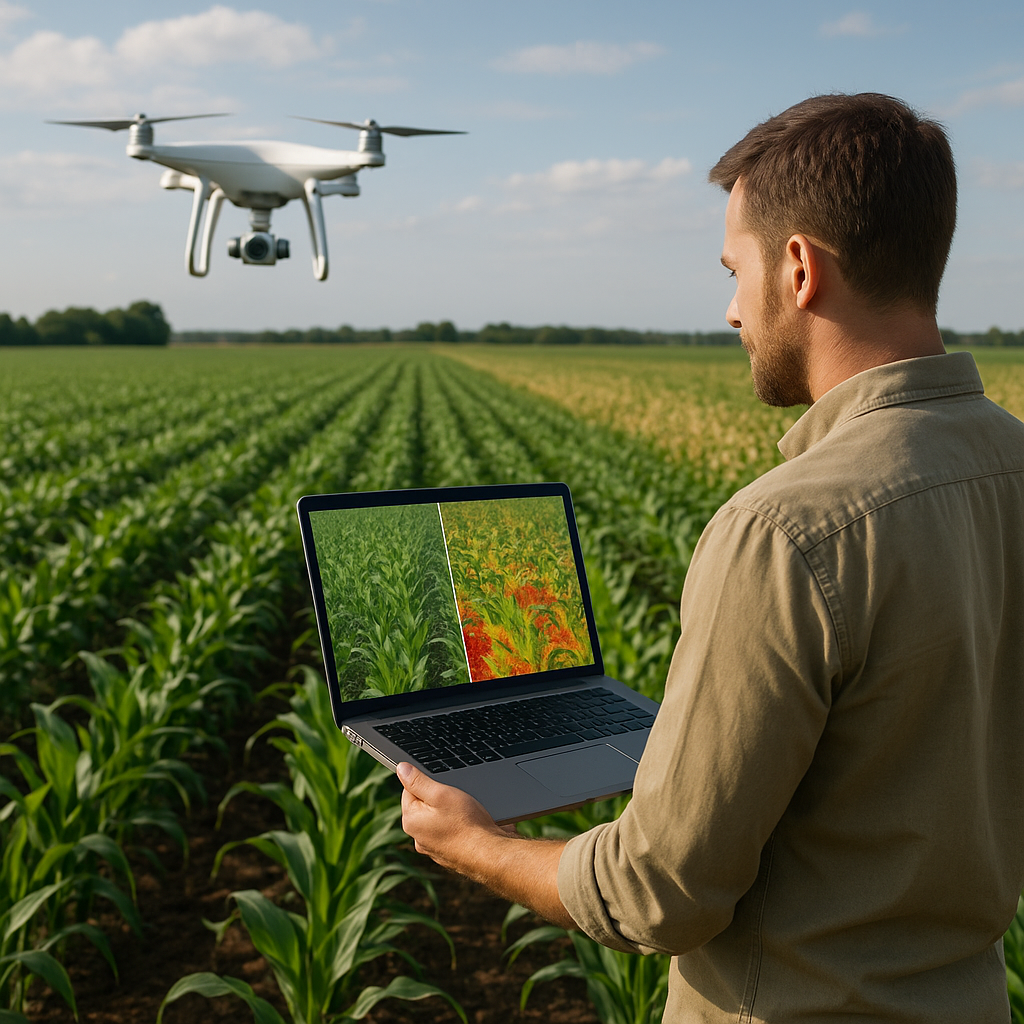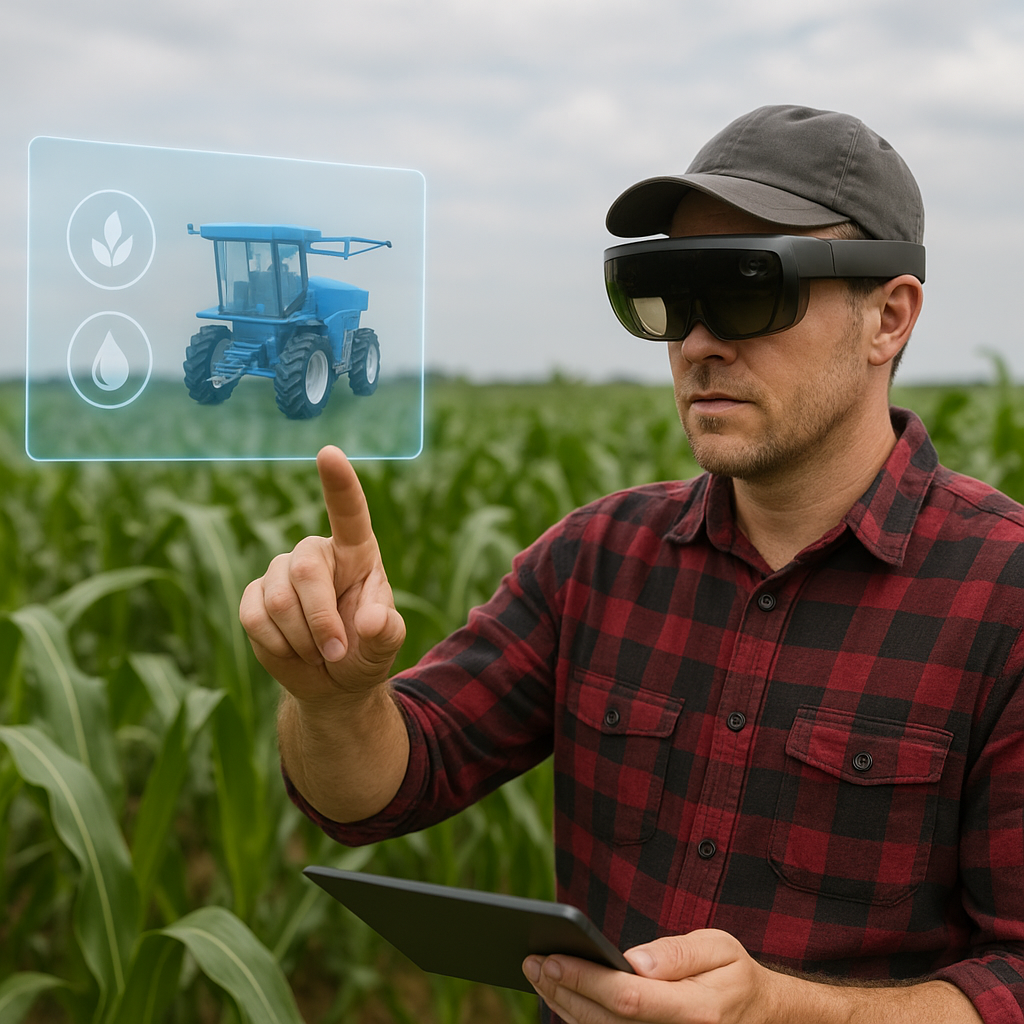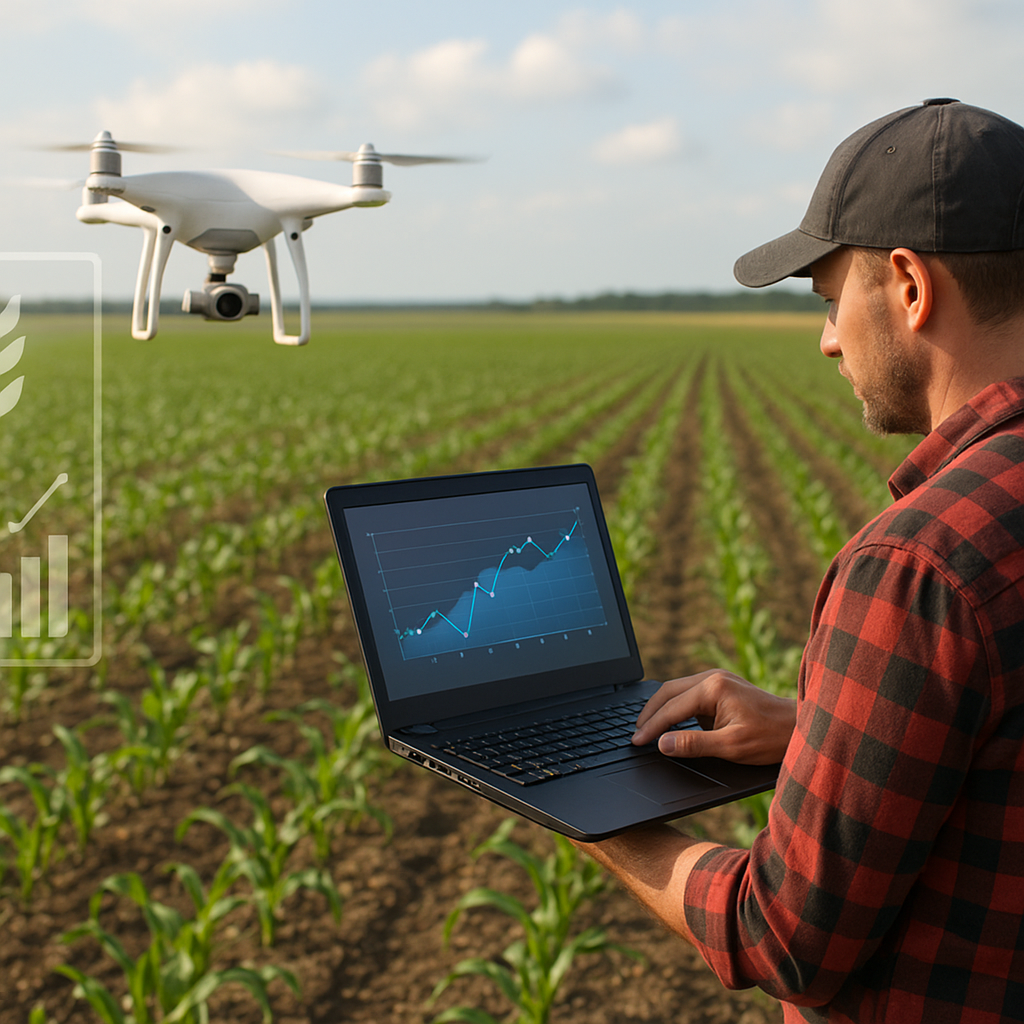
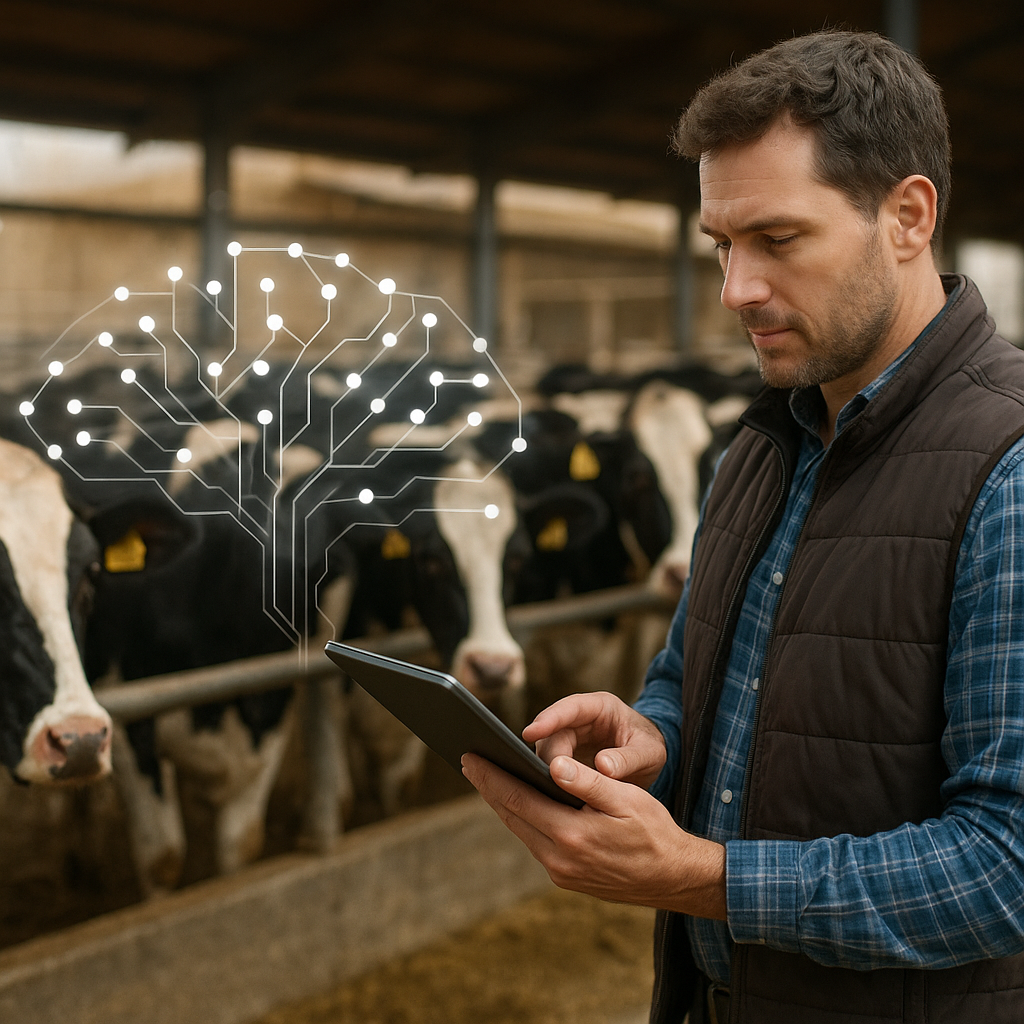
In the realm of modern agriculture, **machine learning** has emerged as a transformative force, reshaping the traditional practices of livestock breeding. By harnessing complex datasets and powerful computational models, researchers and farmers can achieve unprecedented gains in productivity, animal welfare, and genetic progress. The integration of **artificial intelligence** into breeding programs not only accelerates selection cycles but also reduces costs and environmental impact. This article delves into several key areas where advanced analytics enhance livestock improvement strategies, illustrating a new era of **precision agriculture**.
Data Acquisition and Management
High-quality decision-making begins with comprehensive data collection. In livestock breeding, data originates from diverse sources: on-farm sensors, genomic sequencing, veterinary records, and environmental monitors. Efficient data pipelines rely on robust **big data** frameworks to handle massive volumes of information, ensuring that the most relevant traits are recorded accurately and consistently.
Key innovations in this arena include:
- Sensor Networks: Wearable devices and automated feeders track individual performance, feeding behavior, and activity levels. These real-time metrics feed into predictive models, enabling early detection of stress or illness.
- Genomic Sequencing: Rapid, cost-effective sequencing technologies generate detailed genetic profiles. Coupled with machine learning, these profiles guide selection for desirable traits like disease resistance, meat quality, and reproductive efficiency.
- Cloud-based Data Lakes: Centralized repositories aggregate heterogeneous data types—phenotypic records, environmental variables, and management logs. Advanced query engines allow breeders to retrieve insights on demand and overlay historical trends with current observations.
Predictive Genetic Selection
Traditional breeding relies on pedigree records and observable performance. However, **genomic selection** powered by machine learning algorithms significantly enhances the accuracy of estimated breeding values (EBVs). By integrating genome-wide markers with phenotypic data, breeders can forecast an animal’s genetic potential years before maturity.
Algorithmic Efficiency
Contemporary tools employ ensemble methods, support vector machines, and deep neural networks to unravel complex genotype–phenotype relationships. These models digest thousands of Single Nucleotide Polymorphisms (SNPs) and identify subtle interactions that classical quantitative genetics might overlook.
Advantages of Predictive Analytics
- Accelerated Generational Turnover: Early identification of elite breeding candidates shortens the interval between generations, speeding overall genetic progress.
- Reduced Inbreeding: Algorithmic analyses reveal cryptic relatedness, allowing breeders to plan matings that maintain genetic diversity and avoid deleterious recessive conditions.
- Cost Reduction: Investment in high-value stock becomes more targeted, reducing expenses associated with raising underperforming animals.
Precision Nutrition and Health Monitoring
Feeding and health are essential pillars in livestock management. Machine learning models calibrate nutritional plans tailored to the unique requirements of each animal, optimizing feed conversion ratios and minimizing waste. Simultaneously, advanced monitoring systems detect early signs of disease, stress, or lameness, offering timely interventions that improve overall welfare and productivity.
Customized Feeding Regimens
By analyzing growth curves, metabolic parameters, and environmental factors, predictive models recommend balanced rations that meet macro- and micronutrient demands. This targeted approach reduces the risk of overfeeding or underfeeding, leading to more uniform growth and healthier herds.
Health Surveillance Systems
- Early Disease Detection: Computer vision and thermal imaging spot anomalies in gait or body temperature, signaling conditions like mastitis or fever before clinical symptoms appear.
- Behavioral Analytics: Accelerometers and proximity sensors record rest patterns, social interactions, and feeding times. Deviations from normal behavior trigger alerts, prompting veterinary examination.
- Automated Decision Support: Integrated dashboards synthesize data streams into actionable insights, guiding farm managers in real time to adjust housing conditions, vaccination schedules, or treatment protocols.
Integration with Emerging Technologies
Machine learning does not act in isolation. It thrives at the nexus of complementary innovations such as robotics, Internet of Things (IoT), and **bioinformatics**. The synergy among these domains yields smarter, more autonomous systems that elevate the efficiency of livestock operations.
- Robotic Milking Stations: Embedded ML models optimize milking frequency and volume based on individual yield patterns and udder health indicators.
- Smart Barn Layouts: IoT-enabled climate control systems adjust ventilation, lighting, and feeding conditions to match animal comfort zones informed by real-time analytics.
- Blockchain Traceability: Immutable ledgers ensure transparency in genetic lineage, feed sources, and welfare standards, reinforcing consumer trust and meeting stringent certification requirements.
Challenges and Future Directions
Despite impressive advances, several hurdles remain. Data privacy, algorithmic bias, and the need for interdisciplinary expertise can impede adoption. Addressing these challenges demands collaborative frameworks that involve breeders, data scientists, ethicists, and policymakers.
- Scalability: Translating pilot projects into large-scale deployments requires infrastructure investments and robust support systems.
- Interpretability: Explaining complex model outputs in intuitive terms is crucial for farmer confidence and regulatory compliance.
- Continuous Learning: Adaptive algorithms must evolve alongside shifting environmental conditions, emerging pathogens, and new genetic discoveries.
As research deepens and technology costs decline, **predictive analytics** will become increasingly democratized, empowering both large commercial operations and smallholder farmers. This democratization promises to enhance global food security, animal welfare, and sustainability, setting a new benchmark in livestock breeding.