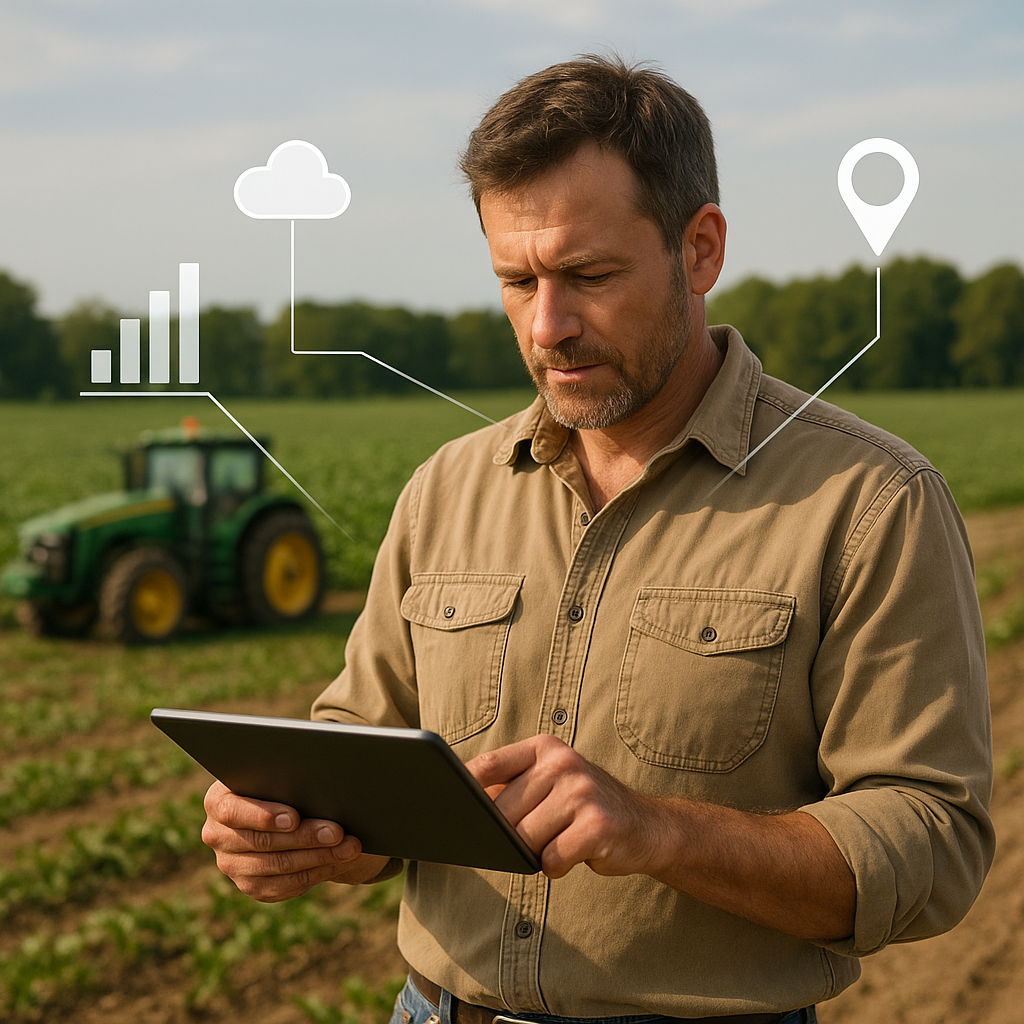
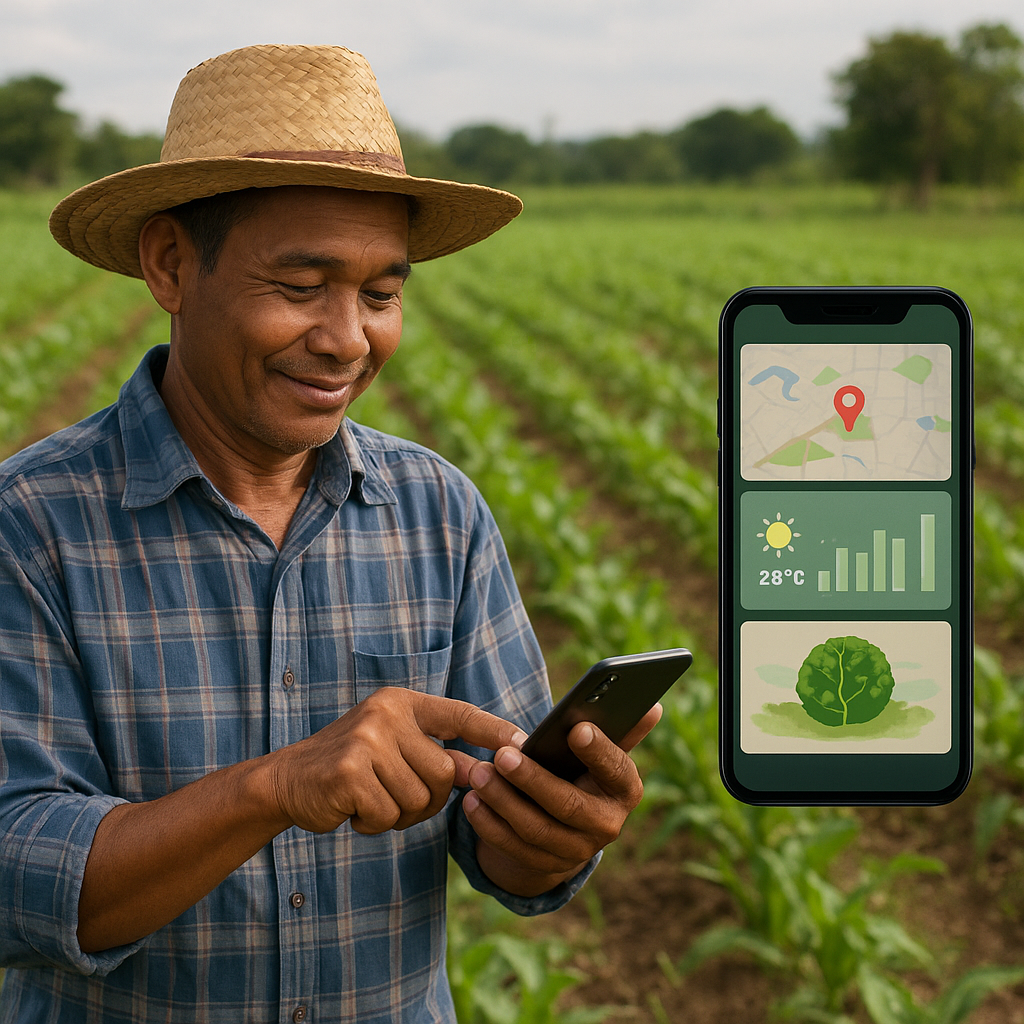
The rapid integration of smartphones into rural communities has sparked a transformation in the way smallholder farmers cultivate land, manage resources, and access markets. As mobile applications become more sophisticated, they offer tailored solutions that address the unique needs of agricultural producers working on limited acreage. By harnessing digital tools, these farmers can overcome traditional barriers and fully engage with modern practices that boost productivity and promote long-term growth.
Driving Adoption of Agri-Tech Solutions
Mobile platforms designed for agriculture are enabling farmers to tap into a wealth of knowledge previously unavailable at their fingertips. With features such as soil analysis, pest identification, and crop management calendars, these applications accelerate learning curves and reduce reliance on intermittent extension services. Key factors underpinning this uptake include:
- Affordability of entry-level smartphones combined with low-cost data plans
- Intuitive interfaces that require minimal digital literacy
- Localized content in native languages and dialects
- Voice-based instructions for non-literate users
By lowering barriers to entry, these apps foster greater connectivity between farmers and the latest agronomic advice. They also enable peer-to-peer communication, where communities share successes, failures, and best practices through built-in social features. The result is an accelerating cycle of improvement in field techniques, fertilizer application, and water management.
Empowering Data-Driven Decisions
One of the most striking advantages of mobile solutions is their ability to generate actionable insights from real-time data. From weather alerts to market price fluctuations, apps consolidate critical information that supports informed decision-making. This section delves into two core capabilities:
Precision Farming on a Small Scale
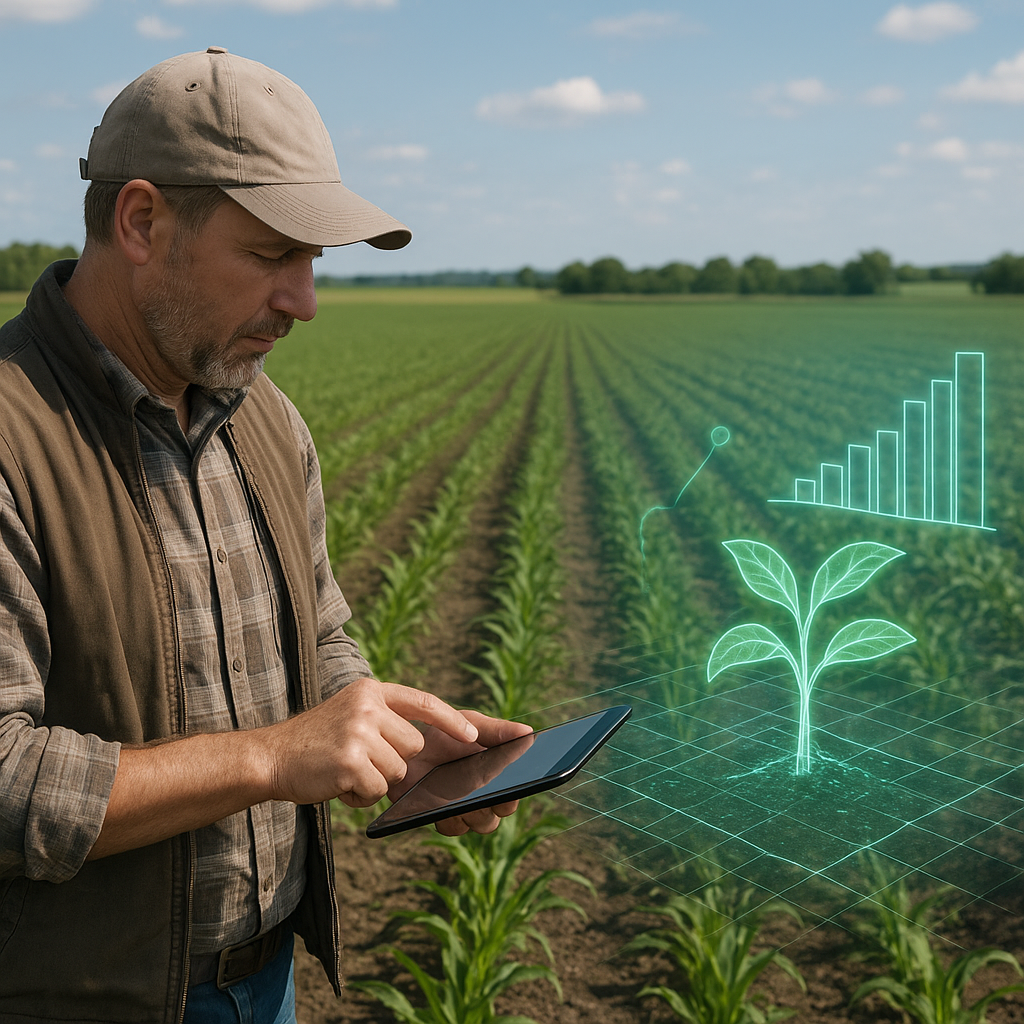
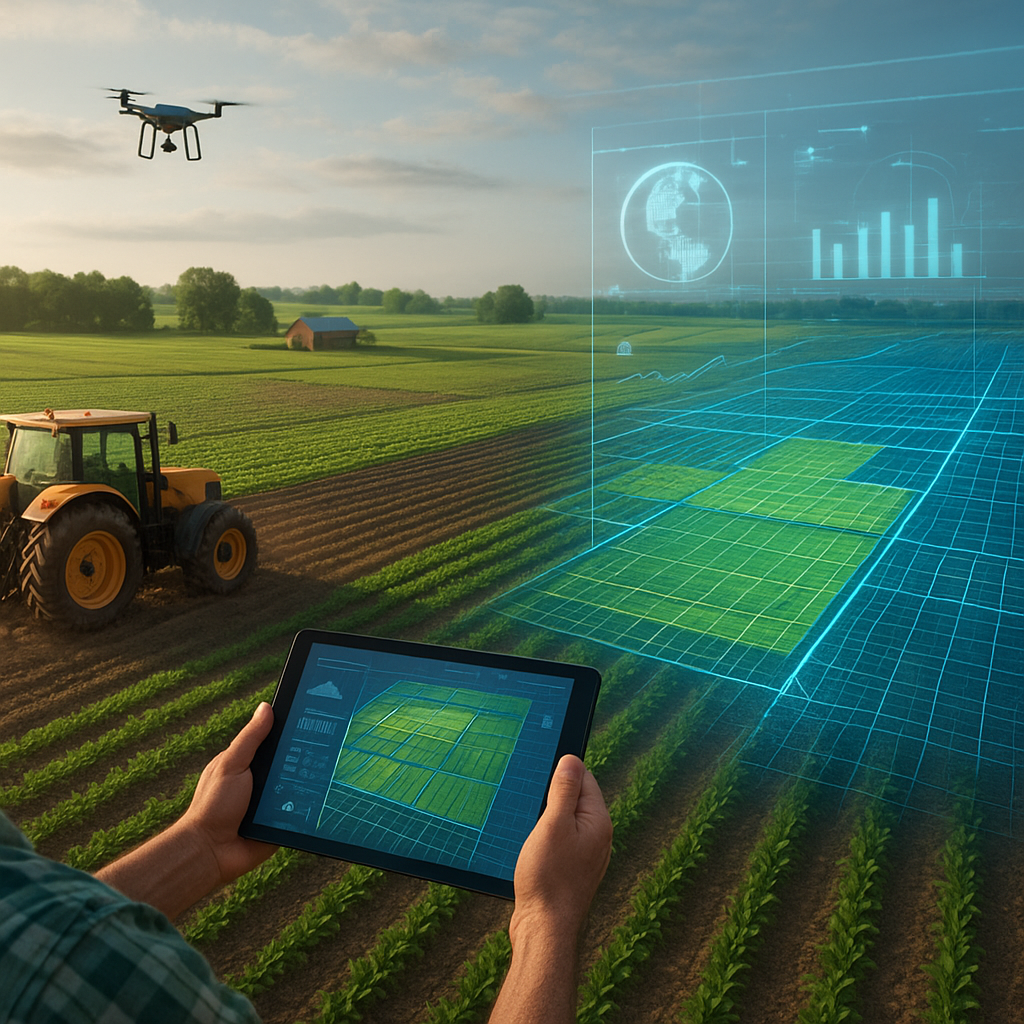
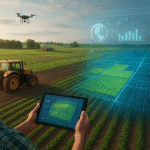
Precision farming is no longer confined to large estates with specialized equipment. Mobile sensors and geolocation services now allow smallholder plots to benefit from tailored recommendations:
- GPS-enabled seed placement maps for optimal spacing
- Soil moisture sensors that trigger irrigation reminders
- Leaf-scanning features that detect early signs of nutrient deficiency
These tools improve overall efficiency by ensuring resources are deployed exactly where they are needed, reducing waste and boosting yield potential.
Advanced Forecasting and Analytics
Access to hyperlocal weather predictions and pest outbreak warnings helps farmers plan interventions and limit crop damage. With predictive models powered by machine learning, apps can:
- Forecast rainfall patterns to guide planting schedules
- Predict pest migration trends and suggest targeted treatments
- Analyze historical yield data for better crop rotation
Using these features, small-scale growers can mitigate risks and adapt to changing climate conditions, reinforcing their resilience against unpredictable environmental shifts.
Expanding Market Access and Financial Inclusion
Connecting farmers directly to buyers and financial institutions is a game changer for rural economies. Mobile apps serve as virtual marketplaces, offering transparent pricing and streamlined logistics. Benefits include:
- Real-time commodity pricing from regional hubs
- Digital wallets and peer-to-peer payment options
- Microloans based on transaction history and app activity
- Access to crop insurance products with simplified claims
By reducing dependence on middlemen, these platforms help farmers capture a larger share of the final sale price. The infusion of digital financial services also encourages entrepreneurial ventures, enabling smallholders to invest in quality seeds, equipment, and post-harvest facilities.
Fostering Sustainability and Resource Management
Sustainable agriculture is at the heart of long-term food security. Mobile apps support eco-friendly practices by guiding proper input usage and promoting conservation techniques. Features may include:
- Integrated carbon footprint calculators for individual farms
- Recommendations for organic pest control methods
- Interactive water budgeting tools to prevent over-irrigation
- Community-driven platforms for seed saving and exchange
These innovations drive both economic and environmental sustainability, ensuring that future generations of smallholder farmers inherit fertile land and thriving ecosystems.
Challenges and Pathways to Broader Impact
Despite the promising potential of mobile agriculture, several obstacles must be addressed to achieve universal adoption:
- Limited network coverage in remote rural areas
- Lack of tailored content for diverse agro-ecological zones
- Inadequate training on digital literacy and app maintenance
- Data privacy concerns surrounding personal and farm records
Stakeholders across the public and private sectors must collaborate to overcome these hurdles. Investments in rural broadband infrastructure, capacity-building initiatives, and robust data governance frameworks will be crucial. Encouragingly, partnerships between technology providers, NGOs, and local governments are already yielding pilot programs that demonstrate scalable success.
Driving Innovation for Next-Generation Farming
The future of smallholder agriculture lies in continuous innovation and the seamless integration of emerging technologies. Potential developments include:
- Blockchain-enabled supply chains for full traceability
- Internet of Things (IoT) networks linking multiple farm sensors
- AI-powered virtual agronomists providing on-demand counsel
- Augmented reality tutorials for hands-on training in the field
Such breakthroughs will further enhance productivity and open new avenues for rural prosperity. By empowering farmers with digital tools tailored to their daily challenges, mobile applications reaffirm their role as catalysts of agricultural transformation and economic upliftment.