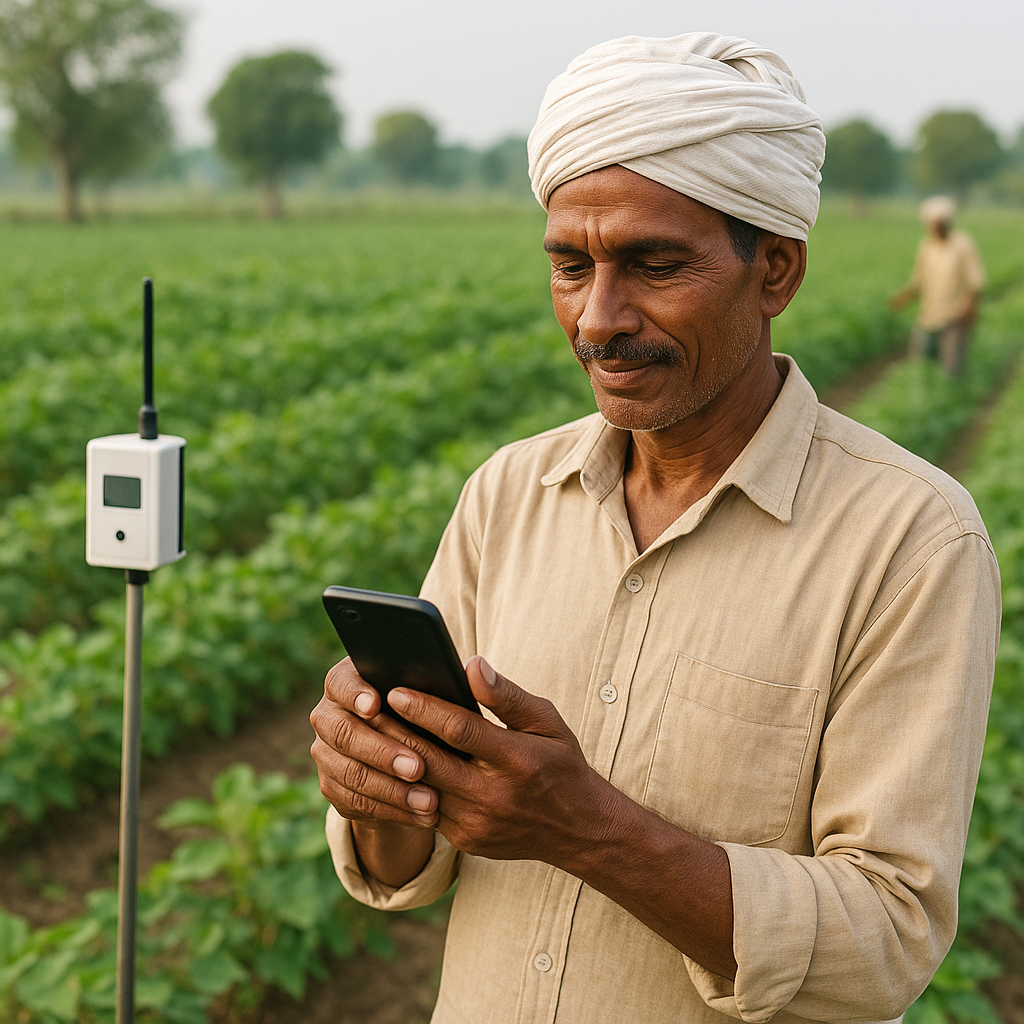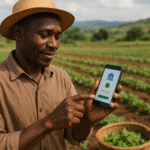
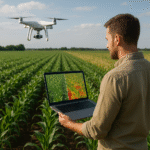
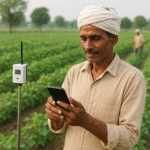
The rapid integration of **mobile** technology into rural economies is transforming the landscape of agriculture in developing regions. By harnessing the power of smartphones and basic feature phones alike, farmers can now access a suite of financial services without needing to travel long distances to physical banks. This evolution is turning traditional practices into a new era of connectivity and efficiency.
Expanding Financial Inclusion through Mobile Platforms
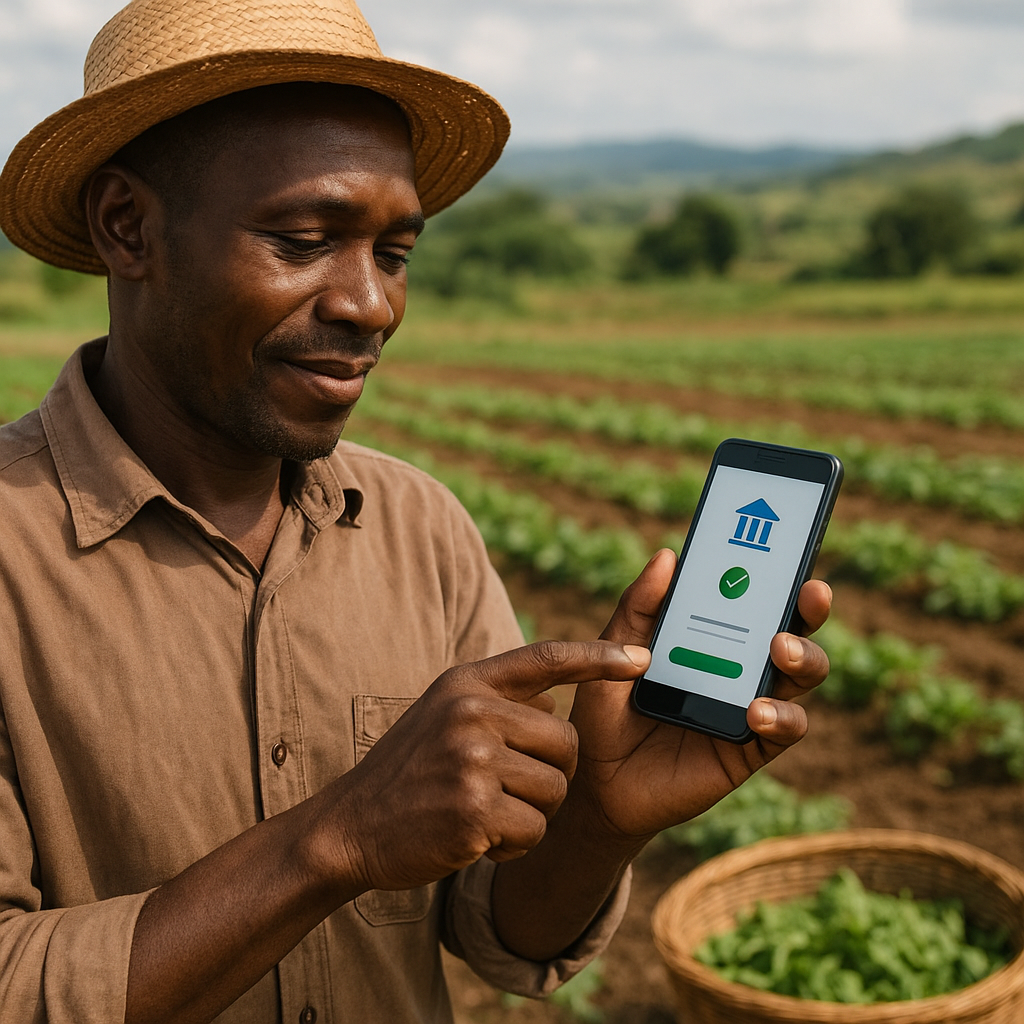
Mobile banking is at the forefront of breaking down barriers to financial services for smallholder farmers. In many remote areas, brick-and-mortar banks are scarce or nonexistent. Through simple SMS or smartphone apps, farmers can:
- Open and manage accounts remotely, eliminating travel time and reducing transaction costs.
- Receive remittances and payments from off-farm labor or crop sales instantly, rather than waiting for cash deliveries.
- Store value securely in digital wallets, mitigating risks of theft or physical damage to cash holdings.
- Enroll in micro-savings programs with automated deposits timed to harvest seasons.
- Access mobile-based insurance products that pay out quickly in the event of crop failure or livestock illness.
Such services are underpinned by mobile network operators partnering with fintech startups, creating an ecosystem where financial transactions are seamless and secure. Farmers no longer need to rely on informal credit circles with unpredictable interest rates; instead, they can secure microloans with transparent terms, often disbursed in minutes.
Optimizing Market Access and Digital Transactions
Beyond simply storing and transferring money, mobile banking drives greater transparency in commodity markets. Price fluctuations are broadcast via SMS price alerts, empowering producers to make informed decisions about when and where to sell. Key benefits include:
- Real-time market data that reduces exploitation by middlemen.
- Digital invoicing and e-receipts that protect farmers from fraudulent buyers.
- Bulk payment platforms enabling cooperatives to pool produce and negotiate better rates.
- Integration with e-commerce marketplaces, so high-value crops can reach urban consumers directly.
Smartphone apps now support QR-code scanning for traceability, linking each batch of produce to its origin. This feature appeals to international buyers seeking ethically sourced goods. It also fosters **collaboration** among farmers’ groups, as they share best practices and bulk transport logistics, driving economies of scale previously unattainable.
Strengthening Agricultural Resilience and Sustainability
Mobile banking intersecting with agri-tech innovations is raising the bar for what’s possible in sustainable farming. When farmers can easily access credit through their phones, they invest in:
- Precision fertilizer application guided by soil-test results delivered via mobile dashboards.
- High-quality seeds and drought-resistant crop varieties financed through low-interest digital loans.
- IoT-enabled irrigation kits purchasable in installments, improving water-use efficiency.
- Mobile-based weather insurance protecting incomes from climate-related shocks.
In effect, mobile banking fosters a culture of data-driven decision-making. By linking financial records to yield outcomes, farmers build digital credit histories that unlock larger loans over time. This cycle of investment and productivity enhances farm-level resilience and contributes to broader food security goals.
Fostering Innovation and Future Growth
The synergy of **innovation** in mobile finance and agriculture technology heralds promising opportunities. Fintech companies are experimenting with blockchain for immutable transaction records, while agronomists deliver crop advisory services through chatbots and voice assistants in local dialects. Key developments on the horizon include:
- Integration of mobile payments with solar-powered cold-chain solutions to reduce post-harvest losses.
- Gamified savings and lending schemes that incentivize sustainable practices like agroforestry.
- Peer-to-peer lending networks where farmers can support each other’s ventures, reinforcing community bonds.
- AI-driven credit scoring using alternative data streams such as mobile airtime usage and agronomic inputs.
As these innovations mature, the ability for farmers to seamlessly pivot between financial services and agronomic support platforms will vastly enhance agricultural productivity. The groundwork laid by early mobile banking initiatives promises a future where rural communities thrive through integrated, holistic solutions that champion both profit and environmental stewardship.