
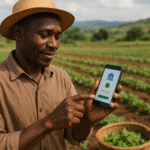
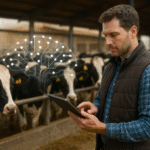
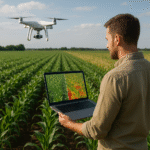
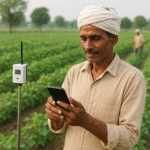
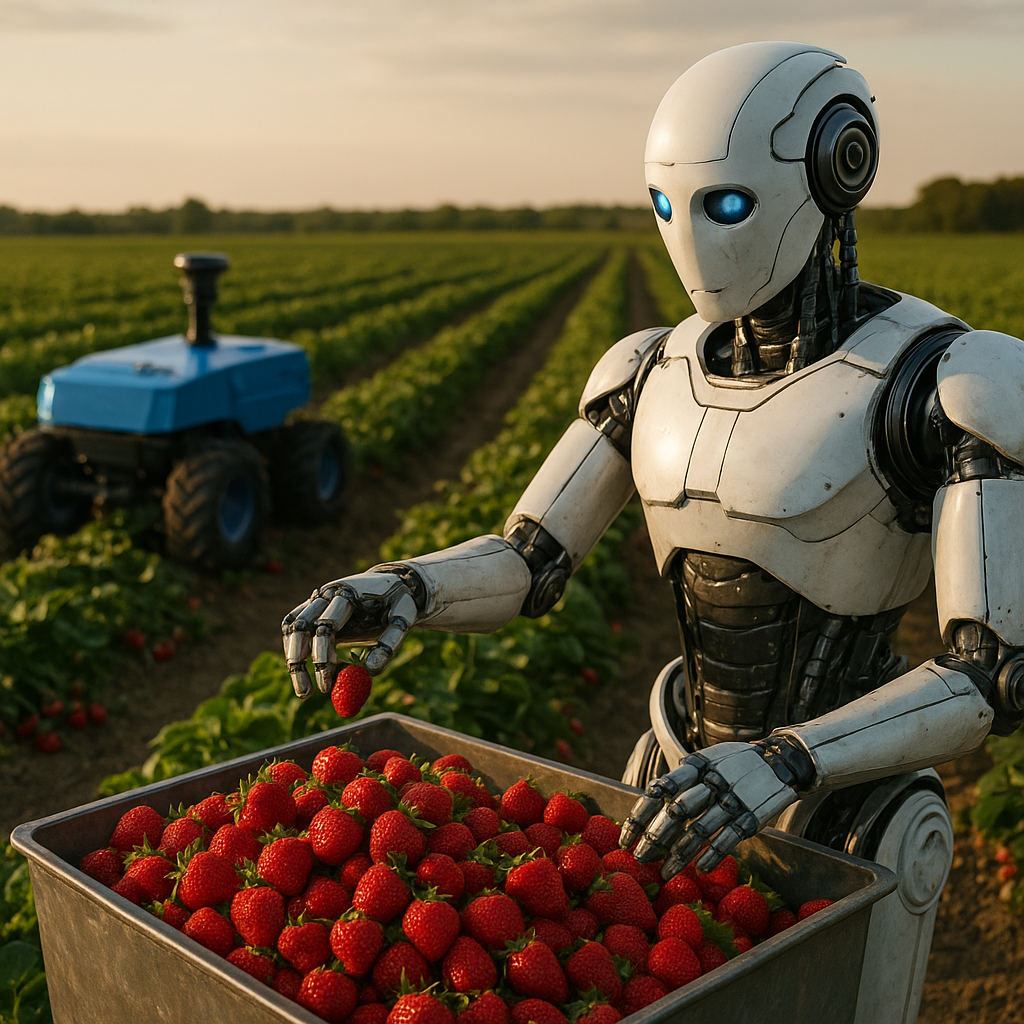
The integration of advanced robotics into modern agriculture stands as a testament to human ingenuity and adaptability. As the global demand for food production rises and traditional labor pools shrink, farming operations around the world have turned to automated solutions to bridge the gap. This article delves into the remarkable ways in which robotic technologies are transforming the agricultural landscape, boosting efficiency, enhancing crop health, and promoting environmental sustainability.
Transforming Field Operations with Automation
Mechanization has long been a cornerstone of agricultural progress, yet the latest generation of autonomous machines takes field operations to an entirely new level. From seeding to harvesting, robots equipped with advanced sensors and artificial intelligence are capable of performing tasks that were once labor-intensive and time-consuming.
- Autonomous Tractors: These self-driving vehicles can plow, seed, and spray fields with pinpoint precision. Using GPS navigation and machine learning algorithms, autonomous tractors adapt to varying soil conditions in real time, optimizing fuel use and minimizing soil compaction.
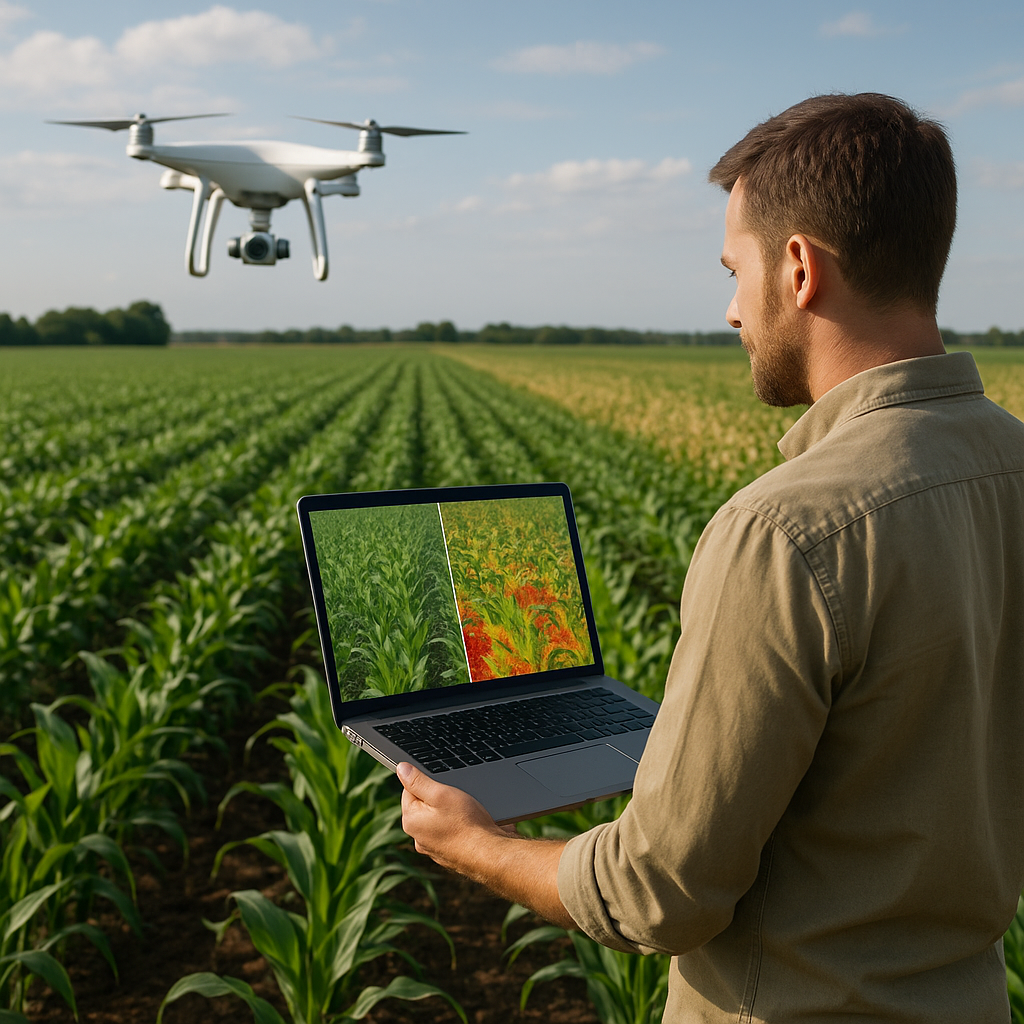
- Weed-Control Drones: Aerial robots identify and target weeds with herbicide or mechanical removal tools. By distinguishing weeds from crops through computer vision, these drones reduce overall pesticide usage and protect neighboring plant life.
- Robotic Harvesters: Equipped with soft grippers and force sensors, these machines carefully pick fruits and vegetables without causing damage. This not only preserves product quality but also addresses the acute labor shortages experienced during peak harvest seasons.
These automated solutions ensure continuous operation, even under challenging weather conditions, effectively tackling one of the most pressing issues in agriculture today: reliable labor availability.
Precision Crop Management through Data-Driven Insights
The confluence of robotics and Big Data has paved the way for precision agriculture, where every plant’s needs are met with exacting care. Robots, combined with sophisticated analytics platforms, collect vast amounts of field data that inform decision-making at every stage of crop growth.
- Soil Monitoring Robots: Small, mobile units traverse fields to measure moisture, nutrient levels, and pH. By transmitting real-time data, they enable farmers to apply water and fertilizers only where needed, conserving resources and reducing costs.
- Crop Scouting Bots: These ground robots use multispectral cameras to detect early signs of disease or pest infestation. Machine learning models analyze imagery to predict stress factors, allowing for prompt intervention and safeguarding overall yield.
- Integrated Pest Management Systems: Robotic platforms support targeted pest control strategies by deploying beneficial insects or precisely applied treatments. This approach minimizes chemical inputs while maintaining robust crop protection.
By harnessing these data-driven techniques, farmers achieve a harmonious balance between productivity and environmental protection, marking a significant stride toward sustainable food systems.
Innovative Greenhouse Robotics Enhancing Controlled Environments
Controlled-environment agriculture (CEA), including greenhouses and vertical farms, benefits greatly from robotic automation. In these settings, where variables such as light, temperature, and humidity are tightly regulated, robots excel at executing high-precision tasks that ensure consistent crop performance.
- Automated Transplanting Systems: Robotic arms precisely place seedlings into growth trays, optimizing spacing and reducing transplant shock. This level of care accelerates root establishment and promotes uniform crop development.
- Climate Control Drones: Small flying robots patrol expansive greenhouse roofs, monitoring ventilation and shading systems. By detecting hotspots or ventilation failures, they trigger corrective actions that maintain an optimal growth environment.
- Harvest-and-Pack Robots: These versatile units pick ripe produce, sort it by size and quality, and even pack it for distribution. This streamlined operation reduces handling times and preserves the integrity of delicate crops like strawberries and tomatoes.
Greenhouse robotics exemplify how automated solutions can maximize space utilization while delivering consistent, high-quality harvests year-round, regardless of external weather fluctuations.
Enhancing Labor Sustainability and Workforce Safety
While robotics alleviate the pressure of scarce labor, they also open new avenues for workforce engagement. Farmers and agricultural technicians today oversee and maintain robotic fleets, shifting their roles from manual labor to high-skilled technical work. This transformation yields multiple benefits:
- Skill Development: Training programs equip workers with expertise in robotics maintenance, programming, and data analysis, fostering a resilient and future-ready workforce.
- Safety Improvements: Robots undertake hazardous tasks such as applying chemicals or working in extreme weather, significantly reducing the risk of injury to human workers.
- Job Creation: The rise of agritech companies creates new positions in research, design, and support services, stimulating rural economies and invigorating the agricultural sector.
Future Perspectives and Ongoing Innovation
The fusion of cutting-edge innovation with traditional farming wisdom foreshadows a bright future for global agriculture. As sensor technologies become more affordable and AI algorithms more sophisticated, we can expect:
- Greater integration of robots across small and large-scale farms, democratizing access to automation.
- Advancements in soft robotics, enabling machines to handle an even broader range of delicate produce.
- Collaborative robotic swarms that coordinate tasks autonomously, maximizing field coverage and efficiency without human intervention.
Through these developments, robotics will continue to play a pivotal role in overcoming labor constraints, boosting productivity, and safeguarding environmental health—inspiring the next era of impressive agriculture.