Innovations in Sustainable Livestock Farming are transforming the way producers balance productivity with environmental stewardship. From cutting-edge feeding strategies to integrated waste management, modern agriculture leverages technology and science to enhance animal welfare and reduce ecological footprints. This article explores several groundbreaking approaches that exemplify impressive progress in the sector.
Embracing Precision Feeding
Precision feeding has emerged as a game-changer in livestock nutrition. By tailoring diets to the exact requirements of each animal or group, farmers can optimize growth rates while minimizing resource use and waste.
Data-Driven Diet Formulation
Advanced software platforms gather information on animal weight, age, health status, and production goals. Algorithms calculate the optimal blend of proteins, energy, vitamins, and minerals. This level of customization leads to:
- Reduced feed costs through minimized over-feeding
- Lower nitrogen and phosphorus excretion, decreasing the environmental burden
- Improved animal welfare by meeting nutritional needs precisely
Automated Feed Delivery Systems
Robotic feeders and smart dispensers integrate with herd management software. They distribute measured rations at designated times, ensuring consistent intake. Key benefits include:
- Enhanced efficiency through labor savings
- Uniform growth across the herd
- Real-time monitoring of consumption patterns
Renewable Energy Integration
To combat rising energy expenses and carbon emissions, many farms are adopting renewable energy solutions that align with sustainable goals.
Solar and Wind Installations
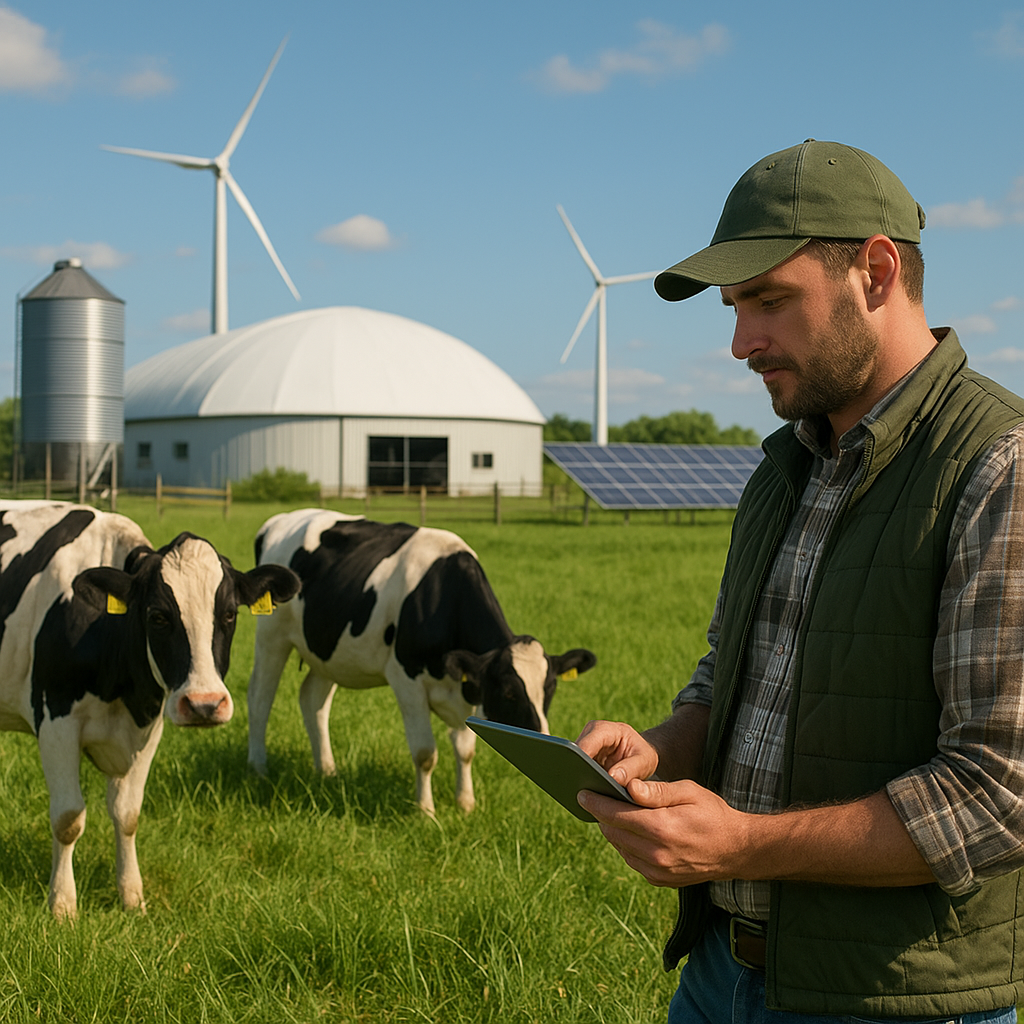
Large-scale solar arrays on farm buildings and open land can supply a significant portion of daily electricity needs. Wind turbines, when feasible, provide complementary generation during off-peak solar hours. Together, they offer:
- Reduced reliance on grid power and fossil fuels
- Lowered operational costs over the long term
- Potential revenue streams from surplus energy sales
Biogas Production from Manure
Manure digesters convert waste into biogas via anaerobic digestion. The resulting methane is used for heating, electricity, or vehicle fuel. Digestate—a nutrient-rich byproduct—serves as a high-quality fertilizer. Advantages include:
- Mitigation of greenhouse gas emissions
- Closed-loop nutrient recycling
- Enhanced farm self-sufficiency and resilience
Advanced Waste Management Techniques
Efficient waste management is essential for environmental compliance and resource recovery. Innovative approaches are redefining how manure and byproducts are handled.
Solid-Liquid Separation
New mechanical separators divide slurry into solid and liquid fractions. Solids can be composted or sold as bedding, while liquids are easier to transport and apply. Key impacts include:
- Reduced odor and pathogen load
- Improved nutrient management planning
- Opportunity for value-added products
Microbial Enzyme Treatments
Specialized enzyme blends accelerate the breakdown of organic matter and suppress odor-forming bacteria. When added to storage pits or lagoons, they:
- Enhance decomposition rates
- Decrease volatile solids content
- Lower greenhouse gas emissions significantly
Precision Application Technologies
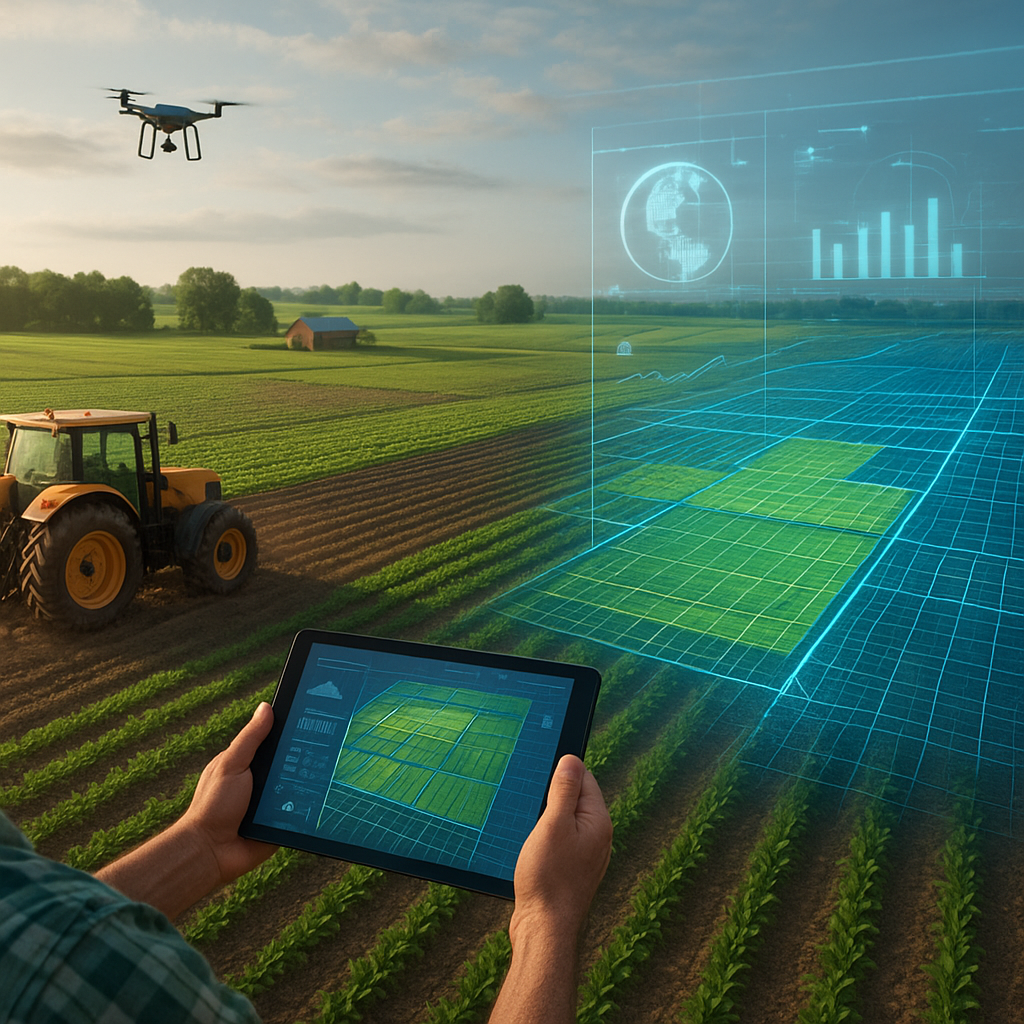
Variable-rate nutrient applicators, guided by GPS and soil mapping, deliver manure precisely where crops need it most. Benefits are:
- Minimized nutrient runoff and contamination
- Optimized crop yields with balanced soil fertility
- Compliance with stringent environmental regulations
Genetic Selection and Breeding Innovation
Genomic tools and selective breeding programs are unlocking new levels of productivity and health in livestock populations.
Marker-Assisted Selection
By identifying genetic markers linked to desirable traits—such as disease resistance, feed conversion efficiency, and meat quality—breeders can make informed mating decisions. Outcomes include:
- Accelerated genetic gains over traditional methods
- Stronger biosecurity via built-in immunity traits
- Enhanced overall herd performance
CRISPR and Gene Editing
Gene editing technologies are employed to introduce beneficial traits directly into the genome. Ethical and regulatory considerations vary by region, but potential targets include:
- Resistance to viral and bacterial pathogens
- Improved feed-to-meat conversion ratios
- Reduced environmental impact through leaner growth
Data Integration for Breeding Decisions
Cloud-based platforms aggregate phenotypic records, pedigree information, and genomic data. Artificial intelligence analyzes this data to recommend optimal mating pairs. Advantages:
- Maximized genetic diversity while selecting for innovation
- Reduced inbreeding risks
- Continuous improvement of herd resilience
The Role of Technology in Animal Welfare
Beyond productivity, sustainable livestock farming prioritizes animal well-being through advanced monitoring and environmental control.
Real-Time Health Monitoring
Wearable sensors track vital signs, activity levels, and rumination in dairy cows, swine, and poultry. Early detection of anomalies leads to prompt intervention, resulting in:
- Reduced use of antibiotics through targeted treatments
- Lower mortality and morbidity rates
- Better overall farm profitability due to healthier animals
Climate-Controlled Housing
Automated ventilation, cooling, and lighting systems adapt to external weather conditions and animal behavior. Enhanced microclimates improve comfort, which translates to:
- Higher feed intake and growth rates
- Reduced stress-induced health issues
- Optimized energy consumption through smart controls
Future Directions in Sustainable Livestock Farming
Emerging trends point toward even greater integration of digital tools, circular economy principles, and cross-sector collaboration. Key areas of focus will be:
- Internet of Things networks connecting all farm assets
- Blockchain for transparent supply chains and traceability
- Precision genetics combined with microbiome research
- Collaborative platforms for sharing best practices among producers
Such developments promise to elevate the agricultural sector’s contribution to global food security while safeguarding natural resources for future generations.