
The integration of advanced technologies is transforming modern farming landscapes, driving unprecedented improvements in crop health assessment and yield optimization. Among these innovations, machine learning emerges as a cornerstone for early and precise disease identification. By leveraging sophisticated algorithms and vast agricultural datasets, researchers and practitioners can empower growers with actionable insights. This article explores key developments in the realm of disease detection through intelligent computational tools, spanning model design, sensor networks, and prospective frontiers.
Advances in Model Architectures and Data Strategies
Success in crop disease surveillance hinges on robust image processing pipelines that capture subtle phenotypic changes. Recent progress in convolutional neural networks has strengthened classification accuracy across a range of pathologies. Architects now often employ deep residual blocks, attention mechanisms, and ensemble frameworks to pinpoint early symptoms of both biotic and abiotic stressors.
Data Acquisition and Enhancement
High-quality training data is vital. Researchers collate images from multiple growth stages, lighting conditions, and geographic zones to build representative collections. Data augmentation techniques—such as rotation, scaling, and color jittering—enhance model resilience to field variability. Furthermore, open repositories curated by academic institutions accelerate innovation by offering standardized high-throughput datasets.
Emerging Annotation Tools
Manual labeling remains labor-intensive, yet semi-automated annotation platforms are easing the burden. Interactive tools combine expert feedback with active learning loops, enabling rapid refinement of region-of-interest markers. This synergy boosts the efficiency of ground-truth generation and reduces human error.
Algorithmic Innovations
Cutting-edge studies integrate multispectral and hyperspectral imaging, fusing data channels to reveal disease signatures invisible to the naked eye. Hybrid architectures blend convolutional backbones with graph-based reasoning modules, capturing spatial relationships among leaf structures. Some systems incorporate temporal sequences, treating plant health as a dynamic signal processed by recurrent units for more accurate predictive modeling.
Convergence with IoT, UAVs, and Real-Time Monitoring
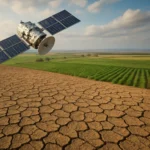
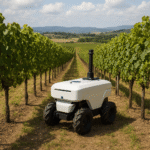
Scaling intelligent disease monitoring across vast fields demands seamless integration with sensor networks and autonomous platforms. Unmanned aerial vehicles, ground robots, and stationary sensors each play a role in delivering continuous health assessments. The synergy of these technologies creates a real-time feedback loop that empowers farmers to act swiftly.
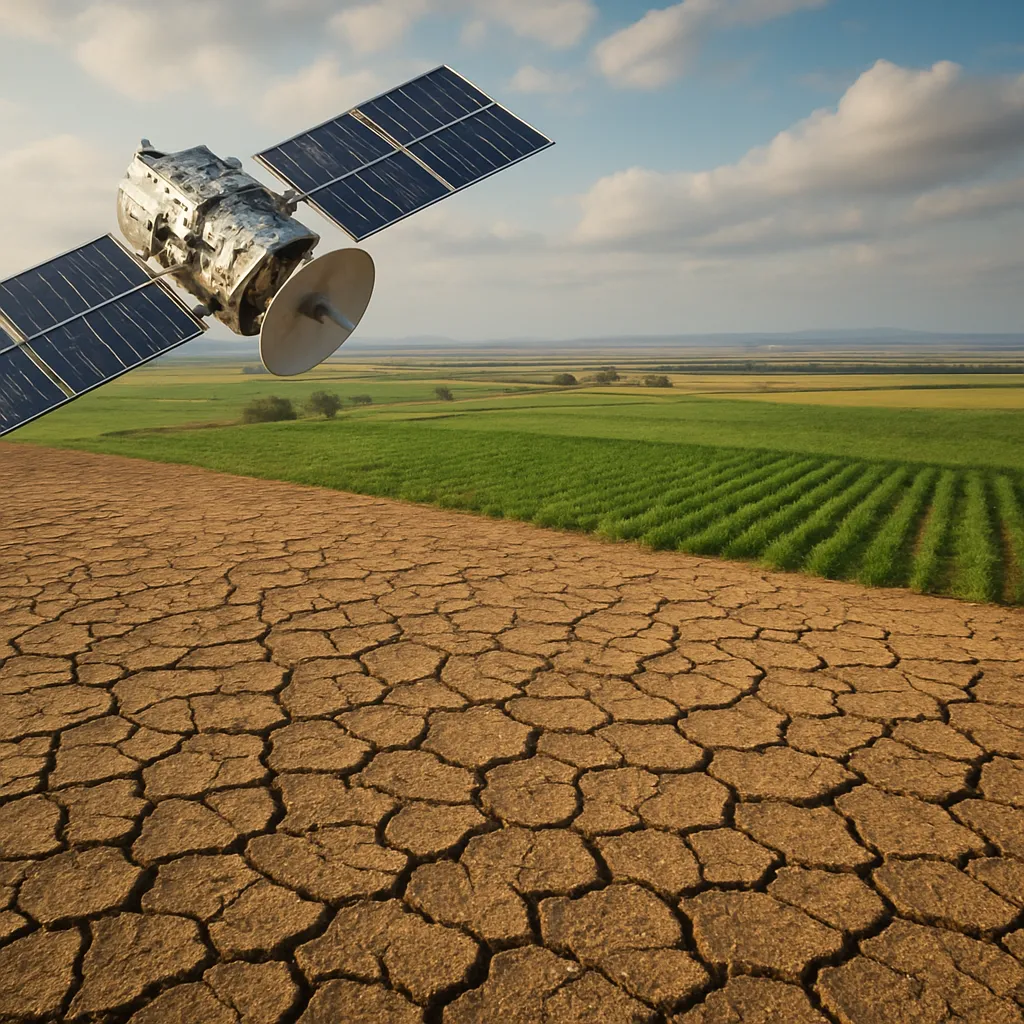
- UAV-based aerial surveys capture canopy-level anomalies over extensive acreages with minimal labor.
- Edge computing modules process data onsite, reducing latency for real-time monitoring and immediate intervention.
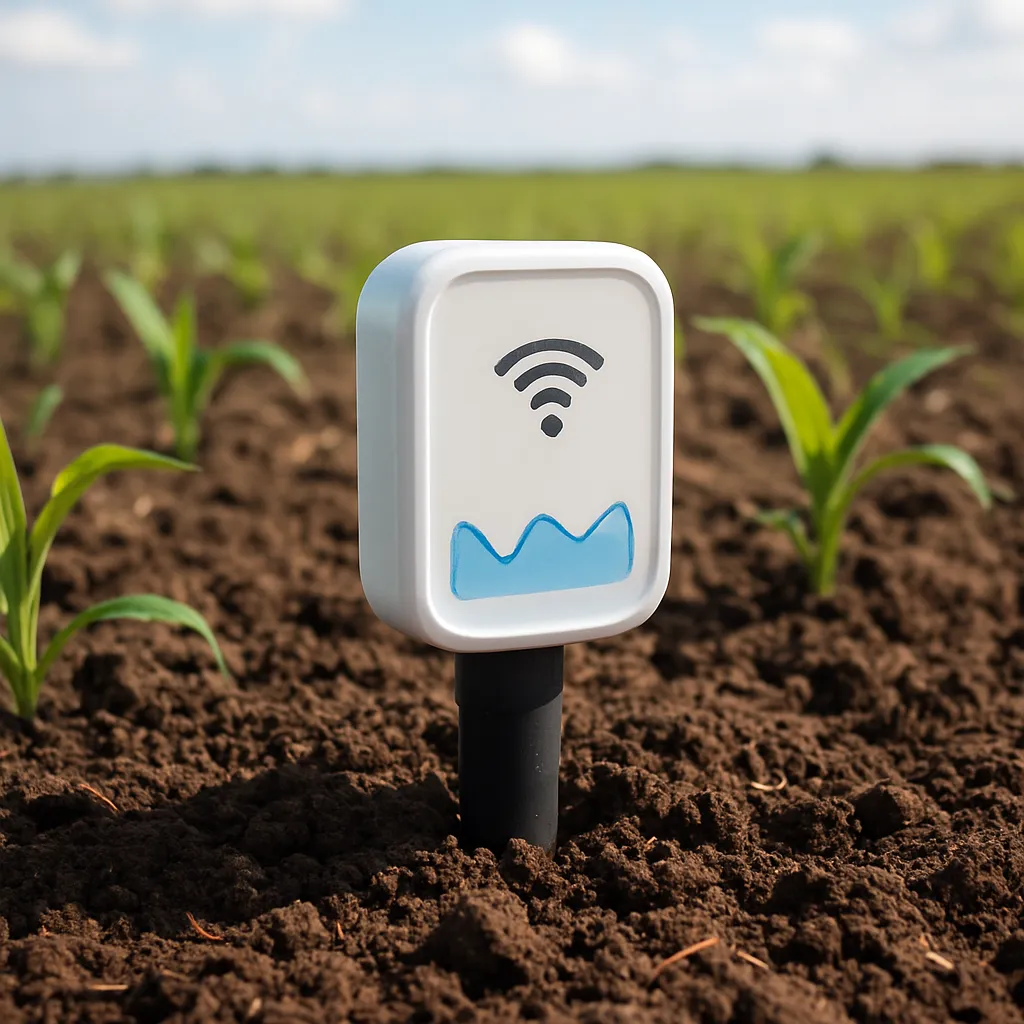
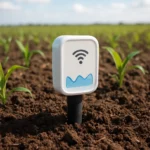
- Wireless sensor nodes measure microclimate variables, correlating humidity and temperature fluctuations with pathogen proliferation.
- Centralized dashboards fuse multisource inputs, offering comprehensive farm-wide visualization and decision support.
Automation and Robotics
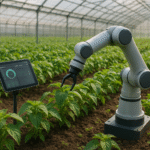
Robotic platforms equipped with multi-spectral cameras can patrol fields autonomously, identifying hotspots of disease incidence. Automated sprayers then target affected zones, minimizing pesticide usage and fostering sustainability. Integrated machine vision guides robotic arms for precise leaf inspections, streamlining labor-intensive scouting tasks.
Edge vs. Cloud Processing
Implementers must balance the trade-offs between local (edge) processing and cloud-based analytics. Edge devices enable low-latency alerts and preserve bandwidth, while powerful cloud servers facilitate model retraining and complex inference. Hybrid architectures often synchronize both layers, ensuring scalability and reliability under varied connectivity conditions.
Challenges, Ethical Considerations, and Future Directions
Despite remarkable achievements, deploying machine-driven disease detection in agriculture faces several obstacles. Heterogeneous field conditions, equipment costs, and knowledge transfer barriers can limit adoption, particularly among smallholder farmers in resource-constrained regions.
Data Privacy and Ownership
The proliferation of agricultural sensors raises concerns regarding data governance. Farmers and service providers must establish transparent policies for data sharing, ownership, and compensation. Frameworks guaranteeing secure transmission and anonymization foster trust and collaboration across the value chain.
Model Generalization and Robustness
Generalizing across crop varieties, geographic zones, and evolving pathogen strains remains an ongoing challenge. Continuous model refinement, leveraging federated learning paradigms, can mitigate biases and adapt to local conditions without centralizing sensitive data. Cross-validation studies underscore the need for diverse training corpora to avoid overfitting and ensure reliable field performance.
Prospective Innovations
Future research will likely embrace hybrid sensor fusion, combining acoustic, olfactory, and thermal signatures to enrich detection capabilities. Advances in quantum computing might unlock novel optimization strategies, expediting hyperparameter searches and architecture selection. Moreover, integrating socio-economic models with biological insights can help quantify the broader impact of disease outbreaks on local communities and global supply chains.
As the agricultural sector strives to meet mounting food demands in the face of climatic uncertainty, the marriage of precision agriculture and intelligent computational tools offers a promising pathway. Continued cross-disciplinary collaboration will be essential to translate laboratory breakthroughs into resilient, field-ready solutions that enhance crop health, optimize resource use, and secure sustainable food systems for future generations.