
The delicate balance of ecosystems hinges on the tireless work of bees as essential pollinators. As traditional apiary methods face challenges from climate change, pests, and habitat loss, innovative approaches are emerging to safeguard these vital insects. This article explores how cutting-edge technology is revolutionizing beekeeping, offering novel tools to monitor hive health, optimize resource use, and contribute to broader environmental conservation efforts.
Innovations in Hive Monitoring
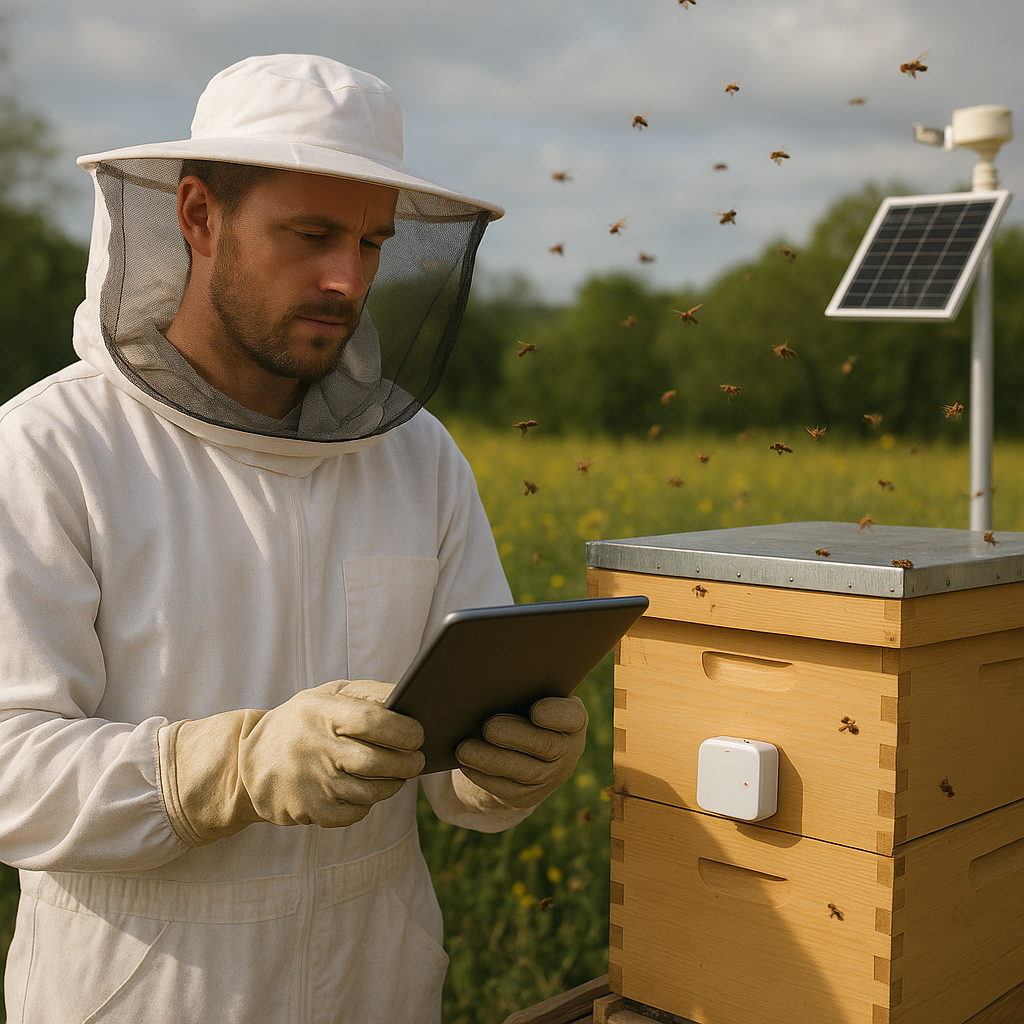
Advancements in sensor design and connectivity have propelled hive management into a new era of precision agriculture. Modern beekeepers can deploy lightweight sensor arrays inside hives that gather real-time data on temperature, humidity, and acoustic patterns. These metrics serve as early warning signs of stressors such as disease outbreaks, overcrowding, or queen failure.
Smart Sensors and IoT Integration
Internet of Things (IoT) platforms have unlocked unprecedented visibility into hive dynamics. By installing micro-sensors at strategic points, beekeepers can perform continuous remote monitoring. Key parameters tracked include:
- Internal temperature fluctuations indicating brood health
- Humidity changes that may foster fungal growth
- Acoustic signatures revealing swarming intentions
- Weight variations reflecting nectar flow and honey stores
Data collected through wireless modules are transmitted to cloud-based dashboards, where patterns emerge via intuitive visualizations. This approach not only reduces the need for disruptive physical inspections but also enables rapid, informed decisions on hive interventions.
AI-Driven Analytics
Machine learning algorithms sift through vast datasets, detecting subtle correlations that escape manual observation. For instance, an AI engine may link a specific acoustic spike with the onset of Varroa mite infestation. Early identification can prompt targeted treatments before colony collapse. Similarly, predictive models forecast nectar dearth periods, allowing beekeepers to prepare supplemental feeding regimes.
Data-Driven Health Management
Maintaining colony vitality demands a holistic understanding of environmental pressures and internal hive conditions. By leveraging data analytics, beekeepers adopt a proactive stance on disease prevention, nutrition management, and stress reduction.
Precision Feeding and Nutrient Optimization
Nutritional stress emerges when natural forage resources dwindle. Sensors that track hive weight combined with regional floral bloom forecasts guide precise supplemental feeding. Automated feeders dispense customized pollen substitutes or sugar solutions only when thresholds are met, avoiding overfeeding and preserving natural foraging behaviors.
Pathogen and Pest Surveillance
Early pathogen detection is critical. Some smart hives incorporate microfluidic sampling units that analyze bee hemolymph or debris for viral, bacterial, and fungal pathogens. Alternatively, mobile apps powered by AI can assess digital hive images for signs of deformed wings or wax moth damage. Integrating these tools within a unified platform empowers beekeepers to implement targeted treatments—minimizing chemical use and fostering sustainability.
Queen Health and Genetic Tracking
The queen’s genetics determine colony traits such as disease resistance and temperament. Digital tagging systems using RFID or optical codes monitor queen activity, egg-laying rates, and movement patterns. Coupled with genetic databases, beekeepers can selectively breed queens exhibiting superior performance, enhancing overall hive resilience and contributing to biodiversity preservation.
Enhancing Ecosystems with Tech-Backed Apiaries
Beyond individual hive care, smart beekeeping initiatives extend to landscape-level improvements. Deploying sensor-equipped hives across agricultural zones yields comprehensive insights into pollination services, crop yields, and ecosystem health.
Precision Pollination Services
Farmers are increasingly enlisting agile hive fleets that can be relocated to fields at peak bloom. Real-time monitoring ensures that hives are active and healthy upon arrival. Drone-assisted mapping identifies optimal hive placement to maximize pollination density, while predictive analytics align hive movement with flowering schedules, boosting crop productivity.
Collaborative Data Networks
Beekeeping cooperatives and research institutions are forming data-sharing alliances. Aggregated hive metrics from diverse climates and geographies feed into large-scale studies on climate impact, pesticide exposure, and habitat viability. This collective intelligence supports policy advocacy for pollinator-friendly practices and informs targeted reforestation or wildflower planting schemes.
Education and Community Engagement
Smart hives equipped with live cameras and interactive dashboards bring beekeeping closer to urban audiences. Educational programs leverage these visual streams to teach students about insect behavior and ecosystem interdependence. Community apiaries become hubs for citizen science, where volunteers assist in data collection and contribute to ongoing research on pollinator health.
Challenges and Future Directions
While the promise of smart beekeeping is substantial, it faces several obstacles. High initial costs for sensor arrays and data platforms may deter small-scale beekeepers. Ensuring reliable connectivity in remote apiaries demands robust telecom infrastructure. Data privacy and ownership concerns also emerge as vast neural networks process sensitive agricultural information.
Addressing Scalability and Accessibility
Open-source hardware initiatives aim to lower entry barriers by offering DIY sensor kits. Community-driven software platforms reduce licensing fees, enabling wider adoption. Partnerships with telecom providers and satellite internet initiatives are expanding coverage to underconnected regions, allowing even remote hives to feed into global data streams.
Ethical Data Governance
Transparent data policies and decentralized architectures—such as blockchain-based record keeping—ensure that beekeepers retain control over their hive information. Cooperative data trusts enable shared benefits, granting contributors access to collective insights while safeguarding proprietary operational details.
Integrating Environmental Sensors
Next-generation apiary systems will interface hive sensors with external environmental monitors—tracking air quality, soil moisture, and pesticide drift. By correlating these external factors with colony performance, beekeepers and farmers can fine-tune land management practices to foster resilient agricultural landscapes.
Autonomous Beekeeping Robotics
Emerging prototypes of lightweight robotics promise to automate routine hive inspections. These robots can analyze comb structure, remove diseased brood cells, and collect samples with minimal human interference. Coupling robotics with AI-driven decision support could free beekeepers to focus on strategic planning and habitat conservation.
Transforming Agriculture through Pollinator Protection
Smart beekeeping exemplifies the convergence of agriculture and advanced AI technologies to fortify food systems. By championing the welfare of pollinators, farmers and beekeepers foster healthier ecosystems, safeguard crop yields, and enhance global food security. The integration of remote monitoring, sophisticated analytics, and community engagement heralds a new era of agricultural stewardship—one where every hive contributes to a thriving, sustainable world.