The advent of smart fertilizer delivery systems marks a pivotal shift in modern agriculture, reshaping how growers manage soil fertility and plant nutrition. These innovative solutions harness cutting-edge technologies to ensure nutrients are supplied with pinpoint accuracy, fostering healthier crops while minimizing waste. As global food demand rises and environmental concerns intensify, deploying such systems becomes instrumental in achieving sustainability and boosting yields. This article explores the principles, innovations, and impacts of these advanced delivery platforms in the realm of precision farming.
Precision Agriculture and Nutrient Management
Precision agriculture integrates data analytics, sensor networks, and automation to optimize every facet of crop production. Within this paradigm, nutrient management is elevated beyond blanket applications. Instead, growers rely on real-time insights to deliver tailored fertilization based on soil properties, weather conditions, and plant needs.
Site-Specific Soil Analysis
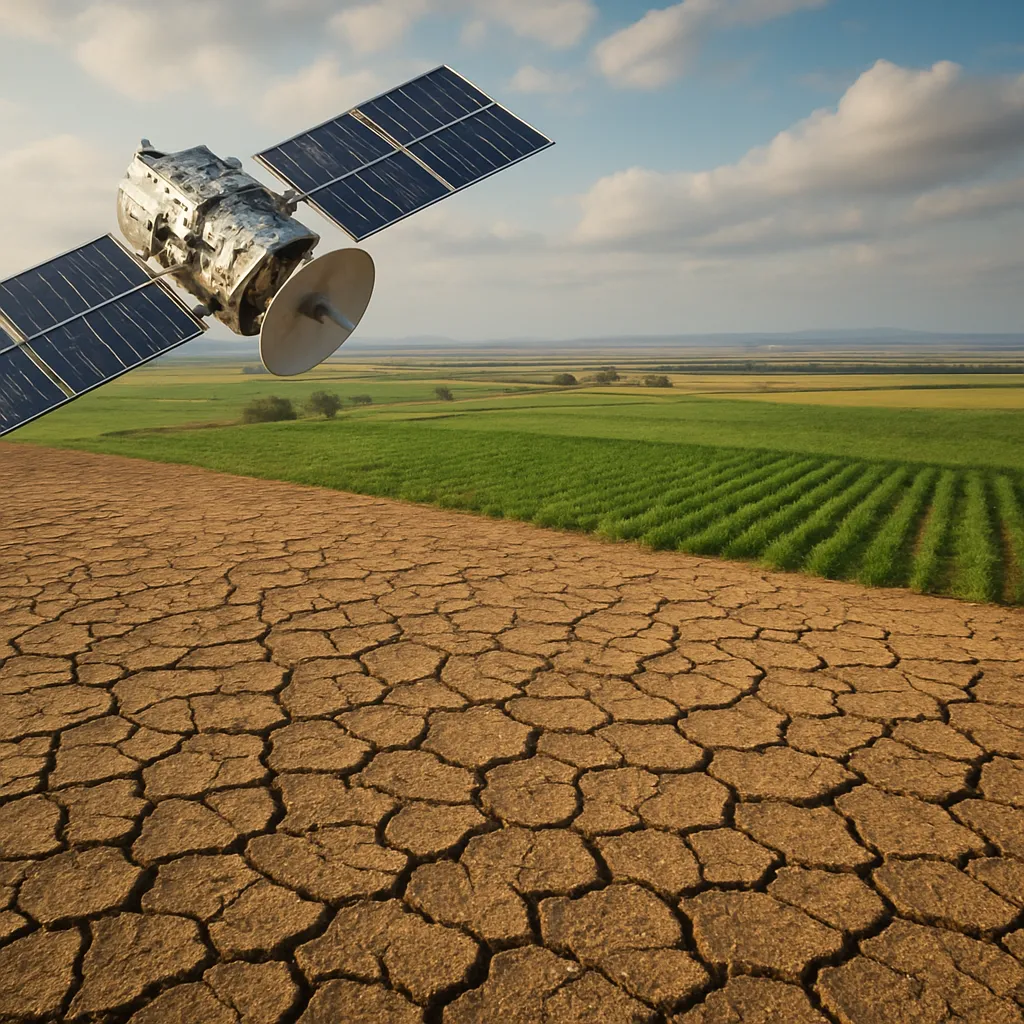
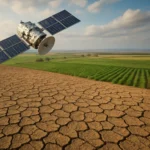
Traditional soil sampling often averages nutrient levels over large areas, leading to under- or over-application. Modern systems employ sensors and remote sensing tools—such as satellite imagery and drone-mounted spectrometers—to map nutrient variability. These high-resolution maps reveal zones deficient in nitrogen, phosphorus, or potassium, enabling variable-rate application (VRA) equipment to adjust fertilizer rates on the go.
Plant Health Monitoring
Beyond the ground, plant-based diagnostics offer another layer of precision. Multispectral cameras measure chlorophyll fluorescence and canopy temperature, serving as proxies for nutrient uptake and stress. When combined with weather forecasts, this data guides growers to apply nutrients just before critical growth phases, ensuring maximum assimilation and minimizing losses through leaching or volatilization.
Innovations in Smart Fertilizer Delivery
Emerging technologies are at the heart of these advanced delivery systems. From nanoengineering to Internet of Things (IoT) integration, the following innovations redefine how fertilizers reach plant roots.
- Nanotechnology-Enhanced Granules: Nano-coatings on fertilizer granules regulate nutrient release by responding to soil moisture, pH, or root exudates. These smart granules dissolve only when conditions are optimal, preventing premature wash-off and ensuring sustained feeding.
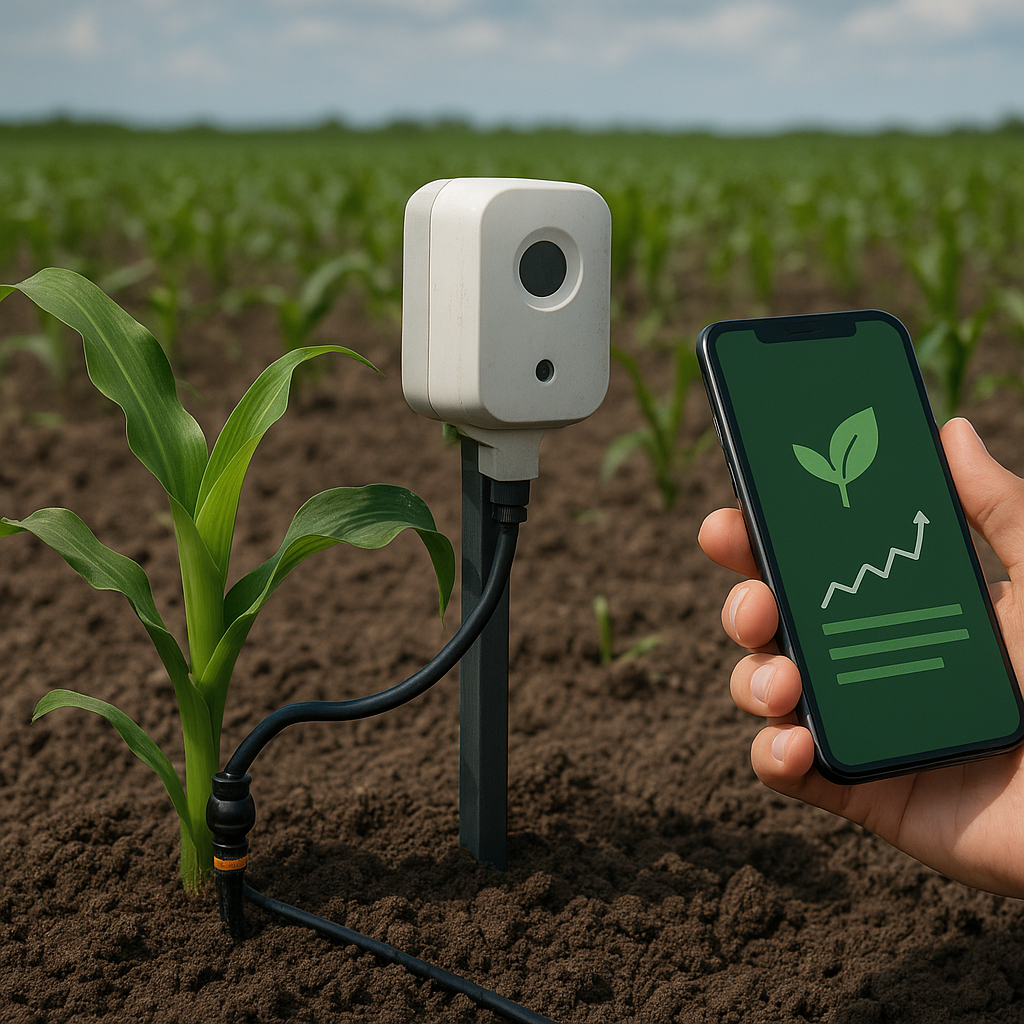
- IoT-Connected Dispensers: Automated fertilizer dispensers equipped with wireless modules communicate with farm management software. They adjust dosing schedules or concentrations remotely, based on up-to-the-minute weather data and crop growth models.
- Biodegradable Capsule Systems: Encapsulation of nutrients within biodegradable polymers allows for a slow, steady release over weeks or months. As microorganisms in the rhizosphere degrade the polymer matrix, essential elements are gradually liberated into the soil solution.
- Electrochemical Delivery Platforms: Electrokinetic systems use low-voltage currents to mobilize ionized nutrients toward plant roots. This directed movement reduces fertilizer runoff and enhances uptake efficiency, especially in compacted or saline soils.
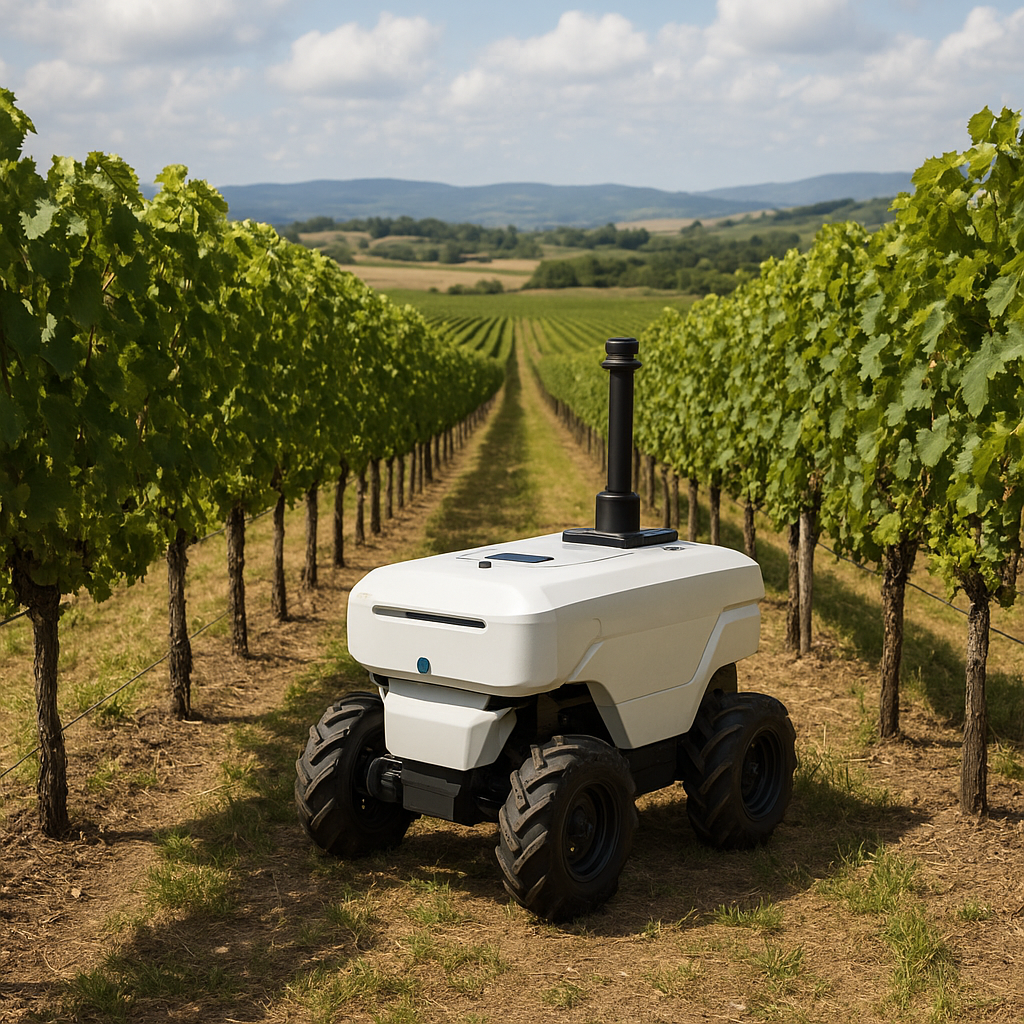
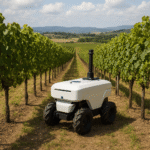
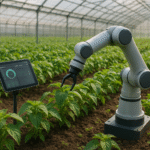
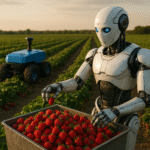
Collectively, these breakthroughs pave the way for fully autonomous nutrient management, where smart machinery, artificial intelligence, and robotics collaborate to feed crops with unmatched precision.
Environmental and Economic Impacts
Integrating smart fertilizer delivery systems yields multifaceted benefits, both ecological and financial. By aligning nutrient application with plant demand, these technologies curtail the primary sources of agricultural pollution and help farmers achieve robust returns on investment.
Reduction in Nutrient Runoff
Excess fertilizer frequently leaches into waterways, fueling algal blooms and eutrophication. With targeted delivery, nutrient losses can be slashed by up to 50%, preserving aquatic ecosystems and maintaining water quality. The precise timing and location of application ensure soil retains nearly all provided nutrients.
Enhanced Crop Productivity
Studies indicate that precision delivery can raise crop yields by 10–20%, thanks to optimized root-zone nutrition. Uniform growth reduces patchiness, simplifying harvesting operations and improving overall product quality. Consistent nutrient availability at key developmental stages promotes stronger stalks, fuller grain fill, and higher resistance to pests and diseases.
Cost Savings and Resource Efficiency
Smart systems may require initial capital investment, but long-term savings are substantial. Farmers can cut fertilizer expenditures by 15–30% through reduced waste. Moreover, lower application frequencies free up labor and fuel resources. These savings often offset equipment leasing or purchase costs within a few seasons.
Future Perspectives and Challenges
As optimization drives agricultural innovation, integrating smart fertilizer systems across diverse landscapes remains a challenge. Smallholder farmers in developing regions may face barriers in accessing technology, while regulatory frameworks struggle to keep pace with rapid advancements. Nonetheless, ongoing research and collaborative initiatives hold promise for scalable solutions.
- Data Standardization: Establishing unified protocols for sensor outputs and farm management platforms will simplify technology adoption and foster interoperability between devices.
- Training and Extension Services: Equipping farmers with the skills to operate and maintain smart systems is vital. Local demonstration plots and online courses can bridge knowledge gaps.
- Policy Incentives: Subsidies or tax breaks for precision agriculture tools can encourage wider uptake, especially among resource-limited producers.
- Sustainable Manufacturing: Developing eco-friendly materials for controlled-release fertilizers and recyclable electronic components will minimize the environmental footprint of these technologies.
Integrating advances such as machine learning algorithms to predict nutrient dynamics and blockchain for transparent supply chains could further revolutionize how agriculture meets the twin goals of productivity and environmental stewardship. As the sector evolves, smart fertilizer delivery systems stand out as a keystone in the quest for resilient, high-yielding, and efficient food production.