
Precision livestock farming is undergoing a transformative shift as innovative wearable devices inject unprecedented levels of visibility and control into animal husbandry. By harnessing advanced technologies and integrating them into everyday farm operations, producers can now monitor their herds with pinpoint accuracy, elevate productivity, and enhance overall animal welfare. This exploration delves into the cutting-edge components, key benefits, and future prospects of smart livestock monitoring within the domain of impressive agriculture.
Integration of Wearable Devices in Modern Animal Husbandry
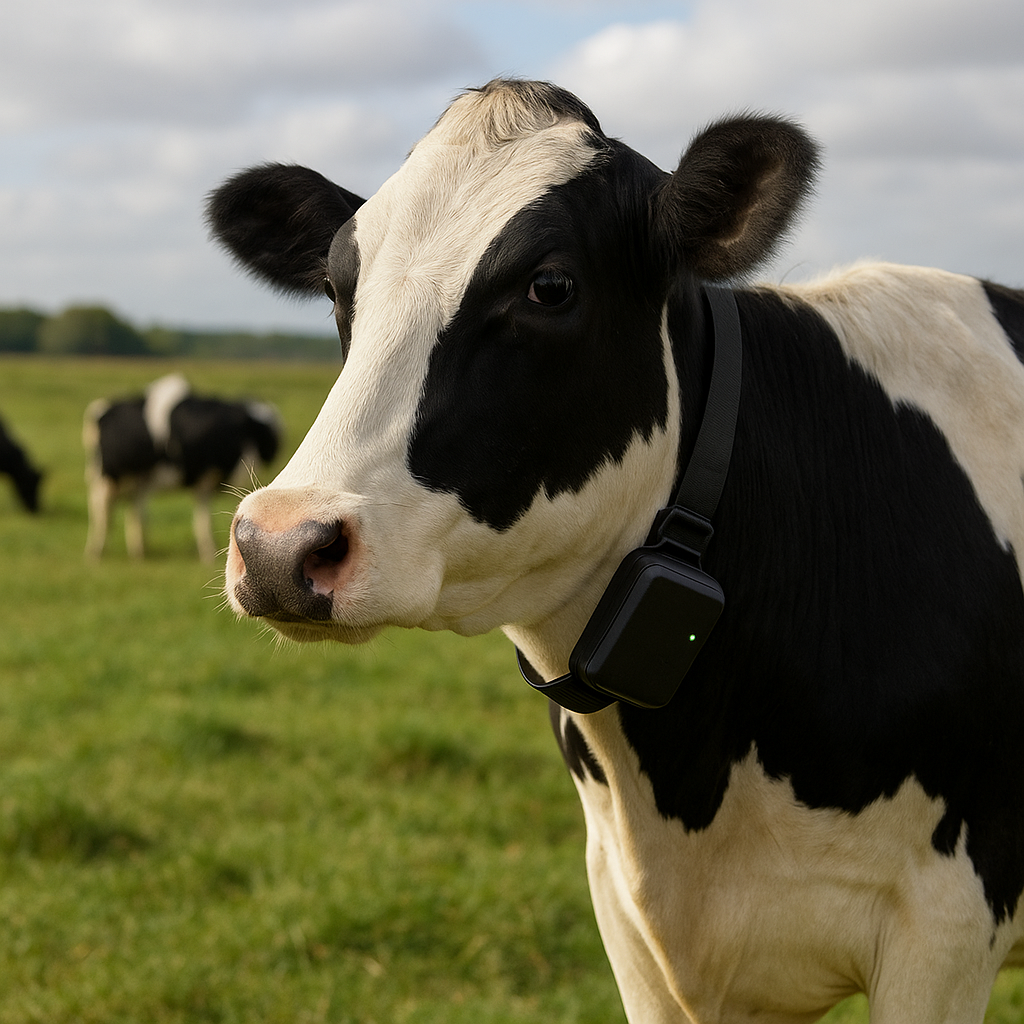
The integration of wearable sensors into livestock management represents a seismic leap forward. Far beyond simple identification tags, these devices continuously collect a wealth of information, enabling producers to react swiftly to emerging health or behavioral issues. By embedding miniature sensors into collars, ear tags, or even boluses, farmers gain access to critical data streams:
- Movement patterns and activity levels
- Core body temperature fluctuations
- Rumen pH and digestive metrics
- Geolocation tracking for grazing optimization
- Social interactions and hierarchy mapping
Such comprehensive monitoring forms the backbone of a truly real-time operational paradigm, where anomalies are flagged promptly and actionable insights become a daily reality. Rather than relying on periodic manual checks, producers can track each animal’s status around the clock, mitigating risks of disease outbreaks, malnutrition, or injury.
Key Components and Technologies
At the heart of any smart livestock system lies robust sensor technology coupled with resilient data transmission methods. Key elements include:
- Sensors and Actuators: Devices measure environmental and physiological parameters, from heart rate monitors to accelerometers.
- Wireless Networks: Low-power wide-area networks (LPWANs) such as LoRaWAN or NB-IoT ensure seamless long-range connectivity even in remote pastures.
- Edge Computing: On-device processing reduces transmission loads, supporting local alerts when thresholds are exceeded.
- Cloud Platforms: Centralized repositories store vast volumes of data, enabling sophisticated analytics and cross-farm comparisons.
- User Interfaces: Mobile apps and web dashboards translate raw inputs into intuitive visualizations, empowering managers to make informed decisions.
These components work in concert to capture, transmit, and interpret a constant flow of information, translating millions of data points into digestible metrics. By tracking detailed health metrics, such as respiration rate or gait irregularities, the system fosters early intervention strategies that reduce veterinary costs and improve recovery outcomes.
Benefits and Challenges
Adopting smart livestock monitoring confers numerous advantages, but it also presents technical and operational hurdles. Key benefits include:
- Enhanced Disease Detection: Subtle changes in behavior or physiology trigger early warnings, reducing mortality rates.
- Optimized Feed Efficiency: Real-time feeding data guides precise ration adjustments, cutting waste and boosting weight gain.
- Labor Savings: Automated tracking diminishes time spent on manual inspections, freeing staff for higher-value tasks.
- Regulatory Compliance: Accurate records of medication, grazing patterns, and transport conditions support traceability requirements.
- Environmental Stewardship: By monitoring grazing intensity, farmers can prevent overgrazing and promote sustainability.
Nonetheless, several challenges must be navigated to harness the full potential of these systems:
- Initial Investment: High upfront costs for hardware deployment and network infrastructure can strain budgets.
- Data Management: Handling vast volumes of streaming data demands robust storage, processing power, and cybersecurity measures.
- Animal Comfort: Devices must be lightweight, durable, and non-invasive to avoid distress or interference with normal behaviors.
- Signal Interference: Remote or topographically complex farms may suffer connectivity gaps, necessitating hybrid solutions.
- Interoperability: Ensuring different sensor brands and platforms communicate effectively remains an industry-wide concern.
Addressing these challenges involves collaborative efforts between farmers, technology providers, and research institutions. For example, open standards for data exchange can facilitate broad compatibility and reduce vendor lock-in.
Advanced Analytics and Machine Learning Applications
Raw data gains true value through sophisticated interpretation enabled by data analytics and machine learning algorithms. These tools transform continuous monitoring logs into predictive insights:
- Behavioral Clustering: Unsupervised algorithms group animals based on movement and social interaction patterns, pinpointing outliers indicative of stress or illness.
- Health Forecasting: Time-series models projecting vital sign trends alert farmers to potential health issues before visible symptoms emerge.
- Breeding Optimization: Genetic and phenotypic data converge to identify superior breeding candidates, accelerating genetic gain while maintaining herd diversity.
- Environmental Correlation: Multivariate analysis links weather, forage quality, and animal performance, guiding pasture rotation schedules.
These approaches offer a pathway to predictive maintenance of herd health, enabling targeted interventions that minimize antibiotic use and promote ethical farming practices. By recognizing subtle cues in early stages, producers can apply corrective measures with greater precision, nurturing both animal well-being and farm profitability.
Future Directions and Emerging Trends
As technology continues to evolve, the next generation of livestock monitoring platforms will emphasize greater autonomy, deeper integration, and enhanced scalability. Key emerging trends include:
- Energy-Harvesting Wearables: Solar or kinetic charging mechanisms extend device lifespans and reduce battery replacement overhead.
- Blockchain Traceability: Immutable ledgers document each animal’s journey, enhancing consumer trust and ensuring transparent supply chains.
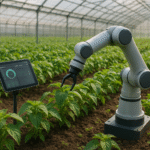
- Robotic Assistance: UAVs (drones) and UGVs (ground vehicles) will complement wearables by conducting aerial surveys, delivering feed, or administering treatments.
- Biometric Identification: Facial or iris recognition technologies will uniquely identify individuals without physical tags, lowering the risk of device loss.
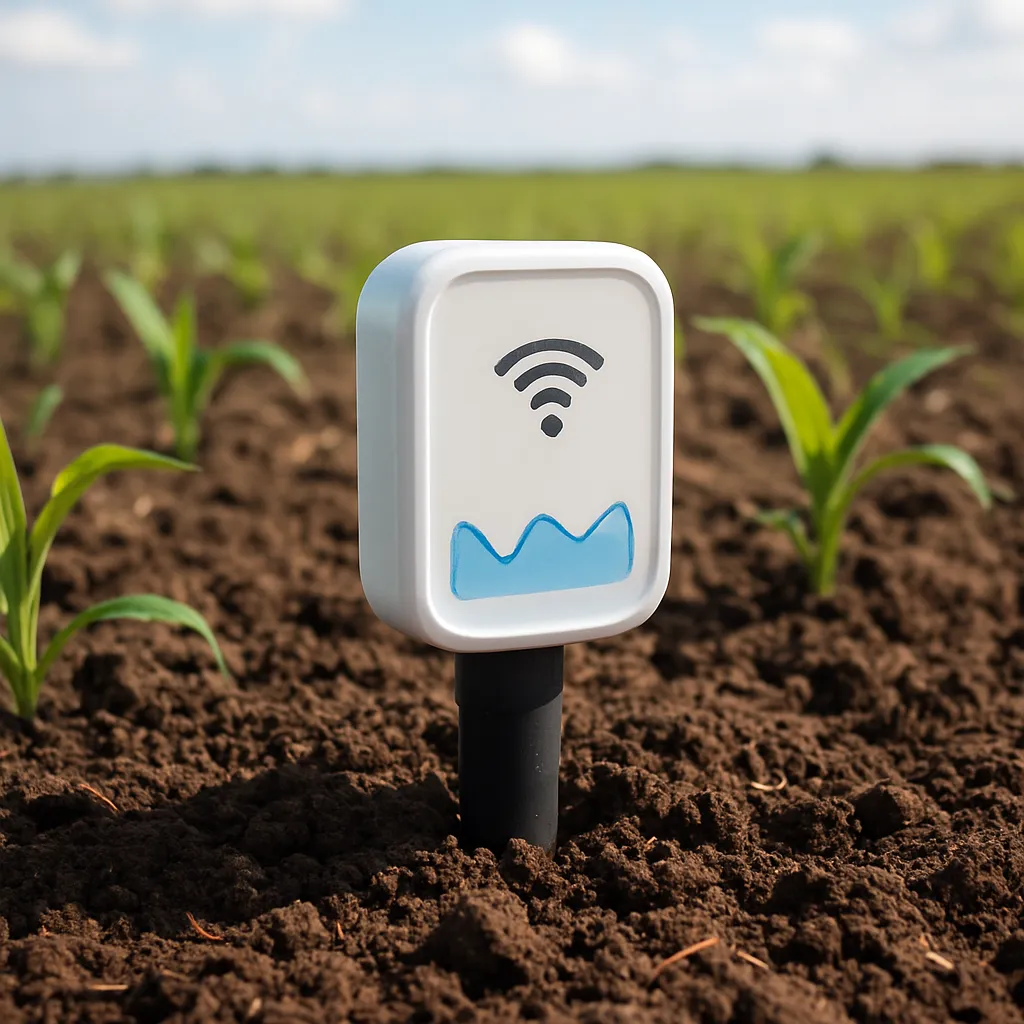
- Integration with Precision Crop Management: Coupling livestock data with soil moisture and crop health sensors fosters holistic farm optimization strategies.
These innovations promise to further reduce manual labor demands, refine decision-making processes, and reinforce environmental stewardship. By creating cohesive ecosystems that encompass both plant and animal systems, modern farms will achieve synergies that drive new levels of efficiency and profitability.
Strategies for Successful Implementation
To ensure seamless adoption of wearable monitoring systems, producers should consider the following strategies:
- Start Small: Pilot projects on a subset of the herd help validate technology choices and identify integration challenges before full-scale rollout.
- Stakeholder Training: Equipping farm staff with the necessary digital literacy skills fosters confidence and encourages proactive system use.
- Data Governance: Establish clear protocols for data ownership, sharing permissions, and compliance with privacy regulations.
- Partner Ecosystems: Collaborate with agritech providers, research institutions, and extension services to stay abreast of best practices and emerging solutions.
- Continuous Improvement: Regularly review system performance metrics and stakeholder feedback, iterating on device placement, network coverage, and analytical models.
By adopting a structured approach that balances technological ambition with practical considerations, farms can achieve sustained improvements in productivity, resilience, and animal welfare.