The Role of Big Data in Agricultural Decision-Making

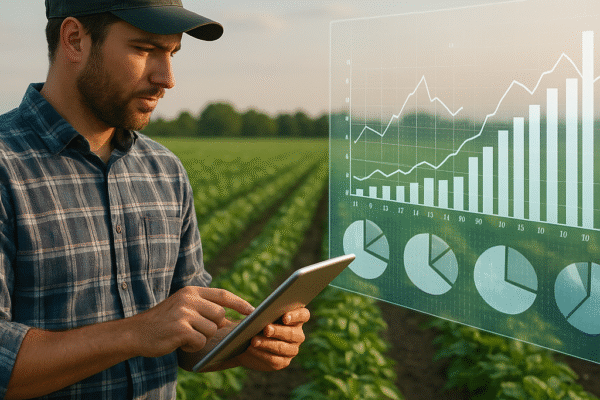
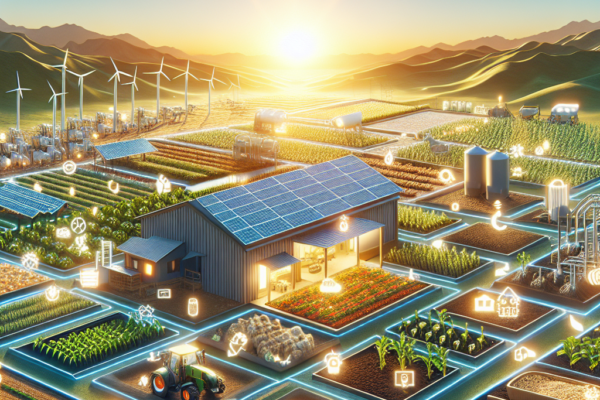
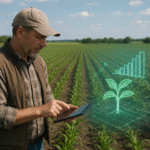
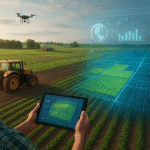
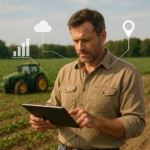
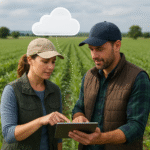
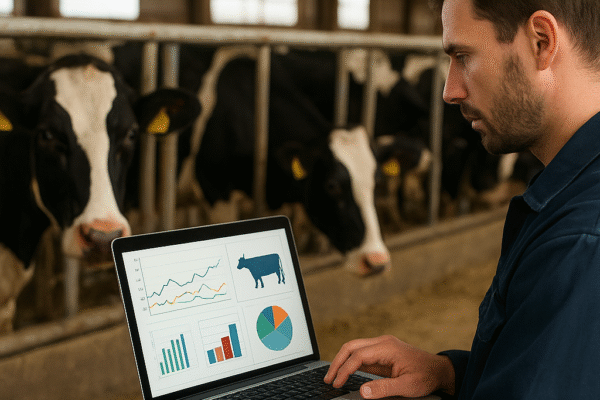
The convergence of advanced analytics and modern farming has propelled agriculture into a new era of innovation. By harnessing vast amounts of data from diverse sources, stakeholders can make informed choices that drive productivity, reduce waste, and advance sustainability. This article explores the transformative influence of big data on agricultural decision-making, examining how it reshapes…

Read More

The Future of Vertical Farming in Urban Spaces

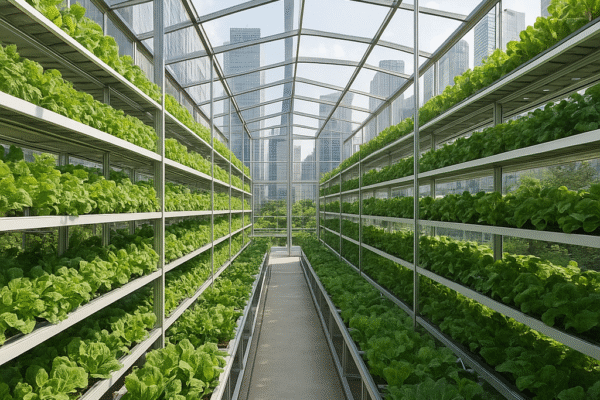
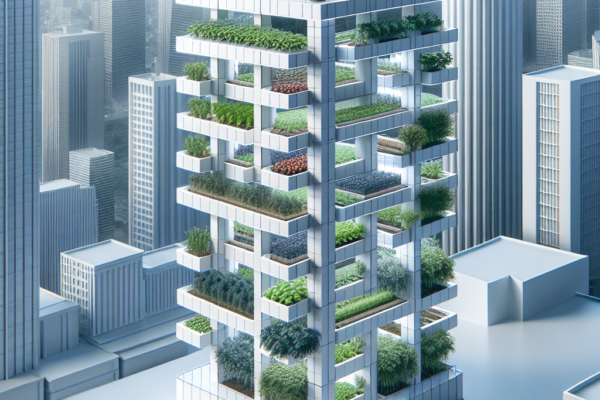
The transformation of urban landscapes through vertical farming represents a significant leap in modern agriculture. By stacking layers of crops in controlled environments, cities can cultivate fresh produce year-round, reduce transportation emissions, and optimize resource efficiency. As metropolitan populations grow, this innovative approach addresses the dual challenge of feeding millions while preserving natural ecosystems. From…

Read More

Hydroponics vs. Aquaponics: Which System Wins?

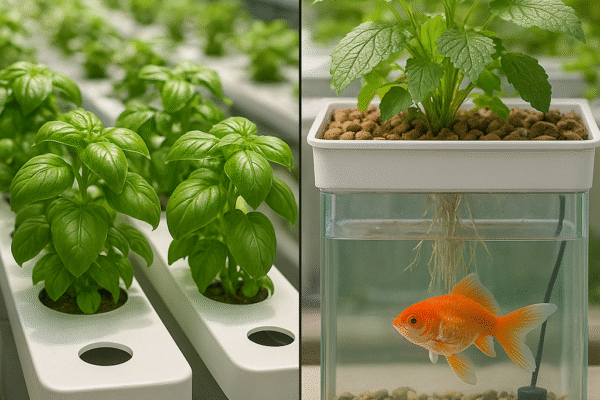
The realm of innovative agriculture has witnessed remarkable strides in recent years, with growers exploring cutting-edge methods to maximize productivity while minimizing environmental impact. Two leading contenders—hydroponics and aquaponics—have emerged as transformative systems capable of redefining modern cultivation. By examining the inner workings, benefits, and challenges of each approach, growers and researchers can determine which…

Read More

How Circular Agriculture Builds a Greener Future

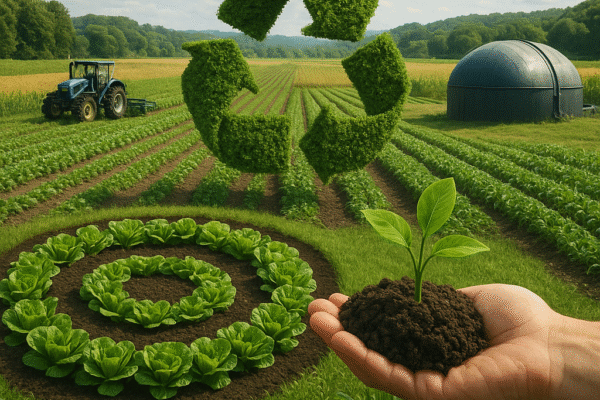
Imagine a farming paradigm that mimics natural ecosystems, where waste becomes a resource and every action contributes to a continuous cycle of growth. Regenerative practices, resource efficiency, and innovative technologies come together to redefine how food is produced. This vision is at the heart of circular agriculture, promising a greener, more resilient future. Understanding Circular…

Read More
Automated Greenhouses: Controlled Environments for Optimal Growth

Automated Greenhouses: Controlled Environments for Optimal Growth

Automated greenhouses represent a significant advancement in agricultural technology, providing controlled environments that optimize plant growth and yield. These sophisticated systems integrate various technologies to monitor and adjust conditions such as temperature, humidity, light, and nutrient levels, ensuring that crops receive the ideal conditions for development. This article delves into the intricacies of automated greenhouses,…

Read More
Zero-Waste Agriculture: Techniques for Reducing Farm Waste

Zero-Waste Agriculture: Techniques for Reducing Farm Waste

Zero-waste agriculture is an innovative approach that aims to minimize waste and maximize efficiency in farming practices. This method not only helps in reducing the environmental impact of agriculture but also enhances the sustainability and profitability of farms. By adopting zero-waste techniques, farmers can contribute to a healthier planet while ensuring the long-term viability of…

Read More
Vertical Farming in Urban Environments: Growing Food in Limited Spaces

Vertical Farming in Urban Environments: Growing Food in Limited Spaces

Vertical farming in urban environments is revolutionizing the way we think about agriculture, offering innovative solutions to grow food in limited spaces. As urban populations continue to swell, the demand for fresh, locally-sourced produce is increasing, and traditional farming methods are struggling to keep up. Vertical farming presents a sustainable and efficient alternative, utilizing advanced…

Read More

Aquaponics: Integrating Fish and Plant Farming for Sustainable Agriculture

Aquaponics is a revolutionary approach to sustainable agriculture that integrates fish farming (aquaculture) with plant cultivation (hydroponics) in a symbiotic environment. This innovative system not only maximizes resource efficiency but also offers a viable solution to some of the most pressing challenges in modern agriculture, such as water scarcity, soil degradation, and the need for…

Read More