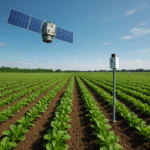
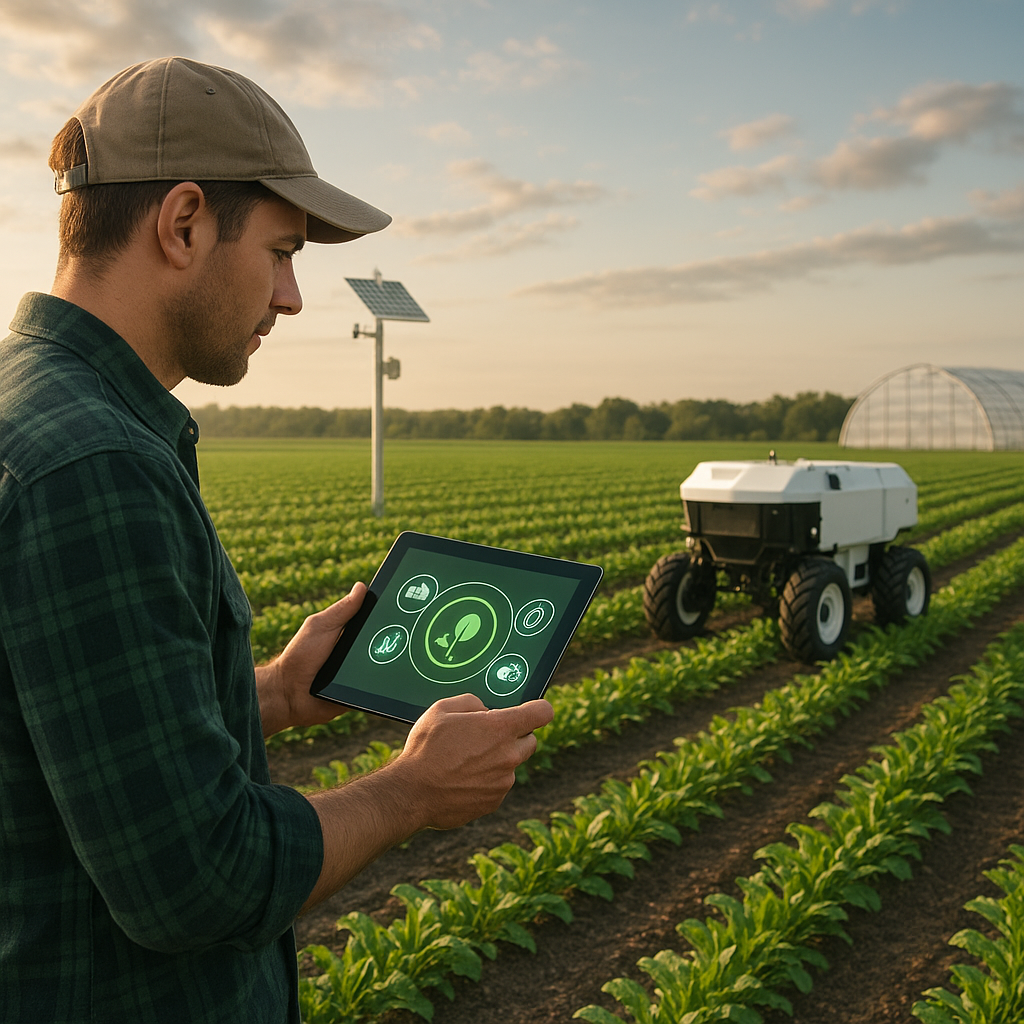
The rapid evolution of **smart farming** technologies is reshaping how we produce food on a global scale. By integrating advanced tools such as **sensors**, **robotics**, and **data-driven** analytics, modern agriculture is on the brink of a profound transformation. This article explores the various facets of this revolution, focusing on cutting-edge innovations, strategies to boost yield, and the sustainable management of precious resources.
The Rise of Smart Technologies in Agriculture
Embracing the Internet of Things
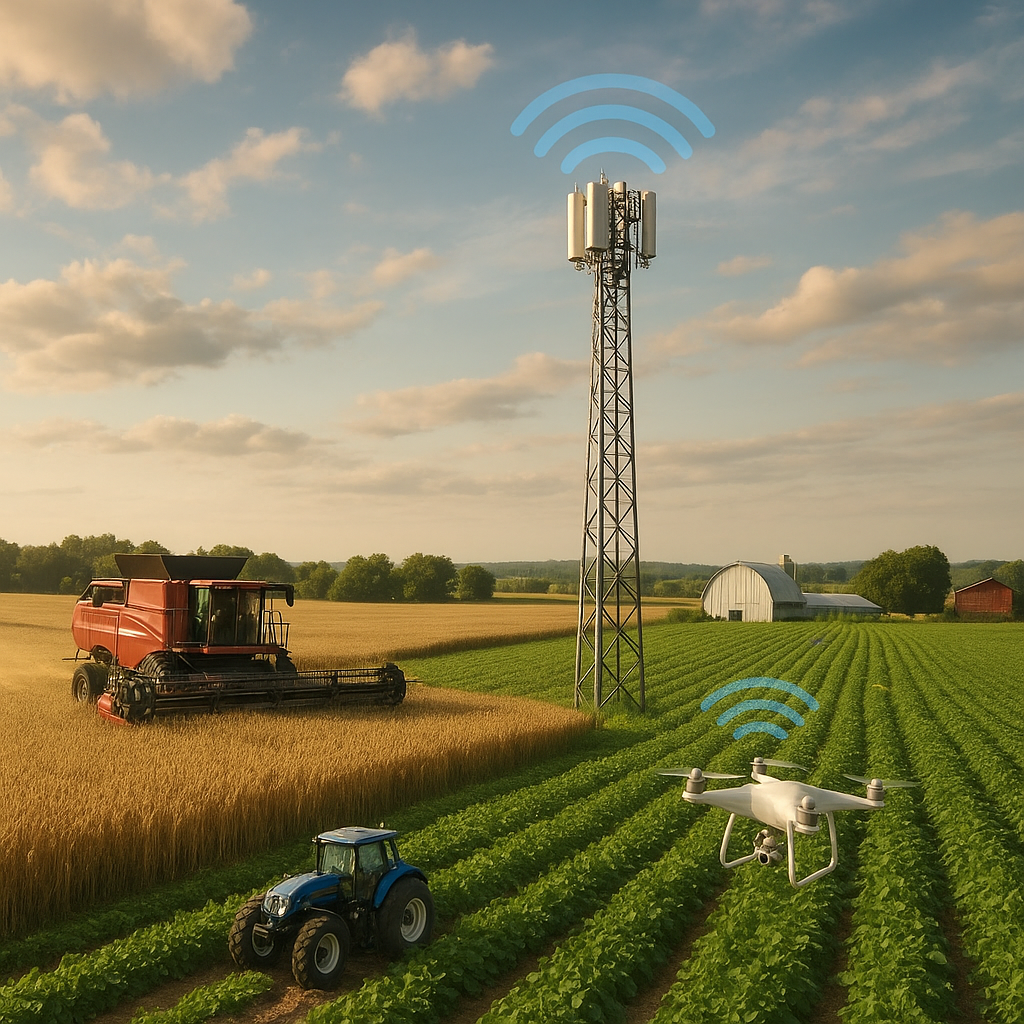
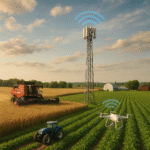
The deployment of the **Internet of Things (IoT)** in agriculture has enabled farmers to gather real-time data on soil moisture, nutrient levels, and weather patterns. Networked devices communicate seamlessly, allowing for automated irrigation, fertilization, and pest control interventions. These advancements are central to achieving **optimization** of inputs and maximizing crop performance.
Robotics and Autonomous Machinery
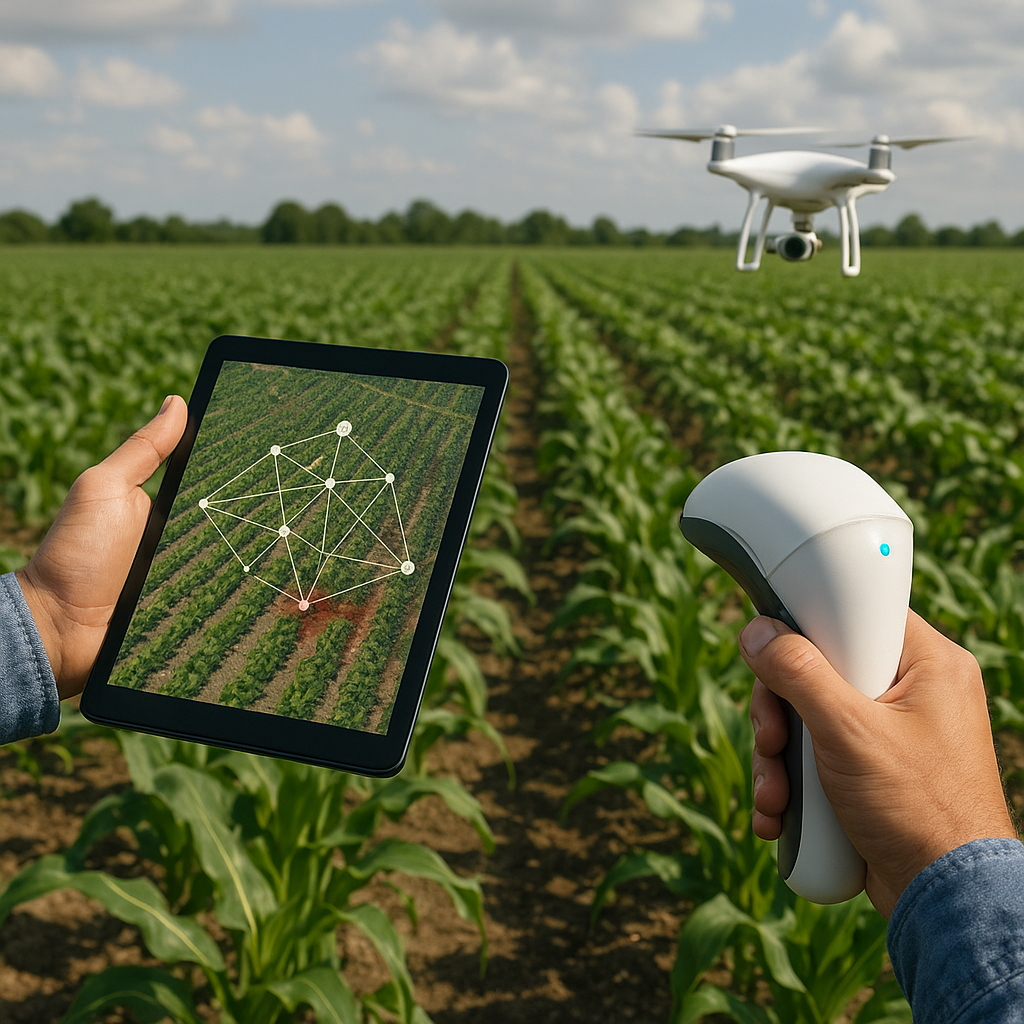
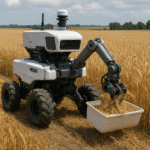
Autonomous tractors, drones, and robotic harvesters are now able to operate with minimal human oversight. Equipped with advanced vision systems, these machines can:
- Map crop growth patterns using aerial imaging;
- Deliver precise amounts of water and nutrients;
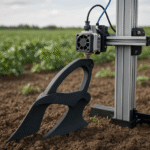
- Detect and remove invasive weeds without harmful chemicals;
- Harvest produce at optimal ripeness for maximum quality.
This convergence of **automation** and machine intelligence reduces labor costs and enhances overall farm **efficiency**.
Enhancing Productivity Through Precision Agriculture
Variable Rate Technology (VRT)
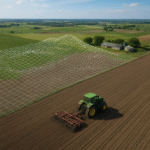
Precision agriculture leverages VRT to adjust the application of seed, fertilizer, and pesticides to match spatial variability across fields. This approach ensures that each segment of farmland receives tailored treatment, reducing waste and environmental impact.
Satellite and Drone Imaging
High-resolution satellite imagery combined with drone flights provides farmers with detailed insights into plant health indicators, such as chlorophyll content and canopy temperature. By interpreting these signals, agronomists can:
- Identify nutrient deficiencies;
- Pinpoint areas stressed by drought or disease;
- Monitor growth stages and predict yield outcomes.
Such **innovations** are instrumental in making timely decisions that safeguard crop performance and elevate production levels.
Data Analytics and Predictive Models
The vast quantities of data generated through IoT networks and remote sensing feed into predictive models. Machine learning algorithms analyze historical and current data to forecast pests, disease outbreaks, and water stress events. By anticipating threats, farmers can adopt proactive measures, thereby enhancing **resilience** against unpredictable conditions.
Sustainability and Resource Management
Water Conservation Strategies
Water scarcity is one of the most pressing challenges in agriculture. Smart irrigation systems equipped with soil moisture sensors and weather forecasts allow farmers to schedule watering only when necessary. This practice cuts down on water usage by up to 30% while maintaining healthy crop growth.
Soil Health and Nutrient Cycling
Maintaining soil fertility is critical for long-term food security. Through continuous monitoring of pH levels and organic matter content, farmers can apply fertilizers in a targeted manner. Cover cropping, reduced tillage, and compost amendments further promote soil structure and microbial activity, reinforcing the principles of **sustainability**.
Reducing Carbon Footprint
Smart farming contributes to lower greenhouse gas emissions via:
- Precision input application to minimize excess fertilizer use;
- Electric and autonomous machinery that runs on renewable energy;
- Optimized logistics chains that reduce transport distances.
These efforts align agricultural practices with global climate goals, amplifying the sector’s role in mitigating environmental impact.
Challenges and Future Directions
Technical and Infrastructural Barriers
While the promise of **automation** and connectivity is immense, many regions lack the necessary digital infrastructure. Limited internet coverage, high costs of advanced machinery, and insufficient technical expertise can hinder adoption. Addressing these gaps requires coordinated investment in rural broadband, training programs, and affordable technology solutions.
Data Privacy and Ownership
As farms become more digitized, concerns over data privacy and ownership mount. Who controls the information collected by farm sensors and drones? Fair policies must be developed to ensure that farmers retain autonomy over their data while benefiting from aggregated insights shared across the industry.
Integrating Smallholder Farms
Smallholder farmers produce a significant portion of the world’s food but often lack resources to implement high-tech solutions. Scalable models—such as shared equipment cooperatives, mobile-based advisory services, and pay-as-you-go IoT devices—can bridge this divide, making **innovation** accessible to diverse agricultural contexts.
Research and Collaborative Networks
The future of **smart farming** lies in interdisciplinary collaboration among agronomists, data scientists, engineers, and policymakers. Research institutions and private firms must partner to:
- Develop robust, field-tested sensor platforms;
- Create open-source analytics tools;
- Standardize data protocols for seamless integration.
Such networks will drive forward **climate resilience** and ensure that smart agriculture meets global food security needs.