The integration of IoT technologies within modern farming has ushered in an era of unprecedented productivity and data-driven decision making. By leveraging a network of interconnected devices, growers gain actionable insights into soil conditions, weather patterns, and plant health. This article explores the transformative impact of IoT in crop monitoring, illustrating how real-time data and automated systems yield remarkable gains in efficiency, resource management, and long-term Sustainability.
IoT Sensors and Data Acquisition
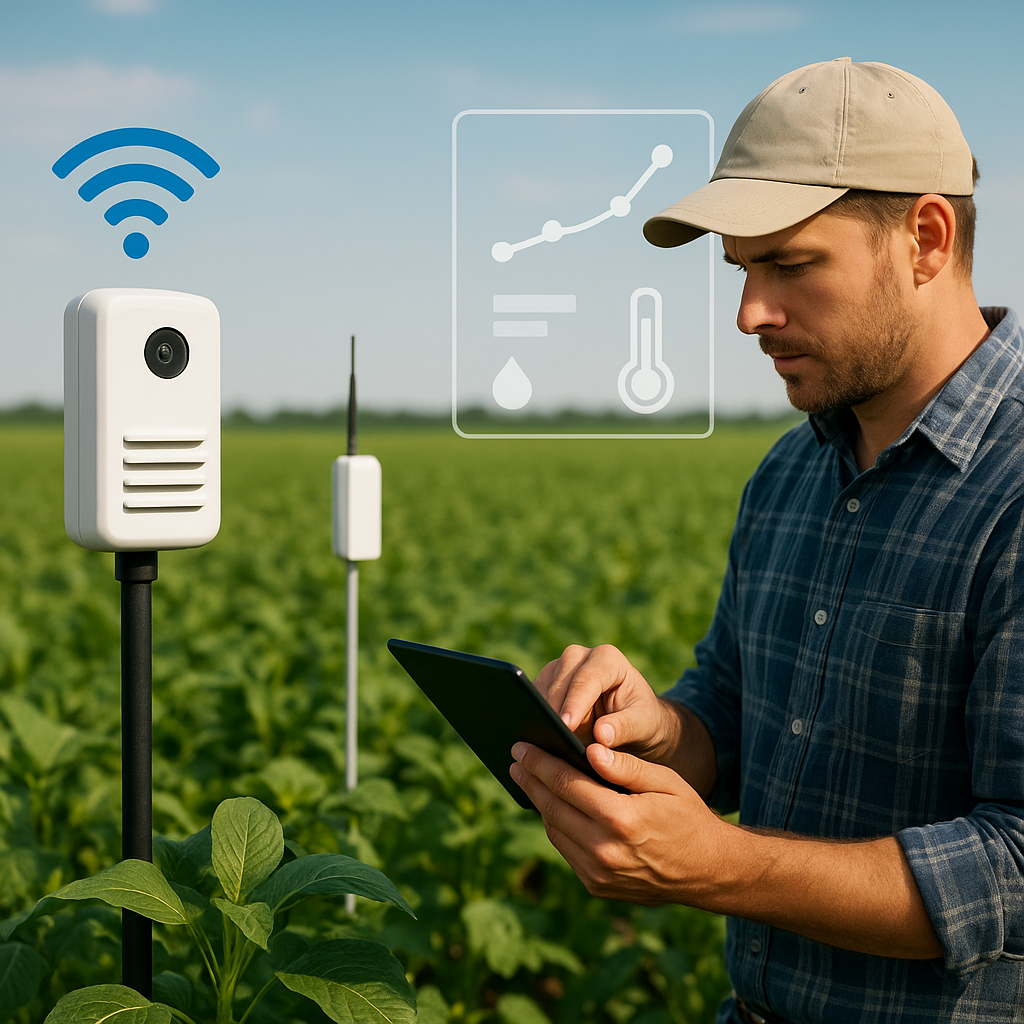
At the heart of any IoT-driven agricultural system lies an array of specialized sensors designed to track key environmental indicators. These sensors measure:
- Soil moisture and temperature
- Ambient air humidity and temperature
- Leaf wetness and chlorophyll levels
- Light intensity and UV exposure
- Nutrient concentrations (pH, nitrogen, phosphorus, potassium)
Each sensor transmits continuous readings via wireless connectivity—commonly using LPWAN, LoRaWAN, or NB-IoT protocols—into a centralized platform. Once aggregated, this fine-grained data forms the backbone of advanced crop monitoring solutions.
Network Architecture and Deployment
Successful implementation demands a robust network topology. Gateways relay sensor data from field nodes to cloud servers, ensuring minimal latency and high uptime. Engineers carefully position nodes to balance coverage and battery life, while redundancy mechanisms safeguard against single-point failures.
Data Calibration and Validation
Raw sensor outputs require calibration against laboratory benchmarks to ensure accuracy. Periodic in-field validation visits by agronomists confirm that device readings align with actual conditions. Such quality control steps eliminate measurement drift and maintain data integrity over extended growing seasons.
Precision Farming and Real-Time Analytics
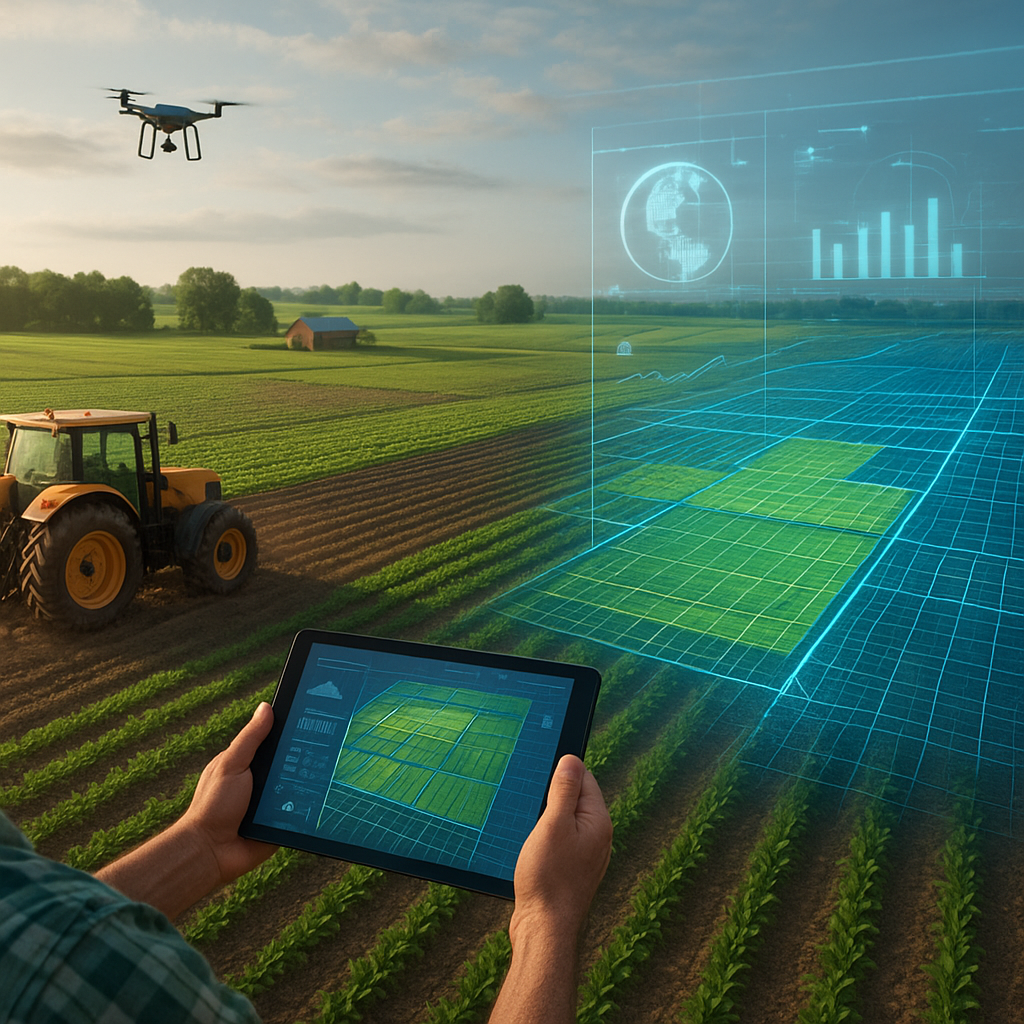
Precision farming harnesses sensor datasets to tailor irrigation, fertilization, and pest control to the unique needs of individual crop zones. Instead of blanket treatments, farmers can implement variable-rate applications based on precise field conditions. Key advantages include:
- Reduced water consumption through targeted irrigation
- Optimized fertilizer use, minimizing nutrient runoff
- Early detection of disease or pest outbreaks
- Enhanced crop uniformity and quality
Automated Irrigation Systems
Integrating soil moisture sensors with automated valves allows for dynamic irrigation schedules. When moisture drops below a preconfigured threshold, pumps activate to deliver just the right volume of water. This automation not only saves labor but also conserves a critical resource, especially in water-scarce regions.
Predictive Analytics and Machine Learning
Advanced platforms apply machine learning algorithms to historical and live datasets, forecasting yield outcomes and identifying stress patterns before they become visible. Models can predict fungal infestation risk based on humidity trends or estimate harvest dates by analyzing growing degree days. Such predictive analytics empower farmers to plan labor, storage, and market strategies well in advance.
Sustainability and Future Trends
The fusion of IoT and agriculture champions both economic and environmental goals. By maximizing crop output per unit of input, farms achieve higher profitability while reducing their ecological footprint. Key sustainability benefits include:
- Lower greenhouse gas emissions via optimized machinery use
- Reduced chemical leaching through precise agrochemical applications
- Improved soil health thanks to data-driven crop rotations and cover cropping
- Enhanced biodiversity by monitoring habitat conditions for pollinators
Energy Harvesting and Edge Computing
Looking forward, many sensor nodes will adopt solar panels or kinetic energy harvesters, eliminating the need for battery replacements. Meanwhile, real-time processing at the network edge reduces data transfer volumes and latency, allowing for instantaneous alerts and autonomous responses.
Blockchain for Traceability
Blockchain ledgers promise to record every IoT data point immutably, offering end-to-end traceability from seed to shelf. Consumers gain unprecedented visibility into crop provenance, and producers can verify adherence to organic or fair-trade standards, thereby commanding premium prices in global marketplaces.
Climate Resilience and Global Impact
As climate variability intensifies, IoT-based monitoring equips farmers with the tools to adapt swiftly. Drought forecasting, frost warnings, and heat stress indicators—delivered through mobile dashboards—enable proactive mitigation measures. Across developing regions, low-cost sensor kits and smartphone apps are democratizing access to precision agriculture, enhancing food security on a global scale.
By weaving together resilience and resource stewardship, IoT-driven crop monitoring is redefining the future of farming. As connectivity expands and artificial intelligence matures, the path toward truly smart, sustainable agriculture becomes ever more attainable.