Advancements in agricultural technology have ushered in a new era of harvesting, where intelligent systems work side by side with farmers to optimize crop collection. The integration of machine vision into harvesting operations promises to elevate productivity and quality while reducing environmental impact. This article delves into the core aspects of how visual intelligence is transforming the field of smart harvesting and shaping the future of impressive agriculture.
Exploring the Foundations of Visual Intelligence
The concept of using cameras and computer algorithms to interpret visual data dates back decades, but its application in agriculture has accelerated thanks to breakthroughs in deep learning and affordable sensor technology. Traditional harvesting methods rely heavily on manual labor or simple mechanical separators. By contrast, systems equipped with advanced image-processing capabilities can distinguish between ripe and unripe produce, detect disease or damage, and guide harvesting tools with millimeter accuracy.
Key components underpinning this foundation include:
- Sensors: Multi-spectral, hyper-spectral, and RGB cameras capture details invisible to the naked eye, such as chlorophyll levels or moisture stress.
- Algorithms: Convolutional Neural Networks analyze pixel-level information to classify fruit maturity, shape irregularities, or pest infestations in real time.
- Edge computing: Onboard processors handle massive image data streams without relying on distant servers, ensuring instant feedback loops for field equipment.
By combining these elements, modern smart harvesters achieve greater precision than ever before, minimizing waste and maximizing output.
Technological Pillars Driving Smart Harvesting
Several innovations have converged to make smart harvesting both feasible and cost-effective for growers of all scales. The following pillars highlight the most impactful breakthroughs:
1. Advanced Optical Imaging
Beyond standard color cameras, agricultural machines now employ:
- Hyperspectral imaging to capture data across dozens or hundreds of wavelengths, revealing chemical composition and stress markers in plants.
- Thermal sensors for temperature mapping, which can indicate water stress or disease before visual signs appear.
- 3D vision systems that assess fruit shape and volume, enabling accurate yield estimation and reducing damage during picking.
2. Intelligent Decision-Making Models
Integration of AI models empowers machinery to:
- Distinguish between target crops and surrounding foliage with high confidence.
- Adapt to variations in lighting, weather, and plant phenotypes.
- Optimize picking sequences to maximize throughput and minimize fruit bruising.
3. Robotics and Actuation
Combining perception with manipulation, robotic harvesters leverage:
- Adaptive grippers that conform to different shapes and textures, protecting delicate produce.
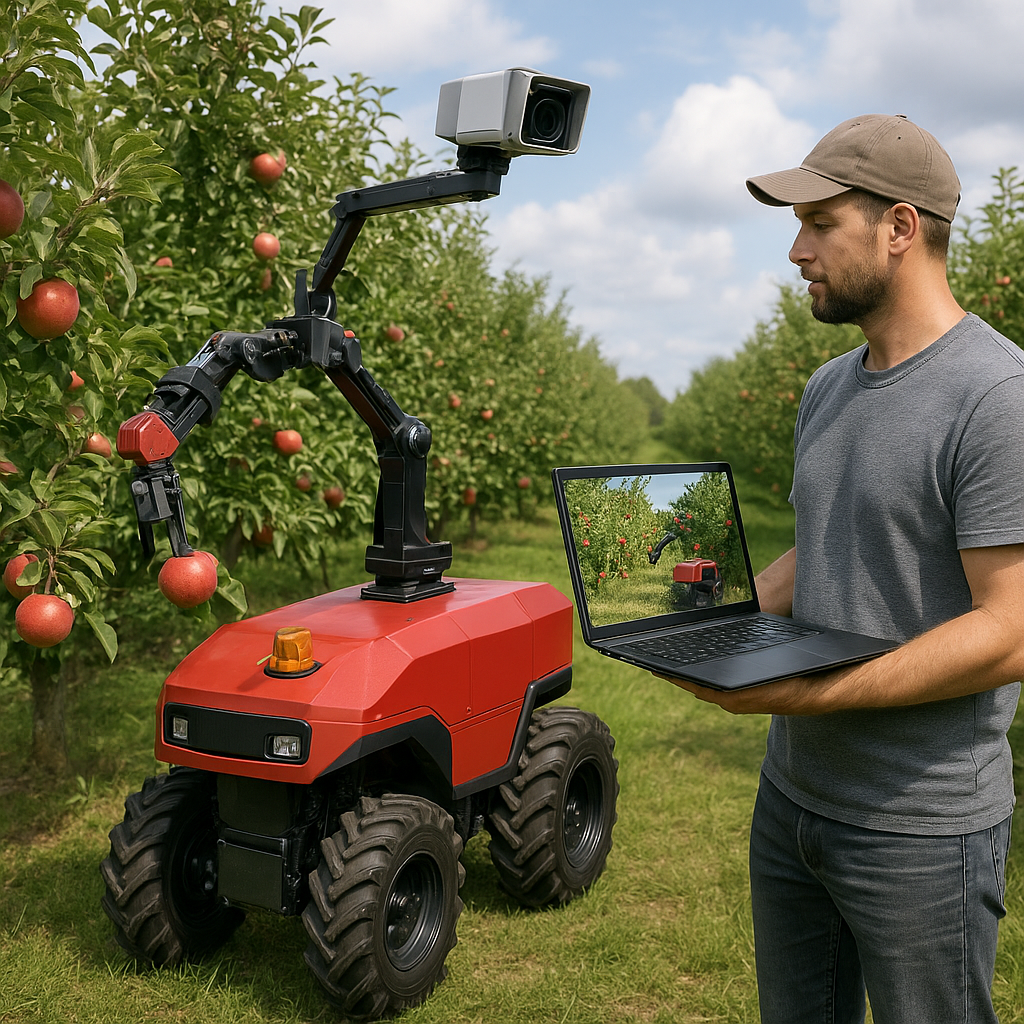
- Articulated arms and mobile platforms guided by real-time vision, capable of navigating uneven terrain.
- Integrated automation frameworks that synchronize multiple tools for coordinated harvesting.
Transformational Applications and Tangible Benefits
Smart harvesting systems are no longer a futuristic concept. They are actively deployed in orchards, vineyards, and specialty crop farms worldwide. The following applications showcase their broad impact:
- Berry farms using vision-guided pickers to sort ripe strawberries at the point of harvest, reducing post-harvest sorting labor by 60% and increasing overall efficiency.
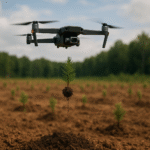
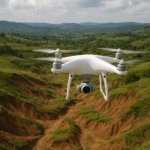
- High-density apple orchards employing UAVs equipped with multispectral cameras to map fruit load and direct ground robots for selective picking, enhancing yield and lowering chemical usage.
- Greenhouse tomato operations where machine-vision-equipped conveyors automatically remove damaged or diseased fruit, preserving quality standards and reducing food waste.
Key benefits achieved through these deployments include:
Enhanced Productivity
Machines operate consistently for extended hours, unaffected by fatigue or distractions. Farms report up to a 40% increase in daily harvesting capacity compared to manual methods.
Improved Crop Quality
By detecting subtle defects or signs of over-ripening, vision-driven harvesters ensure only top-grade produce reaches packing lines, boosting market value.
Resource Conservation
Precise targeting reduces unnecessary handling and damage, which in turn lowers water and fertilizer requirements by avoiding overproduction.
Labor Optimization
Skilled operators can oversee multiple machines remotely, shifting from repetitive picking tasks to higher-level management roles.
Environmental Sustainability
Reduced mechanical waste and optimized field passes minimize soil compaction and greenhouse gas emissions, aligning with broader sustainability goals.
Challenges and Pathways for Future Growth
Despite impressive advances, several hurdles remain on the journey to fully autonomous harvesting:
- Variability in plant appearance across cultivars and growing conditions complicates model generalization.
- Environmental factors such as rain, dust, and low light can degrade sensor performance.
- High upfront costs and maintenance of advanced hardware present barriers for small-scale farmers.
Ongoing research aims to address these challenges through:
Robust Data Augmentation
Expanding training datasets with synthetic images and varied conditions enhances the adaptability of vision algorithms.
Collaborative Robotics
Human–machine teaming strategies combine human judgment with robotic consistency to handle complex or delicate tasks.
Modular and Scalable Designs
Developing plug-and-play sensor and compute modules lowers entry costs and simplifies upgrades as technology matures.
Integration with Farm Management Systems
Seamless data exchange among sensors, harvesters, and resource planners drives continuous optimization across the entire production cycle.
As these innovations converge, the future of smart harvesting promises ever-greater returns in throughput and quality, forging a more resilient and productive agricultural landscape.