The rapid evolution of agricultural technologies is reshaping how we cultivate food, manage resources, and ensure food security for a growing global population. By 2030, smart agriculture will integrate advanced tools and methods, driving unprecedented gains in efficiency and resilience. This guide explores cutting-edge trends and reveals how tomorrow’s farms will operate with a blend of innovation, automation, and eco-conscious practices.
Precision Farming and Data-driven Decisions
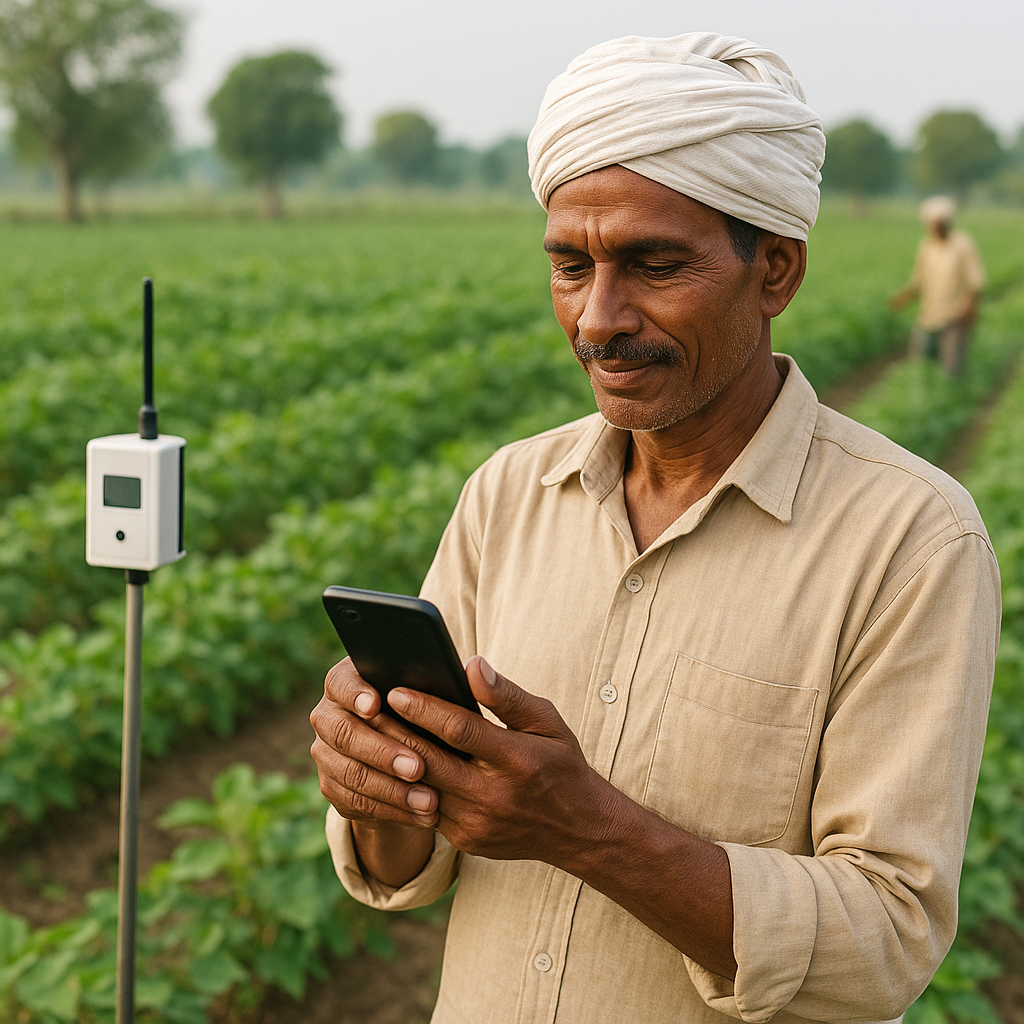
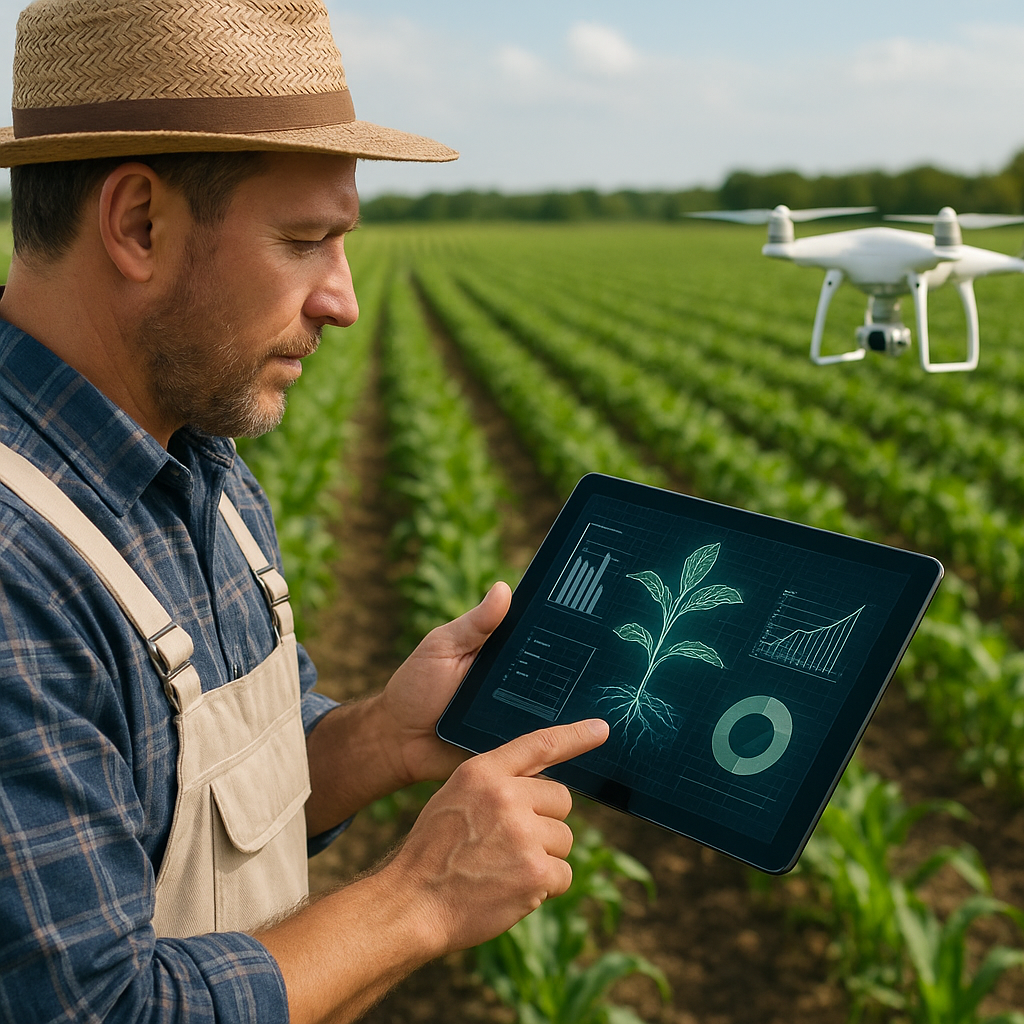
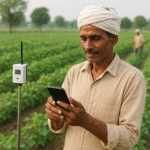
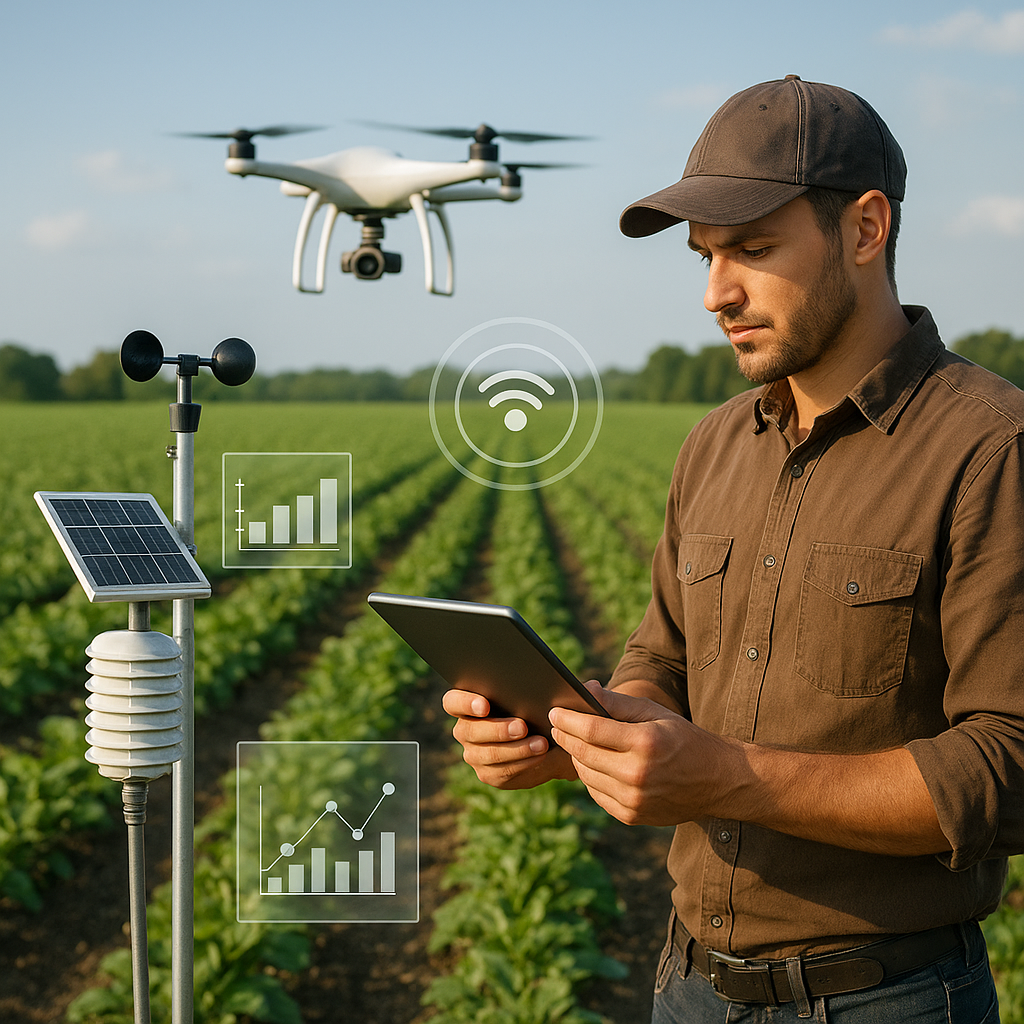
Farmers are leveraging IoT sensors, remote monitoring, and satellite imagery to gather real-time insights on soil health, crop growth, and weather conditions. These data streams feed into AI algorithms that optimize planting schedules, irrigation cycles, and nutrient management plans. By embracing data analytics, producers can:
- Reduce waste through targeted resource application
- Improve yield predictions with machine learning models
- Detect early signs of pest infestations and disease
As a result, precision farming transforms agriculture from a one-size-fits-all approach into a tailored, site-specific system that maximizes output while minimizing environmental impact.
Automation and Robotics in the Field
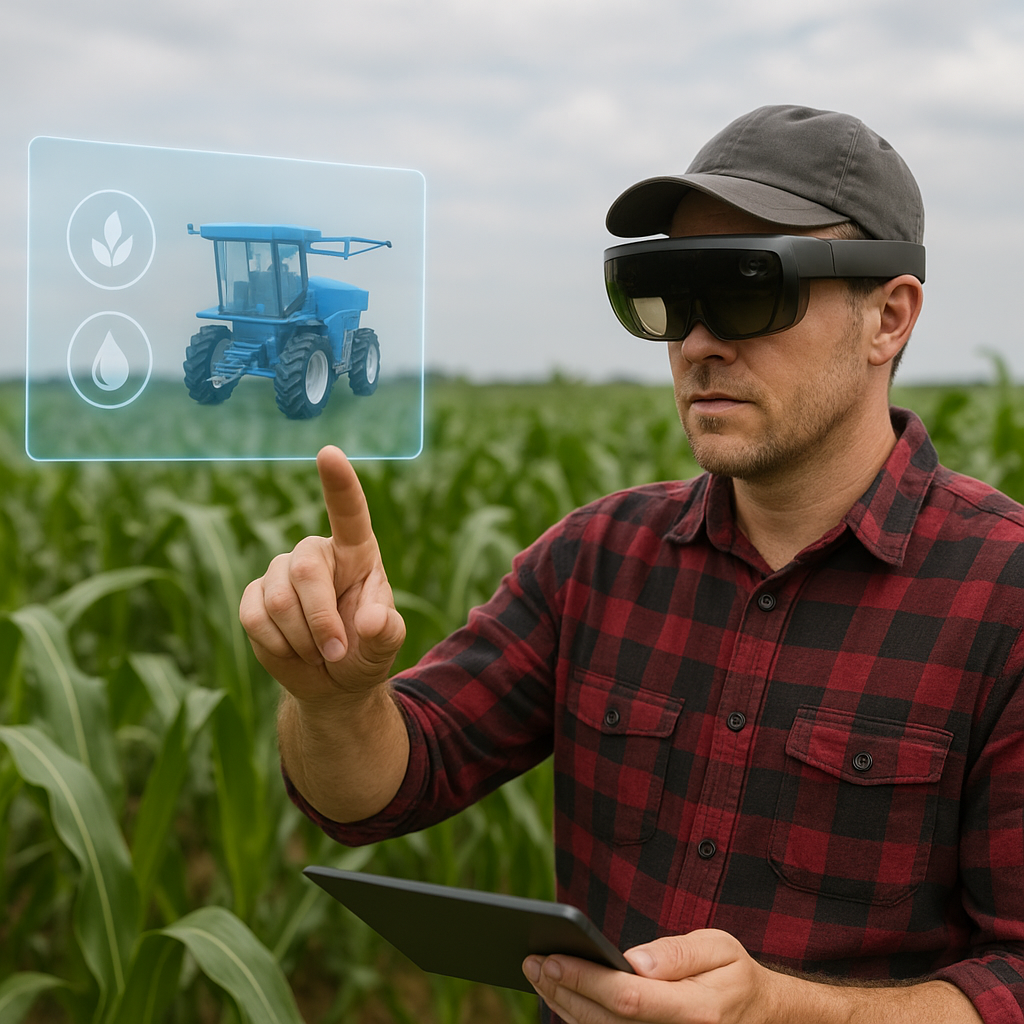
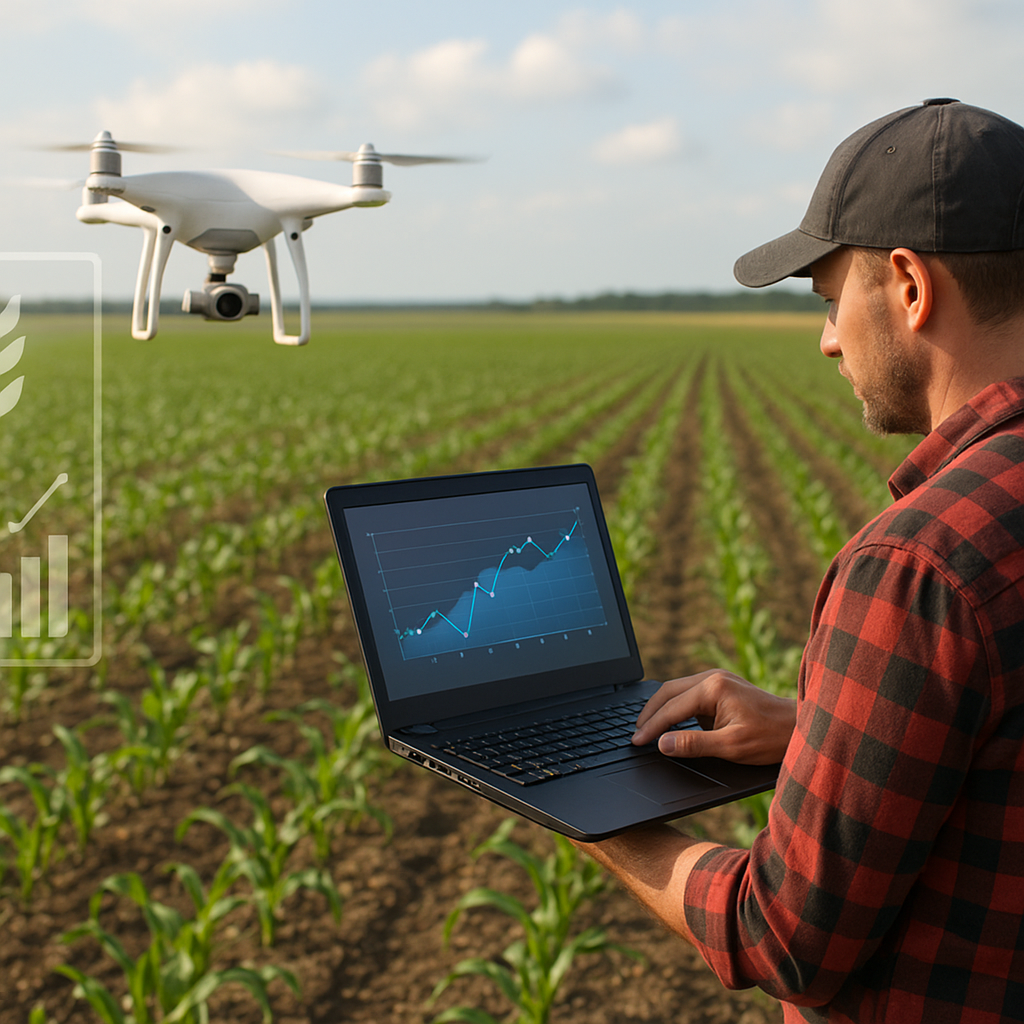
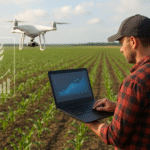
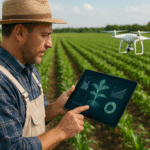
Robotic platforms and autonomous vehicles are set to revolutionize field operations. Self-driving tractors equipped with robotics arms can perform tilling, seeding, and spraying with micron-level accuracy. Drones patrol expansive fields, capturing high-resolution imagery to map crop vigor and moisture levels. Advanced harvesters can:
- Navigate uneven terrain using computer vision
- Sort produce based on ripeness and size
- Pack fruits and vegetables directly into containers
The integration of these machines not only addresses labor shortages but also enhances productivity by operating around the clock, irrespective of weather or daylight.
Sustainable Practices for a Greener Future
Meeting global food demand requires a shift toward sustainability. Vertical farming and aquaponics systems reduce land use while recycling water and nutrients. Controlled environment agriculture (CEA) facilities harness LED lighting, climate control, and automated feeding to achieve consistent yields year-round. Renewable energy sources such as solar panels and wind turbines power greenhouses, cutting carbon footprints. Other eco-friendly strategies include:
- Cover cropping to prevent soil erosion
- Biochar application for enhanced carbon sequestration
- Precision water management via drip irrigation
These methods foster resilience against climate change and conserve vital ecosystems.
Innovations in Crop Genetics and Biotechnology
Advances in CRISPR and gene-editing technologies are accelerating the development of crop varieties with improved traits. Scientists can now engineer plants that withstand drought, resist pests, and thrive in marginal soils. Biotechnology-driven breakthroughs include:
- Enhanced nitrogen efficiency to reduce fertilizer use
- Fortified nutrient profiles for better human health
- Rapid breeding cycles through genomic selection tools
By tailoring genetics to specific environments, farmers will cultivate resilient cultivars, ensuring stable production even under adverse conditions.
Digital Marketplaces and Supply Chain Transparency
Blockchain and distributed ledger technologies are forging transparent supply chains. Consumers can trace produce from farm to table, verifying organic certifications and fair-trade credentials. Digital marketplaces aggregate data on demand fluctuations and commodity prices, enabling:
- Dynamic pricing models that benefit both growers and buyers
- Smart contracts to automate payment and delivery processes
- Real-time inventory tracking to reduce spoilage
These technological frameworks foster trust between stakeholders and streamline logistics across global markets.
Market Drivers and Policy Support
Government incentives, private investments, and public-private partnerships are fueling research and adoption of smart agriculture solutions. Subsidies might offset the initial cost of high-tech equipment, while regulatory frameworks ensure data privacy and ethical AI use. Key drivers include:
- National strategies for digital transformation in agriculture
- International collaborations on climate-resilient farming
- Grants for smallholders to adopt sustainable practices
Policy support is critical to lowering entry barriers and fostering equitable growth across both large and small operations.
Challenges and Ethical Considerations
Despite its promise, smart agriculture raises important questions about data ownership, workforce displacement, and ecological impacts. Farmers must navigate:
- Cybersecurity risks associated with connected devices
- Potential job losses as automation displaces manual labor
- Biodiversity concerns stemming from monoculture expansion
Addressing these challenges requires collaborative governance, robust training programs, and ethically grounded innovation to ensure technology serves society at large.