The design of modern farming structures demands a blend of robust engineering, smart planning, and creative application of materials to withstand unpredictable weather patterns. By focusing on resilience and adaptability, agricultural facilities can ensure uninterrupted operations, safeguard crops, and optimize resource use. This article explores key strategies and pioneering approaches that drive impressive agriculture toward long-term sustainability and operational excellence.
Enhancing Durability with Advanced Materials
Synthetic Composites for Structural Strength
Farms face constant threats from hail, wind, and UV exposure, making the choice of construction materials critical. Synthetic composites—engineered blends of polymers and fibers—offer exceptional durability under extreme conditions. They resist corrosion, reduce weight compared to steel, and maintain structural integrity over decades. Innovations in fiber orientation and resin chemistry have led to panels and support beams that flex under heavy loads then snap back without permanent deformation, ensuring long-term stability of greenhouses, storage sheds, and animal shelters.
Smart Coatings and Surface Treatments
Advances in nanotechnology enable surface treatments that repel water, endure chemical exposure, and self-clean through photocatalytic action. Applying hydrophobic or oleophobic coatings on greenhouse glazing can prevent algae buildup, boost light transmission, and minimize maintenance. Reflective coatings on exterior walls mitigate heat absorption, contributing to passive cooling. These layers of protection not only shield core building components but also enhance overall energy efficiency, reducing operational costs across seasons.
Designing for Climatic Extremes
Wind and Storm Resistance Strategies
High-velocity winds and sudden storms are a growing concern in many regions. Structural designs now incorporate aerodynamic roofs with curved profiles to deflect gusts and reduce uplift forces. Reinforced anchoring systems tether foundations with deep-set piles or helical anchors, securing buildings against lateral movement. Modular panels with interlocking joints enhance collective strength, distributing stress evenly across the framework. Such strategies collectively enhance the protection of both facility and workforce during severe weather events.
Thermal Regulation and Energy Efficiency
Maintaining optimal internal temperatures is crucial for crop productivity and equipment longevity. Double-walled polycarbonate panels, filled with insulating air gaps, trap heat in winter and block excessive solar gain in summer. Integrating phase-change materials (PCMs) within walls or ceilings buffers temperature fluctuations by storing and releasing thermal energy throughout the day. Coupled with adjustable vents and high-efficiency fans, these systems deliver precise climate control, maximizing crop yield while minimizing energy consumption.
Innovative Water and Soil Management Systems
Rainwater Harvesting Infrastructure
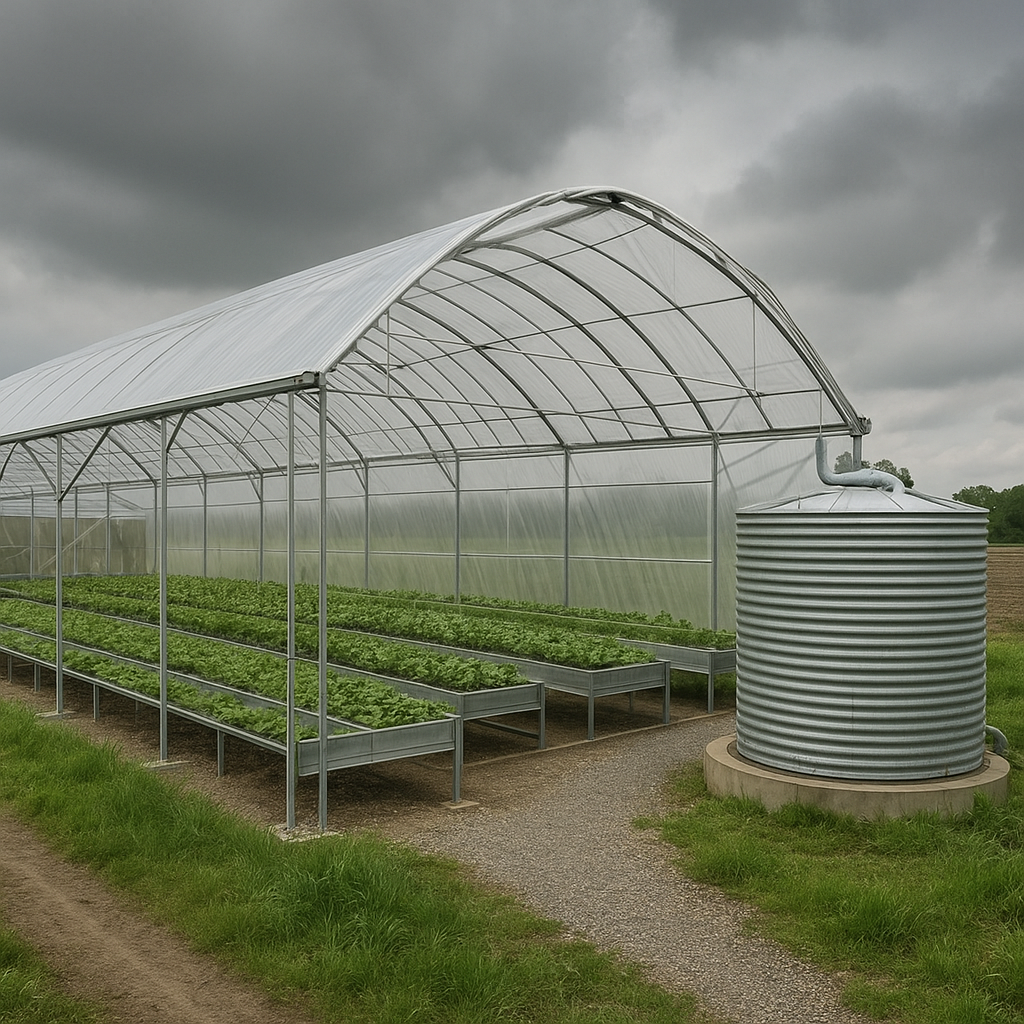
Securing water supplies during droughts demands smart collection and storage solutions. Roof catchment systems funnel precipitation into aboveground or subterranean tanks, often treated with UV filtration and sedimentation filters. Modular bladders and flexible reservoirs adapt to farm layouts, scaling capacity where needed. Integrating real-time level sensors and automated pumps optimizes distribution, ensuring that irrigation networks meet crop demands without waste.
Precision Soil Moisture Control
Irrigation efficiency leaps forward with sensor networks that monitor soil moisture at multiple depths. Drip lines connected to automatic valves deliver water directly to root zones, guided by data analytics predicting water needs based on soil type and crop stage. Variable-rate irrigation systems adjust flow across zones, conserving resources while driving uniform crop development. This approach embodies innovation in water conservation and boosts long-term sustainability.
Case Studies of Impressive Agriculture Installations
Desert Greenhouse in Arid Regions
In regions plagued by extreme heat and scarce rainfall, a pioneering greenhouse employs reflective ETFE cushions and a passive cooling system. The structure channels cool night air through subterranean ducts, storing it in thermal mass walls to release during the day. Solar panels power automated irrigation, while treated brackish water moisten sand beds, creating a microclimate conducive to vegetable cultivation year-round. This project highlights the marriage of climate adaptation and technological ingenuity.
Vertical Farming in Urban Environments
Sky-high agricultural towers redefine space use in cities by stacking tiered planting beds under LED lighting. The building’s façade integrates double-skin glazing, buffering external temperature swings. Nutrient-film technique (NFT) channels circulate tailored solutions through root matrices, reducing water use by up to 90% compared to traditional fields. This dense farming method showcases how infrastructure design can transform underutilized urban real estate into productive farmland.
Emerging Trends and Technologies
IoT Sensors and Real-Time Monitoring
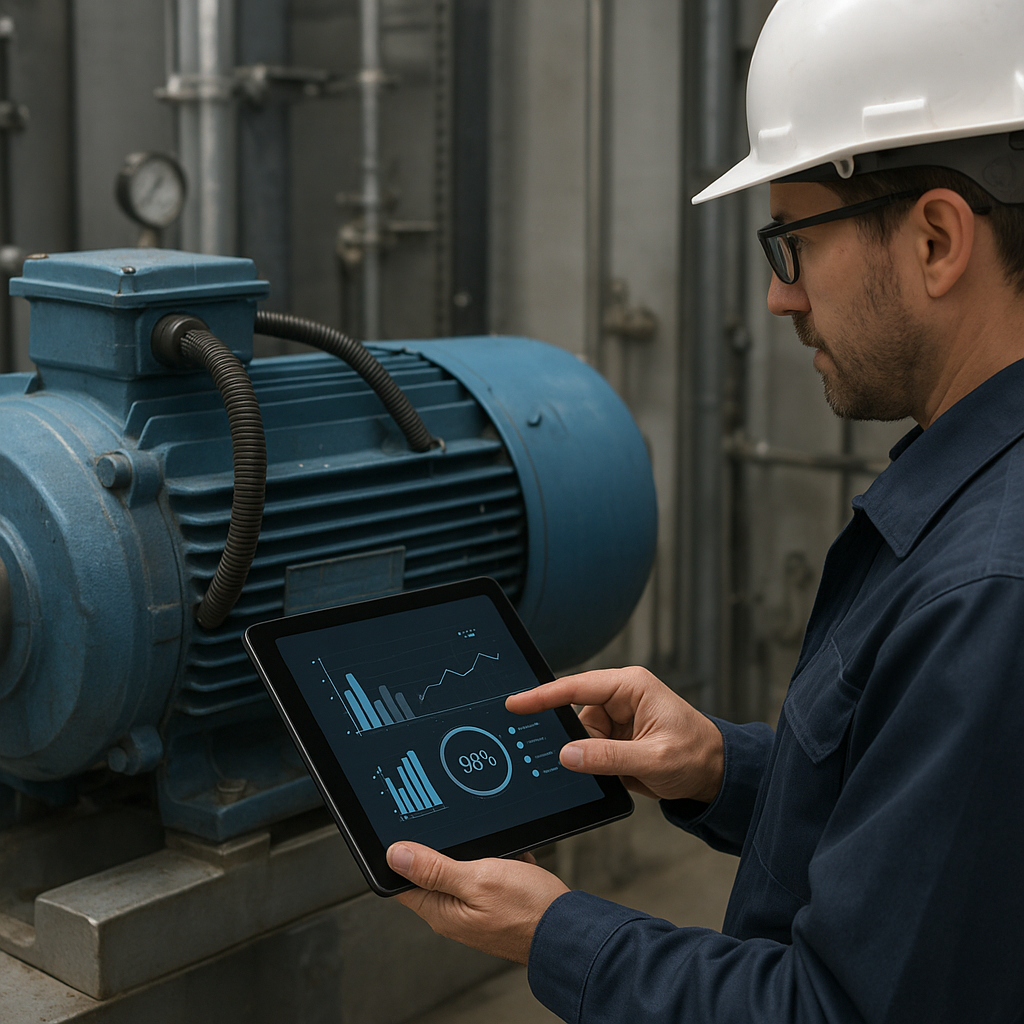
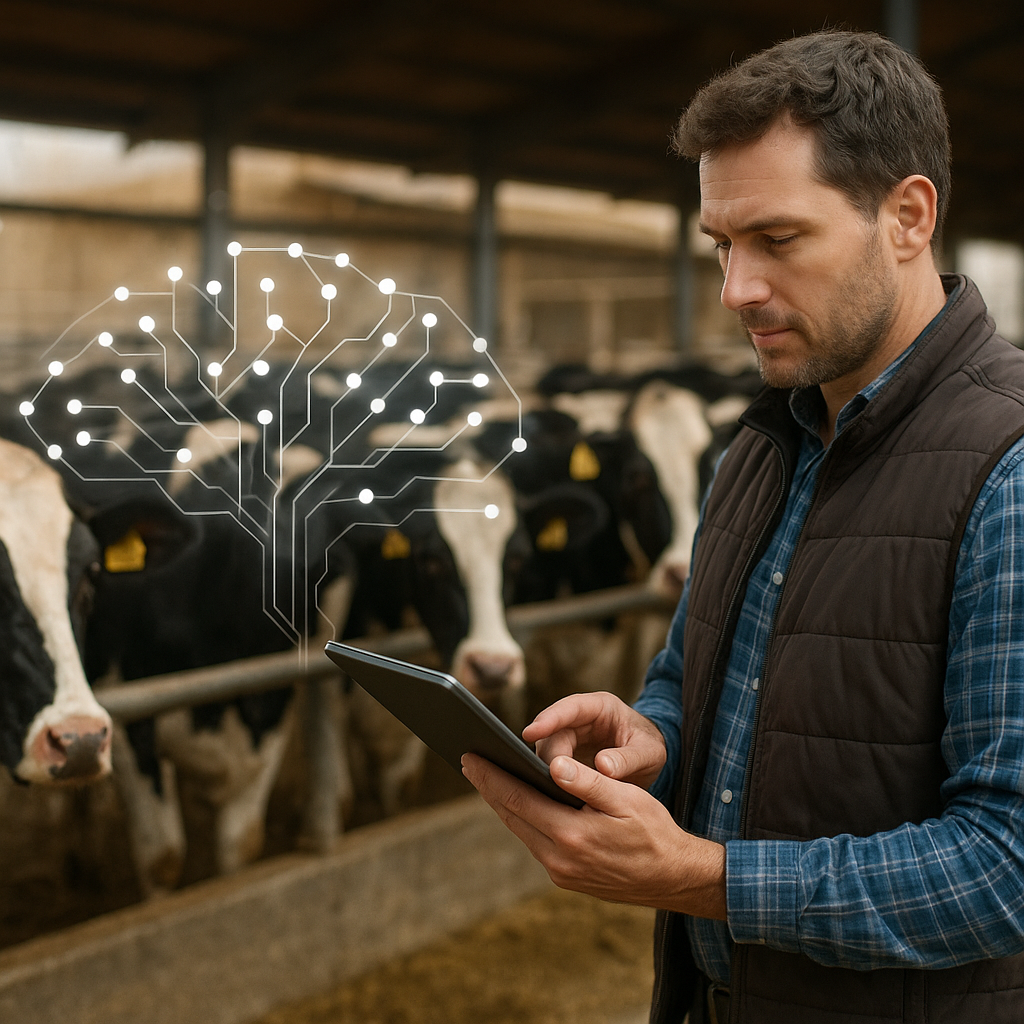
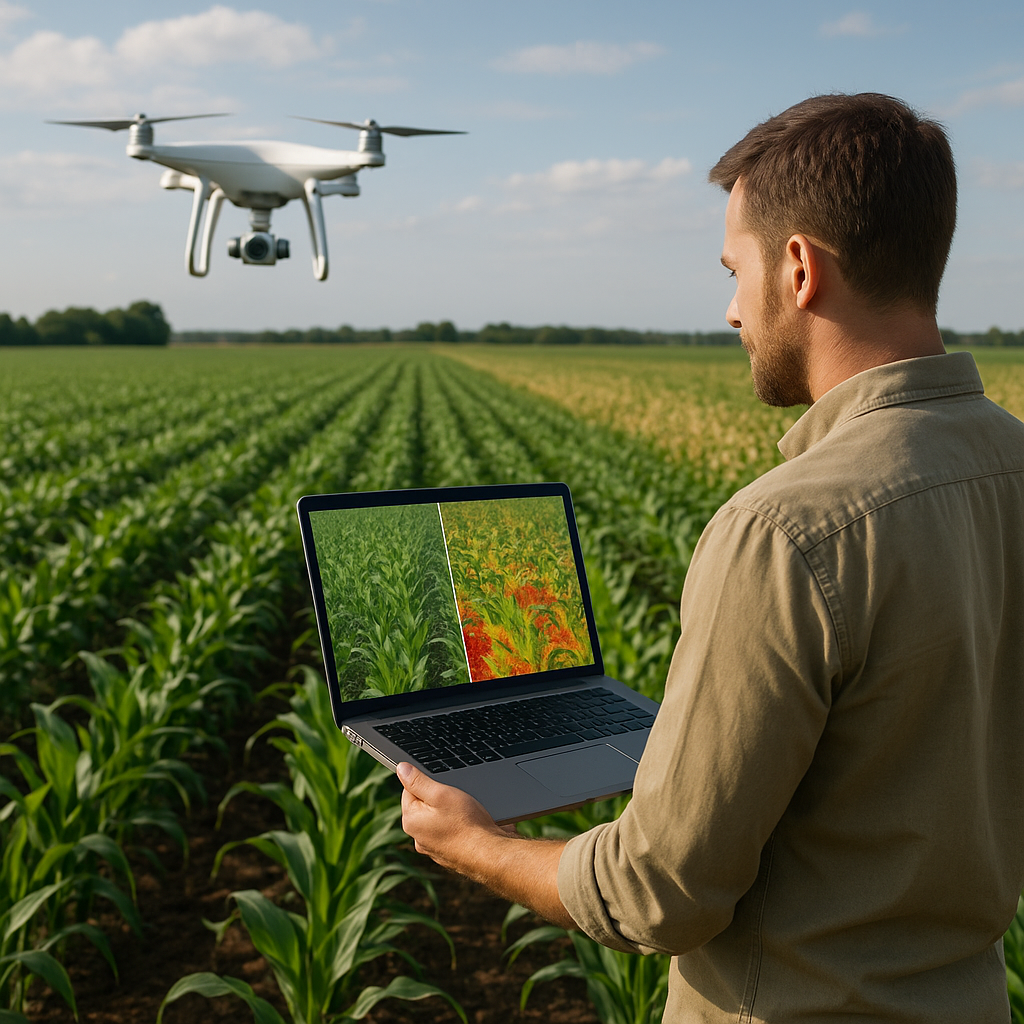
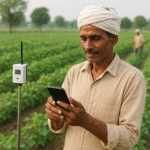
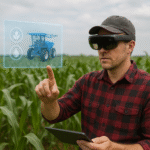
Networked sensors throughout barns, greenhouses, and fields track humidity, temperature, and structural stress indicators. Data is fed into cloud-based dashboards, triggering alerts when conditions drift outside safe parameters. Predictive maintenance algorithms analyze trends to schedule repairs before failures occur, drastically cutting downtime. This connected approach elevates operational efficiency and fosters proactive management of complex agricultural systems.
Renewable Energy Integration
Solar arrays, small-scale wind turbines, and biomass digesters power farm operations with minimal carbon footprint. Combined with battery storage and microgrid controllers, these systems deliver uninterrupted electricity, even in remote locations. Excess energy can drive desalinators or dehydration units for value-added processing. This synergy of clean power and agricultural production advances cost-effectiveness while aligning with global sustainability goals.
By harnessing advanced materials, climate-adaptive designs, and smart resource management, farmers around the globe are building weather-resistant infrastructures that deliver reliable performance and protect investments. These remarkable innovations are steering agriculture into a future defined by durability, productivity, and environmental stewardship.