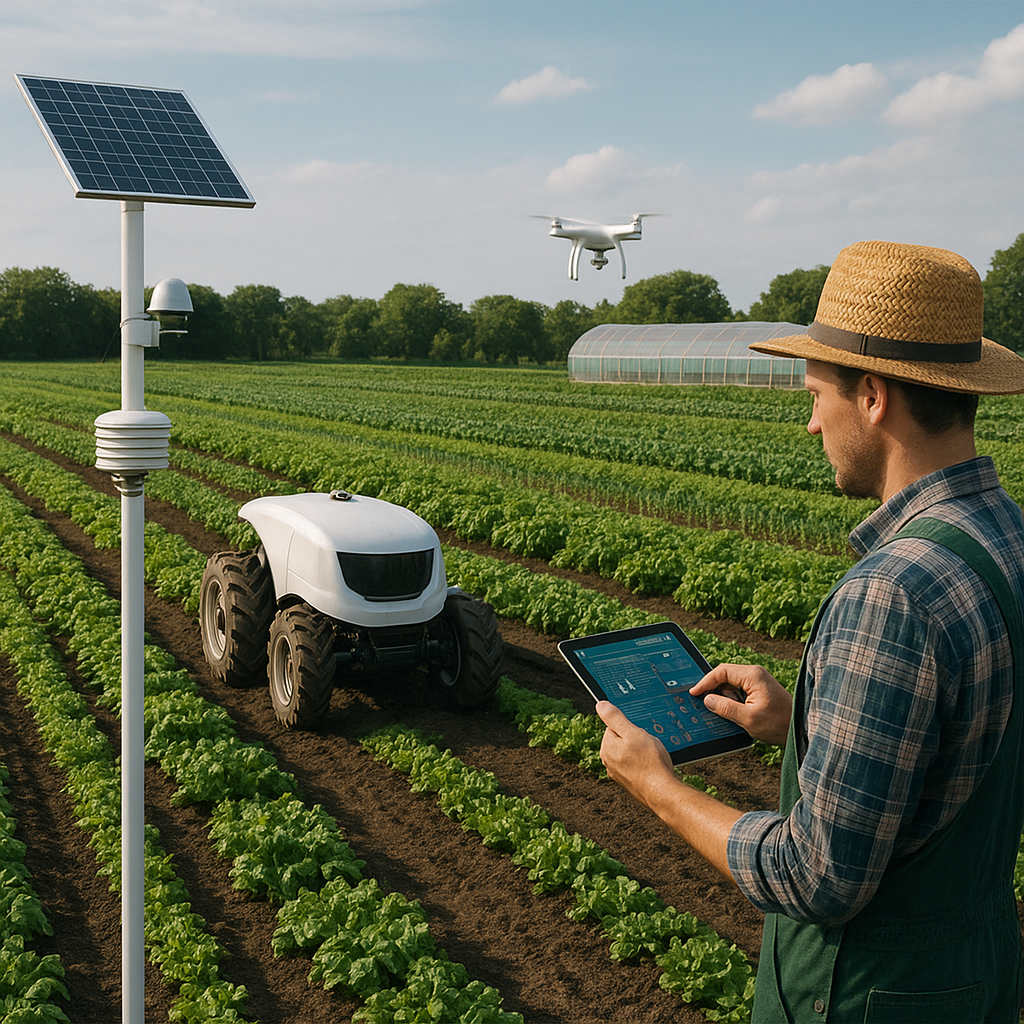
Emerging methods in agriculture are redefining how we cultivate food, transforming waste into resources and maximizing every drop of water, electron, and nutrient. By integrating cutting-edge tools and systems, zero-waste farming becomes a tangible reality, ensuring that no byproduct goes unused. Farmers and researchers worldwide are collaborating to harness the power of sensors, robotics, and data analytics, creating highly efficient ecosystems that mimic nature’s own closed loops.
Harnessing Technological Innovations
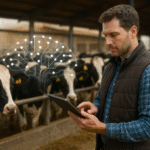
At the heart of zero-waste farming is the seamless fusion of hardware and software. Modern greenhouses employ precision controls to regulate humidity, light spectra, and temperature down to fractions of a degree. By using advanced sensors to detect nutrient levels in real time, automated dosing systems apply just the right amount of fertilizer, eliminating runoff and preserving water. This innovation not only reduces environmental impacts but also drives up plant yields and crop quality.
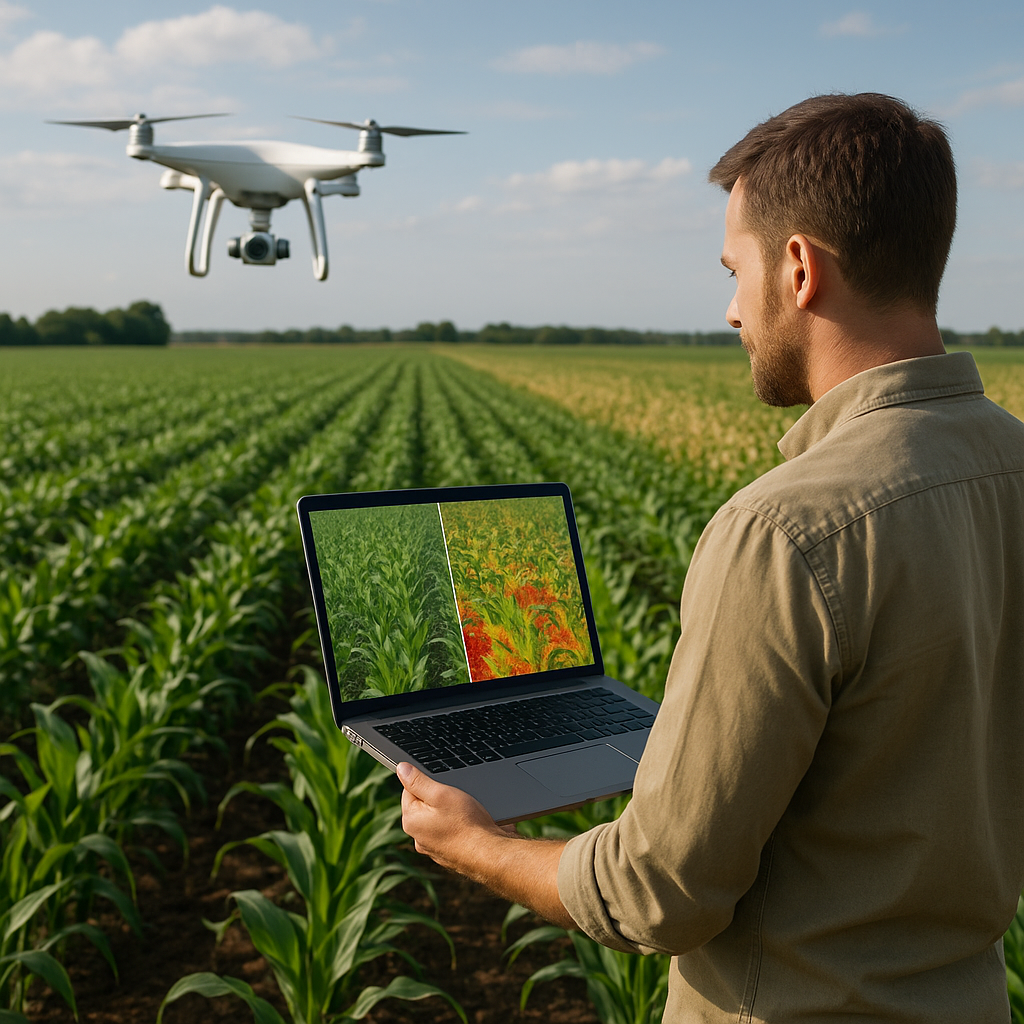
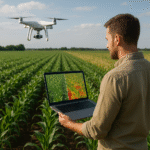
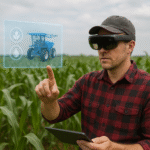
Autonomous tractors and drones fitted with multispectral cameras map fields in high resolution, pinpointing areas of stress before symptoms appear. These machines can adapt their behavior based on live telemetry, performing spot treatments with microbial inoculants rather than broadcasting chemicals across entire plots. The result is a dramatic reduction in agrochemical use and fuel consumption, aligning with the principles of sustainable agriculture.
Modular Bioreactors and Aquaponics
- Modular bioreactors cultivate algae and beneficial microorganisms from waste streams, converting organic byproducts into biofertilizers.
- In integrated aquaponics systems, fish effluent nourishes hydroponic beds, while plant roots purify water for aquatic life—establishing a true symbiosis.
- Energy generated by solar panels and small-scale wind turbines powers pumps, lights, and control units, creating an off-grid production unit.
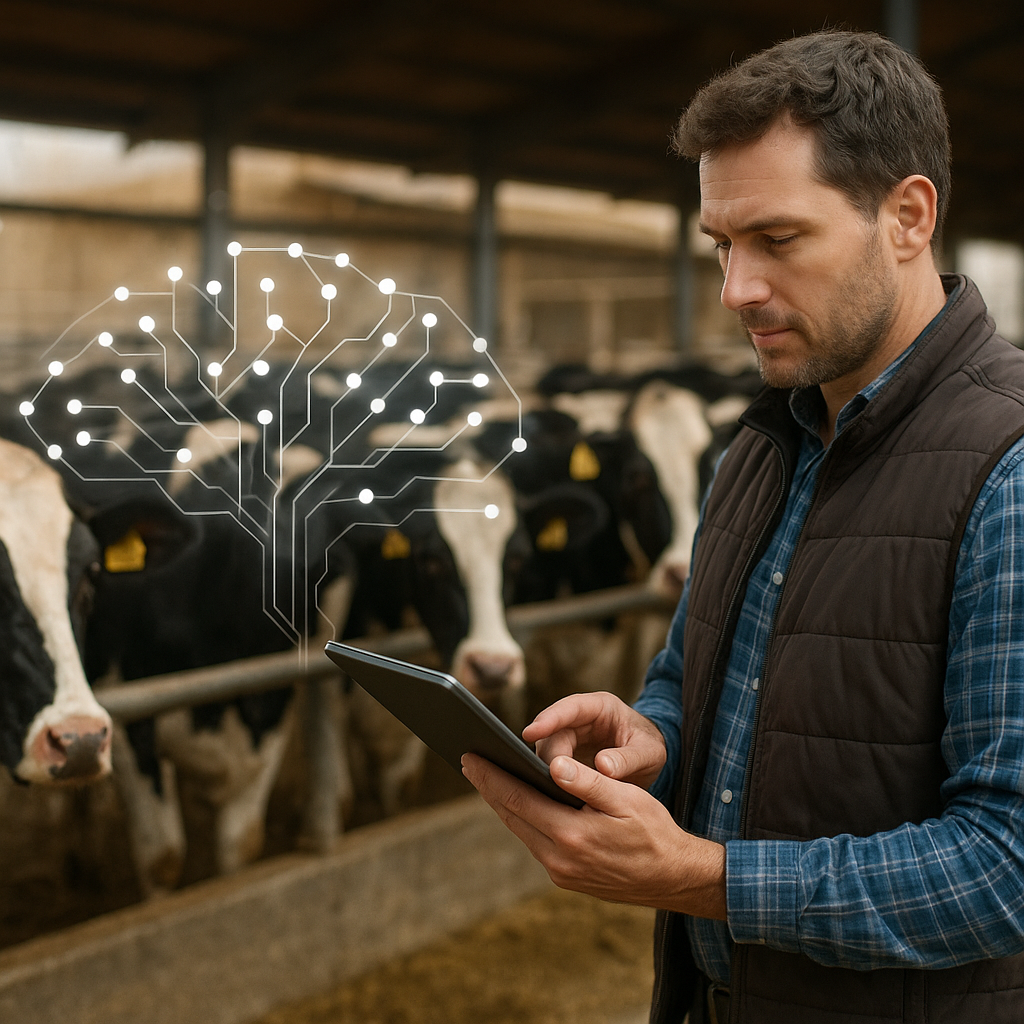
Advances in artificial intelligence allow these systems to learn and optimize autonomously, gradually refining their internal cycles and increasing overall efficiency. This self-optimizing behavior represents a major leap forward in achieving zero-waste objectives without constant human intervention.
Implementing Circular Systems in Practice
Circular frameworks in agriculture strive to preserve resources by continuously recirculating inputs. Manure and crop residues once regarded as waste are now processed through anaerobic digesters, generating biogas for heating greenhouses and producing nutrient-rich digestate for soil amendment. Every byproduct finds a new purpose.
On commercial farms, automated sorting lines can separate crop waste into fiber, liquid, and nutrient fractions. The fibrous portion becomes compost or packaging material, while liquids feed algae reactors. Remaining solids are processed into natural pesticides or consolidated as animal feed, achieving near-total material utilization.
Closed-Loop Water Management
- Rainwater harvesting systems capture and store precipitation, reducing reliance on groundwater.
- Membrane filtration and UV sterilization ensure that recycled runoff meets stringent quality standards.
- Smart valves and networked pipes distribute water precisely, matching plant requirements at every growth stage.
By maintaining water in a closed circuit, farms can slash consumption by up to 90%, addressing scarcity concerns while boosting drought resilience. Wastewater from processing facilities is treated on-site, recovering both water and nutrients for secondary cultivation cycles.
Environmental Benefits and Ecosystem Services
Zero-waste farming extends beyond productivity gains; it actively restores ecosystems and enhances biodiversity. Cover crops, intercropping designs, and habitat corridors integrated into farm layouts foster pollinator populations and beneficial insects. Such biodiversity services can reduce pest pressures and pollination shortfalls, further diminishing the need for synthetic inputs.
Soil health is another critical dimension. Regenerative practices, including no-till seeding and biochar amendments, boost carbon sequestration while improving soil structure. As organic matter accumulates, soils become more water-retentive and robust against erosion, contributing to climate change mitigation efforts.
Carbon and Nutrient Cycling
- Sequestered carbon from cover crops and residues mitigates greenhouse gas emissions.
- On-farm composting loops recycle nutrients back into crop production, minimizing external fertilizer demands.
- Multi-trophic systems, such as agroforestry coupled with livestock grazing, create layered interactions that enhance ecosystem stability.
These integrated strategies exemplify how zero-waste principles can generate ecosystem services—clean water, fertile soils, and stable microclimates—while maintaining or boosting yields.
Socioeconomic Impacts of Zero-Waste Farming
Transitioning to zero-waste models can improve farm profitability and local economies by reducing input costs and creating value-added products. Biogas sold to nearby facilities and performance data services offered to other farmers open new revenue streams beyond traditional crop sales.
Communities benefit from decentralized production, as small-scale circular farms supply fresh produce to local markets, cutting logistics expenses and food miles. Workforce skill requirements shift toward technical expertise, creating opportunities in system management, data analysis, and equipment maintenance.
Education and extension services are pivotal for scaling these practices. Collaborative platforms that share open-source designs for components like digesters, sensors, and automation controllers foster wider adoption. Farmers form cooperatives to pool resources, establishing shared processing centers and joint marketing initiatives.
Challenges and Future Prospects
Despite remarkable progress, challenges persist. High initial investment in specialized equipment can deter adoption, especially for smallholders. Complex system integration requires interdisciplinary expertise, straining technical support networks in rural areas.
Maintenance of advanced machinery demands reliable power and internet connectivity—conditions not universally available. Moreover, regulatory frameworks must evolve to accommodate novel byproducts derived from waste streams, such as microbial fertilizers and reclaimed water standards.
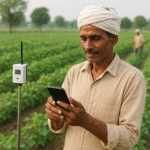
Looking ahead, breakthroughs in low-cost sensors and modular manufacturing promise to lower entry barriers. Collaborative research networks are exploring decentralized AI platforms that operate offline, expanding accessibility to remote regions. Pilot projects blending indigenous knowledge with modern technologies are also emerging, demonstrating that zero-waste farming can respect cultural traditions while driving sustainability.
Scaling Up for Global Food Security
To realize the promise of zero-waste agriculture at scale, stakeholder coordination is essential. Governments can incentivize circular infrastructure through grants and tax breaks, while banks develop financing instruments tailored to the phased rollout of integrated systems. Private investors recognize the long-term returns of resilient supply chains and are funding startups focused on turnkey solutions.
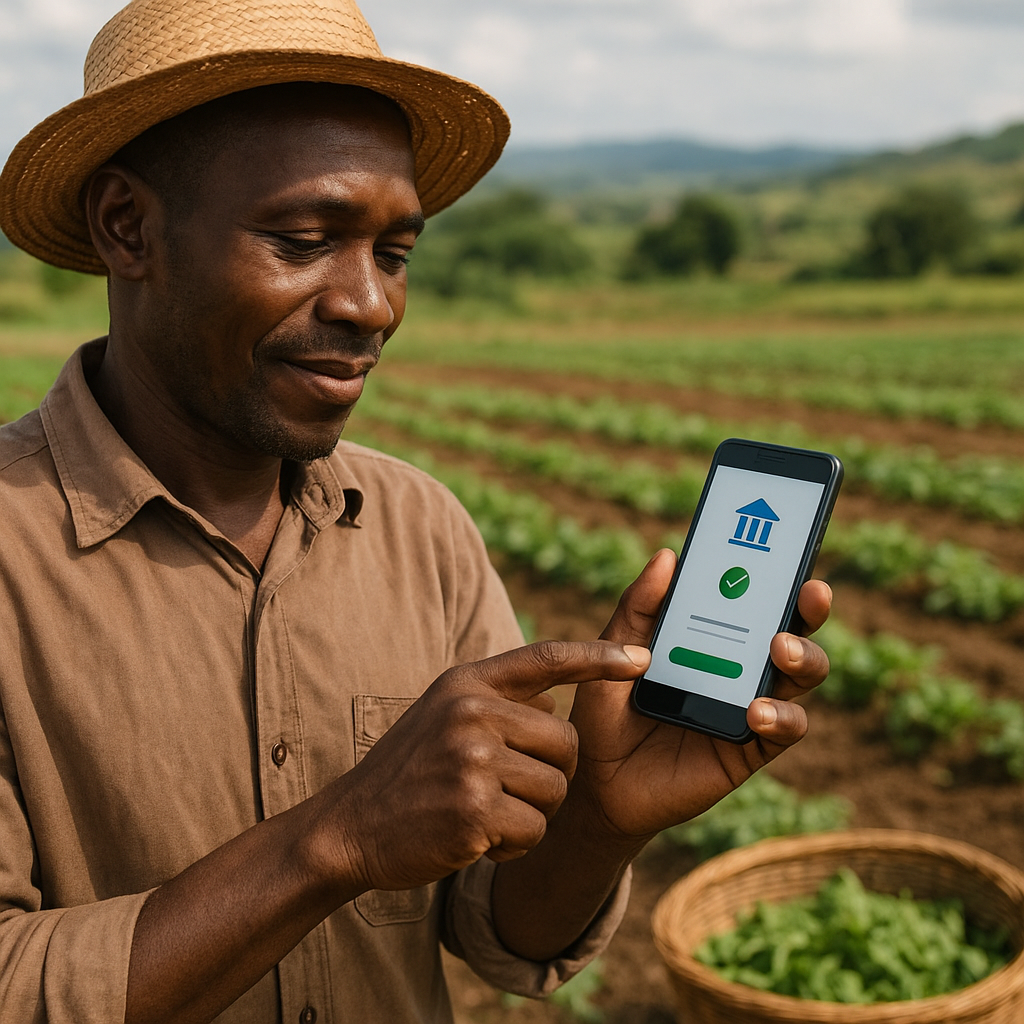
International partnerships facilitate knowledge transfer and joint ventures, especially in regions facing severe resource constraints. By bundling technical assistance with microfinancing, development agencies can accelerate the adoption of zero-waste models. As more farms demonstrate success, economies of scale will reduce component costs, creating a virtuous cycle of expansion.
Ultimately, zero-waste farming epitomizes the potential of human ingenuity to reshape agriculture for a changing planet. Through relentless innovation and collaboration, we can forge a future where no resource is wasted, ecosystems thrive, and every harvest contributes to the well-being of people and the planet.