





The rapid evolution of packaging solutions in the agricultural sector has spurred a wave of **innovation** aimed at reducing environmental impact while enhancing product preservation. As traditional plastics continue to burden ecosystems with persistent waste, a shift toward **biodegradable**, **compostable** alternatives is redefining the way farmers, distributors, and retailers handle fresh produce. This exploration delves into the transformative potential of bioplastics in agricultural packaging, highlighting material breakthroughs, ecological advantages, practical hurdles, and future trajectories.
Innovations in Bioplastic Materials for Agricultural Packaging
New bioplastic formulations are emerging from a variety of **agro-waste** feedstocks, including corn starch, sugarcane bagasse, and rice husks. Among the most prominent are polylactic acid (PLA) and polyhydroxyalkanoates (PHAs), which can be engineered for specific barrier properties. Recent research has produced cellulose nanocrystals that reinforce thin films, boosting tensile strength and puncture resistance. Advanced blends of starch-based polymers with biodegradable polyesters now offer customized degrade-rates to match different crop cycles.
In addition to familiar sources, scientists are investigating seaweed extracts, mushroom mycelium, and even microbial fermentation residues. These novel inputs not only reduce reliance on virgin resources but also harness local agricultural by-products. Through precision fermentation, genetically optimized microbes convert feedstock sugars directly into long-chain biopolyesters, paving the way for cost-effective, high-performance packaging films that rival conventional plastics at scale.
Environmental and Functional Benefits of Bioplastic Packaging
One of the most compelling advantages of bioplastics lies in their ability to **decompose** under controlled conditions, drastically lowering agricultural plastic pollution. Field trials demonstrate that mulch films made from PLA blends fully degrade within a single planting season, eliminating the labor-intensive retrieval of film residues. Moreover, certain bioplastic coatings applied to seed tapes improve water retention in the soil, supporting germination while eventually integrating back into the ecosystem.
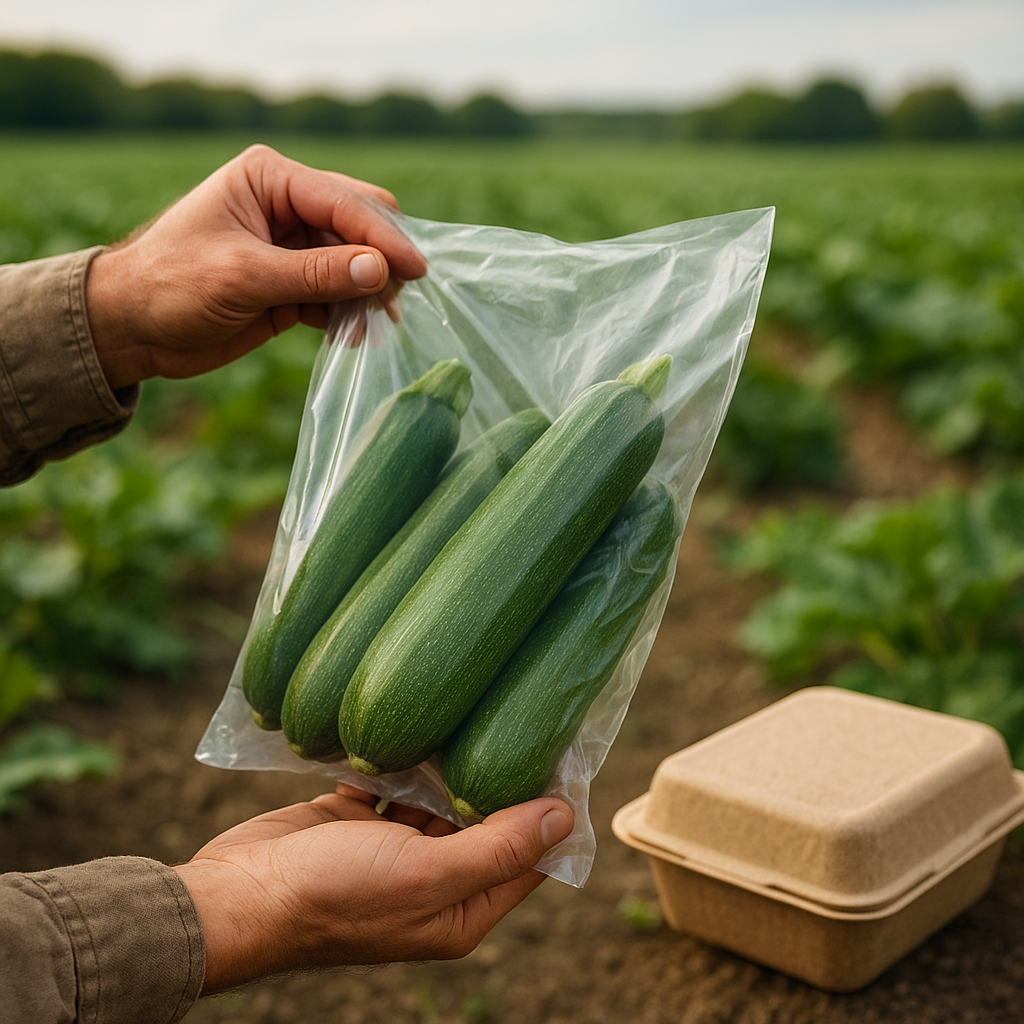
Beyond end-of-life considerations, bioplastic packaging confers direct functional gains. Improved moisture and gas barrier properties help maintain the **freshness** of fruits and vegetables, reducing spoilage rates by up to 30%. Anti-fog treatments derived from plant oils ensure clear visors in clamshell containers, while UV-blocking additives sourced from lignin protect light-sensitive crops. The shift to **durability**-designed bioplastics makes packaging more resilient to transport stresses, thereby decreasing food waste along the supply chain.
Implementation Strategies and Challenges
Adopting bioplastic solutions in agricultural settings requires coordinated action among multiple stakeholders. Farmers and co-ops must evaluate packaging performance in real-world conditions, while packaging manufacturers invest in new extrusion and thermoforming equipment. Retailers and exporters demand consistent quality and compliance with phytosanitary regulations. Key steps include:
- Assessing soil types and climates to select the optimal biodegradation profile.
- Collaborating with research institutions to pilot-test packaging prototypes on diverse crops.
- Establishing return-to-soil or industrial composting infrastructure at local hubs.
- Securing certifications for food safety and biodegradability from recognized authorities.
- Training farmworkers on appropriate use and disposal practices to maximize **efficiency**.
Despite these strategic pathways, challenges persist. The higher upfront cost of bioplastic materials can deter small-scale growers operating on tight margins. In regions lacking industrial composters, biodegradable films may linger in landfills, negating environmental gains. Regulatory landscapes also vary widely: while some governments incentivize bioplastic adoption through subsidies, others classify novel polymers under stringent new chemical regulations, slowing market entry.
Future Outlook and Emerging Trends
Looking ahead, the agricultural packaging sector is poised for groundbreaking advancements. One promising direction is the integration of smart sensors directly into bioplastic films. Embedded biodegradable RFID tags and color-changing indicators can monitor temperature, humidity, and ripeness in real time, enhancing supply chain traceability without introducing non-degradable electronic waste.
Another frontier involves upcycling post-consumer bioplastic waste into value-added soil amendments. By converting residual polymer fragments into biochar or nutrient-rich compost, circular systems ensure that packaging contributes positively to **soil health**. Collaborative innovation platforms are also exploring the synergy between bioplastics and seed coatings, where packaging itself acts as a protective, nutrient-infused sheath that promotes faster germination and early plant vigor.
As global demand for sustainable agriculture intensifies, investment in bioplastic research is accelerating. Pilot plants are being established to produce thousands of tons of next-generation polymers annually. Startups are partnering with major farm equipment manufacturers to design custom packaging dispensers that fit seamlessly into existing planting lines. All of these developments point to a future where agricultural packaging not only safeguards produce but also nurtures the very ecosystems that sustain it.