

The evolution of agriculture has always been driven by the pursuit of greater efficiency and higher yield. Today, the rise of autonomous machines is transforming the way fruits are harvested, addressing challenges like labor shortages and product waste. This exploration delves into how cutting-edge robotics are redefining fruit harvesting, showcasing the synergy between innovation, precision, and sustainable farming practices.
The Rise of Robotic Harvesters in Modern Orchards
For centuries, fruit picking has relied on manual labor, a method that is both time-consuming and vulnerable to human error. With growing demands for fresh produce and tighter margins, orchard managers are turning to automated solutions to maintain consistency and reduce costs.
- Autonomy in field operations ensures that harvesters can work day and night without fatigue.
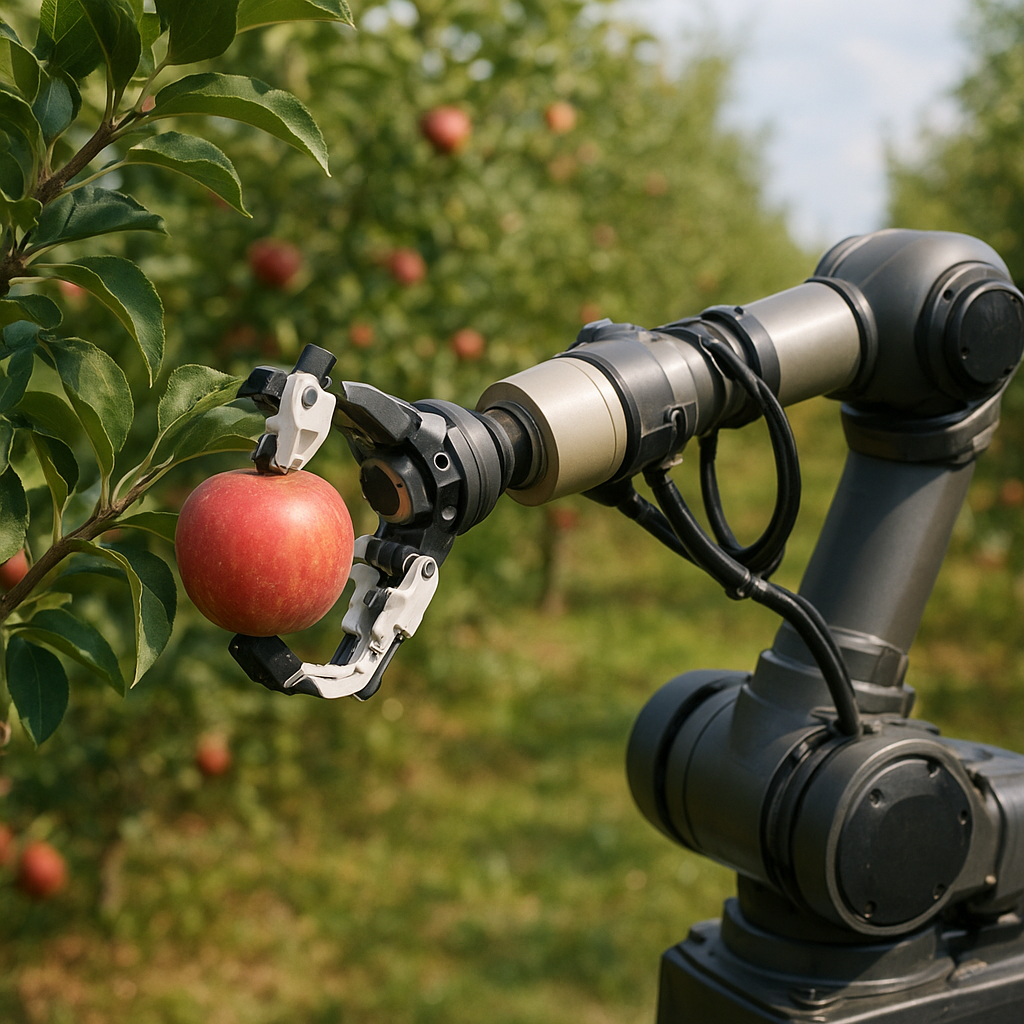
- Advanced computer vision systems allow robots to distinguish ripe from unripe fruits with remarkable accuracy.
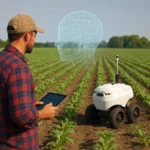
- Mobile platforms, whether wheeled or tracked, provide stability on uneven terrain, minimizing damage to plants.
These robotic units can travel predefined routes, scanning trees for optimal picking points. Equipped with sensors that measure color, size, and firmness, they select only perfectly matured fruits, reducing bruising and spoilage. Such machines not only deliver uniform quality but also lower the risk of injuries associated with repetitive human labor.
Technological Innovations Driving Precision Agriculture
The backbone of fruit-harvesting robots lies in their ability to process vast amounts of data in real time. Integration of AI algorithms enables dynamic decision-making and continuous learning on the go.
Key Components of an Automated Harvester
- Smart Grippers: Utilizing soft robotics materials and force-feedback control, these end-effectors adapt to various fruit shapes without causing lesions.
- LiDAR Mapping: Generates 3D point clouds of orchard rows, guiding navigation and obstacle avoidance.
- Multi-Spectral Cameras: Capture wavelengths beyond visible light to assess fruit ripeness and detect early signs of disease.
- Edge Computing Units: Process data locally for low-latency responses, reducing dependence on remote servers.
Combining these elements, modern harvesters achieve unprecedented precision in picking operations. Real-world trials report a reduction of up to 30% in crop waste, thanks to nuanced selection criteria powered by machine learning models. Moreover, continuous software updates enable these systems to adaptability to different fruit varieties, climates, and orchard layouts.
Under the hood, path-planning algorithms balance speed with safety. In cherry orchards with dense foliage, robots slow down to avoid branch collisions. In open-air strawberry fields, they accelerate to maximize throughput. This context-aware behavior is possible only through a fusion of technology and detailed environmental mapping.
Economic and Environmental Impacts of Automated Harvesting
Beyond operational improvements, the adoption of robotic harvesters carries significant economic and ecological implications. Farmers experience lower reliance on seasonal labor markets, which often suffer from shortages or inflated wages during peak seasons. Upfront investment in robotics can be offset within a few harvest cycles, thanks to:
- Reduced labor costs by up to 40%.
- Minimized fruit loss through gentle handling mechanisms.
- Optimized resource usage—water and nutrients are applied more precisely post-harvest.
From an environmental standpoint, these systems promote sustainability by limiting pesticide drift and soil compaction. Precise pick timing also allows for off-season pruning and rest periods, improving overall soil health and carbon sequestration. Some farms have even integrated solar panels on the harvester platforms, turning them into mobile energy hubs that charge during daylight hours.
As the world’s population climbs and climate change poses threats to crop yields, resilient solutions become paramount. By reducing fruit waste, conserving resources, and ensuring consistent output, robotic harvesters pave the way to a more secure global food supply. Their continued evolution signals a future where agriculture harnesses the full potential of robotics and data-driven practices to feed billions responsibly.