



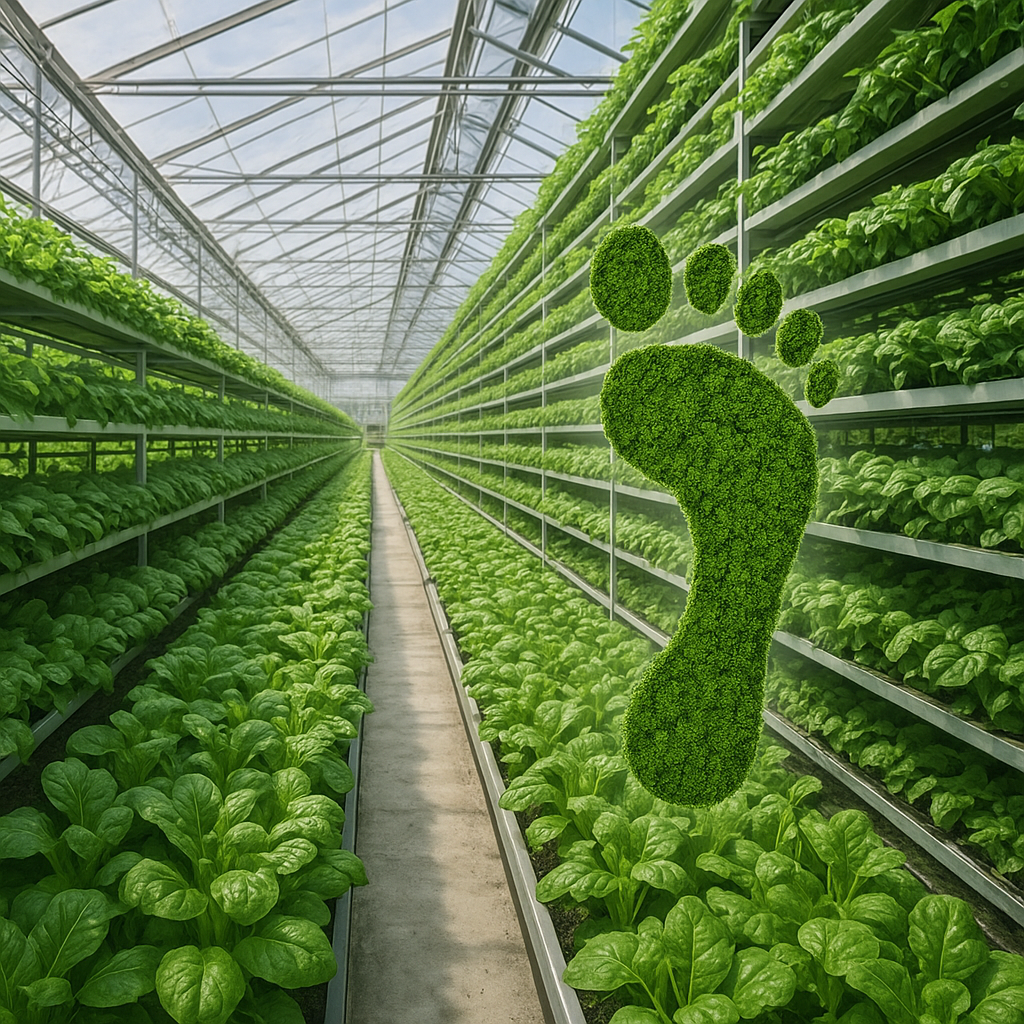
Amid the challenges of modern food production, an innovative approach has gained remarkable momentum. Vertical farming represents a paradigm shift in how crops are cultivated, offering a potent strategy to narrow the gap between agricultural demands and environmental stewardship. By stacking layers of crops in controlled environments, vertical farms deliver fresh produce year-round while dramatically cutting transportation needs and resource waste.
The Rise of Vertical Agriculture
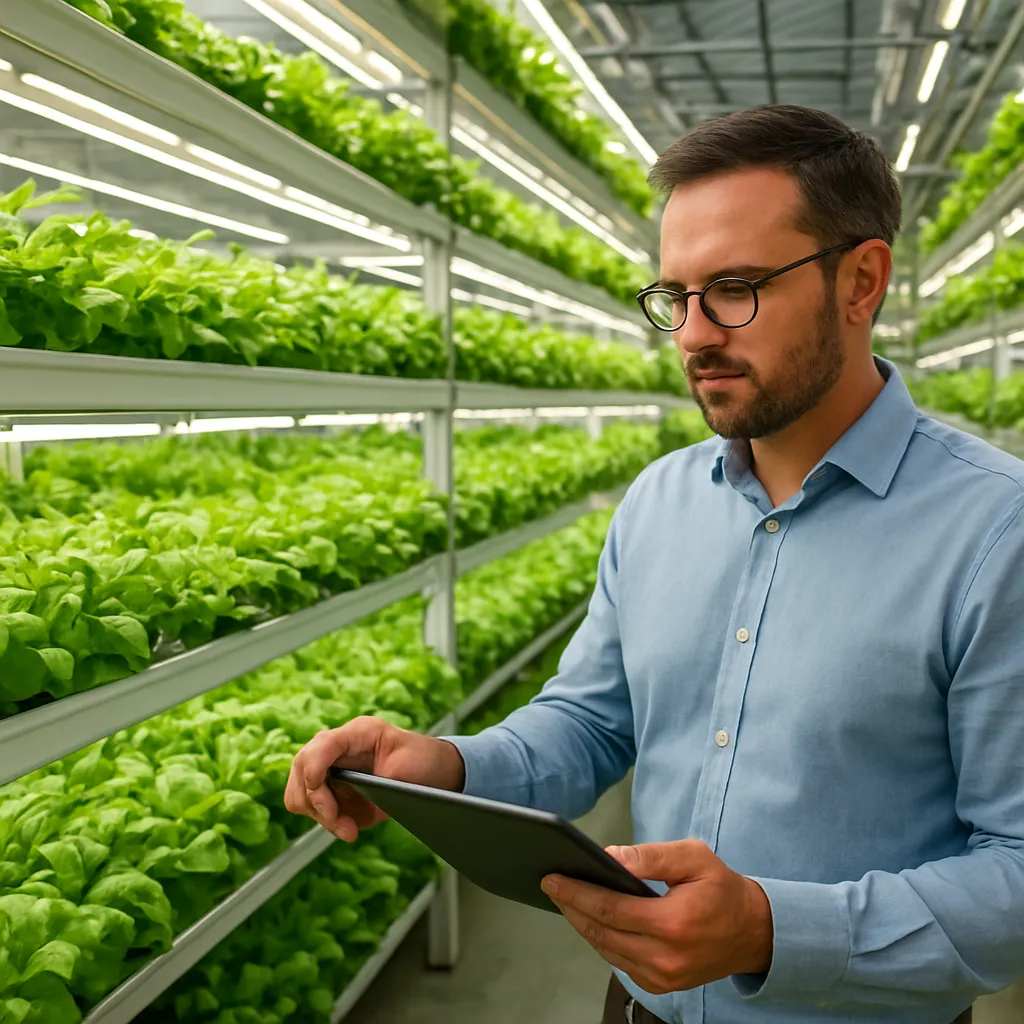
Urban centers worldwide are embracing vertical farms to address land scarcity and escalating food demands. By converting warehouses, shipping containers, and purpose-built towers into high-tech cultivation hubs, these facilities leverage advanced technology to orchestrate optimal growing conditions. Climate control systems, automated nutrient delivery, and precision lighting allow growers to tailor each micro-environment to specific plant requirements. Such fine-grained management enhances growth rates and bolsters crop yield per square meter far beyond traditional open-field methods.
One of the most compelling dimensions of this agricultural revolution is its capacity to operate within city boundaries. Proximity to consumers slashes the carbon-intensive logistics associated with rural farms. Fresh lettuces, herbs, and berries harvested at peak ripeness can reach supermarket shelves within hours, reducing spoilage and the need for chemical preservatives. As a result, vertical systems foster local food networks that strengthen sustainability and resilience against supply chain disruptions.
Enhancing Energy Efficiency and Resource Management
Sustainable resource utilization serves as a cornerstone of modern vertical operations. Through integration of renewable power sources—such as rooftop solar arrays or nearby wind turbines—facilities can fulfill a significant share of their electrical demands while lowering greenhouse gas emissions. Coupled with energy recovery systems that capture and reuse heat, these farms achieve remarkable overall efficiency.
- LED lighting tailored to specific wavelengths minimizes wasted photons and accelerates photosynthesis.
- Closed-loop hydroponic and aeroponic setups recirculate water, cutting usage by up to 95% compared to soil-based agriculture.
- Automated monitoring platforms use sensors and AI to fine-tune nutrient concentrations, ensuring optimal uptake and virtually eliminating runoff.
By treating water and nutrients as precious assets rather than expendable inputs, vertical farms drastically reduce their ecological footprint. In regions grappling with drought or limited arable land, this capability unlocks new possibilities for food security without accelerating resource depletion.
Mitigating Carbon Emissions through Advanced Innovation
Traditional agriculture often relies on heavy machinery, long-haul transportation, and broad-acre irrigation—all contributors to elevated CO2 emissions. Vertical farms, by contrast, dismantle many of these carbon-intensive linkages. Strategic placement in urban or peri-urban zones shortens delivery routes, while electric-powered planting and harvesting systems further diminish reliance on fossil fuels.
Optimized Supply Chains
A core factor in curbing a farm’s overall carbon footprint is minimizing the distance between grower and consumer. Vertical systems embedded within cityscapes effectively transform supply chains into micro-networks, allowing fresh produce to be dispatched directly from rooftop or basement farms to neighborhood markets. This distribution model can slash transportation emissions by up to 80% compared to conventional import-heavy systems.
Carbon Sequestration Potential
Beyond emission reductions, some vertical farms integrate semi-open facades or living walls that contribute to urban carbon capture. While the scale of sequestration is modest relative to reforestation, every incremental sink supports broader citywide decarbonization efforts. Moreover, incorporating farm byproducts—such as spent growth media—into compost or bioenergy systems can further lock away carbon and offset operational footprints.
Economic and Environmental Impacts
As vertical farming matures, its dual promise of environmental benefit and profitable operation becomes increasingly apparent. Early adopters have demonstrated that premium-quality greens can command higher market prices, compensating for initial capital investments in technology and infrastructure. Scaling operations drives down per-unit costs, accelerating a virtuous cycle of accessibility and adoption.
- Job creation in urban neighborhoods spans roles in agronomy, engineering, and logistics.
- Year-round harvests stabilize supply, reducing price volatility linked to seasonal changes.
- Collaborations between vertical farms and restaurants, grocers, and community centers foster local alliances and educational outreach.
On the environmental front, vertical farms align with global goals to reduce agricultural emissions, conserve freshwater resources, and limit land conversion. By decoupling food production from climatic variability and geographical constraints, they offer a replicable model for climate-smart agriculture across diverse regions.
Future Trajectories and Collaborative Potential
Looking ahead, the convergence of robotics, machine learning, and novel sensor arrays promises to elevate farm automation to unprecedented levels. Swarms of drones might pollinate blossoms or inspect crops for pests, while deep-learning algorithms predict stress patterns before visible symptoms emerge. Integrating vertical farms into city planning blueprints could transform urban rooftops and vacant lots into green corridors that bolster ecosystem services.
International partnerships between research institutions, technology firms, and municipal governments are already laying the groundwork for standardized protocols and shared best practices. By pooling expertise, stakeholders can drive down costs, refine resource efficiency, and expand the global footprint of these forward-thinking farms.