





As the global demand for higher crop yields and sustainable practices intensifies, researchers are turning to nanotechnology to revolutionize fertilizer formulations. By manipulating materials at the molecular scale, scientists aim to improve nutrient uptake, reduce losses to leaching, and create more targeted delivery systems. This article delves into the mechanisms, benefits, and broader implications of nano-enabled fertilizers in the realm of agriculture.
Harnessing Nanotechnology to Enhance Nutrient Delivery
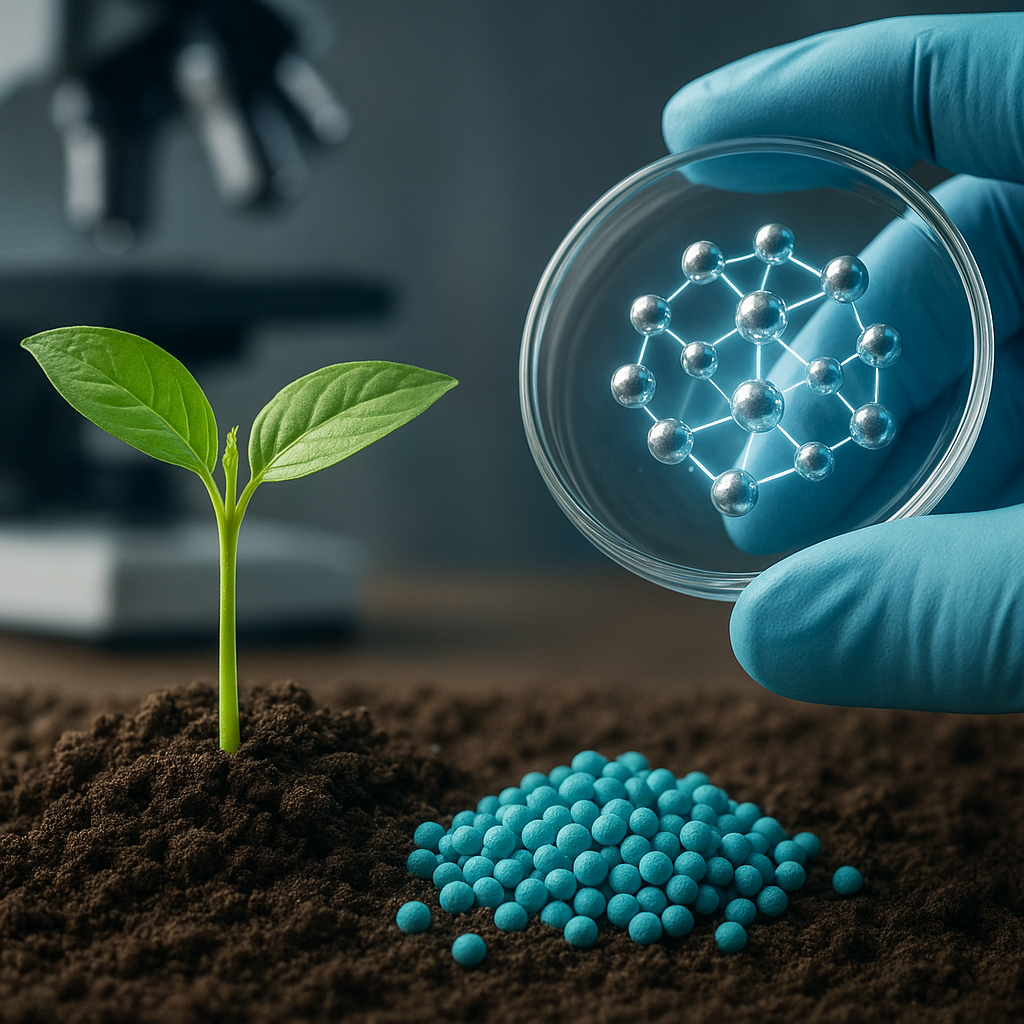
At its core, nanotechnology involves the design and application of particles ranging from 1 to 100 nanometers in size. In fertilizers, these nanoparticles act as carriers for essential elements such as nitrogen, phosphorus, and potassium. The key principle is to increase the bioavailability of nutrients by controlling the release rate and improving absorption by plant roots.
Mechanisms of Controlled-Release
- Encapsulation: Nutrients are enclosed within polymer-based nanocapsules that disintegrate gradually, releasing their cargo only when soil conditions—such as moisture and pH—trigger the breakdown.
- Coating Technologies: Mineral or polymer coatings on traditional granules slow down dissolution, ensuring that nutrients are delivered steadily over weeks rather than hours.
- Adsorption on Nanoclays: Clay nanoparticles with large surface areas bind nutrients strongly until root exudates or microbial activity prompt their release.
Such delivery systems significantly outperform conventional fertilizers, which often lose up to 50% of applied nitrogen to volatilization or leaching. The ability to fine-tune release profiles reduces waste and enhances overall efficiency.
Advantages of Nano-Fertilizers in Modern Agriculture
Nano-fertilizers offer a spectrum of improvements over their traditional counterparts:
- Precision in Nutrient Application: Farmers can match fertilizer release patterns to specific crop demands, minimizing excess application and run-off.
- Enhanced Root Uptake: Because nanoparticles can penetrate cell walls more easily, plants absorb nutrients more rapidly, promoting vigorous growth and higher biomass accumulation.
- Reduced Environmental Footprint: By curbing nutrient losses, nano-fertilizers decrease eutrophication risks in nearby water bodies and lower greenhouse gas emissions associated with fertilizer production.
- Cost-Effectiveness Over Time: Although initial manufacturing costs are higher, long-term savings arise from reduced application frequency and lower total fertilizer usage.
Field trials conducted in various climates have demonstrated yield increases ranging from 10% to 30%, depending on crop type and soil conditions. In crops such as maize, rice, and tomatoes, nano-enabled formulations have consistently outperformed standard urea or NPK blends.
Environmental and Economic Implications
While the performance benefits are clear, evaluating the broader impacts of nano-fertilizers is critical. Two dimensions warrant careful consideration:
Environmental Safety
Nanoparticles can exhibit unique physicochemical properties that raise questions about soil health and non-target organisms. Key research areas include:
- Toxicity Assessments: Determining safe concentration thresholds for soil microbes, earthworms, and beneficial insects.
- Leachate Monitoring: Ensuring that nanoparticles do not accumulate in groundwater or surface water, where they might disrupt aquatic ecosystems.
- Degradation Pathways: Studying how polymer coatings and metal-based nanomaterials break down over time under various environmental conditions.
Economic Viability
Farmers and agribusinesses must weigh upfront costs against projected gains. Important factors include:
- Manufacturing Scale-Up: Achieving economies of scale to lower per-unit costs of nano-fertilizers.
- Regulatory Frameworks: Navigating approval processes that ensure safety without imposing excessive delays or expenses.
- Market Adoption: Educating stakeholders on proper handling, application rates, and potential benefits to encourage widespread use.
Governments can play a pivotal role by offering incentives for sustainable technologies, subsidizing field trials, and supporting research into low-cost production methods.
Future Perspectives and Challenges
As the field advances, several frontiers beckon innovative exploration:
Next-Generation Materials
Researchers are investigating smart nanomaterials that respond dynamically to plant signals. For instance, pH-sensitive carriers could release phosphate precisely when root exudates alter the rhizosphere acidity, further boosting uptake.
Integration with Digital Agriculture
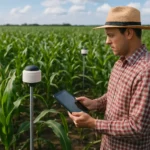
By coupling nano-fertilizers with sensor networks and satellite-based monitoring, farmers can achieve unprecedented levels of sustainability. Real-time data on soil moisture, nutrient status, and plant health will inform variable-rate application, minimizing waste and maximizing yields.
Regulatory and Ethical Considerations
Public acceptance hinges on transparent safety evaluations and clear communication. Building trust through open dialogue and third-party testing will be essential to prevent misconceptions about innovation in agriculture.
Scaling and Accessibility
To benefit smallholder farmers, especially in developing regions, nano-fertilizer production must become less capital-intensive. Partnerships between universities, non-governmental organizations, and private industry can facilitate technology transfer and training programs.
Key Research Directions
- Developing biodegradable coatings that leave no harmful residues.
- Mapping long-term impacts on soil microbiomes and crop rotations.
- Designing cost-effective synthesis methods using agricultural byproducts.
By addressing these challenges, the agricultural sector can capitalize on the promise of nanotechnology to meet the dual goals of food security and environmental stewardship. The path forward lies in interdisciplinary collaboration, robust field validation, and a commitment to fostering sustainability at every step of the supply chain.