

The Rise of Plant-Based Agriculture Technology explores the remarkable transformation taking place across global food systems. Driven by cutting-edge research and pioneering entrepreneurs, this field is reshaping how we cultivate, manage, and consume crops. From enclosed vertical farms to genome-edited seeds, growers are embracing breakthroughs that promise higher productivity, reduced resource consumption, and greater environmental stewardship. Below, we delve into several critical dimensions of this movement, highlighting the most impactful strategies and tools.
Controlled Environment Agriculture: A Paradigm Shift
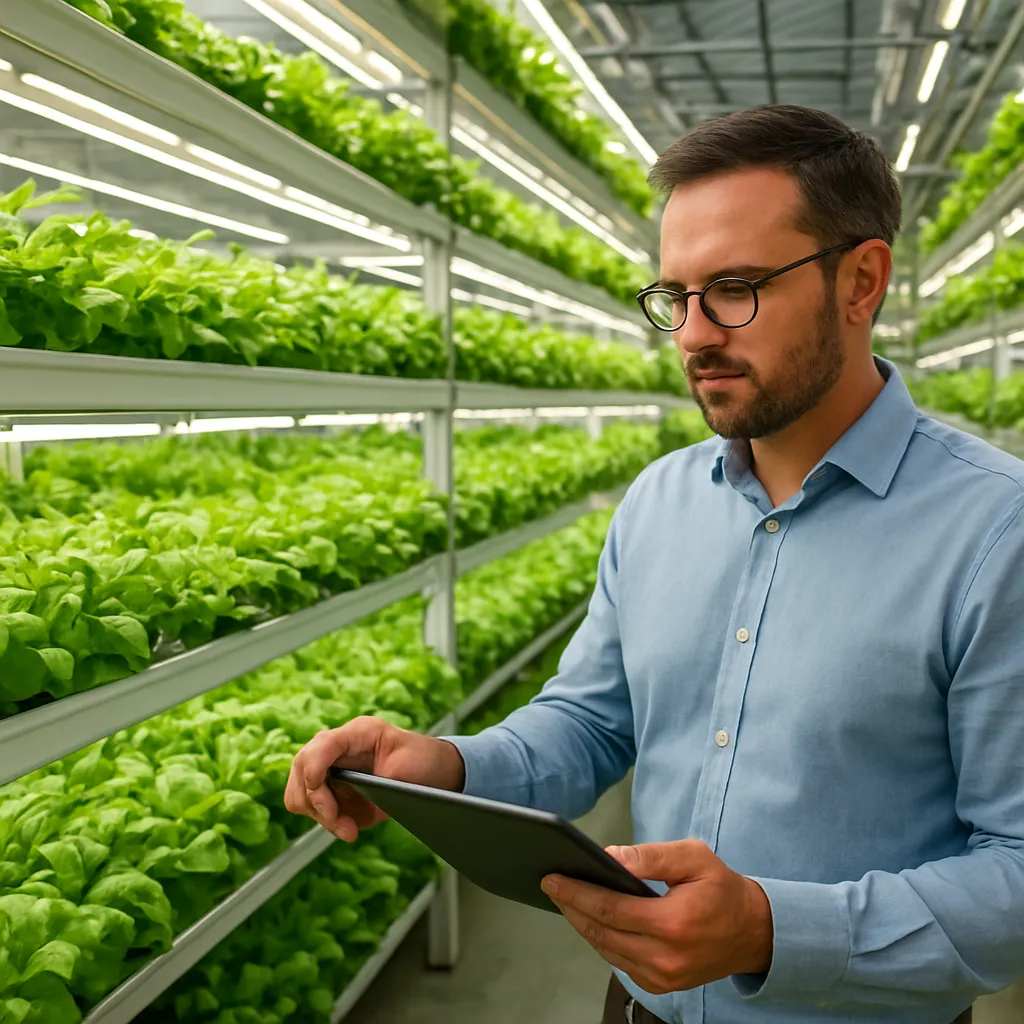
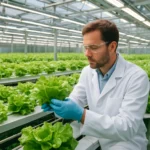
In recent years, Controlled Environment Agriculture (CEA) has emerged as a leading model for high-efficiency crop production. By manipulating light, temperature, humidity, and CO₂ levels within fully enclosed facilities, growers can optimize every factor affecting plant growth. This level of control not only boosts yield but also minimizes water usage, eliminates harmful pesticides, and extends the growing season year-round.
Hydroponics and Aeroponics Advancements
- Innovative nutrient delivery systems enable roots to receive a precise balance of minerals.
- Recirculating water loops reduce consumption by up to 90% compared to traditional fields.
- Modular components facilitate rapid scaling from research labs to commercial greenhouses.
With the rise of vertical stack installations, leafy greens, herbs, and even fruiting crops thrive under arrays of LED panels programmed to mimic natural sunlight spectra. These innovations harness computer-controlled feedback loops, ensuring plants receive exactly what they need at each growth stage. Automated robots monitor individual trays, adjusting nutrient mixes and pruning leaves to maximize light penetration.
Vertical Farming Takes Root
Urban vertical farms are springing up in repurposed warehouses and shipping containers. By leveraging every square meter in multi-tiered racks, companies are delivering freshly harvested produce within hours of picking, drastically reducing spoilage and the carbon footprint of deliveries. This model highlights an impressive synergy between architecture and agronomy, where building design becomes a core element of cultivation strategy.
Precision Farming and Data-Driven Decisions
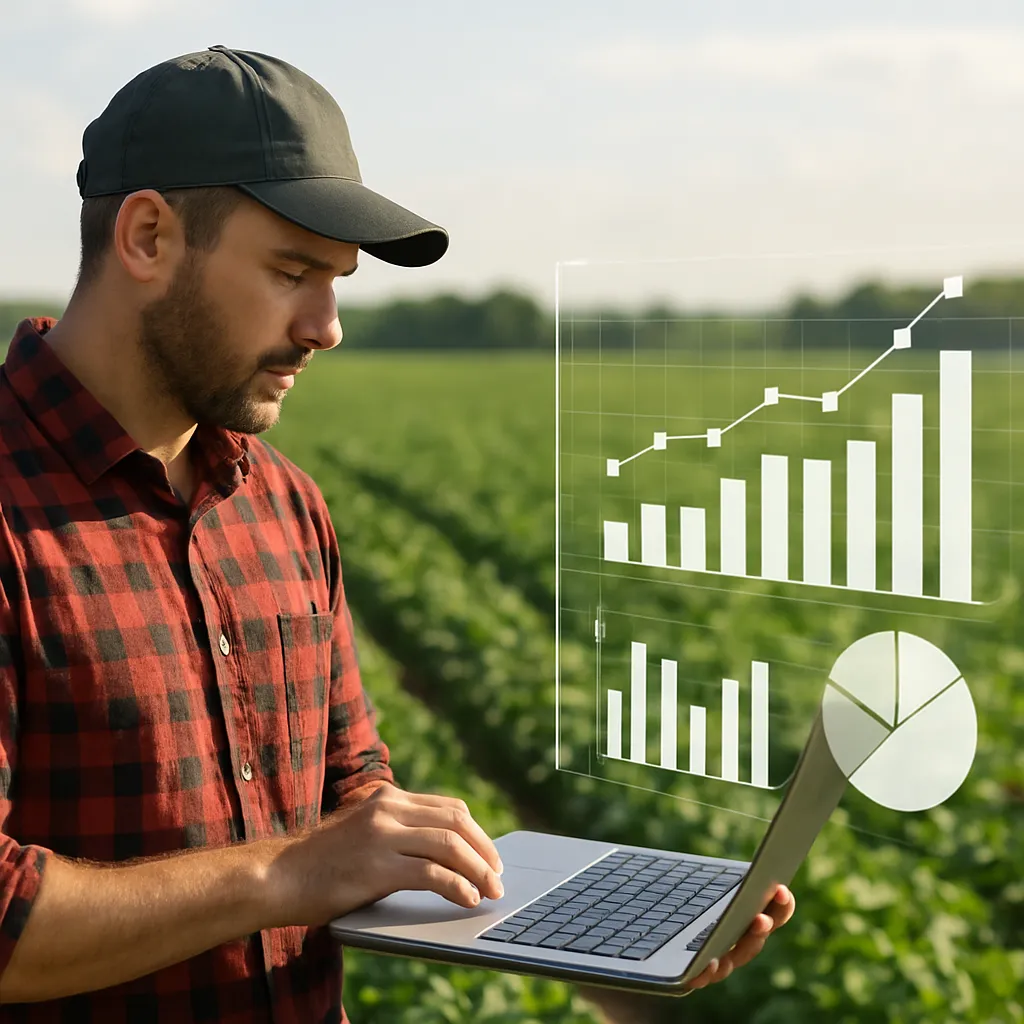
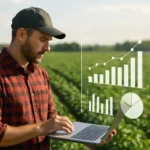
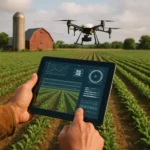
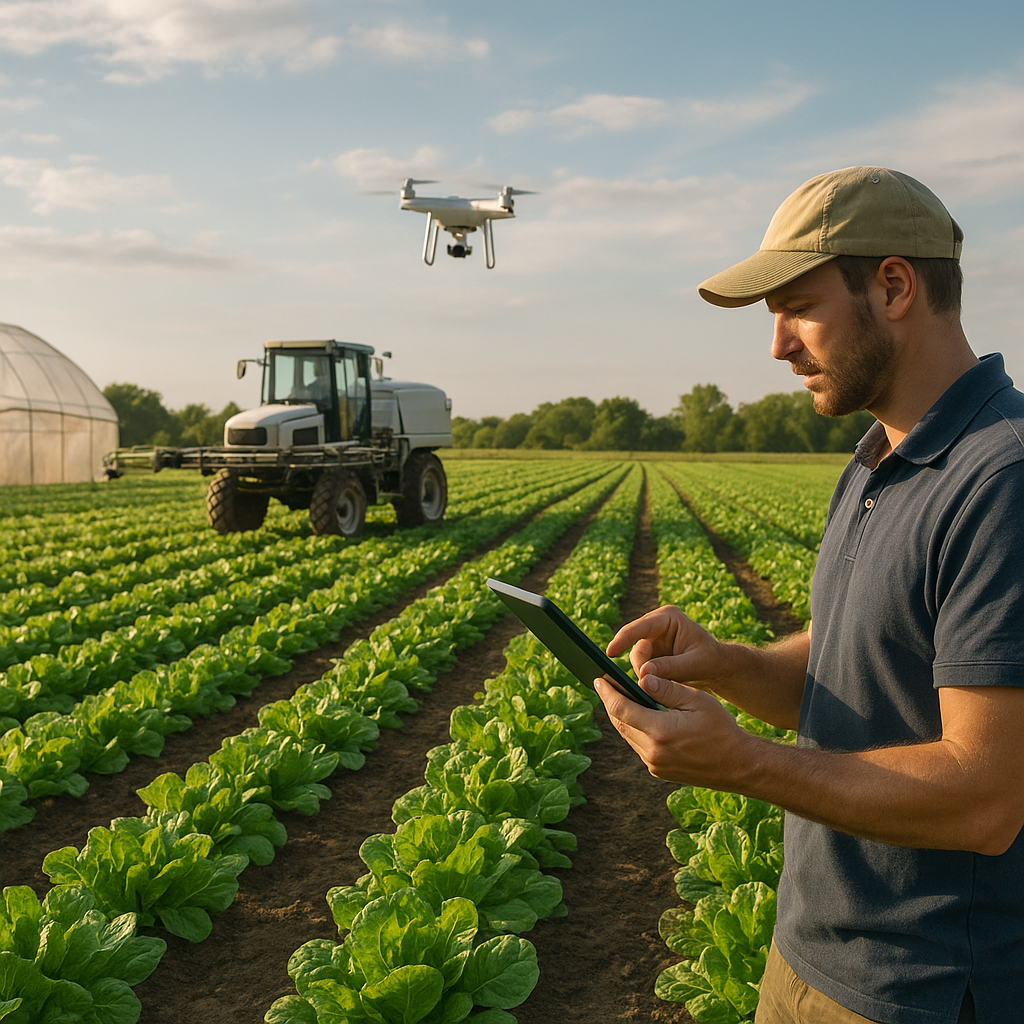
Traditional open-field agriculture is also experiencing a data-driven renaissance. Precision farming tools empower growers to map their fields, track soil health, and apply resources exactly where needed. Drones equipped with multispectral imaging scan thousands of acres in minutes, identifying stress zones long before symptoms become visible to the human eye.
- Soil moisture probes and IoT gateways transmit real-time readings to cloud platforms.
- Machine learning models predict pest outbreaks by correlating weather trends and historical patterns.
- Variable-rate applicators deposit water, fertilizer, or biocontrol agents with centimeter accuracy.
These systems rely on powerful analytics to turn massive data streams into actionable guidance. Farmers can optimize planting density, irrigation schedules, and harvest timing with unparalleled specificity. By reducing overapplication of chemicals and water, they achieve improved environmental outcomes alongside stronger economic returns. In essence, digital agriculture has brought a new level of precision to large-scale operations.
Genetic Innovation and Breeding Techniques
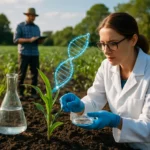
At the heart of next-generation agriculture lies a suite of advanced breeding and genome-editing technologies. CRISPR/Cas9 and similar tools enable scientists to introduce or disable specific genes, creating varieties that exhibit greater resilience to drought, salinity, or pests. Meanwhile, marker-assisted selection accelerates conventional breeding by pinpointing desirable traits in seedling pools before costly field trials.
Climate-Adapted Varieties
As global temperatures fluctuate and extreme weather events become more frequent, resilient cultivars have taken on strategic importance. Researchers have identified novel alleles that regulate root architecture, allowing plants to extract moisture from deeper soil layers. Others focus on leaf wax composition to reduce transpiration losses under heat stress.
Enhanced Nutritional Profiles
Beyond environmental hardiness, breeders are engineering crops with superior nutritional attributes. Golden grains enriched with essential amino acids, biofortified fruits containing higher vitamin C levels, and legumes with improved protein digestibility are all on the horizon. These efforts tackle micronutrient deficiencies that afflict millions worldwide, demonstrating a powerful intersection between agriculture and public health.
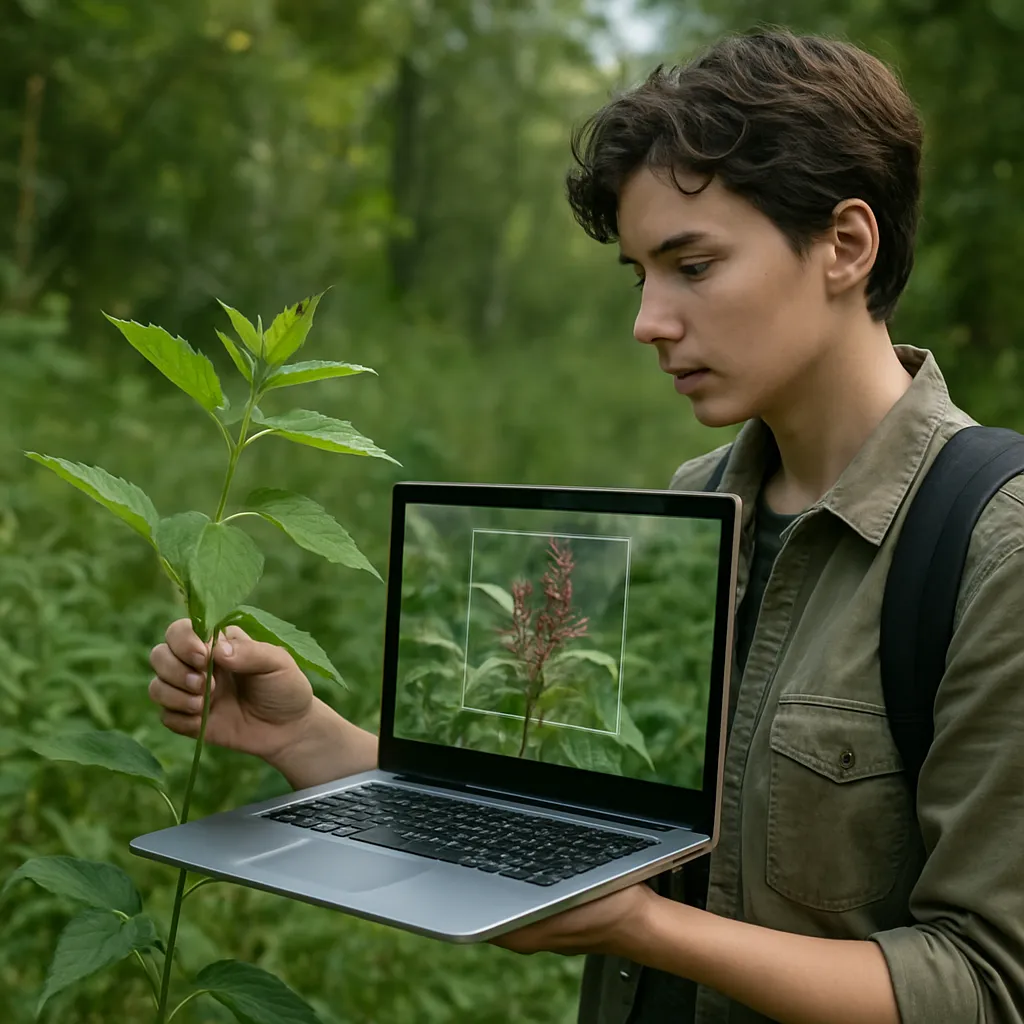
By combining nutrition-focused goals with yield optimization, modern breeding programs ensure that each hectare of farmland delivers maximum benefit to global communities. Digital phenotyping platforms, which use imaging and AI to measure plant characteristics non-destructively, further speed up the selection process, enabling breeders to evaluate thousands of lines per season.
Sustainability and Future Outlook
While the technological armamentarium of plant-based agriculture grows ever more sophisticated, sustainable practices remain its philosophical core. Circular resource cycles, integration of renewable energy sources, and regenerative soil management strategies are woven into each stage of production. Cover cropping, reduced tillage, and organic amendments help sequester carbon in the soil, mitigating agriculture’s climate impact.
- On-site anaerobic digesters transform crop residues into biogas for electricity generation.
- Algal bioreactors recycle CO₂ emissions from livestock facilities into protein-rich feed supplements.
- Blockchain ledgers ensure full traceability from seed to shelf, enhancing consumer trust.
Looking ahead, the convergence of biotechnology, robotics, and artificial intelligence will continue to drive down costs and expand the reach of advanced cultivation systems. Collaborative networks between universities, startups, and government agencies accelerate knowledge transfer, enabling smallholder farmers to adopt best practices once limited to industrial-scale operations. By prioritizing ecological balance alongside productivity, the plant-based agriculture revolution charts a path toward a food-secure and environmentally resilient future.