


Urban landscapes are undergoing a transformative shift as agriculture takes root beyond traditional fields. From sun-drenched rooftops to repurposed basements, city dwellers are cultivating fresh produce within concrete jungles. This movement not only reimagines space but also elevates the role of local food production, driving sustainability and fostering stronger community ties.
Sky-high Harvests: Rooftop Agriculture
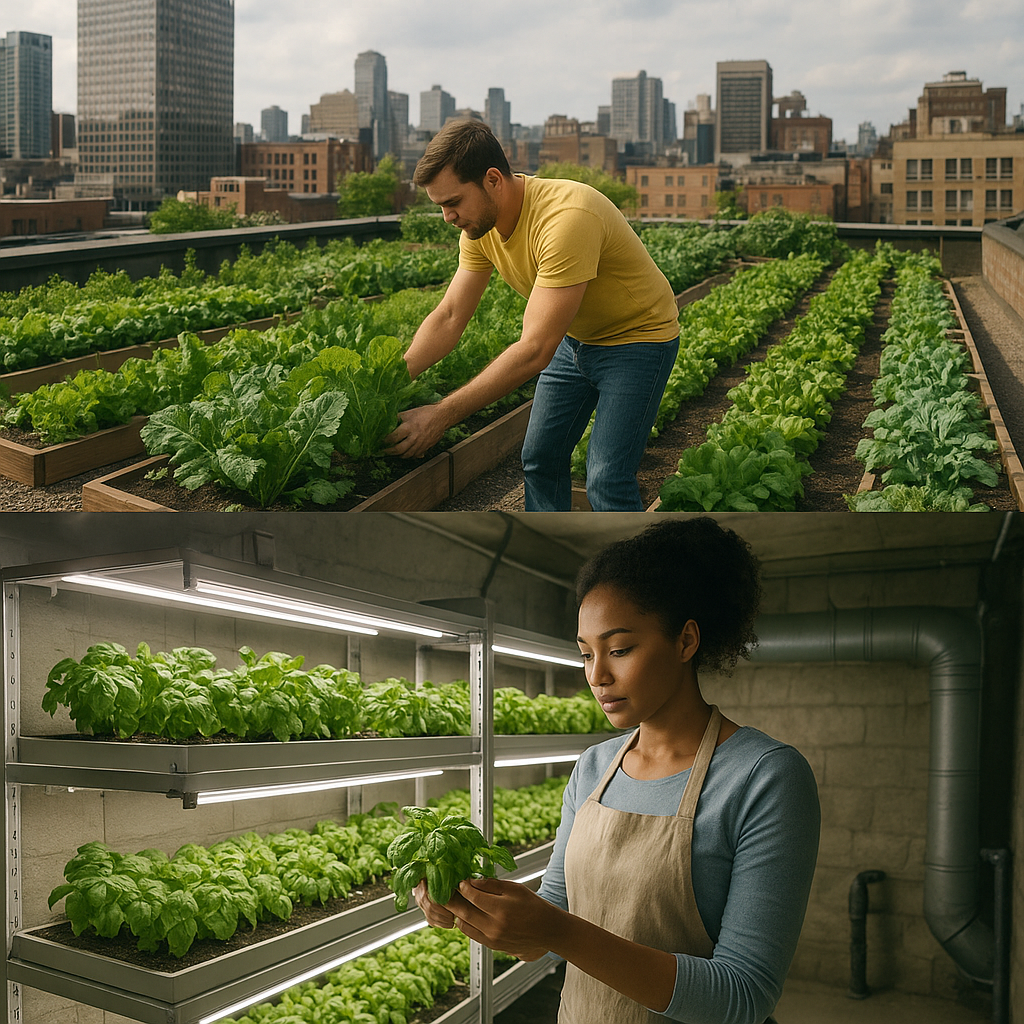
Rooftop farming has emerged as a beacon of innovation for densely populated areas. Unused flat roofs now support thriving vegetable gardens and apiaries. By converting these elevated platforms into green oases, urban residents reduce the heat island effect, decrease stormwater runoff, and capture carbon dioxide. Cities like New York, Tokyo, and Singapore have championed policies that incentivize building owners to install soil-based plots or modular containers atop their properties.
Key Advantages
- Enhanced biodiversity through native pollinator attractors
- Reduced energy costs via natural insulation
- Shorter supply chains for ultra-fresh produce
- Improved efficiency by eliminating transport miles
Innovators employ lightweight growing media blends and automated irrigation systems to maximize yield while minimizing structural load. Seasonal hoop houses extend harvest windows, and solar panels often coexist with leafy greens to power LED grow lights. This integration of technology ensures year-round productivity, transforming sterile rooftops into productive landscapes.
Digging Deep: Basement and Indoor Farming
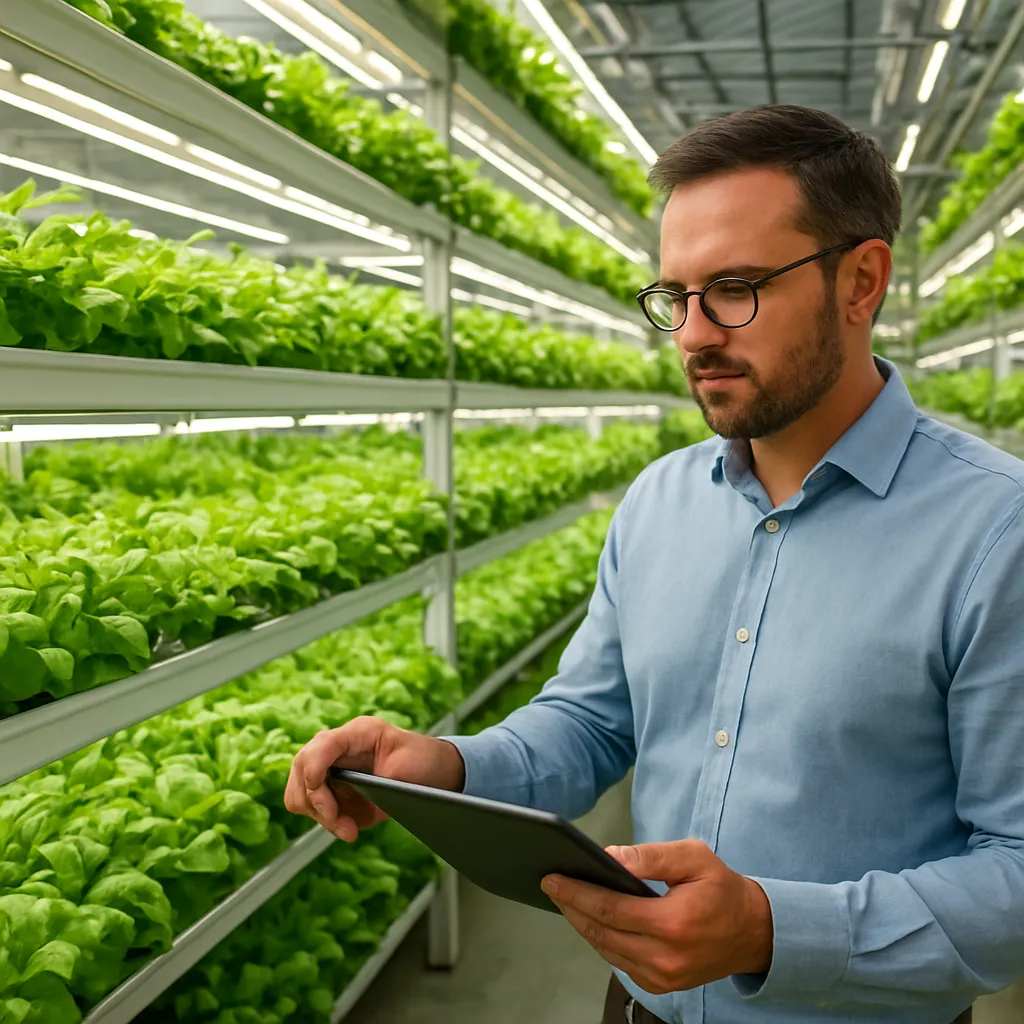
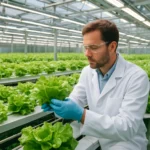
Below street level, basements and vacant warehouses are now lively hubs of vertical farming. Controlled Environment Agriculture (CEA) techniques regulate temperature, humidity, and light, providing optimal growing conditions independent of weather. Hydroponic racks, multilayered shelves, and aeroponic towers multiply the square-foot output, making subterranean spaces more productive than conventional farmland.
Techniques and Tools
- Hydroponics: Plants grown in nutrient-rich water without soil
- Aeroponics: Roots misted with nutrient solutions
- LED horticultural lighting optimized for photosynthesis
- Automated climate control and sensor networks
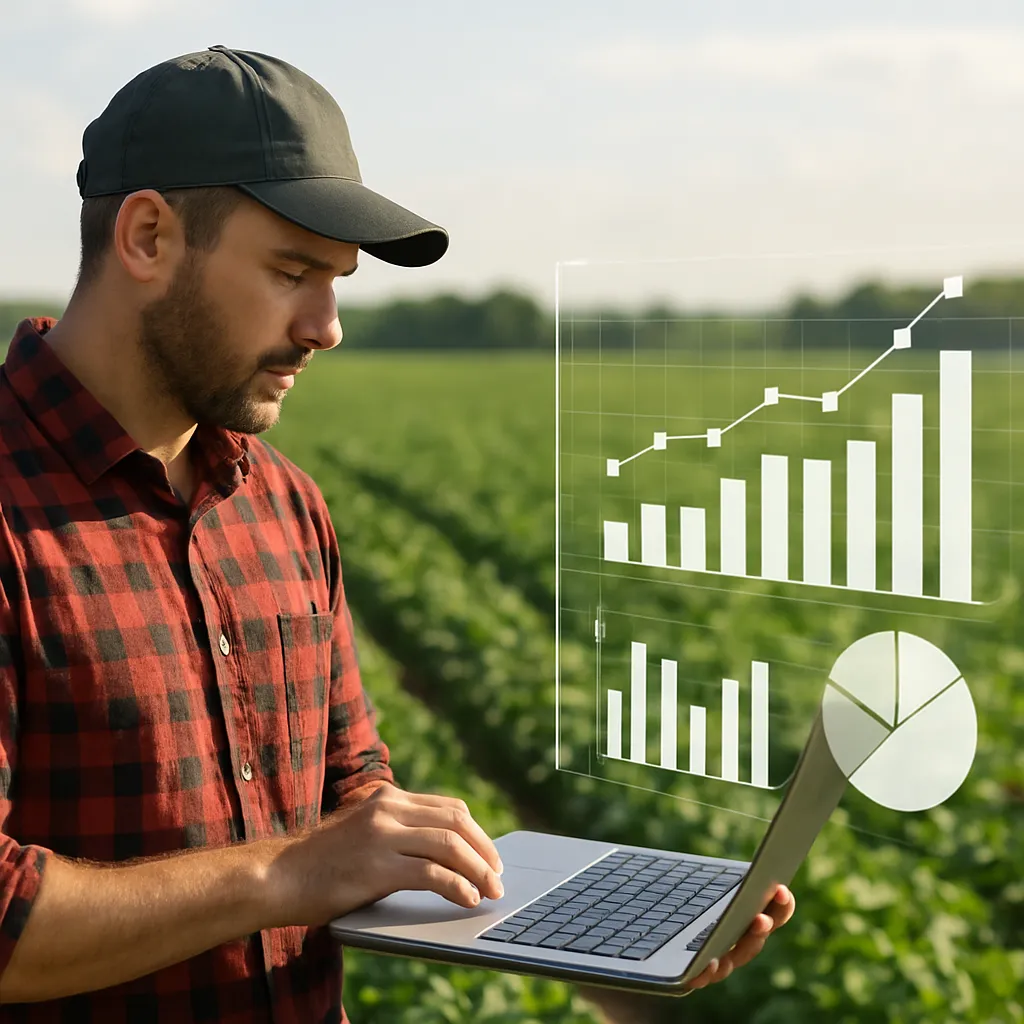
These indoor setups boast water usage up to 95% lower than open-field agriculture and harvest cycles accelerated by precise environmental management. Entrepreneurs collaborate with data scientists to harness machine learning, predicting nutrient adjustments and preventing pest outbreaks. This synergy of agriculture and digital intelligence elevates resilience against supply chain disruptions.
Green Innovations: Hydroponics, Aeroponics, and Beyond
Urban agriculture thrives on cutting-edge methods designed to maximize space and resources. Hydroponics, the practice of raising plants in water enriched with minerals, eliminates the need for fertile land. Aeroponics suspends roots in the air, delivering nutrients via a fine mist, further reducing water consumption. Emerging techniques like aquaponics merge fish farming with hydroponics, creating a closed-loop ecosystem where waste from fish becomes plant fertilizer.
Technological Enablers
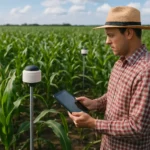
- Smart sensors tracking pH, moisture, and nutrient levels
- AI-driven growth models forecasting yield and quality
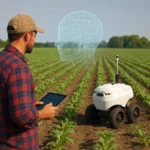
- Robotic harvesters minimizing labor-intensive tasks
- IoT connectivity for remote monitoring and control
Vertical farming towers exploit the third dimension—height—stacking trays of leafy greens to produce significantly more per square foot. Some installations reach 10 meters tall, housing hundreds of plant layers under spectrum-tailored LEDs. By capturing every photon and nutrient drop, these systems epitomize efficiency and push the boundaries of what’s achievable within urban settings.
Nourishing Communities and Strengthening Resilience
Beyond food production, urban agriculture fosters social cohesion and enhances food security. Community gardens on rooftops and vacant lots provide educational opportunities, connecting residents to the growing process. Urban farms often partner with local schools and nonprofits, offering workshops on composting, sustainable diets, and environmental stewardship.
Social and Environmental Benefits
- Access to fresh produce in underserved neighborhoods
- Job creation and skill-building in high-tech farming
- Reduction of food miles and associated carbon emissions
- Promotion of healthier lifestyles and dietary awareness
Collaborative initiatives harness surplus produce for food banks, tackling hunger while diverting organic waste from landfills. Some cities deploy mobile farming units—converted buses or trailers—bringing micro-farms directly to schools and apartment complexes. These efforts not only deliver nutrient-rich greens but also instill a sense of shared purpose and environmental responsibility.
Challenges and Future Horizons
Despite remarkable progress, urban agriculture faces hurdles. High initial capital costs for equipment and retrofitting buildings can deter investors. Regulatory barriers—such as zoning restrictions or permitting processes—must be streamlined to accommodate farms above and below ground. Energy consumption for lighting and climate control remains a concern, necessitating renewable integrations like solar arrays and biogas generation.
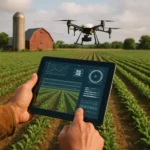
Looking ahead, research is focusing on biodegradable substrates, closed-loop nutrient recycling, and energy-efficient LED advancements. Drone-based pollination, CRISPR-enhanced crop varieties, and blockchain-enabled traceability will further solidify urban farming as a pillar of resilient city planning. By embracing these innovations, metropolitan areas can reinvent agriculture, ensuring that every rooftop and basement contributes to a greener, more self-reliant future.