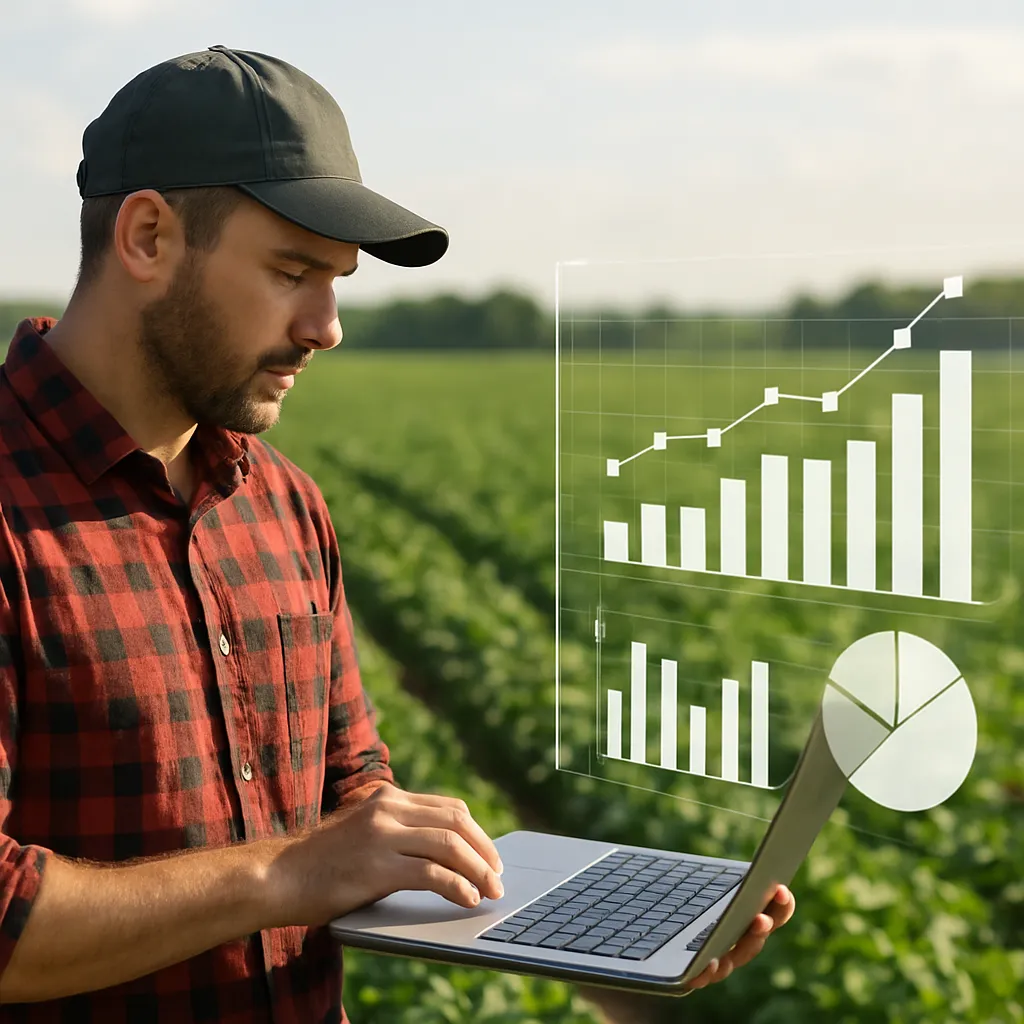






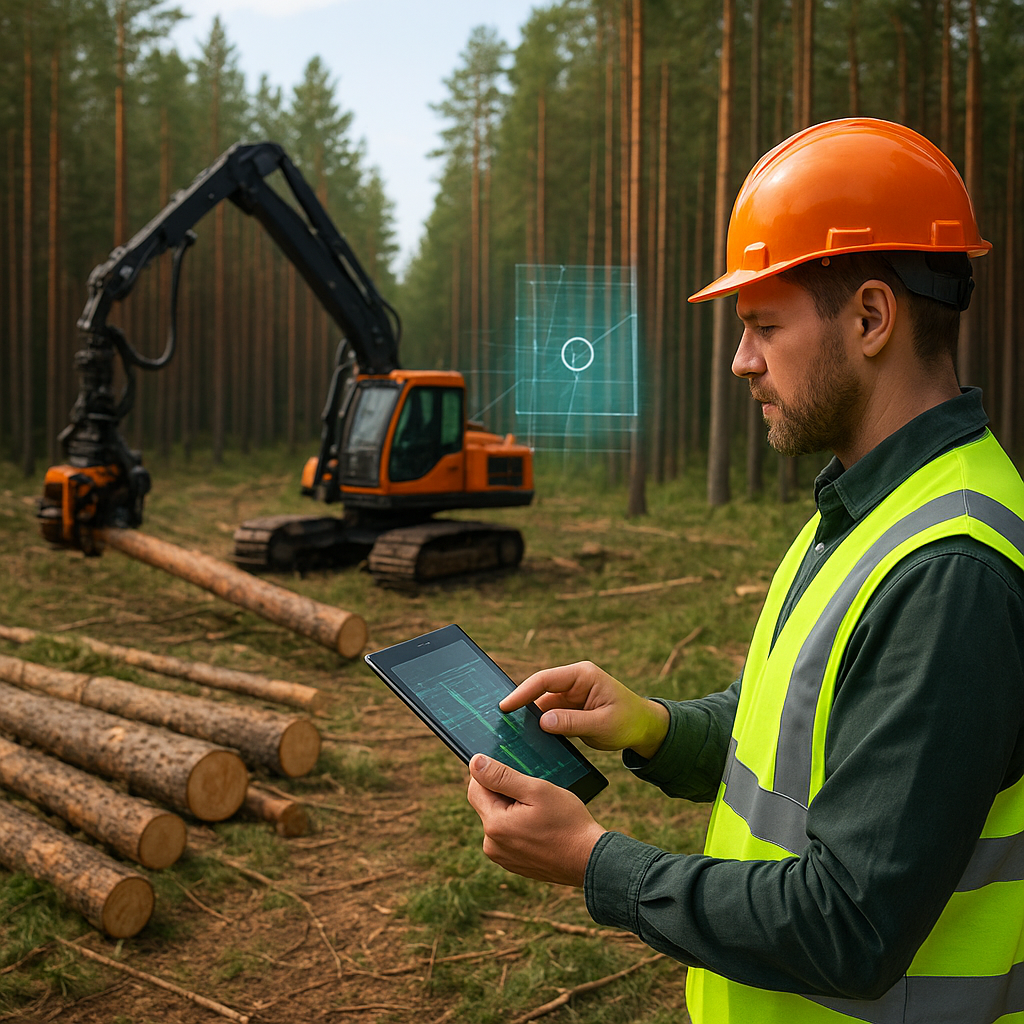
Artificial intelligence is revolutionizing forestry within the realm of impressive agriculture, enabling stakeholders to achieve unprecedented levels of precision in resource management, enhance sustainability, and drive operational efficiency. By leveraging advanced algorithms, remote sensing technologies, and data-driven decision-making, modern forestry is transforming from traditional logging practices into a sophisticated, ecosystem-centric discipline that prioritizes long-term health of woodlands and surrounding environments.
Integrating AI with Impressive Agriculture Practices
The convergence of AI and agriculture has already demonstrated remarkable results in crop farming. Extending these technologies to forestry builds on existing successes and addresses unique challenges such as vast terrain, variable canopy cover, and complex biodiversity. AI tools can process massive datasets from satellites, drones, and ground-based sensors to generate actionable insights. By augmenting human expertise, these systems support more informed planning, yield forecasting, and risk mitigation.
Benefits of AI in Forestry
- Enhanced monitoring of tree health and growth patterns
- Optimized resource allocation for water, nutrients, and pest control
- Reduced ecological footprint through targeted interventions
- Improved compliance with environmental regulations
- Accelerated research on tree genetics and climate adaptability
Precision Resource Monitoring and Management
Traditional methods often rely on manual surveys and periodic sampling, which can be time-consuming and susceptible to human error. AI-driven platforms combine remote sensing imagery with machine learning models to deliver continuous, real-time insights. When integrated with Internet of Things (IoT) devices, forest managers can monitor variables such as soil moisture, temperature fluctuations, and pest infestations with unparalleled accuracy.
Real-Time Ecosystem Surveillance
Drones equipped with multispectral cameras and LiDAR systems collect high-resolution data that AI algorithms analyze to detect stress indicators, disease outbreaks, or illegal logging activities. These systems flag anomalies early on, enabling rapid intervention that preserves both timber value and ecosystem integrity. Automated alerts guide foresters to precise locations, minimizing wasted time and resources.
Data Fusion for Holistic Assessment
Combining satellite imagery with ground sensor readings produces a comprehensive understanding of forest dynamics. AI models apply advanced analytics to identify trends and correlations, such as how drought conditions influence tree mortality or how wildlife habitats shift in response to harvesting. This integrated perspective supports adaptive management strategies that balance economic goals with conservation objectives.
Predictive Analytics and Sustainable Harvesting
Forecasting future yields and environmental impacts is essential for long-term forestry planning. AI-powered predictive models simulate thousands of scenarios, evaluating how various interventions—such as selective thinning, reforestation, or fire suppression—affect growth trajectories and carbon sequestration. By integrating climate data, soil profiles, and species-specific growth rates, foresters can optimize harvest schedules for maximum productivity and minimal disruption.
Yield Optimization and Carbon Accounting
- Forecast timber volumes and market prices to inform sale timings
- Estimate carbon storage capacity for participation in carbon credit programs
- Model growth curves under different management regimes
- Balance short-term revenue with long-term forest resilience
Enhancing Biodiversity and Habitat Protection
Smart algorithms identify critical wildlife corridors, nesting grounds, and sensitive habitats that require protection. By mapping these zones, forest managers can plan harvesting operations around ecologically vital areas, ensuring species preservation and fostering greater biodiversity. AI tools also recommend optimal planting mixes and spatial arrangements to create resilient forest structures capable of withstanding pests, diseases, and extreme weather events.
Automation, Robotics, and Field Operations
Advancements in robotics and autonomous vehicles are reshaping on-ground forestry tasks. From tree planting drones to self-driving harvesting machines, automation reduces labor costs, improves safety, and accelerates project timelines. AI navigation systems guide these machines through complex forest terrain, avoiding obstacles and minimizing soil compaction.
Robotic Tree Planting
Specialized drones can disperse seed pods or plant saplings in deforested areas with precision spacing. This method drastically increases planting rates compared to manual labor, allowing rapid restoration of degraded landscapes. AI optimizes flight paths to account for terrain elevation, wind conditions, and optimal planting density.
Autonomous Harvesters
Self-operating harvesters equipped with computer vision assess tree diameters, heights, and wood quality before executing cuts. These machines adjust their actions in real time to maximize yield and reduce waste. By leveraging innovation in both hardware and software, logging operations become safer and more environmentally responsible.
Challenges and Future Prospects
While the promise of AI in forestry is immense, several obstacles must be addressed to achieve widespread adoption. Data scarcity in remote regions, high initial investment costs, and concerns over data privacy present barriers for small-scale operators. Additionally, algorithm bias or model inaccuracies can lead to misguided decisions if not carefully validated by domain experts.
Data Quality and Accessibility
Reliable training datasets are crucial for robust AI performance. Initiatives to standardize data collection protocols and promote open-source forestry datasets will empower researchers and practitioners alike. Partnerships between governmental bodies, academia, and tech companies can drive data-sharing frameworks that accelerate innovation.
Capacity Building and Stakeholder Engagement
Adopting AI technologies requires upskilling of forestry personnel. Educational programs and hands-on workshops help build local expertise, ensuring that communities can manage and maintain advanced systems. Engaging indigenous and local stakeholders fosters trust and integrates traditional ecological knowledge with modern AI-driven insights.
Regulatory and Ethical Considerations
Applying AI in sensitive ecosystems calls for clear guidelines on data usage, privacy, and environmental impact assessments. Regulatory frameworks should balance the need for innovation with safeguards against unintended consequences. Ethical AI development mandates transparency, accountability, and ongoing monitoring to uphold community interests and safeguard biodiversity.
Looking Ahead
As AI continues to evolve, emerging technologies such as edge computing, 5G connectivity, and quantum processing will further enhance forestry applications. These advancements promise real-time analysis at the sensor level, near-instantaneous data transmission across vast landscapes, and unprecedented computational power for ecosystem simulations. The future of AI-driven forestry holds the potential to transform resource management into a model of optimization, sustainability, and ecological harmony.