
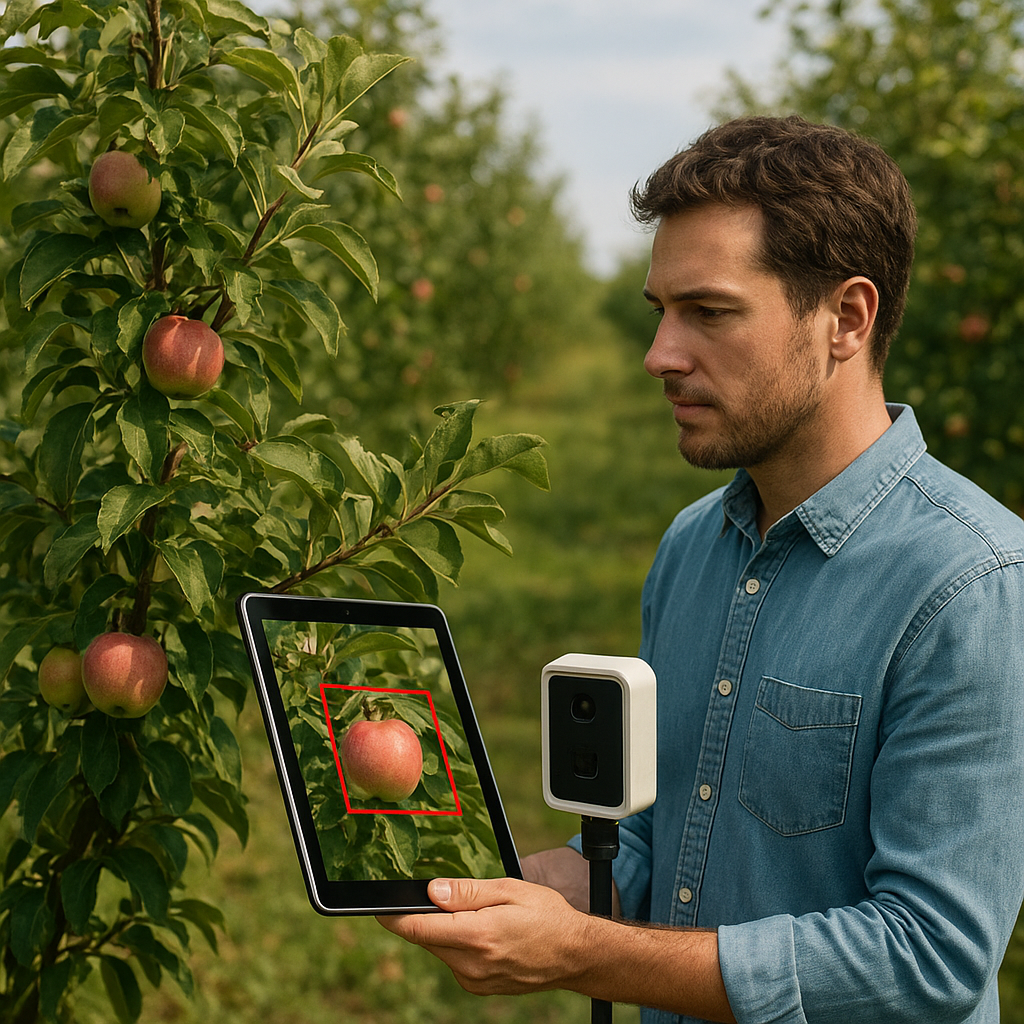
The integration of advanced technologies in agriculture has paved the way for revolutionary tools that optimize resource allocation, improve crop quality, and boost overall productivity. Among these innovations, AI-driven early harvest detection systems stand out as a game-changer, enabling farmers and agronomists to make data-informed decisions at unprecedented speed. By leveraging cutting-edge machine learning models, remote sensing platforms, and robust data analytics frameworks, these systems deliver pinpoint insights into crop health and readiness, ushering in a new era of precision and sustainability in modern farming.
AI and Remote Sensing Revolutionize Crop Monitoring
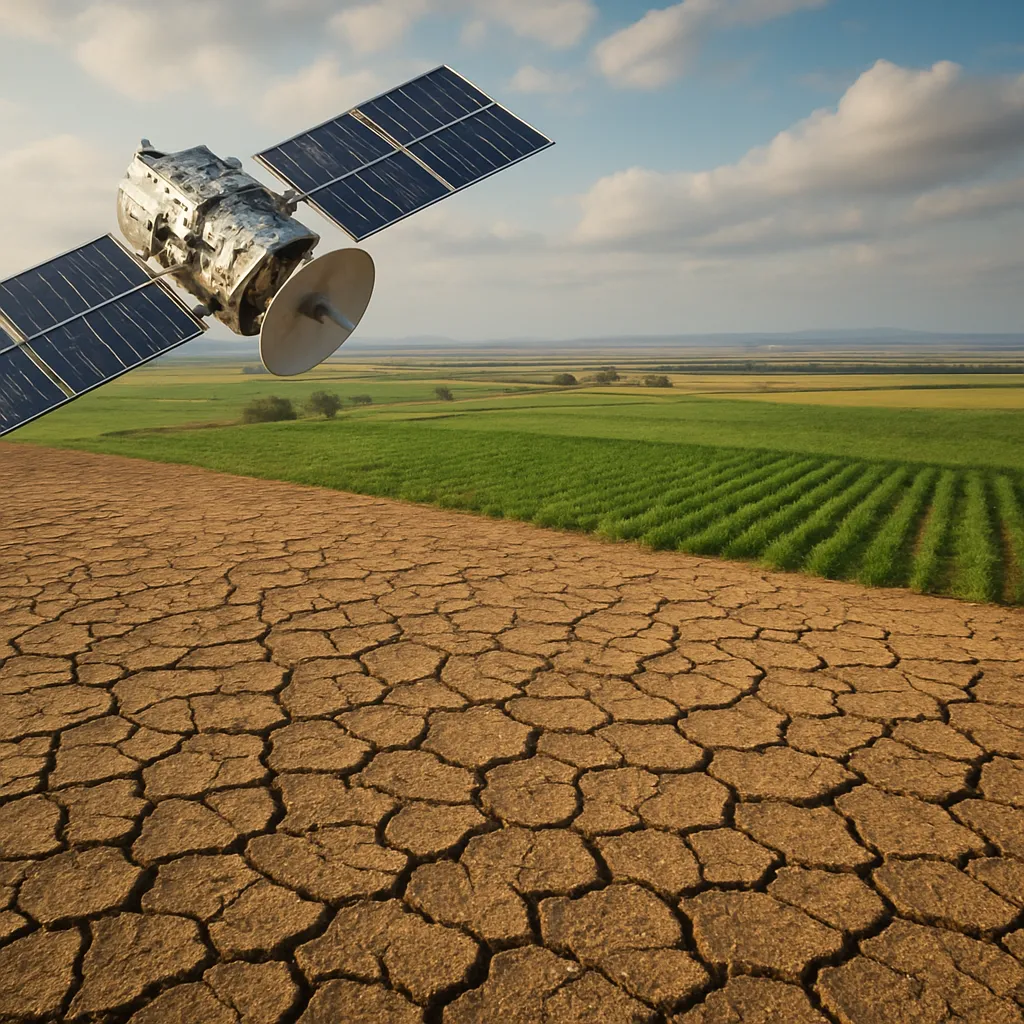
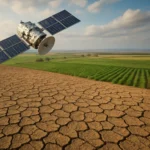
Conventional harvest timing often relies on manual inspection, historical records, and subjective judgment, which can lead to inconsistent outcomes. Recent advances in unmanned aerial vehicles (UAVs), satellite imagery, and ground-based sensors have transformed how agricultural stakeholders collect field data. When combined with AI-powered analytics, these data sources enable continuous, non-invasive monitoring of plant development, soil moisture levels, and environmental stressors.
Key advantages of this integrated approach include:
- Enhanced detection of early signs of disease, nutrient deficiencies, and pest infestations
- Improved accuracy in estimating optimal harvest windows, reducing post-harvest losses
- Automated feedback loops that adjust irrigation and nutrient delivery based on real-time metrics
- Scalability across smallholder plots and large commercial farms, thanks to modular sensor packages
By harnessing high-resolution multispectral imagery, thermal cameras, and LiDAR scanners aboard drones or satellites, AI algorithms can decode subtle physiological changes in crops. These platforms facilitate rapid risk assessments and unlock actionable insights crucial for timely harvest decisions.
Advanced Algorithms and Data Processing Methodologies
At the heart of early harvest detection lies a suite of sophisticated algorithms designed to interpret vast quantities of heterogeneous data. From neural networks trained to recognize stress patterns in leaves to ensemble models predicting yield trajectories, these systems exploit the full spectrum of AI methodologies.
Neural Networks and Deep Learning Architectures
Deep convolutional neural networks (CNNs) excel at analyzing complex imagery, such as hyperspectral scans that reveal chlorophyll activity and water content. Recurrent neural networks (RNNs) and long short-term memory (LSTM) models track temporal trends across planting cycles, offering predictive forecasts of maturation stages.
- Feature extraction from raw spectral bands
- Automated classification of crop phenological stages
- Integration with weather forecasts for context-aware predictions
Statistical Learning and Ensemble Methods
Complementing deep learning, traditional statistical techniques—such as random forests and gradient boosting—provide robust baselines and interpretability. Ensemble approaches merge multiple model outputs to minimize prediction variance, ensuring higher confidence in harvest timing recommendations.
- Cross-validation for model generalizability
- Hyperparameter tuning to optimize performance metrics
- Real-time model updates leveraging edge computing
These combined methodologies underpin a dynamic pipeline: raw sensor input is preprocessed, features are engineered, models generate harvest probability scores, and alerts are dispatched to farm management systems—all within a matter of minutes.
Field Trials, Commercial Deployments, and Value Propositions
Pilot programs across diverse climatic zones have demonstrated the tangible benefits of early harvest detection. From vineyards seeking ideal grape sugar levels to cereal producers aiming to avoid pre-harvest sprouting, AI-driven systems have consistently improved outcomes.
Case Study: Vineyard Precision Management
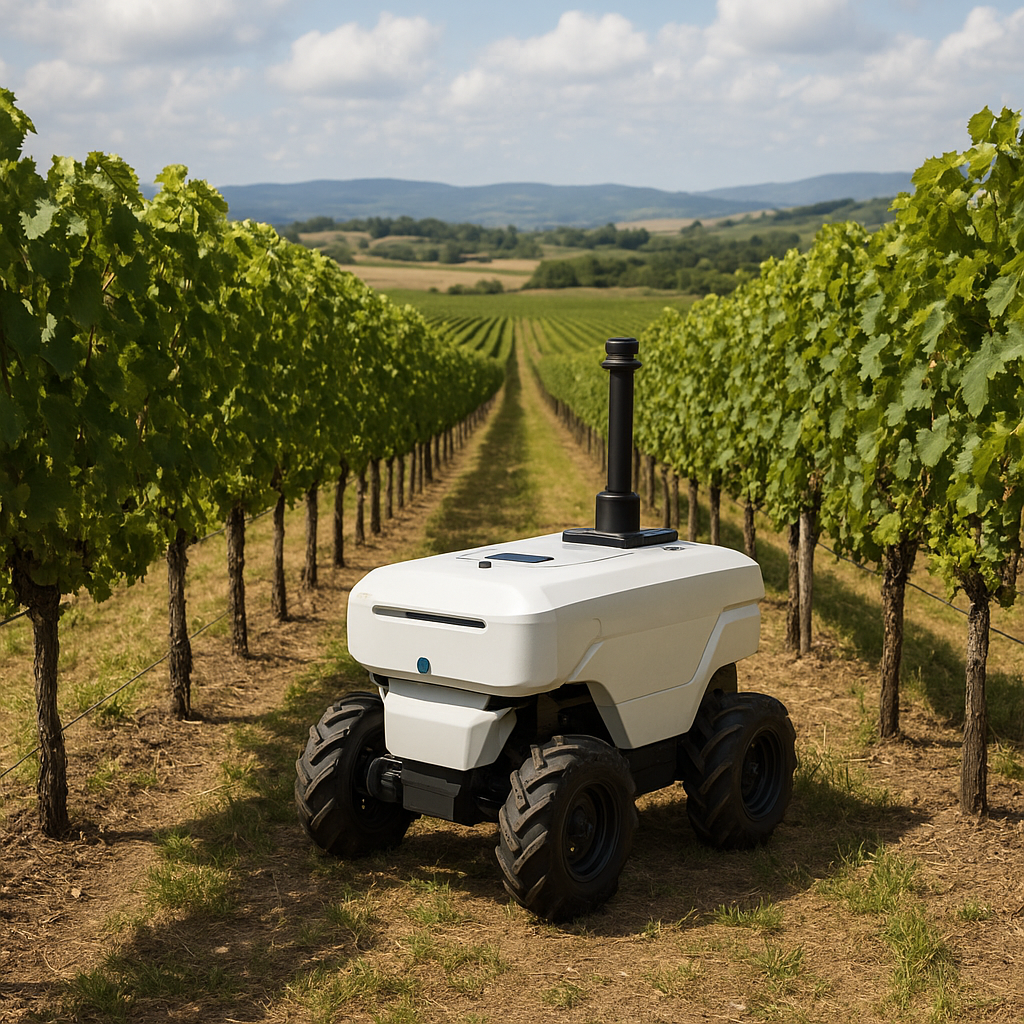
In a large-scale viticulture operation, drone-mounted multispectral cameras captured daily imagery of row plots. The AI platform processed this data to identify specific grape clusters reaching optimal ripeness thresholds. By timing harvest activities within a narrow window, the operation achieved higher wine quality grades and minimized loss due to overripe fruit.
Case Study: Grain and Legume Farms
On grain farms, early detection models integrated soil moisture sensors and satellite-derived vegetation indices to forecast harvest readiness. Farmers optimized combine schedules, reducing downtime and energy consumption by aligning machinery deployment with peak yield periods.
- Yield increases of up to 12% through targeted harvest timing
- Reduction of post-harvest spoilage by over 18%
- Labor and equipment cost savings from streamlined field operations
Commercial providers now offer turnkey solutions combining hardware kits, cloud-based analytics, and mobile dashboards. Subscription models ensure ongoing optimization of algorithm parameters, while integration with farm management software enhances decision support.
Overcoming Challenges and Scaling AI Solutions
Despite rapid progress, the path to widespread adoption presents technical and operational hurdles. Ensuring data accuracy, maintaining reliable connectivity in remote regions, and addressing privacy concerns rank among the primary obstacles. To foster trust and adoption, developers are focusing on:
- Implementing edge computing modules for offline inference
- Designing intuitive user interfaces that simplify complex analytics
- Offering modular hardware that adapts to diverse crop types and terrains
- Establishing protocols for secure data sharing and compliance with regulations
Efforts to enhance scalability include leveraging federated learning frameworks, which allow multiple stakeholders to collaboratively train models without exposing proprietary data. Furthermore, open-source initiatives and academic-industry partnerships continue to drive advancements, democratizing access to state-of-the-art techniques.
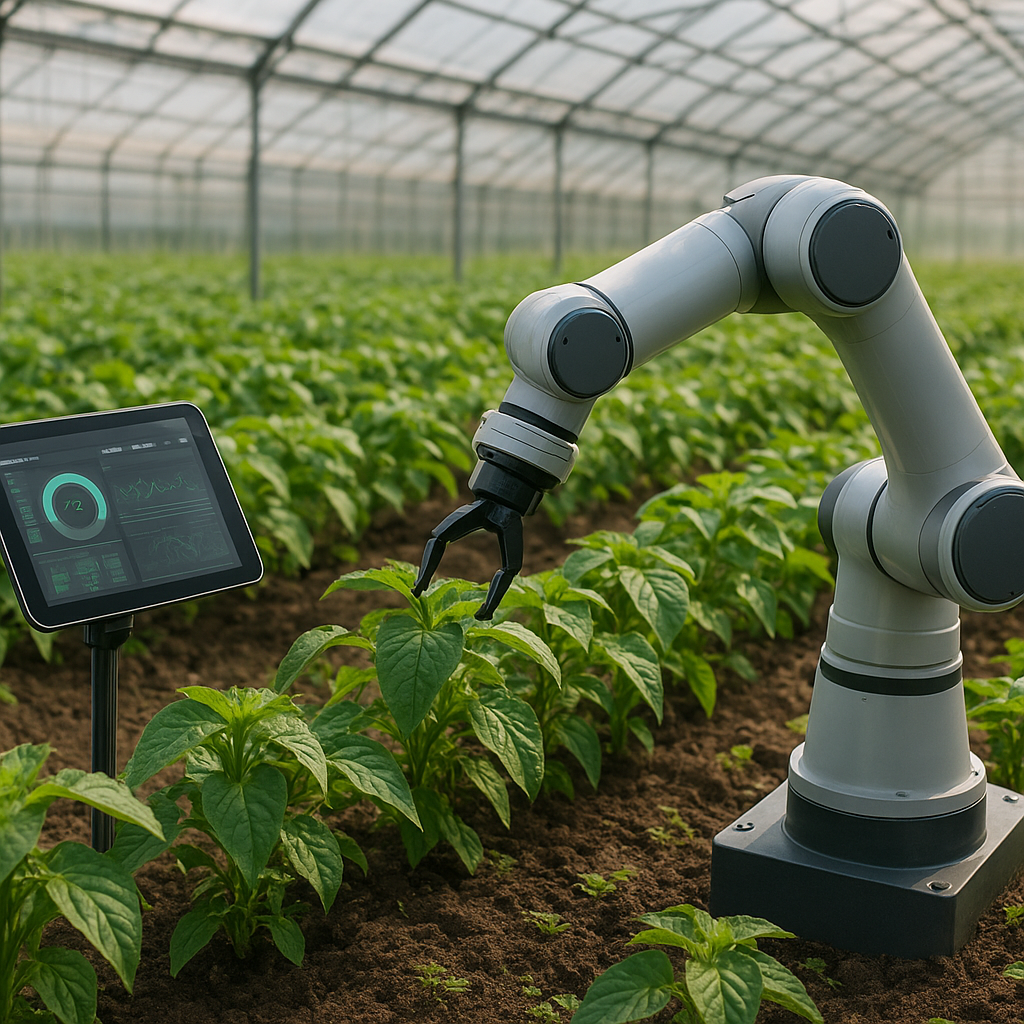
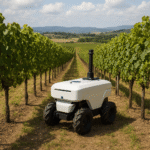
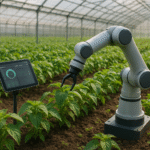
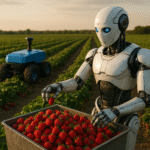
Looking ahead, integrating robotics for autonomous sampling and harvest execution promises to close the loop from detection to action. As AI-driven systems evolve, they will play an increasingly pivotal role in shaping resilient, efficient, and environmentally conscious agricultural ecosystems.