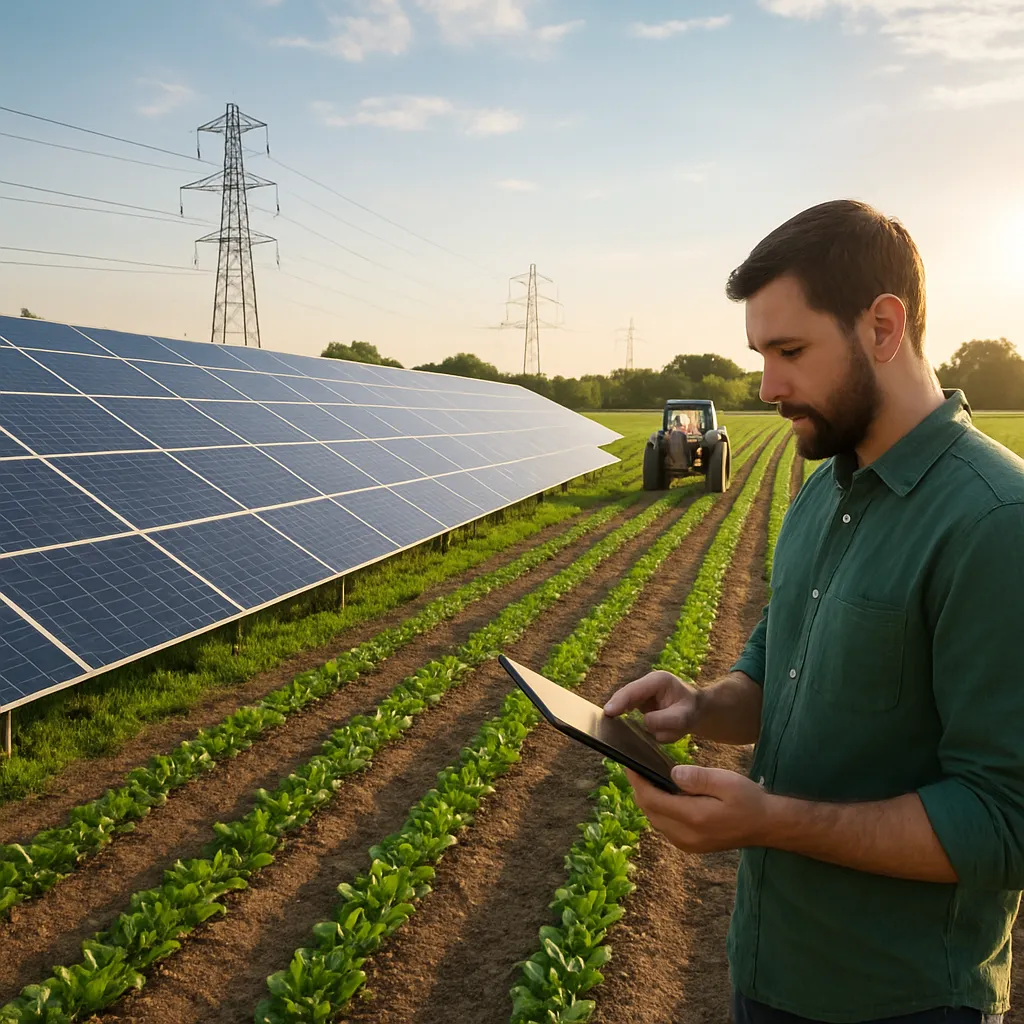

In the realm of modern agriculture, integrating cutting-edge technologies has become a cornerstone for maximizing efficiency and resilience. One of the most transformative innovations lies at the intersection of AI and meteorological science. By leveraging data analytics and sophisticated machine learning algorithms, farmers gain unparalleled insights into upcoming weather patterns, thus empowering them to fine-tune operations with unprecedented precision. This fusion of technology and agronomy marks a new era in which every decision—ranging from irrigation schedules to planting dates—is informed by real-time, AI-generated weather intelligence.
Harnessing AI for Advanced Weather Modeling
Traditional weather forecasts often rely on broad-scale models that lack the granularity required for field-specific planning. In contrast, AI-driven systems aggregate vast datasets—from satellite imagery and ground sensors to historical climate records—to generate hyper-localized predictions. These models continuously self-improve, employing feedback loops to refine accuracy over time.
Key Data Sources and Integration
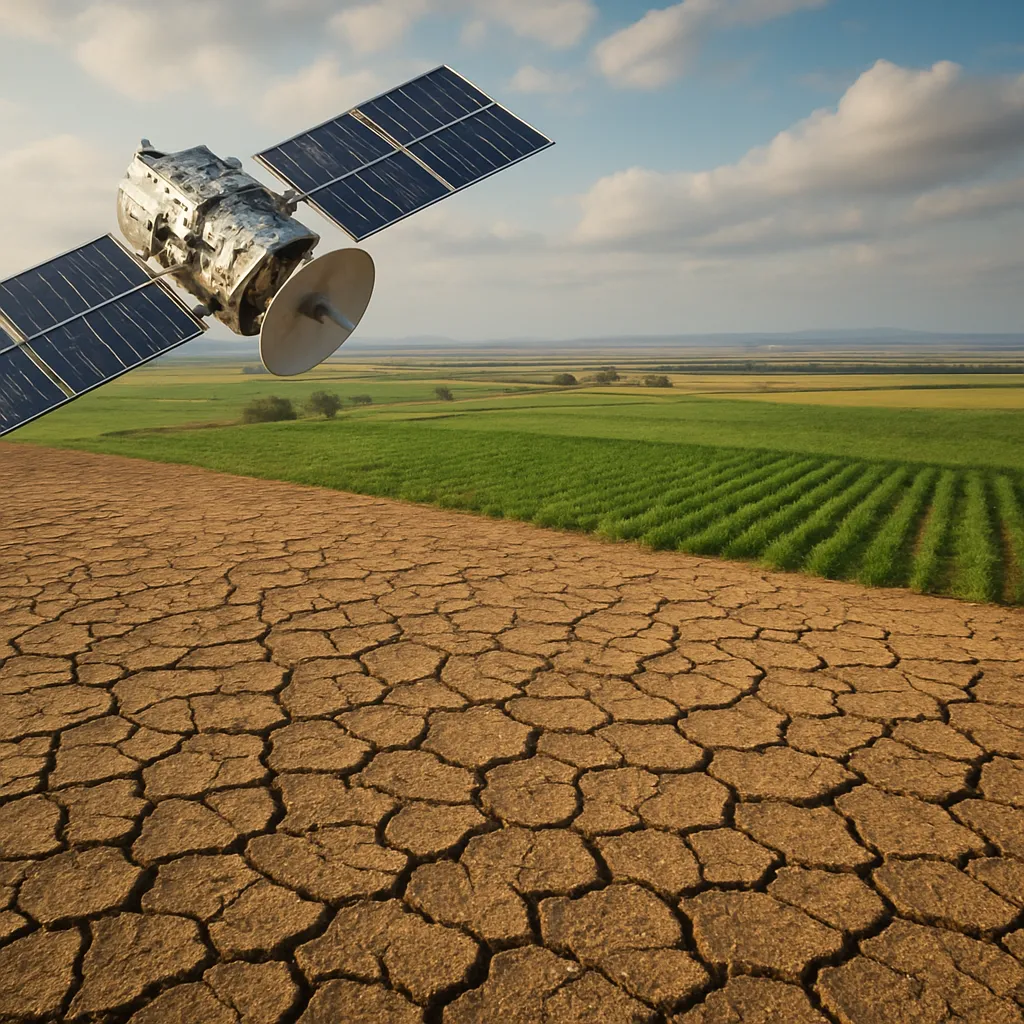
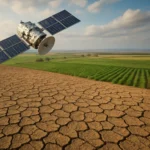
- Remote sensing satellites capturing cloud patterns and moisture levels
- On-site weather stations relaying temperature, humidity, and wind speed
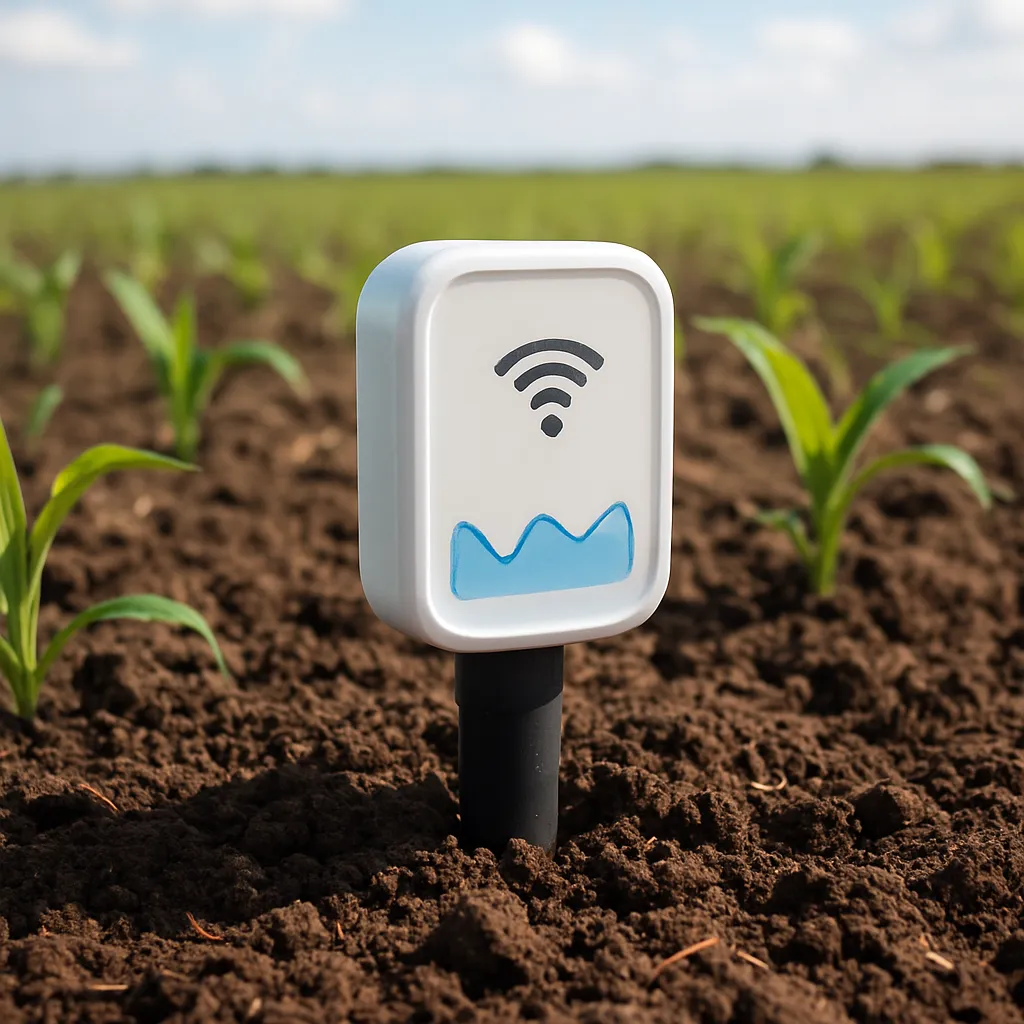
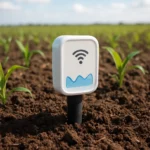
- Soil moisture probes providing subsurface hydration metrics
- Historical climate archives for trend analysis and anomaly detection
By merging these inputs, AI frameworks construct multi-dimensional profiles of field conditions. Advanced neural networks dissect complex interactions—such as the effect of soil thermal inertia on frost risk—yielding predictions with a lead time of days to weeks.
Predictive Modeling Techniques
Within the umbrella of predictive modeling, ensemble approaches like random forests and gradient boosting enhance reliability by amalgamating forecasts from multiple sub-models. Deep learning architectures, including Long Short-Term Memory (LSTM) networks, excel in recognizing temporal sequences, enabling the system to anticipate abrupt shifts in weather fronts.
These capabilities translate into actionable intelligence, helping agronomists optimize planting windows, schedule protective measures against hail, and adjust greenhouse ventilation before temperature spikes.
Refining Agricultural Schedules through Precision Forecasts
Farm managers often face a delicate balance: delaying sowing risks losing the optimal growth window, while premature fieldwork may expose seedlings to late frosts. AI-generated insights transform this gamble into a calculated strategy by pinpointing precise moments for each activity.
Irrigation and Water Management
Efficient water use is critical in regions battling drought or limited irrigation infrastructure. AI forecasts integrate evapotranspiration rates with rainfall predictions, enabling:
- Automated irrigation that applies water only when and where it’s needed
- Reduced runoff and nutrient leaching through smarter scheduling
- Lower energy costs by syncing pump operations with forecasted cool periods
Such targeted watering contributes directly to enhanced crop yield while conserving precious resources.
Targeted Pest and Disease Control
Certain pathogens and pests thrive under specific weather conditions—high humidity fosters fungal outbreaks, and warm, stagnant air may accelerate insect proliferation. AI weather intelligence triggers early warnings, prompting:
- Timely fungicide or pesticide applications, reducing chemical usage
- Deployment of biological control agents when environmental conditions are optimal
- Adaptive crop rotation plans that mitigate pest carryover
These measures bolster overall resilience while minimizing environmental impact.
Harvest and Logistics Coordination
Harvest windows are notoriously narrow. Rains during harvest can degrade grain quality; heat waves can stress fruit-bearing crops. AI-driven notifications alert logistics teams to mobilize equipment, schedule labor, and secure storage facilities in alignment with forecasted dry spells or cool mornings.
Driving Sustainable Agriculture with Intelligent Insights
Long-term sustainability demands more than just immediate productivity gains; it requires resilience against climate variability and improved resource stewardship. AI-generated weather insights serve as a linchpin for sustainable strategies.
Carbon Footprint Reduction
By optimizing field operations and machinery deployment, farms can minimize fuel consumption and associated greenhouse gas emissions. Precision scheduling limits unnecessary tractor runs and refines fertilizer application, curbing nitrous oxide release.
Soil Health and Regenerative Practices
Understanding moisture cycles and freeze-thaw dynamics helps farmers implement cover cropping, no-till approaches, and compost integration at ideal times. AI foresight supports:
- Strategic cover crop planting to prevent erosion ahead of heavy rains
- Optimal timing for incorporation of organic matter to maximize nutrient availability
- Rotation plans that align with moisture conditions for successful germination
Future Directions in Intelligent Agriculture
As sensor networks expand and computational power grows, AI weather platforms will evolve to offer even deeper field-level insights. Next-generation drones could conduct real-time microclimate scans, feeding edge-computing modules built into tractors and autonomous sprayers. Blockchain integration may secure the provenance of climate-smart produce, adding value for eco-conscious consumers. Meanwhile, hybrid models combining AI outputs with farmer intuition will foster a collaborative decision-making environment—unifying human expertise with machine-driven precision.
In this dynamic landscape, the synergy between forecasts and farm operations underscores a paradigm shift. From sowing to harvest, weather intelligence powered by AI drives tangible benefits—enhancing productivity, preserving ecosystems, and fortifying the global food supply chain against an ever-shifting climate.