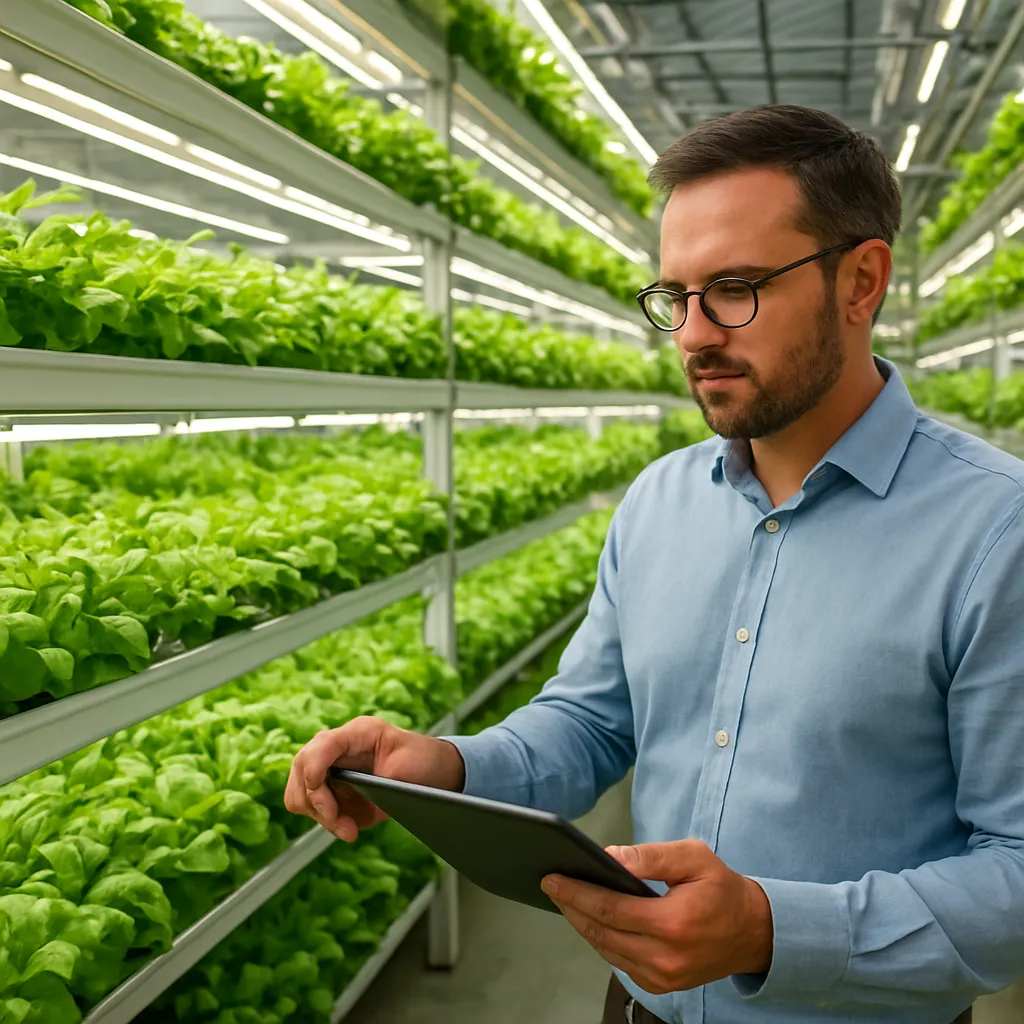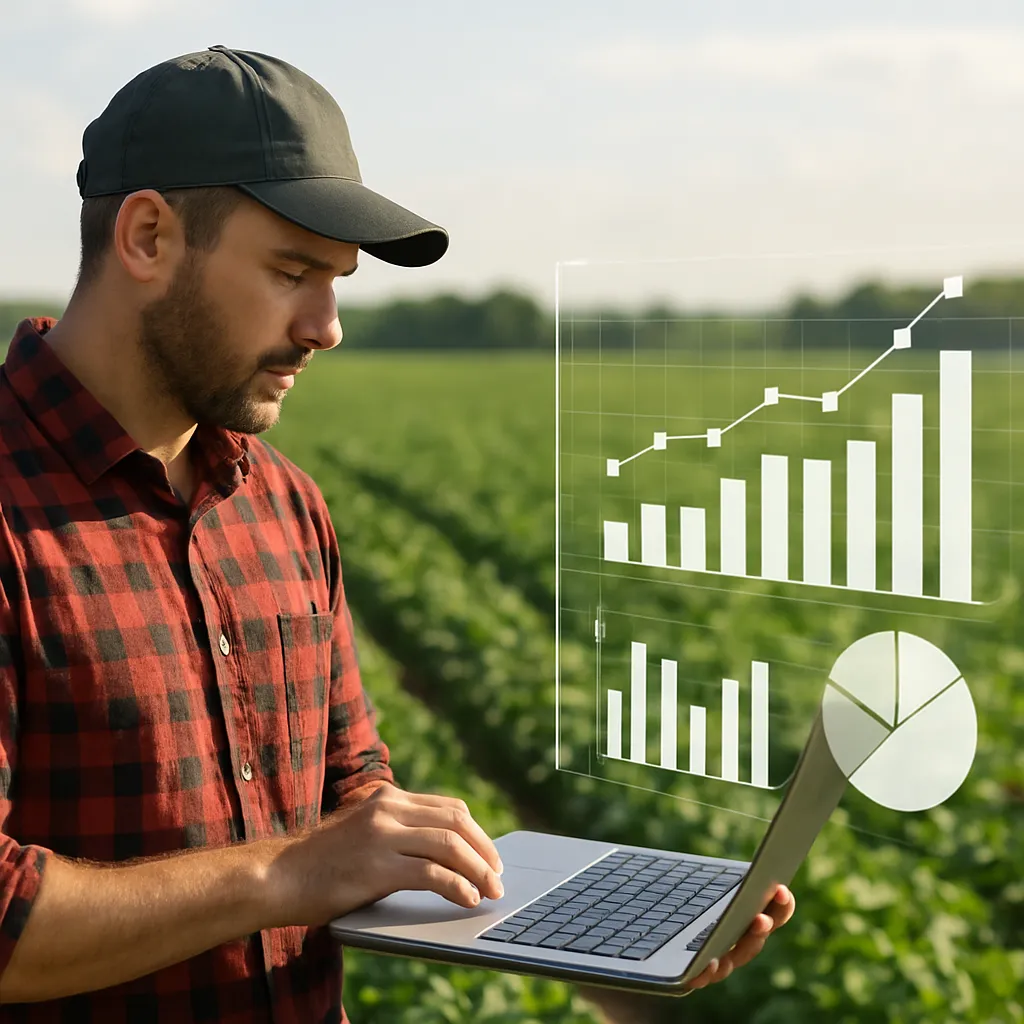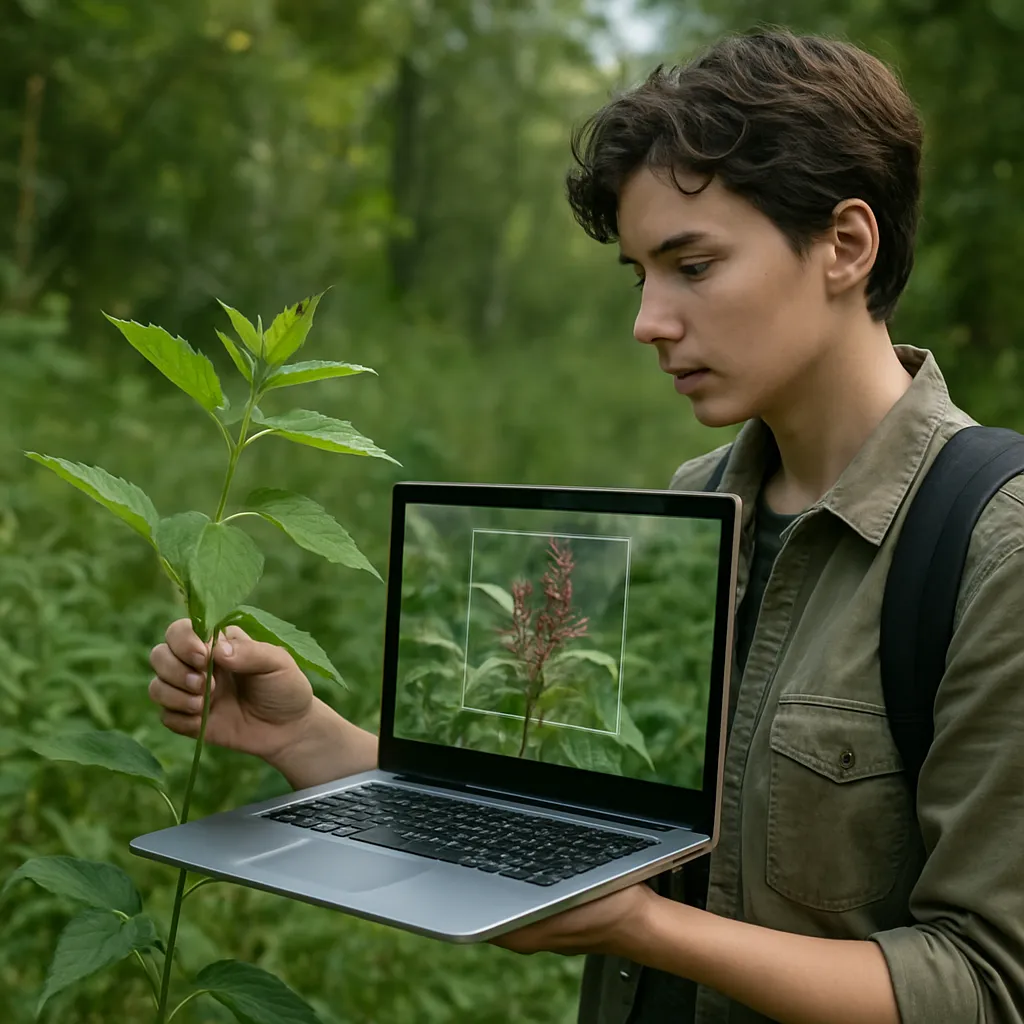


Greenhouse environments are undergoing a remarkable transformation as **robotics** infiltrate every aspect of cultivation, from seeding to harvesting. Growers are increasingly turning to **automation** to achieve **precision** in plant care, enhance **efficiency**, and minimize resource waste. This article explores how intelligent machines are revolutionizing greenhouse management, highlighting key systems, cutting-edge technologies, and potential hurdles along the way.
Integrating Automated Systems for Optimal Plant Care
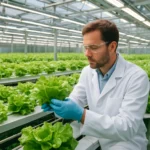
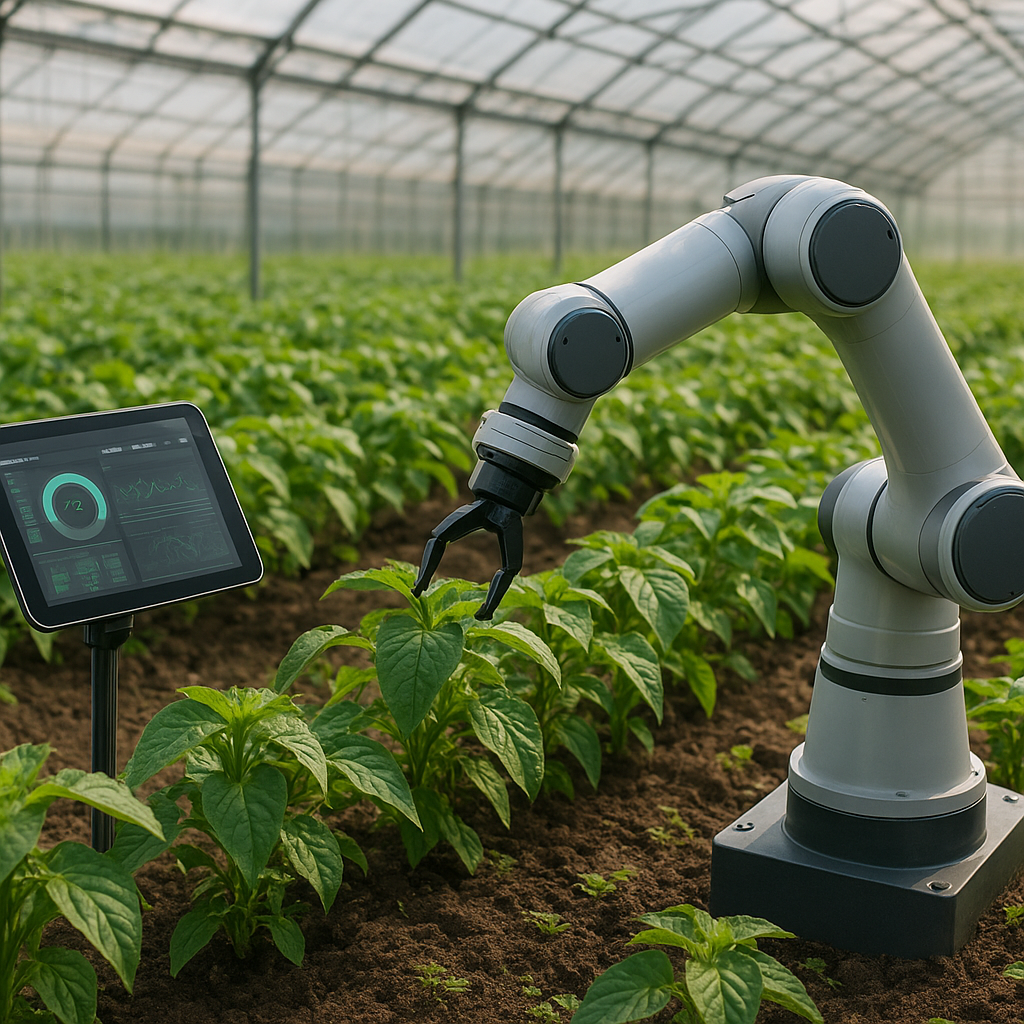
Modern greenhouses leverage a spectrum of robotic platforms, each designed to perform specialized tasks. Autonomous vehicles navigate aisles, delivering seedlings, fertilizers, and water with **real-time** adjustments. Meanwhile, robotic arms handle delicate operations such as pruning, transplanting, and harvesting with remarkable speed and accuracy.
Seeding and Transplanting Robots
- Precision dispensers: Equipped with vision systems, these robots identify optimal planting spots and gently place seeds at uniform depths.
- Tray handling units: Automated conveyors transport trays to transplanting stations, where robotic grippers transfer young plants into growth beds.
- Calibration modules: Self-check routines ensure the correct spacing, angle, and soil contact for each seedling.
Pruning, Monitoring, and Harvesting Arms
- Pruning attachments: End-effectors equipped with lasers or blades remove dead foliage, stimulating healthy growth and reducing disease risk.
- Spectral imaging: Integrated cameras analyze leaf color and shape to detect nutrient deficiencies or pest infestations.
- Harvesting clusters: Multi-fingered grippers gently pick fruits or vegetables, sorting produce by size, color, and ripeness before packaging.
By integrating these systems into a unified control platform, growers can schedule maintenance, update task sequences, and monitor **energy consumption** from a central dashboard. Automated scheduling not only reduces human error but also frees labor to focus on higher-value decision-making, ultimately lowering **labor costs** and improving overall profitability.
Advanced Sensor Technology and Data Analytics
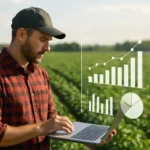
At the heart of robotic greenhouses lies a dense network of sensors, capturing data on temperature, humidity, CO2 concentration, and soil moisture. This **sensor technology** forms the basis for **machine learning** algorithms that optimize environmental parameters in real time.
Environmental Control Strategies
- Climate sensors: Precision thermometers and hygrometers relay current conditions to the greenhouse management system every few seconds.
- Light quality meters: Photosynthetically active radiation sensors measure light spectral distribution, enabling automated adjustments of LED arrays.
- Ventilation actuators: Coupled with predictive analytics, these systems open vents or activate fans to maintain ideal air circulation.
Data-Driven Crop Optimization
- Growth modeling: Historical and real-time data feed into models that predict biomass accumulation, flowering times, and harvest windows.
- Yield forecasting: AI-driven analytics forecast **crop yield**, allowing growers to plan distribution and marketing strategies more accurately.
- Resource allocation: Algorithms optimize water and nutrient delivery schedules, leading to significant savings in **sustainability** metrics.
By harnessing the synergy between robotics and data analytics, greenhouses can achieve closed-loop control systems. Such systems automatically adjust fertigation, lighting, and temperature controls to maximize plant performance while minimizing waste. This dynamic approach leads to year-round production cycles, stable output quality, and reduced reliance on chemical inputs.
Energy Management and Sustainability Initiatives
Efficient **energy management** is critical in controlled-environment agriculture. Robotics not only consume power but also enable strategies to reduce overall energy footprints:
- Demand-driven lighting: Intelligent robots communicate with lighting networks to activate illumination only in occupied zones or during peak photosynthetic hours.
- Thermal regulation: Autonomous shades and misting robots work in concert with heating and cooling systems, buffering temperature fluctuations and reducing HVAC load.
- Renewable integration: Solar panels and battery storage systems are managed by robotic systems that balance energy supply with greenhouse demand curves.
These measures contribute to greenhouses that can approach net-zero energy use. In addition, automated waste collection robots segregate organic debris for composting and recycle water through membrane filtration units, advancing circular economy principles within agricultural infrastructure.
Challenges and Future Prospects
Despite the exceptional promise of robotic greenhouses, several obstacles remain on the path to widespread adoption. Initial capital investment can be substantial, requiring careful return-on-investment calculations. Technical hurdles include:
- System interoperability: Ensuring that robots from different manufacturers communicate effectively with centralized management platforms.
- Maintenance and downtime: High-precision machinery demands regular calibration and expert servicing to avoid production delays.
- Data security: Protecting sensitive agronomic and operational data from cyber threats is paramount.
Research and Development Trends
- Soft robotics: Developing flexible grippers that can handle diverse crop morphologies without causing damage.
- Edge computing: Deploying AI processing at the robot level to reduce latency and reliance on cloud connectivity.
- Swarm coordination: Implementing multi-robot collaboration protocols to increase throughput and redundancy in large-scale operations.
As technology advances, costs will continue to decline, and modular robotic suites will become accessible to small and medium-sized growers. Partnerships between universities, equipment manufacturers, and farmers are accelerating trials and pilot programs worldwide.
Conclusion of Technological Impact
When integrated thoughtfully, robotics can transform greenhouse management into a highly automated, data-driven discipline. Growers adopting these innovations experience improved **productivity**, enhanced **sustainability**, and greater adaptability to market demands. Overcoming initial challenges will pave the way for smarter, more resilient food production systems capable of meeting the needs of a growing global population.