Agricultural stakeholders around the globe are embracing the transformative potential of artificial intelligence to safeguard crop health and enhance productivity. AI-powered early warning systems are revolutionizing how diseases are detected, predicted, and managed, enabling proactive interventions that save both time and resources. By integrating cutting-edge technologies such as machine learning, satellite imagery, and IoT sensors, these platforms deliver real-time insights with remarkable accuracy. The following exploration delves into the core challenges, enabling technologies, deployment strategies, benefits, and future directions of AI-driven disease surveillance in modern agriculture.
Understanding Crop Disease Challenges
Crop diseases pose a relentless threat to global food security, with fungal infections, bacterial blights, and viral pathogens jeopardizing harvests each season. Farmers contend with complex interactions between climate variables, soil conditions, and pathogen evolution. Traditional scouting methods, while valuable, often suffer from delayed detection and limited spatial coverage. Small outbreaks can escalate rapidly, leading to widespread losses before corrective measures are implemented.
Addressing these challenges demands a shift toward predictive frameworks that anticipate disease emergence rather than merely reacting to visible symptoms. AI-powered systems analyze historical records, weather forecasts, and on-the-ground sensor data to identify subtle patterns that precede outbreaks. This proactive stance empowers precision agriculture practitioners to optimize fungicide applications, adjust irrigation schedules, and implement crop rotations tailored to localized risk profiles. In regions where labor shortages restrict manual scouting, automated disease surveillance emerges as a game-changer for protecting yields and livelihoods.
Technologies Enabling Early Warning Systems
Machine Learning and Predictive Analytics
At the heart of every early warning platform lies an ensemble of machine learning models trained on extensive datasets. Supervised algorithms classify disease severity by correlating leaf discoloration, lesion shapes, and canopy reflectance with known infection levels. Unsupervised clustering techniques detect novel disease patterns without explicit labels, flagging anomalies that warrant further inspection. Reinforcement learning optimizes treatment schedules by balancing control efficacy against chemical usage, helping growers minimize expenses while preserving environmental health.
These advanced models leverage predictive analytics to forecast outbreak timelines based on weather-driven pathogen lifecycles. By simulating humidity cycles and temperature fluctuations, AI engines predict optimal conditions for spore germination and dissemination. Virtual experiments enable agronomists to test hypothetical scenarios—such as extended rainfall periods or sudden heatwaves—and devise timely mitigation strategies before field damage escalates.
Remote Sensing and IoT Sensors
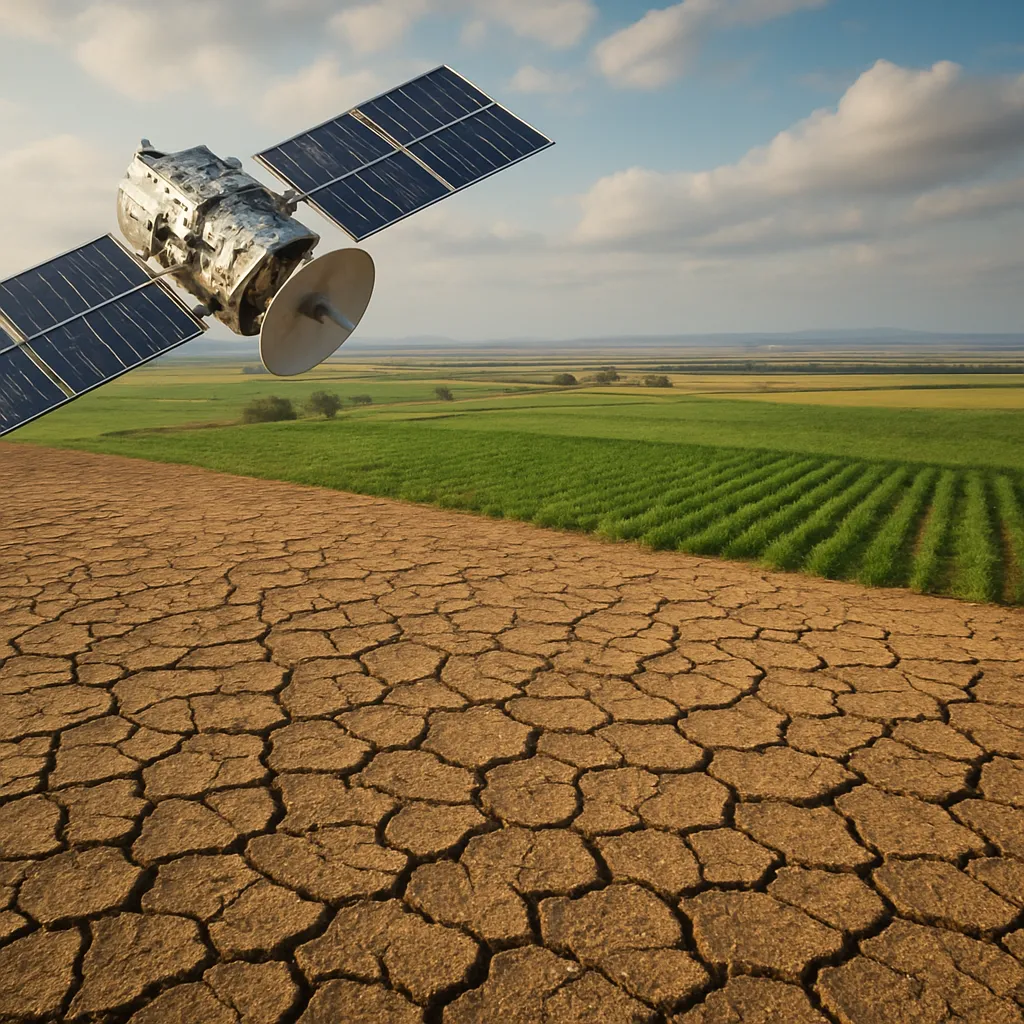
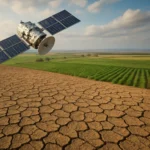
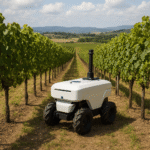
Integrating diverse data streams elevates system precision and coverage. High-resolution satellite imagery provides synoptic views of large agricultural zones, detecting canopy stress indicators like chlorophyll decline and thermal anomalies. Drone-based multispectral cameras capture detailed field-level snapshots, enabling rapid spot checks in remote locations.
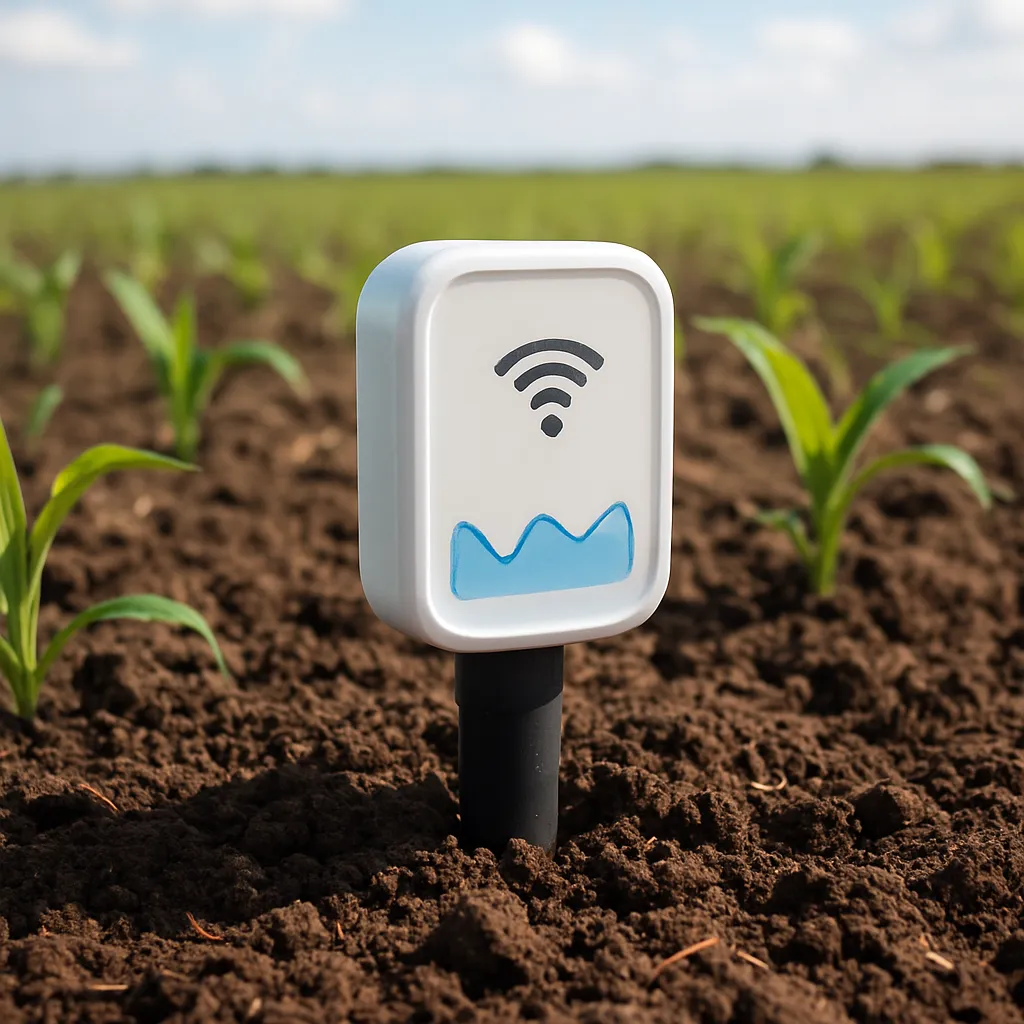
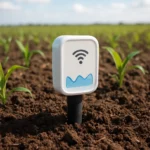
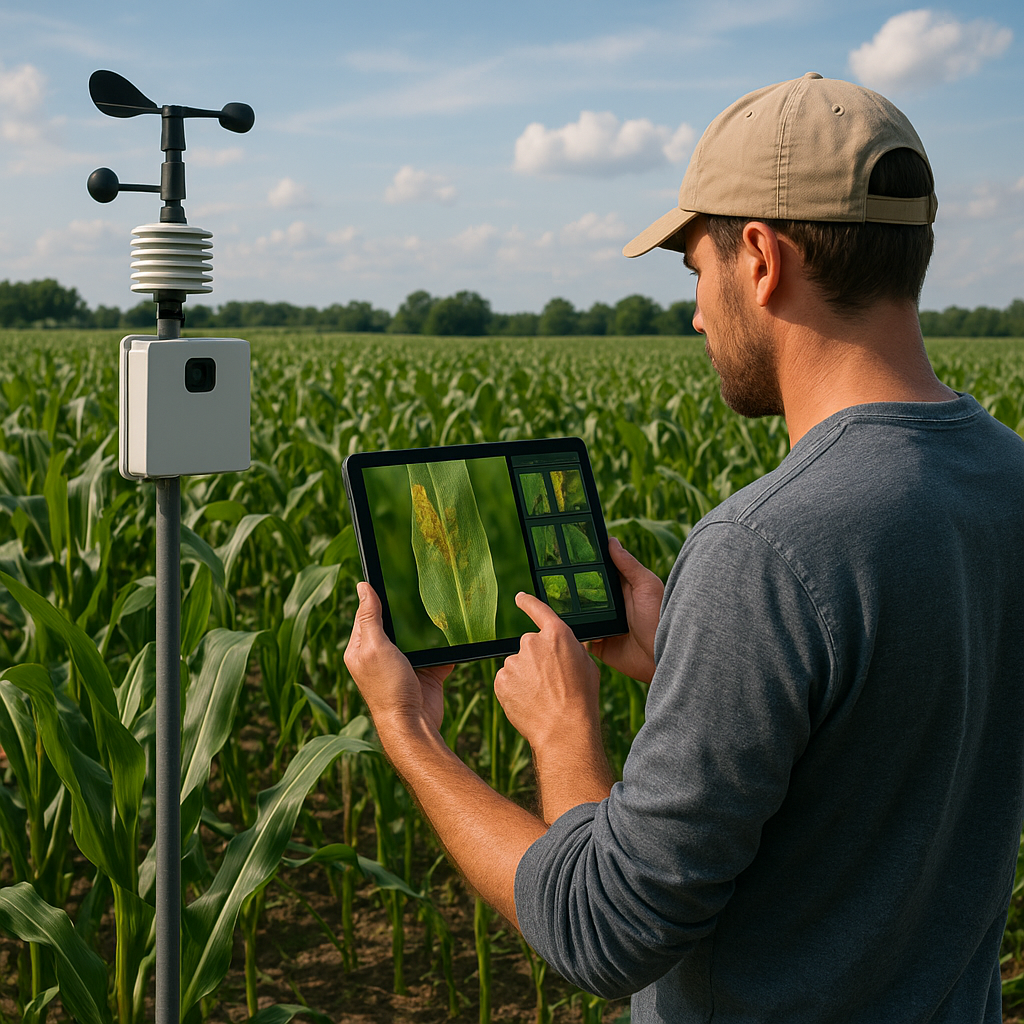
Meanwhile, IoT sensor networks deliver continuous measurements of soil moisture, ambient temperature, leaf wetness, and CO₂ flux. These IoT sensors serve as digital scouts, relaying microclimate fluctuations that influence pathogen development. Seamless data fusion from satellites, drones, and ground sensors creates a multi-layered surveillance fabric that excels at pinpointing emerging threats with minimal latency.
Data Integration and Cloud Computing
A robust backend infrastructure is paramount for handling voluminous inputs and supporting near-instant analysis. Agricultural researchers harness cloud-based platforms to store terabytes of imagery, sensor logs, and historic outbreak records. Scalable computing clusters run parallel processing pipelines that clean, normalize, and analyze data streams at scale.
Data integration tools merge heterogeneous formats—raster maps, time-series tables, field notes—into unified knowledge graphs. This harmonized data ecosystem drives cross-domain insights, such as linking soil nutrient profiles with disease prevalence. Cloud orchestration ensures that new data ingested from remote sites triggers automated model retraining, keeping predictive engines up to date with evolving pathogen behaviors.
Deployment Strategies in the Field
Smallholder Farms vs Industrial Agriculture
Implementation strategies vary according to farm size, resource availability, and technical expertise. For large-scale operations, centralized dashboards provide agronomy teams with live maps of risk zones across thousands of hectares. Custom alerts inform field managers when hotspots exceed predefined thresholds, prompting targeted scouting missions or aerial spraying flights.
In contrast, smallholder farmers often depend on mobile applications that translate complex risk assessments into straightforward advisories. By leveraging low-cost weather stations and community-shared drone surveys, cooperatives pool resources to access advanced warning services. This democratization of technology strengthens resilience in regions where input costs and infrastructure gaps traditionally hamper disease management efforts.
Training and Extension Services
Effective adoption hinges on comprehensive training and ongoing technical support. Extension agents play a pivotal role in bridging the gap between AI developers and end users. Workshops, field demonstrations, and interactive tutorials familiarize growers with system interfaces, sensor maintenance, and interpretation of risk indicators.
Localized training materials, available in multiple languages and tailored to specific crop-pathogen systems, enhance user confidence and trust. By fostering a two-way feedback loop, developers receive critical on-farm performance data that informs iterative system refinements, ensuring that AI solutions evolve in step with real-world agricultural needs.
Benefits and Impacts
AI-driven early warning systems yield manifold advantages that resonate across economic, environmental, and social dimensions. Crop losses due to diseases can decrease by up to 30–40% when interventions are timed optimally, translating into significant revenue gains for growers. Reduced reliance on blanket pesticide applications fosters ecological sustainability, protecting beneficial insects, soil biota, and surrounding ecosystems.
Moreover, precise targeting of treatments curtails chemical runoff into waterways, safeguarding community health and biodiversity. Enhanced disease forecasting bolsters supply chain stability, enabling agribusinesses to plan logistics, storage, and market deliveries with greater certainty. In developing regions, improved yield security contributes to poverty alleviation and food affordability, reinforcing the broader goals of global food systems resilience.
Future Directions and Innovations
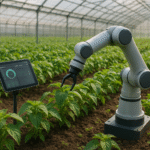
Looking ahead, the integration of edge computing promises to reduce latency and empower autonomous field devices. On-site AI accelerators within drones or sensor nodes could execute inference tasks without relying on continuous internet connectivity, enabling rapid decision-making even in remote areas.
Blockchain-based traceability frameworks may link disease warnings to harvest batches, offering end consumers transparent assurances of crop integrity. Advances in hyperspectral imaging and micro-drone swarms could unlock new dimensions of plant health monitoring, capturing biochemical signatures invisible to the human eye.
As interdisciplinary collaborations deepen, AI-powered early warning systems will continue to evolve, driving the next wave of precision agriculture innovations. By harnessing the synergy of digital technologies, stakeholders will navigate emerging threats with unprecedented agility, securing a more productive and resilient agricultural future.