
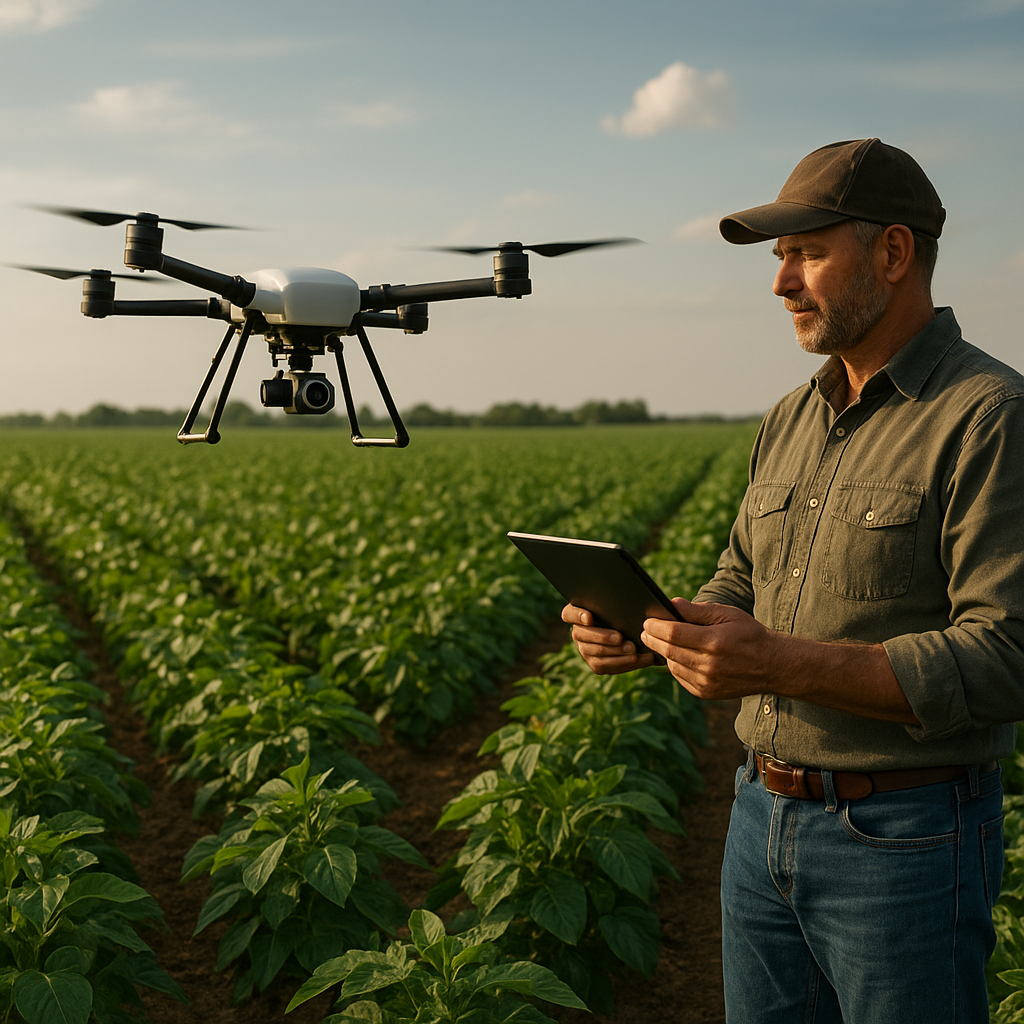
Field-by-field, agriculture is embracing a transformative wave where cutting-edge tools replace manual scouting and patchy records. Automated Crop Monitoring: A Farmer’s New Best Friend delves into how interconnected devices and intelligent systems empower growers with unprecedented insights. From high-resolution aerial imagery to predictive analytics, this approach elevates decision-making in every stage of production.
Revolutionizing Field Assessment with Real-Time Data
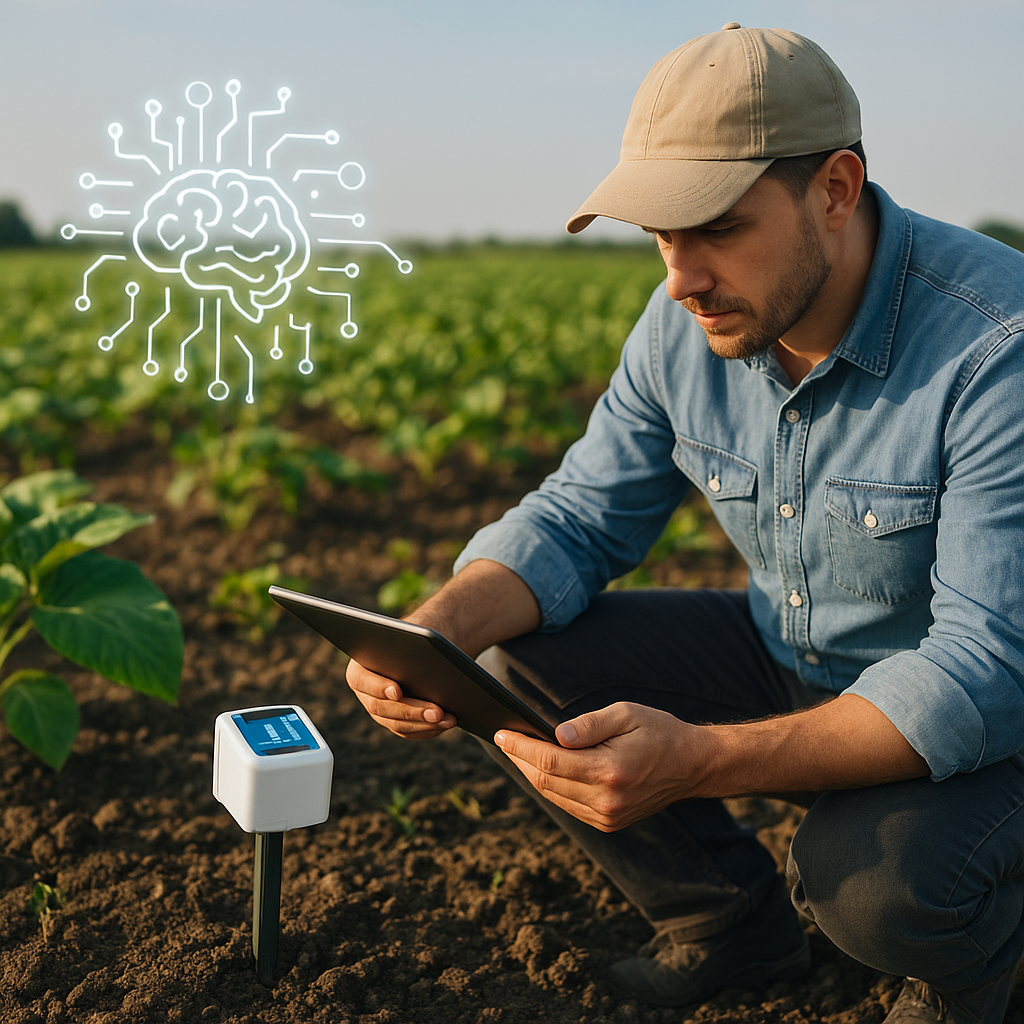
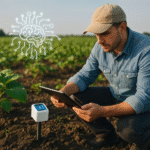
Traditional scouting methods often rely on sporadic visual checks or limited sample plots, leaving hidden stressors undetected until significant damage occurs. By contrast, automated monitoring networks deliver continuous observations, capturing subtle shifts in plant health long before they become critical. Satellite platforms equipped with multispectral sensors track vegetation vigor via indices like NDVI, while ground-based IoT probes gauge soil moisture, temperature, and nutrient levels at multiple depths. These combined data streams offer a holistic view of crop status, enabling farmers to spot early signs of drought stress, nutrient deficiency, or pest infestations.
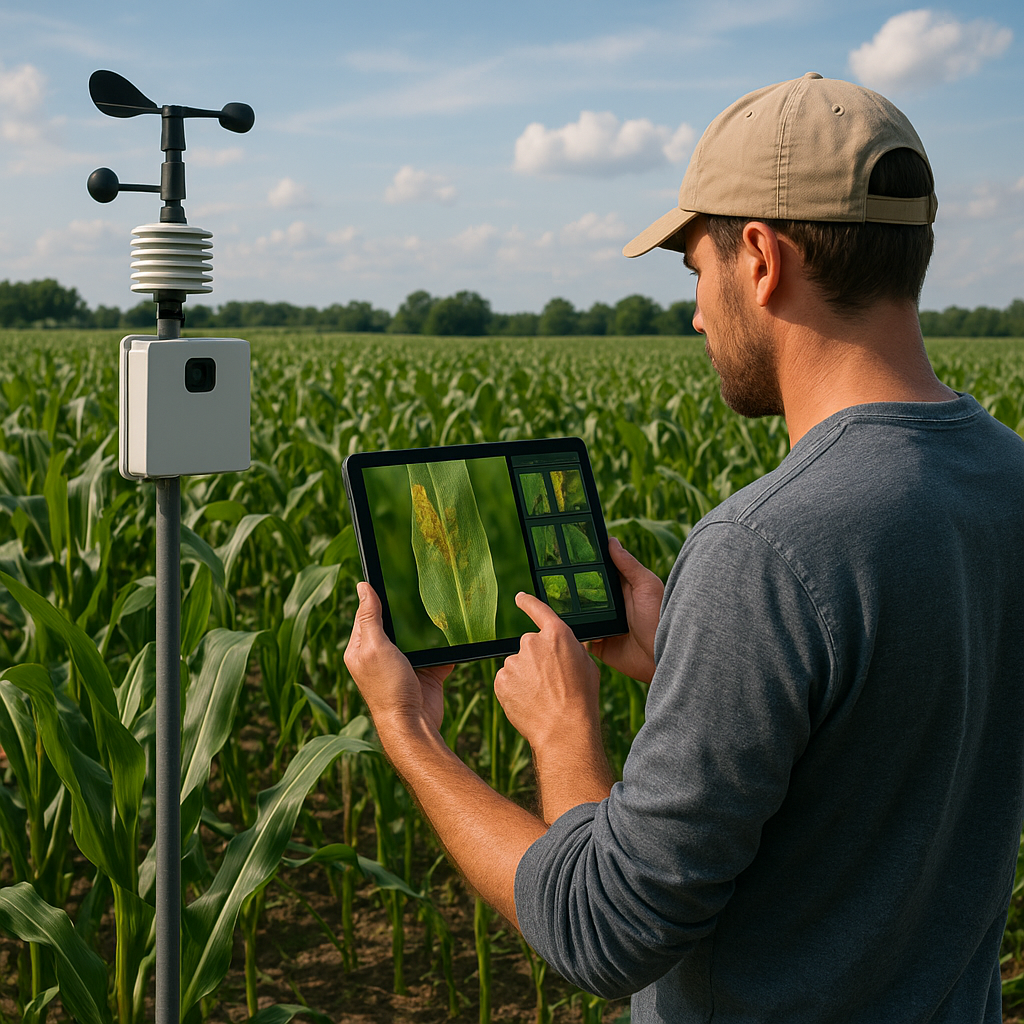
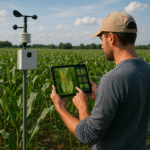
Complementing plant-level insights are weather stations strategically placed throughout the fields. These stations feed predictive models that simulate evapotranspiration rates, disease risk windows, and optimal irrigation schedules. When integrated with automated drip or pivot systems, the result is a responsive irrigation regime that maximizes yield potential while conserving water. Such adaptive practices also support carbon sequestration objectives by reducing overwatering and minimizing soil compaction from heavy machinery.
Sensors, Drones, and AI: The Technology Triumvirate
At the heart of automated monitoring lies a powerful synergy between hardware and software. Unmanned aerial vehicles (UAVs) outfitted with hyperspectral cameras perform rapid flyovers, capturing data on canopy reflectance, chlorophyll content, and crop uniformity. These insights feed into machine learning pipelines that sift through terabytes of imagery, pinpointing patterns invisible to the naked eye.
Key Components:
- Remote Sensing: High-altitude drones and microsatellites provide wide-area coverage, ensuring even vast farmsteads remain under constant surveillance.
- Edge Computing: Onsite gateways process raw sensor signals, filtering noise and transmitting only critical alerts to central dashboards.
- AI Algorithms: Convolutional neural networks classify crop stages, detect early weed emergence, and forecast yield variations by analyzing sequential imagery.
- Automated Actuators: Integrated with fertigation systems and robotic weeders, decisions derived from data translate directly into field actions.
Combining these components yields a Data-Driven ecosystem where every parameter—from leaf moisture to root-zone salinity—is quantified. This level of precision fosters proactive management rather than reactive troubleshooting, reducing input waste while elevating productivity.
Achieving Greater Efficiency and Sustainability
Automated Crop Monitoring extends beyond mere convenience; it reshapes resource allocation across the farm. Instead of blanket fertilizer application, site-specific nutrient management directs exact dosages to areas exhibiting deficiency, curbing runoff that pollutes adjacent waterways. Real-time pest pressure indices trigger targeted biopesticide releases, sparing beneficial insects and fostering a balanced agroecosystem.
This targeted approach amplifies economic and environmental returns:
- Reduced chemical costs through precise dispensing.
- Enhanced yield quality by maintaining optimal growth conditions.
- Lower greenhouse gas emissions via decreased fuel use for manual scouting and uniform spraying.
- Improved soil health by avoiding compaction from heavy machinery.
- Stronger compliance with sustainability certifications and consumer demands for traceability.
Furthermore, automated platforms collect historical records over multiple growing seasons. This temporal depth empowers farmers to refine crop rotations, adjust planting dates, and select varieties best suited to evolving climate patterns. The result is a resilient farming system capable of adapting to drought spells, heat waves, or unanticipated frosts without compromising profitability.
Looking Ahead: The Future of Automated Farming
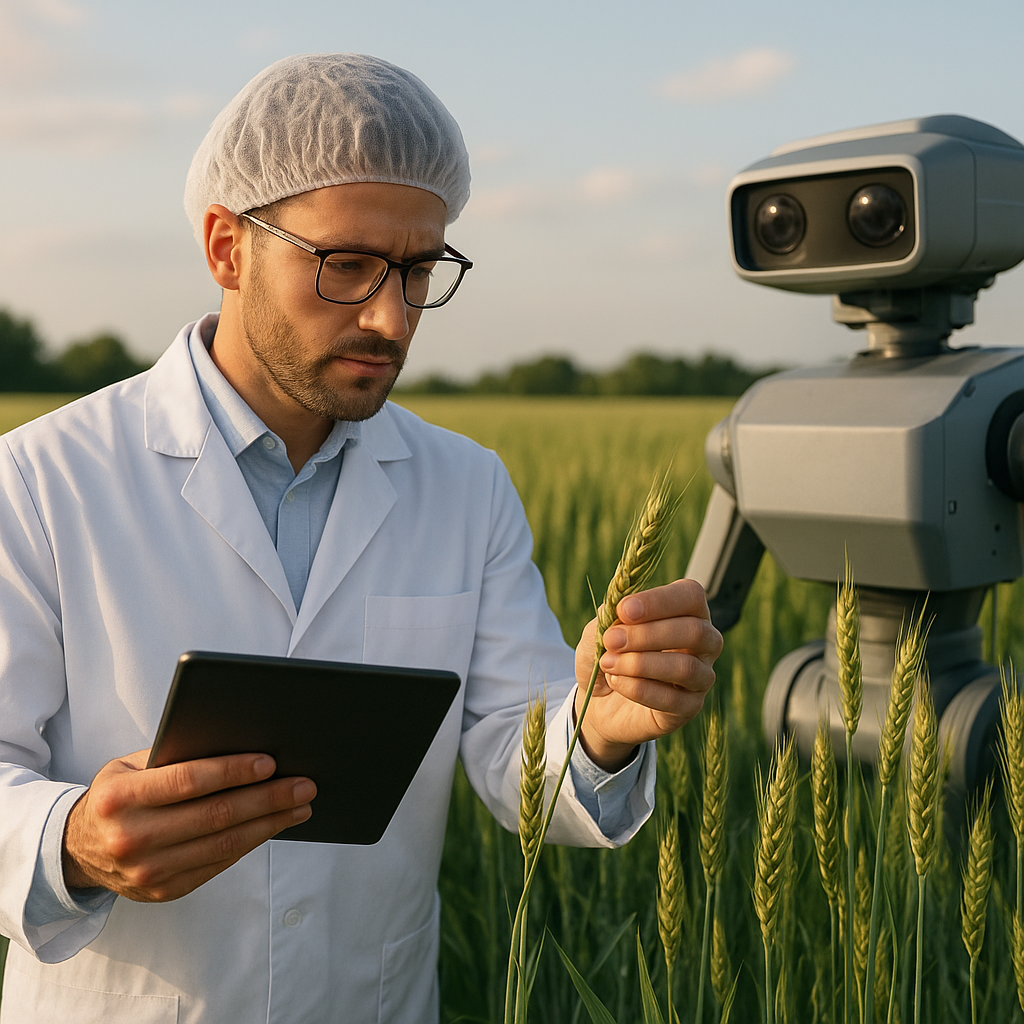
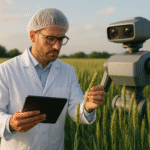
Research in robotics and autonomous vehicles is poised to elevate crop monitoring to new heights. Ground rovers equipped with LIDAR and thermal imaging can traverse wet fields when tractors cannot, delivering granular insights on root-zone anomalies. In parallel, swarm drone technologies promise 24/7 aerial surveillance, with each drone specializing in a unique sensor suite—from airborne wind estimators to canopy gas analyzers that measure evapotranspiration on the fly.
On the software front, federated learning will allow multiple farms to share anonymized datasets, enhancing model robustness without sacrificing privacy. Virtual agronomists, powered by conversational AI, will guide farmers through decision trees, explaining complex analytical outputs in straightforward terms. Blockchain integration will further bolster data integrity, ensuring every automated action is logged and verifiable from seed to sale.
As these innovations mature, barriers to entry will drop, making advanced crop monitoring accessible to smallholder operations worldwide. The convergence of automation, connectivity, and artificial intelligence heralds an era where farmers, regardless of scale, can harness the same precision tools once reserved for large agribusinesses. In this dynamic landscape, Automated Crop Monitoring stands as an indispensable ally—transforming guesswork into guiding intelligence and sowing the seeds of a truly impressive, sustainable agriculture.