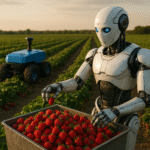


Precision farming has revolutionized the way agriculturalists approach resource management, aiming to maximize yield while preserving ecological integrity. By leveraging cutting-edge tools and data-driven decision-making, farmers can monitor crop health, soil conditions, and local wildlife dynamics with unprecedented accuracy. This article explores how precision techniques contribute to biodiversity conservation, empowering stakeholders to achieve both productivity and environmental sustainability.
Technologies Driving Precision Farming
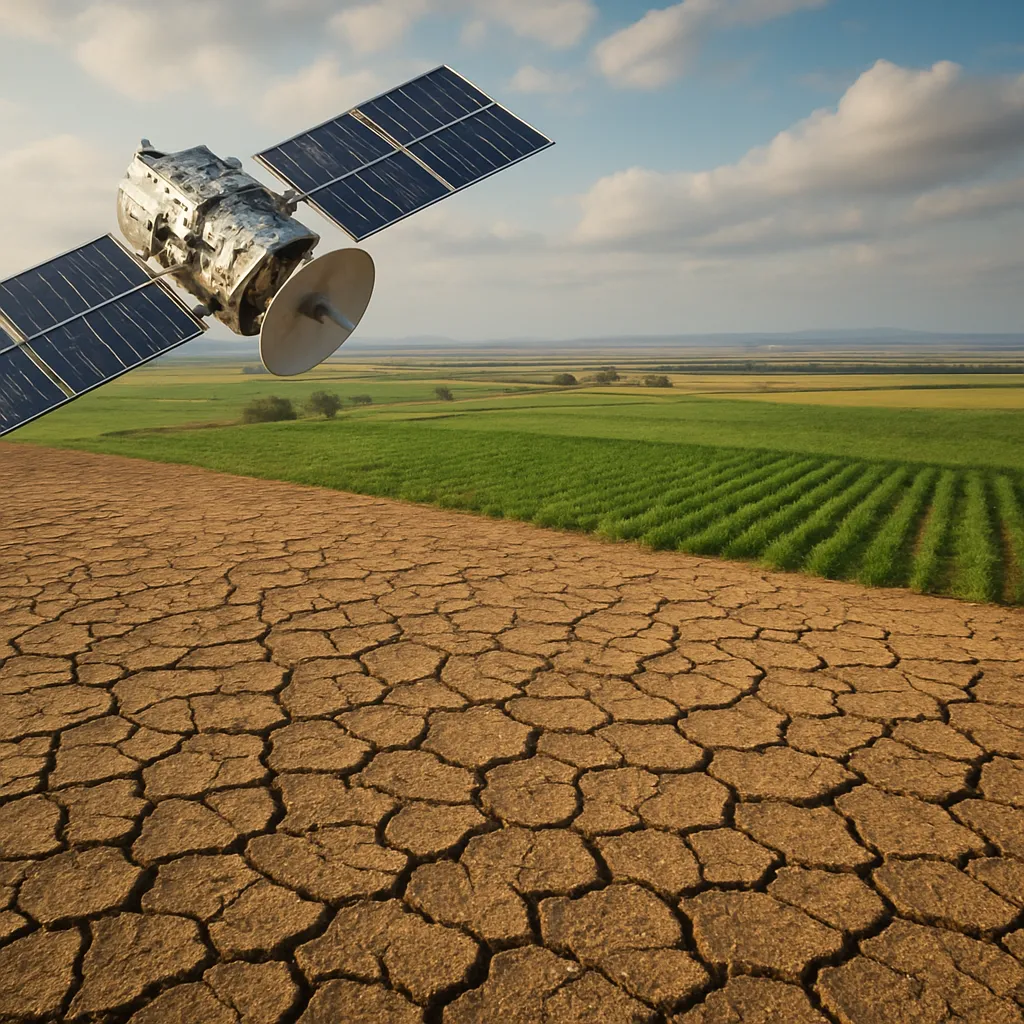
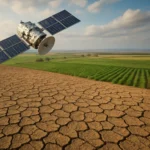
The foundation of modern precision agriculture lies in an array of advanced innovations. Satellite-based positioning systems, unmanned aerial vehicles, and ground-level sensing networks converge to create a detailed map of field conditions. Among these, global navigation satellite systems (GNSS) enable centimeter-level accuracy in machinery guidance, reducing redundant passes and soil compaction. Drones equipped with multispectral and thermal cameras capture high-resolution imagery, revealing subtle variations in crop vigor, water stress, and pest infestations.
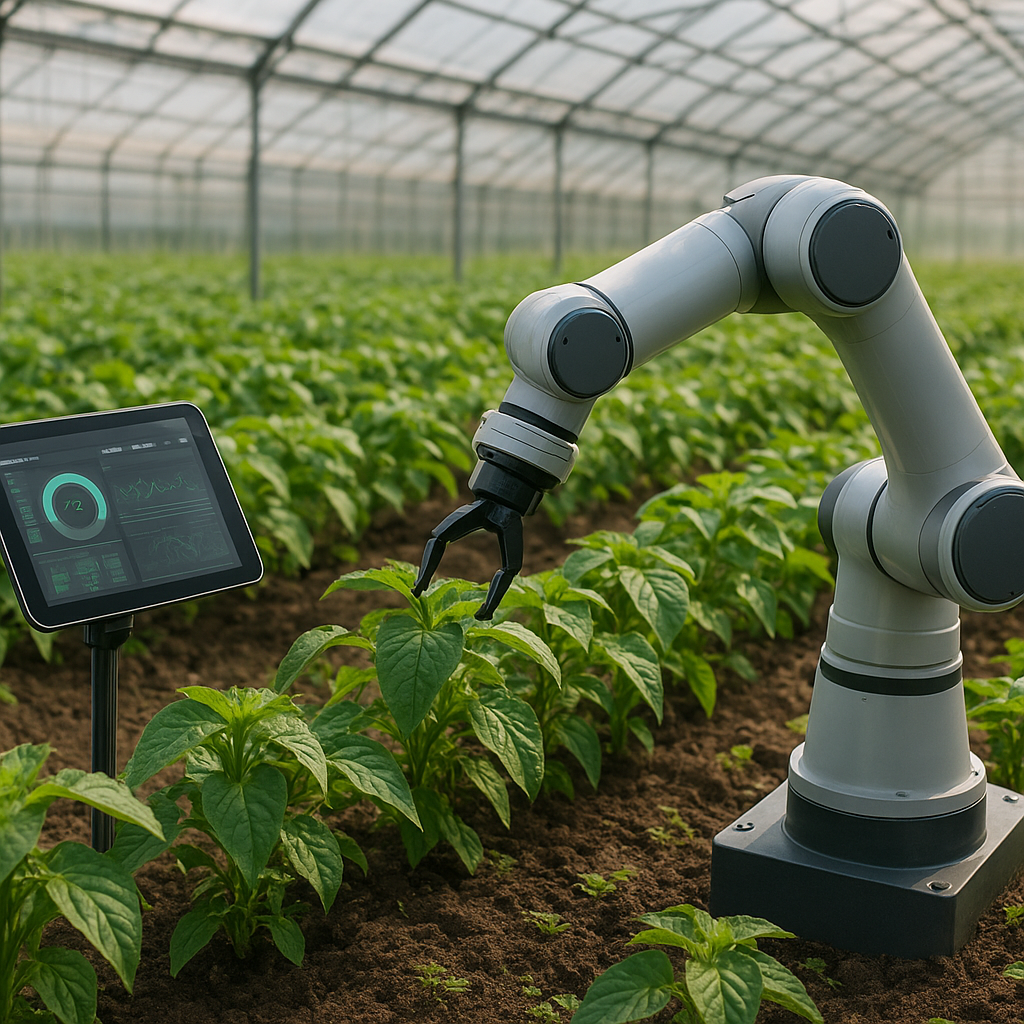
Sensors installed at different soil depths measure moisture, temperature, and nutrient levels in real time. Coupled with weather stations, these devices feed data into cloud-based platforms, where powerful algorithms analyze trends and patterns. Through machine learning, models continuously adapt to new information, predicting disease outbreaks or nutrient deficiencies before they become critical. Farmers access customized dashboards on mobile devices, making on-the-fly adjustments to irrigation, fertilization, and planting density.
Notable components include:
- Variable Rate Technology (VRT): Delivers inputs only where needed, optimizing fertilizer and pesticide use.
- Remote Sensing: Monitors large tracts of land, rapidly identifying areas requiring attention.
- Internet of Things (IoT): Connects sensors and machinery for seamless communication and automation.
By integrating these tools, producers achieve greater efficiency while minimizing environmental footprints. This synergy of hardware and software establishes the groundwork for enhancing on-farm ecosystems.
Strategies for Biodiversity Enhancement
Precision farming extends beyond yield maximization; it fosters habitat diversity and species resilience. Key strategies include targeted field segmentation, habitat corridors, and conservation buffer zones. Through georeferenced data, farmers identify sensitive areas requiring minimal disturbance. Narrow margins planted with native grasses and flowering plants act as refuges for pollinators, predatory insects, and small mammals, promoting natural pest control.
Field segmentation allows differential management of subplots based on soil composition or microclimates. In portions with high organic matter, no-till or reduced-till practices preserve soil structure and microbial communities. In drier zones, drought-tolerant cover crops maintain ground cover and prevent erosion. Farmers can apply specific cover-crop mixtures to boost soil nitrogen, support genetic diversity in rhizobia populations, and attract beneficial insects.
Implementing ecological engineering involves:
- Creating hedgerows with diverse woody species to serve as windbreaks and nesting sites.
- Establishing riparian buffers along waterways to filter runoff and provide aquatic habitats.
- Utilizing strip cropping, alternating crop types in narrow bands to interrupt pest life cycles and maintain continuous vegetation cover.
Farmers leverage digital maps to adjust management zones dynamically. For instance, pest thresholds are monitored via pheromone traps with camera sensors. When pest counts rise above set levels, spot spraying targets only infested areas. This approach drastically reduces chemical load, safeguarding non-target organisms and preserving local species richness.
Integrating Agroecology and Precision
While precision farming focuses on technological optimization, agroecological principles prioritize the complex interactions among plants, animals, and microorganisms. Blending these paradigms yields robust systems that harness natural processes. Digital soil mapping reveals hotspots of microbial diversity, guiding the application of biostimulants or microbial inoculants precisely where they’ll enhance nutrient cycling.
Farmers introduce cover-crop cocktails tailored to local climate, alternating legumes, grasses, and brassicas. Detailed growth-monitoring sensors assess canopy development, indicating when to terminate cover crops and incorporate biomass into the soil. This practice builds organic matter, sequesters carbon, and improves water infiltration, benefiting soil fauna such as earthworms and arthropods.
In orchards and vineyards, sensor-enabled trunk banding and micro-irrigation lines deliver water and biofertilizers at the root zone of each tree or vine. This spatial accuracy encourages robust root-microbe symbioses and reduces drought stress, indirectly supporting bird and insect populations. Smart fences and camera traps record wildlife movements, allowing adaptive management that minimizes conflicts between large herbivores and crop fields.
Case Studies of Success
Several pioneering farms worldwide showcase the potential of precision biodiversity management. In the American Midwest, a grain producer adopted multi-sensor drones to monitor 2,000 hectares of sorghum and soy. By overlaying insect trap data with multispectral NDVI (Normalized Difference Vegetation Index) layers, the team identified early signs of aphid infestations. Spot treatments reduced pesticide use by 60% while maintaining yields, and beneficial insect populations rebounded.
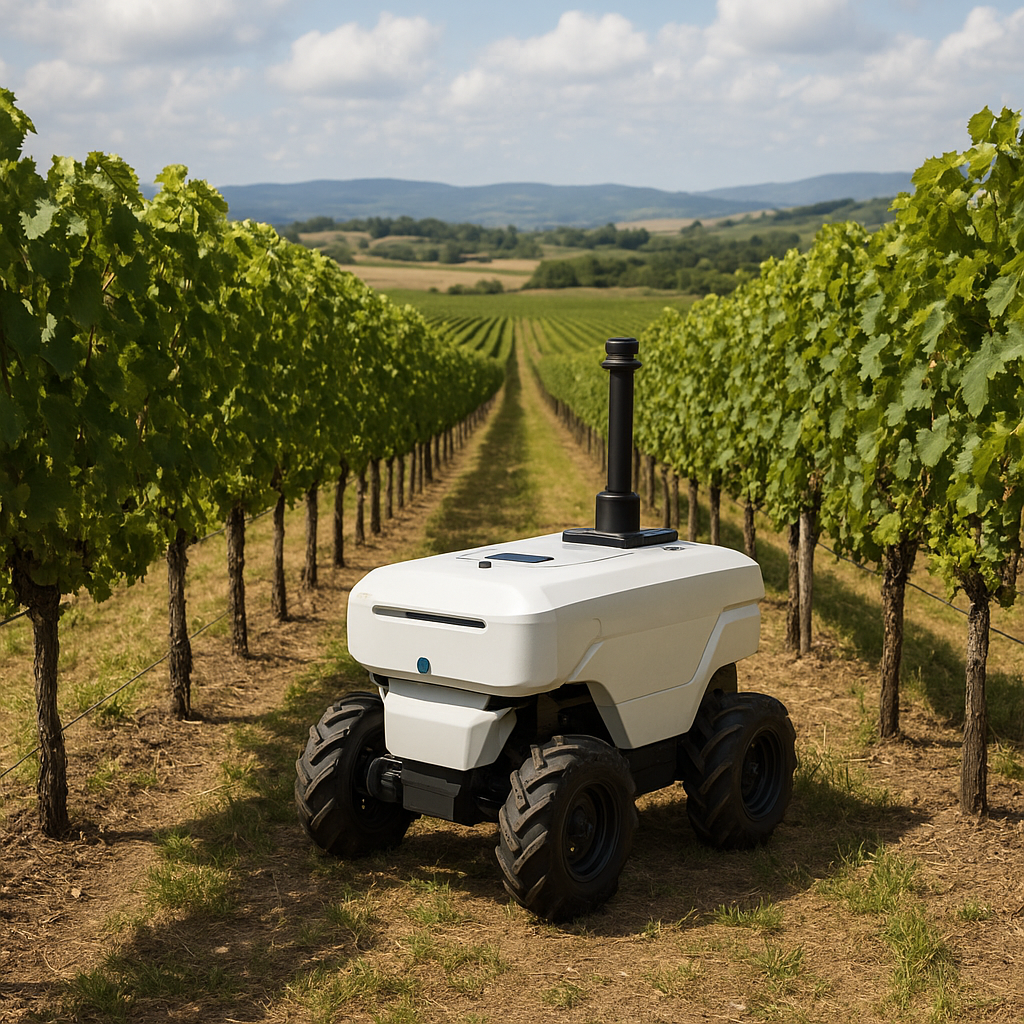
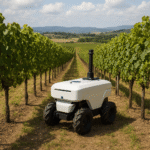
In southern France, a mixed-livestock and arable operation deployed robotic soil probes across vineyards. The probes measured microbial respiration and soil carbon, pinpointing areas of compaction. Rolling cover crops during fallow periods improved soil porosity, leading to a 30% increase in earthworm counts. The diversified habitat attracted pollinators, boosting fruit set in adjacent orchards. Data logs from these probes guided rotational grazing plans for sheep, ensuring pasture rest and habitat regeneration.
A rice farm in Southeast Asia integrated sonar-based water-depth sensors with wildlife cameras along paddy edges. The system maintained shallow water zones favored by migratory waterfowl and amphibians. Farmers optimized water levels to balance rice growth and wetland ecosystem functions. Microbial biofilms flourished under controlled inundation, naturally suppressing mosquito larvae and enhancing nutrient retention.
Challenges and Future Prospects
Despite numerous benefits, precision-based biodiversity management faces obstacles. High initial investment costs and technical complexity can deter smaller operations. Data interoperability among disparate platforms remains a hurdle, as does farmer access to reliable broadband internet. Standardizing data formats and fostering open-source tool development are critical steps toward democratizing technology.
Ethical considerations include data ownership, privacy, and the potential for technology-driven inequality. Cooperative models and public–private partnerships can mitigate these risks by subsidizing equipment and offering training programs. Extension services and mobile advisory platforms help farmers interpret complex datasets and adopt best practices.
Looking ahead, integrating artificial intelligence with genomic data holds promise. Predictive models could forecast how specific crop and livestock genotypes interact with local fauna and soil biota. Autonomous robots might carry out selective planting of native flora in marginal zones, further enhancing connectivity between agricultural fields and natural habitats.
As the agricultural sector strives for resilience in the face of climate change, precision methods will play an indispensable role in harmonizing food production with conservation goals. The synergy of technology and ecology offers a pathway to systems that are both highly productive and teeming with life.