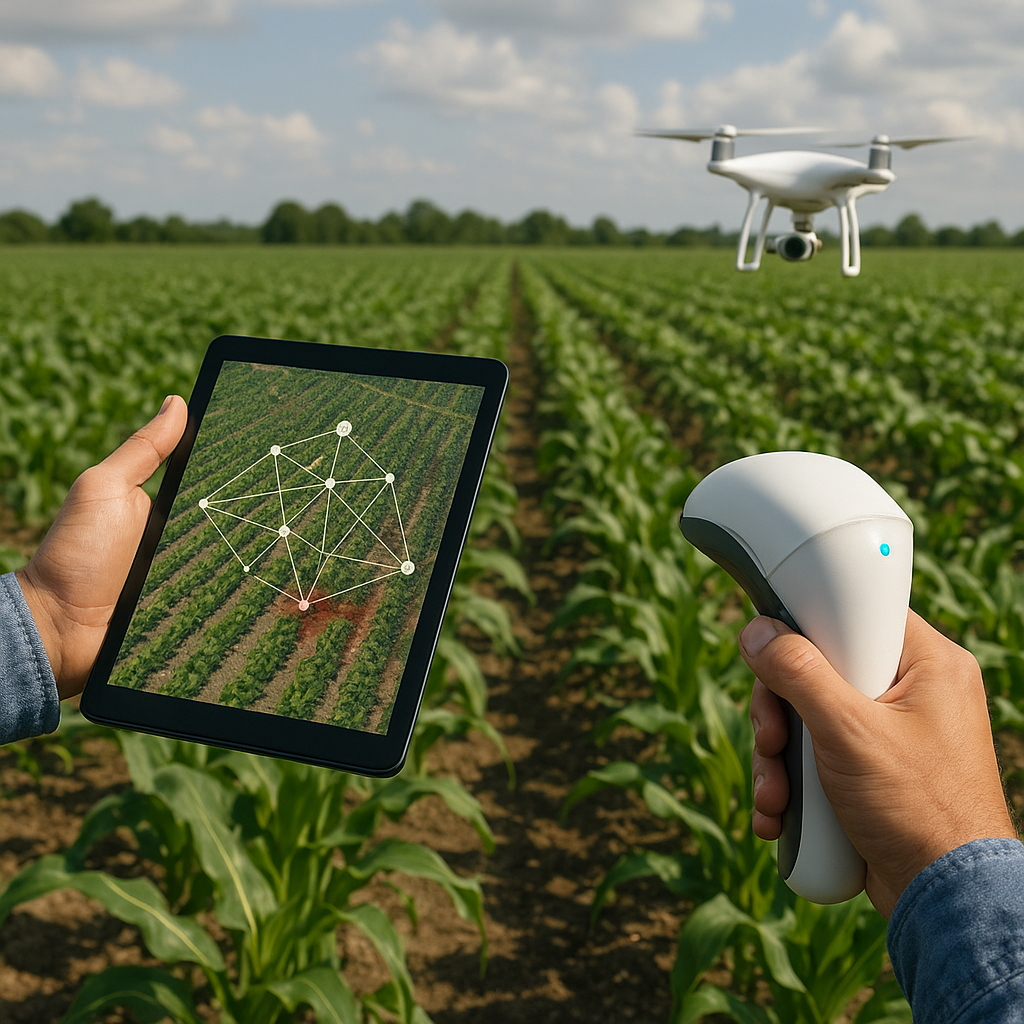
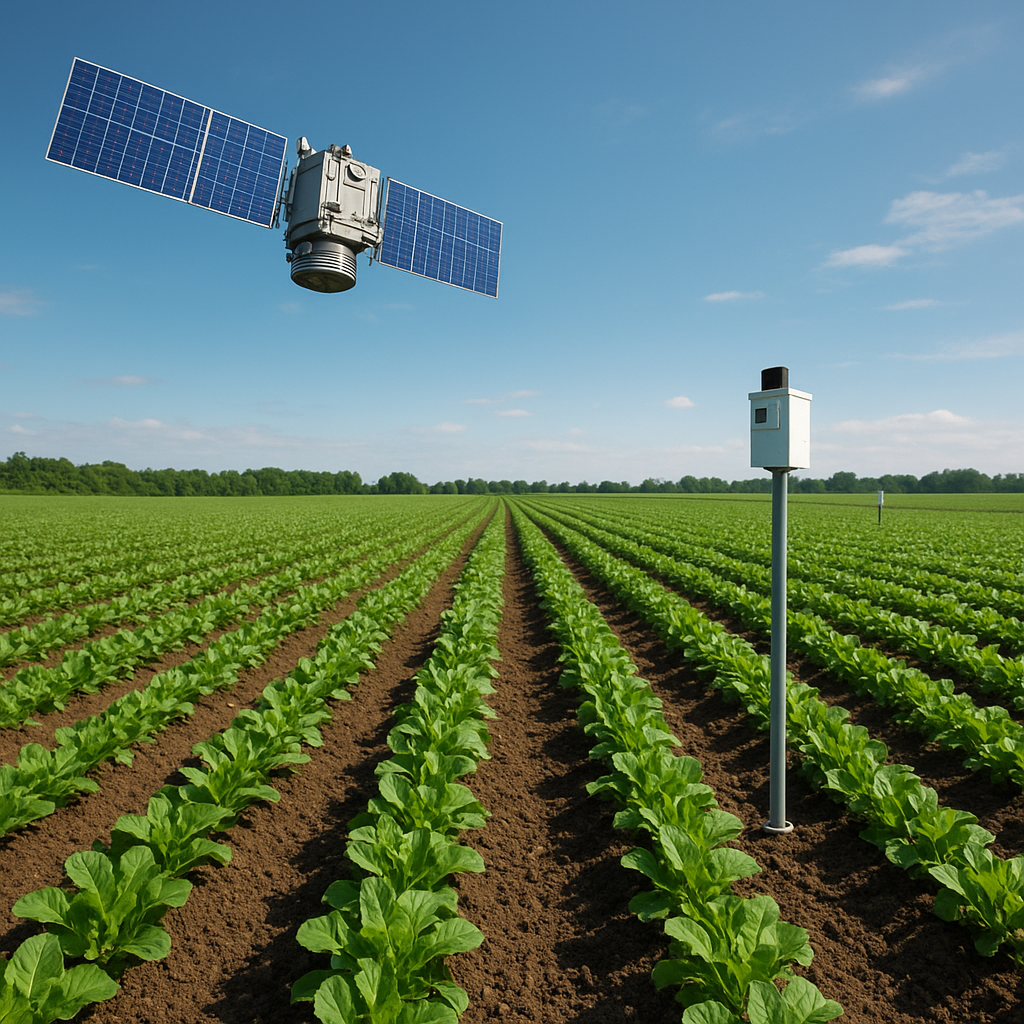
Precision farming has been revolutionized by the integration of satellite imagery and ground-based sensor networks, enabling a level of crop surveillance and management that was once unimaginable. Through the convergence of satellites, Internet of Things (sensors), and advanced analytics, agronomists can now monitor fields in real-time, optimize resource usage, and enhance sustainability while boosting yields. This article explores how cutting-edge technologies—ranging from orbiting observation platforms to soil-moisture detectors—are reshaping modern agriculture with unprecedented precision, automation, and innovation.
Advanced Satellite Imagery for Crop Monitoring
High-resolution satellite constellations have emerged as a cornerstone of modern agricultural management. By capturing multispectral images at frequent intervals, satellites provide farmers with invaluable insights into crop health, growth stages, and potential stress factors. Unlike traditional aerial surveys, satellite data offers broad coverage, consistent revisit times, and the ability to penetrate clouds in certain spectral bands.
- Multispectral Analysis: Sensors aboard satellites detect visible and near-infrared wavelengths, enabling Vegetation Indices such as NDVI and EVI that quantify plant vigor.
- Thermal Imaging: Satellites equipped with thermal bands help identify irrigation inefficiencies and heat stress zones across large fields.
- Temporal Monitoring: Frequent overpasses create time-series datasets, allowing agronomists to track developmental anomalies and forecast potential yield losses.
By leveraging cloud-based platforms, growers can access continuous imagery without investing in local infrastructure. This democratizes access to high-quality data, empowering even smallholder farms to adopt precision approaches previously reserved for industrial-scale operations.
Ground-Based Sensors and Internet of Things Integration
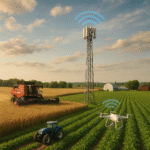
While satellites deliver a bird’s-eye perspective, on-the-ground sensors capture the microclimate and soil conditions that directly influence plant development. Networks of wireless sensor nodes measure parameters such as soil moisture, temperature, pH, and ambient humidity, relaying critical information in real-time to farm managers.
- Soil Moisture Probes: Installed at various depths, these probes guide precise irrigation scheduling to minimize water waste and prevent root zone stress.
- Leaf Wetness Sensors: Monitoring foliar moisture helps predict disease outbreaks, enabling timely fungicide applications and reducing chemical usage.
- Weather Stations: Localized climate stations measure wind speed, solar radiation, and rainfall, feeding data into decision-support models.
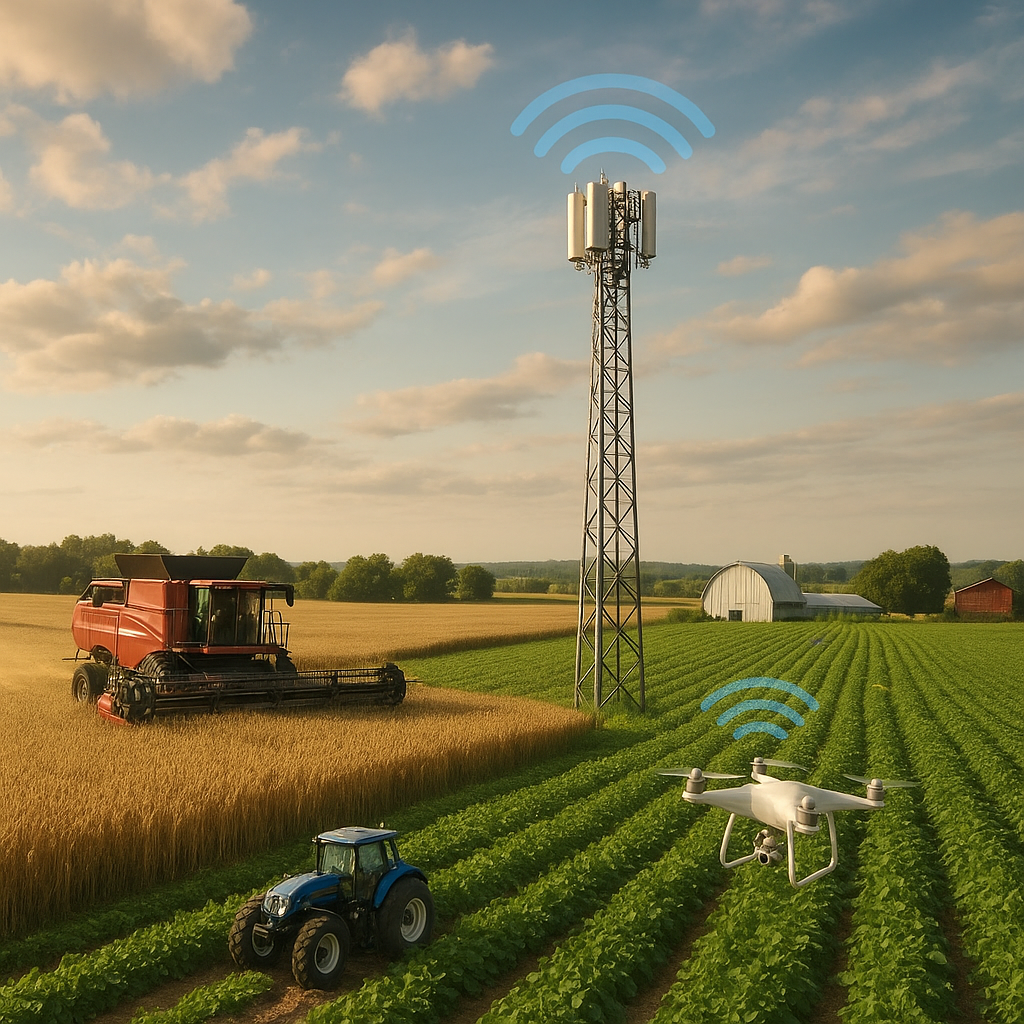
Through robust connectivity solutions—ranging from LoRaWAN to cellular networks—sensor data flows seamlessly to centralized dashboards. Machine-to-machine communication streamlines automated responses, such as triggering variable-rate irrigation or dispensing fertilizer only where needed, thus enhancing resource-use efficiency and crop resilience.
Data Analytics and Machine Learning in Agriculture
Raw data from satellites and sensors gains actionable value only when processed with sophisticated analytics and machine learning algorithms. By applying data-driven models, farmers can predict pest infestations, optimize planting schedules, and fine-tune input applications to maximize returns.
Predictive Modeling for Yield Optimization
- Historical Data Integration: Combining past yield records with current environmental readings produces robust regression models for yield forecasting.
- Stress Detection: Machine learning classifiers identify disease or nutrient deficiency patterns, triggering early interventions.
- What-If Scenarios: Simulation tools allow stakeholders to evaluate the impact of variable factors—such as rainfall variability or market price changes—on crop profitability.
Edge Computing and On-Device Intelligence
Recent advances in edge computing enable certain analytics tasks to be executed directly on field devices, reducing latency and dependency on central servers. For instance, AI-enabled sensor hubs can autonomously detect anomalies in moisture levels or canopy temperatures, issuing alerts via mobile apps without human oversight.
This fusion of cloud and edge capabilities ensures that critical decisions—like delaying irrigation during a forecasted downpour—are made swiftly, minimizing risks and boosting operational efficiency.
Robotics and Automation in Crop Management
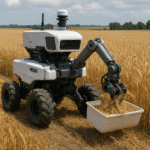
The synergy between real-time monitoring and autonomous machinery has ushered in a new era of smart farming. Robotic platforms, guided by GPS and computer vision, execute tasks with sub-inch accuracy, reducing labor costs and increasing throughput.
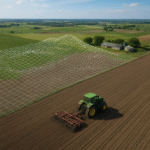
- Autonomous Tractors: Self-driving tractors adjust speed and steering based on live soil compaction data, ensuring optimal seed placement.
- Weed-Control Drones: Unmanned aerial vehicles equipped with targeted herbicide sprayers or mechanical weeders differentiate crops from weeds using AI-driven image analysis.
- Harvest Automation: Robotic harvesters pick delicate fruits by sensing ripeness through color, firmness, and spectral cues, reducing post-harvest losses.
By converging automation with high-resolution field data, farms can achieve continuous operation, mitigate labor shortages, and respond dynamically to shifting environmental conditions. The result is greater predictability in yields and improved overall farm sustainability.
Challenges and Future Directions
Despite these remarkable advancements, several hurdles must be addressed to fully realize the promise of innovation in agriculture. Data interoperability, cybersecurity, and the digital divide in rural areas pose significant challenges. Moreover, small-scale farmers often lack the capital or technical expertise to deploy sophisticated monitoring systems.
- Standardization Efforts: Industry consortia are working on common data formats and APIs to enable seamless integration between diverse platforms.
- Cybersecurity Measures: Protecting sensitive agricultural data from breaches and malicious attacks is critical for maintaining trust and ensuring food security.
- Educational Initiatives: Training programs and extension services help bridge the knowledge gap, empowering growers to adopt emerging technologies.
Looking ahead, the fusion of quantum computing, advanced genomics, and next-generation sensors promises to unlock even deeper insights into plant physiology and environmental interactions. As these technologies mature, their collective impact will continue to transform agriculture into a highly resilient, data-driven ecosystem capable of feeding a growing global population under increasingly unpredictable climatic conditions.