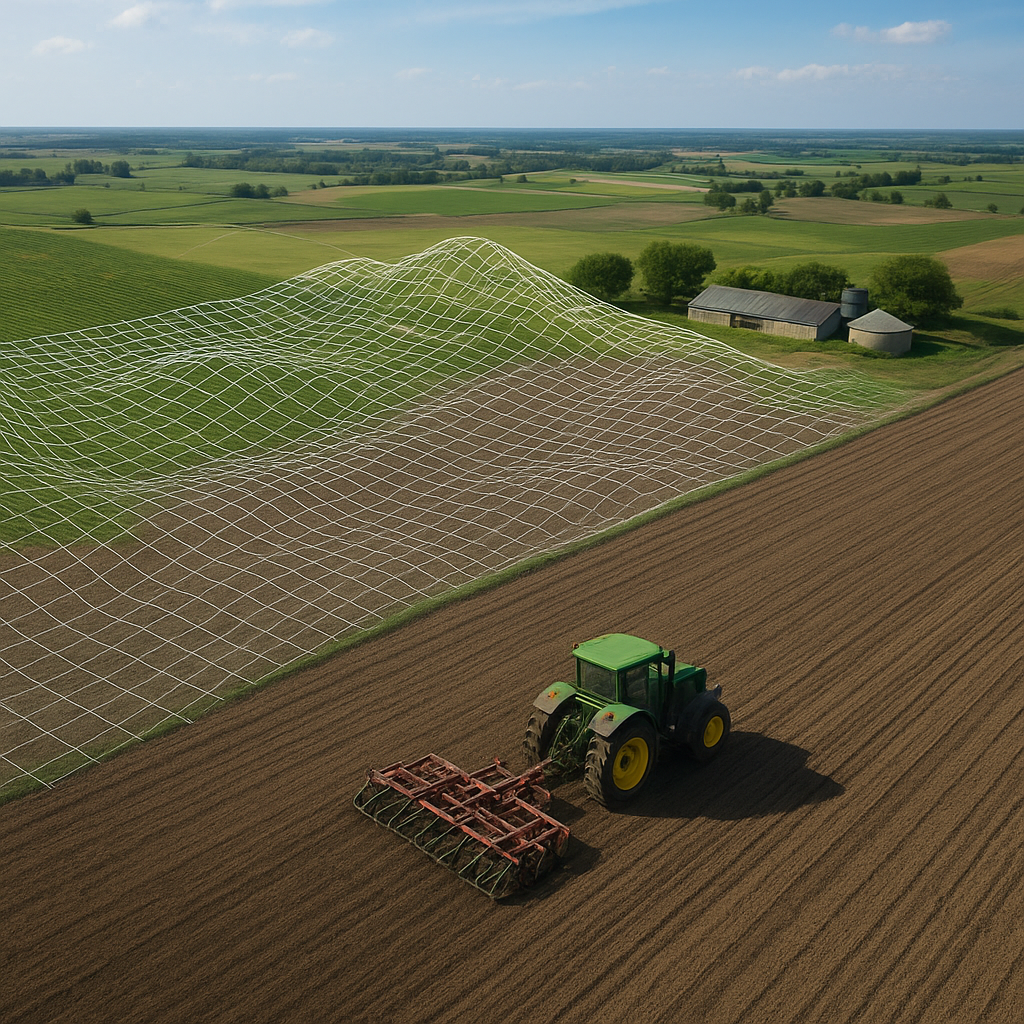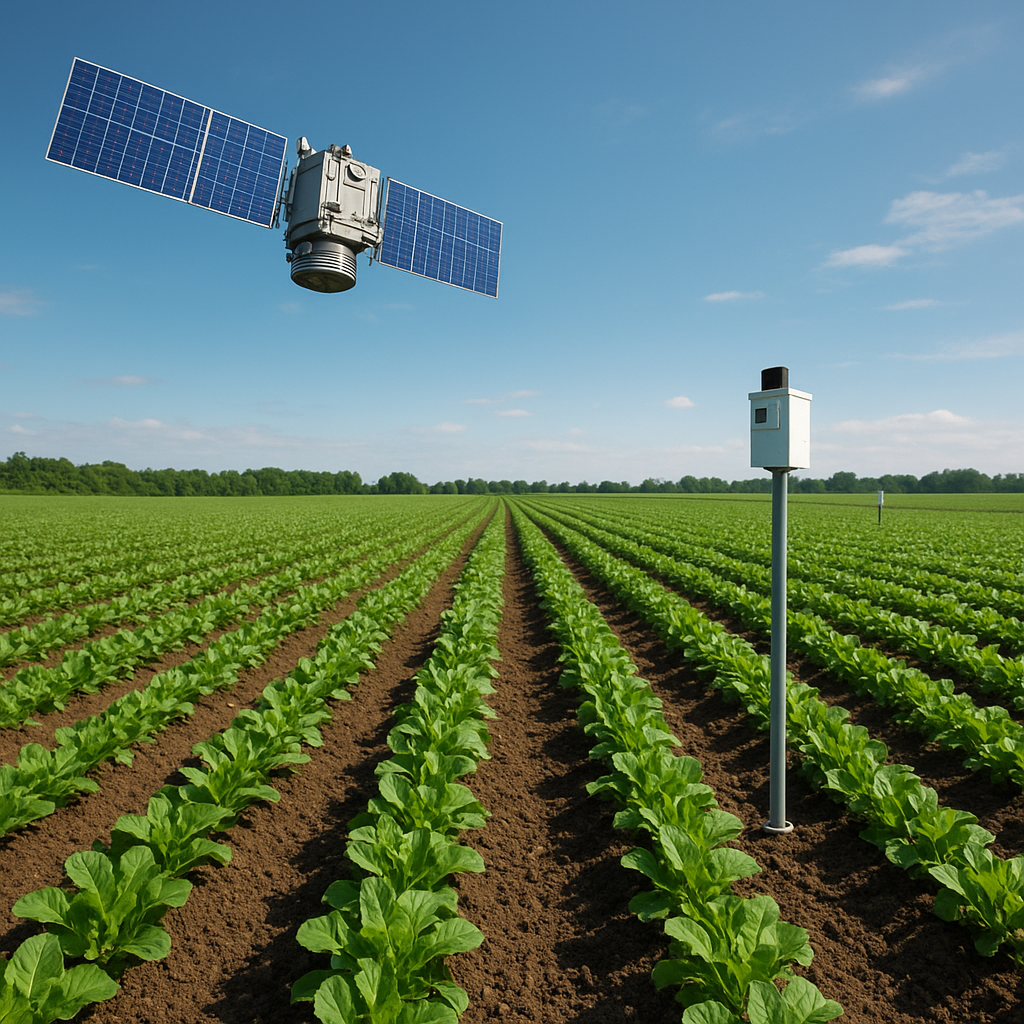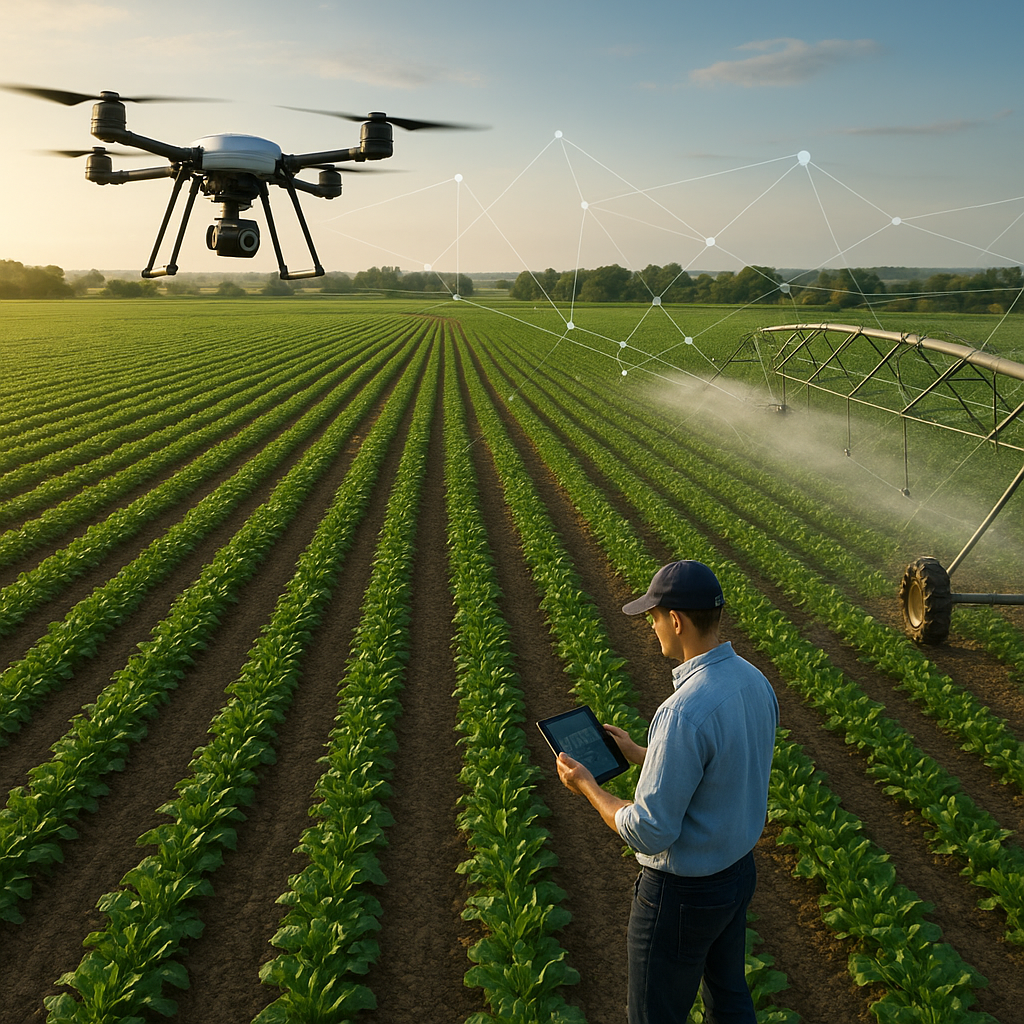

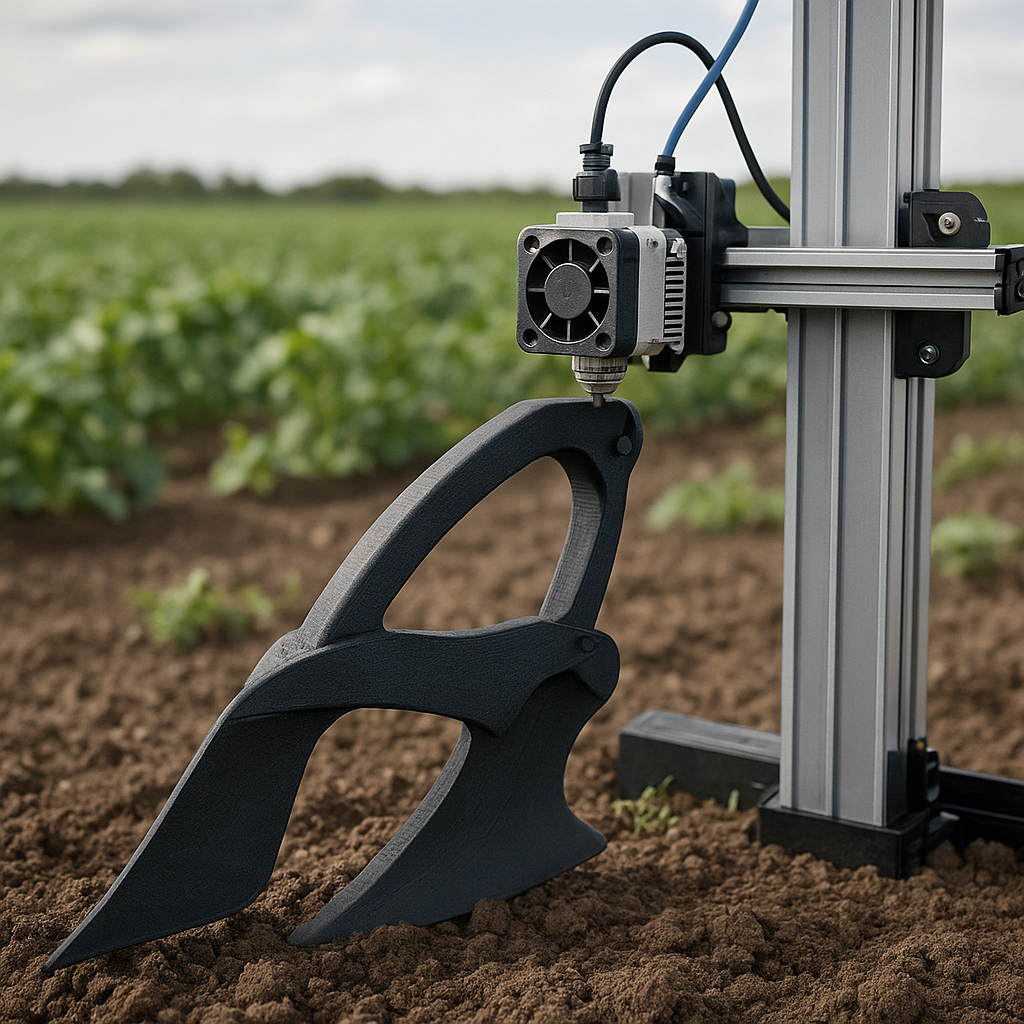
Agriculture stands at the threshold of a transformative era, where cutting-edge technology meets time-honored tradition. Among the most striking developments is the integration of 3D printing into the design and fabrication of field equipment. This synergy is not merely a novelty; it promises to reshape the very fabric of **cultivation**, **resource management**, and rural entrepreneurship. By merging digital design with on-site manufacturing, farmers and engineers are unlocking unprecedented levels of customization and efficiency, ushering in an age of sustainable, precision-driven agriculture.
Tracing the Roots of Farming Innovation
Long before the advent of modern machinery, agricultural communities relied on handcrafted tools passed down through generations. Wooden plows carved by local artisans, simple hoes forged from recycled metal, and handmade irrigation troughs defined the term resourcefulness. Yet as yields and population demands grew, the limitations of traditional methods became clear.
From Hand Tools to Mechanized Equipment
- Early plows evolved from tree branches to cast-iron blades, boosting tillage speed and soil turnover.
- The Industrial Revolution introduced steam-powered tractors, revolutionizing large-scale farming.
- By the late 20th century, GPS-guided combines and drones added layers of precision and monitoring capabilities.
Despite these leaps, one challenge persisted: the standardization of parts. When specialized equipment malfunctioned in remote locales, farmers faced delays waiting for replacement parts, often shipped from distant factories. This bottleneck fueled demand for decentralized production—a problem 3D printing was poised to solve.
Unlocking On-Demand Manufacturing with 3D Printing
3D printing, or additive manufacturing, constructs objects layer by layer from digital blueprints. This approach contrasts with subtractive methods, which carve away material to shape a tool.
The Technology Behind the Revolution
- Fused Deposition Modeling (FDM): Melts thermoplastic filaments to build robust components.
- Stereolithography (SLA): Utilizes ultraviolet light to cure resin into intricate designs with fine tolerances.
- Selective Laser Sintering (SLS): Fuses powder particles with a laser, enabling durable, heat-resistant parts.
These methods have matured to accommodate materials as varied as bioplastics, nylon composites, and metal alloys. As a result, farms can now produce everything from custom nozzle tips for irrigation sprayers to replacement gears for seed planters—all within hours.
Empowering Small-Scale and Remote Farmers
One of the most compelling advantages of on-site 3D printing is its ability to level the playing field. Smallholders and cooperatives, often sidelined by high equipment costs, can harness this technology to create tailored solutions without hefty investments.
Reducing Downtime and Maintenance
- Accessibility: Digital files for parts can be shared online, eliminating logistical delays.
- Rapid iteration: Broken components receive immediate redesigns, adapting to local conditions or crop types.
- Cost savings: Printing replacement parts costs a fraction of the price of OEM alternatives.
In regions where shipping infrastructure is limited, a single portable 3D printer becomes a hub of innovation. Farmers collaborate with local makerspaces, agricultural extension services, and university labs to refine designs, leading to networks of shared expertise.
Advancing Sustainable and Resilient Practices
Beyond convenience and cost, 3D printing fosters more sustainable farming methods. By optimizing designs for material efficiency, additive manufacturing generates less waste compared to machining or molding processes.
Eco-Friendly Materials and Circular Economies
- Recycled filament: Plastic waste is transformed into spools of printing material, closing the loop on packaging and agricultural film.
- Plant-based resins: Derived from corn starch or cellulose, these resins biodegrade under composting conditions.
- Modular tooling: Parts designed for easy disassembly can be reprinted as needed, extending the lifespan of core machinery.
Such innovations dovetail with regenerative agriculture, where minimizing chemical inputs and energy consumption is paramount. Farmers can tweak irrigation nozzles to reduce water usage or create soil sensors that operate on low-power circuits—each prototype refined through digital simulation and real-world testing.
Precision Farming and Data Integration
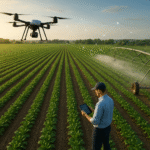
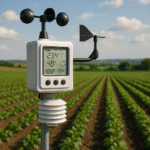
The marriage of 3D printing with IoT sensors, drones, and AI-driven analytics creates a comprehensive ecosystem of smart agriculture. Custom-printed mounts secure cameras to drones, enabling aerial surveys that map field health in real time. Meanwhile, bespoke sensor housings protect moisture probes and nutrient monitors from harsh environments.
- Digitization: Field data informs the design of new tool geometries, tuned to specific soil textures or crop architectures.
- Rapid prototyping: Engineers iterate designs based on performance metrics—infinitely faster than traditional R&D cycles.
- Adaptive equipment: Farmers deploy new attachments mid-season, responding to pest outbreaks or weather anomalies.
Overcoming Challenges and Ensuring Quality
Despite its promise, on-farm 3D printing faces hurdles. Material strength, UV resistance, and precision tolerances must meet rigorous standards for safety and reliability.
Testing and Certification Protocols
- Field trials: Printed tools undergo stress tests in various soil conditions and climates.
- Collaboration with research institutions: Academic labs assess longevity and wear rates.
- Regulatory frameworks: Governments develop guidelines to certify critical components like sprayer nozzles or structural braces.
By establishing robust quality-control pipelines, the industry can scale adoption while maintaining the integrity of essential agricultural operations.
Envisioning the Future of Farm Equipment
As 3D printing technology continues to evolve, so too will its applications across agriculture. Imagine robotic arms on the combine, producing spare parts as the machine harvests; or decentralized fabrication hubs in rural communities, powered by solar energy and driven by open-source design platforms.
Key Trends to Watch
- Localization: Regional design repositories cater to specific crops, climates, and cultural practices.
- Advanced materials: Graphene-infused polymers for ultra-lightweight, high-strength components.
- Integration with robotics: Fully automated repair stations that diagnose and print parts autonomously.
- Community-driven innovation: Farmers collaborating on digital marketplaces to share and monetize designs.
This convergence of hardware, software, and agronomy paves the way for an era where adaptability and resilience are embedded into every piece of equipment. With innovation at the helm, agricultural communities will be better equipped to tackle climate change, resource scarcity, and shifting market demands.
Fostering Global Collaboration and Knowledge Sharing
Central to this revolution is the exchange of digital blueprints. Online platforms facilitate the distribution of open-source tool designs, enabling farmers across continents to benefit from collective experience. Workshops, hackathons, and extension programs cultivate local talent, turning end users into co-creators.
- Multilingual repositories lower barriers to entry in developing regions.
- Virtual reality simulations allow users to test designs before printing.
- Blockchain-based licensing ensures intellectual property rights while encouraging innovation.
By nurturing such collaborative ecosystems, the agricultural sector can harness the full potential of additive manufacturing, driving a paradigm shift toward more equitable and **resilient** food systems worldwide.