

Integrating cutting-edge meteorological tools into modern agriculture has transformed the way farmers approach crop management. This article delves into how digital weather stations have become indispensable assets in the realm of precision farming, offering unparalleled accuracy, efficiency, and resilience across diverse agricultural landscapes.
Technology and Components of Digital Weather Stations
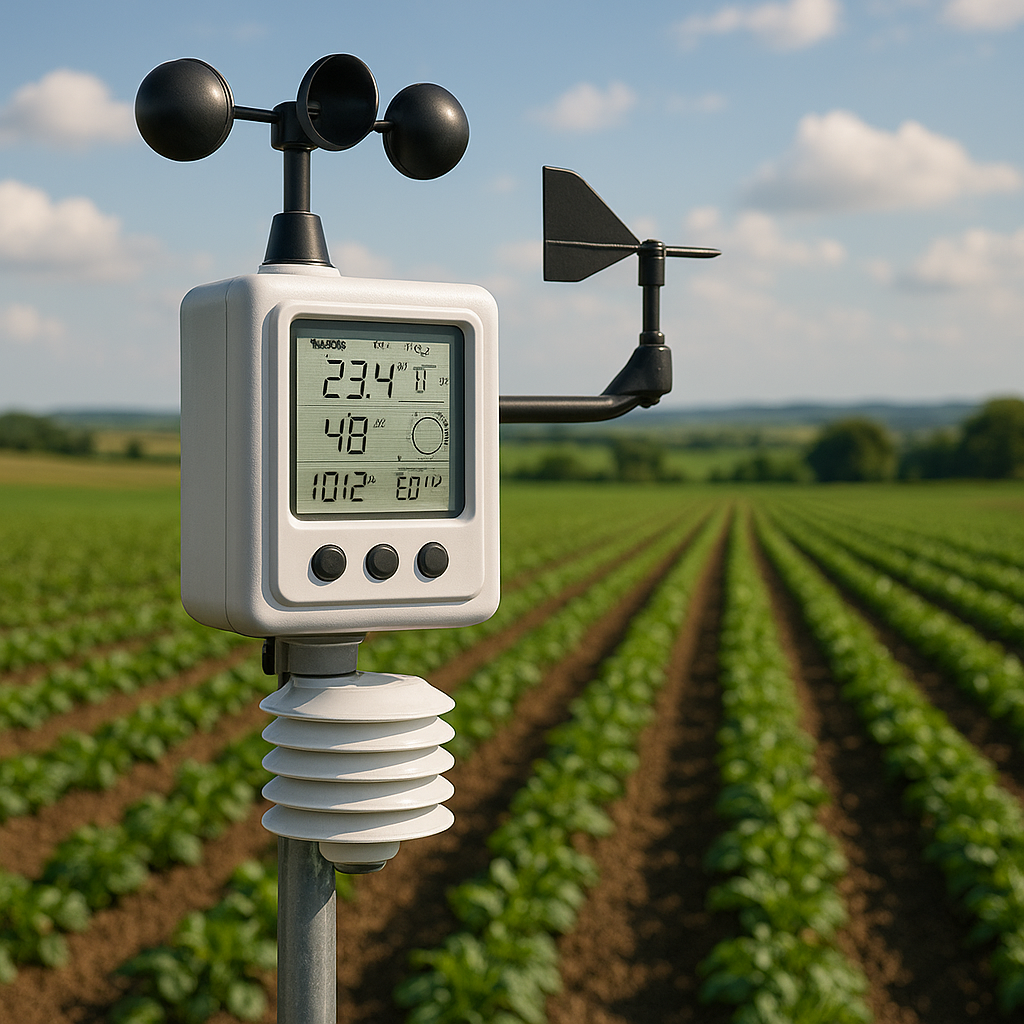
At the heart of advanced agricultural monitoring lies a suite of sophisticated devices designed to capture real-time data. Digital weather stations combine various sensors and communication modules to deliver a comprehensive environmental overview.
Sensors and Data Acquisition
- Thermometers and Hygrometers: Provide continuous readings of air temperature and humidity, critical for determining plant transpiration rates and disease risk.
- Anemometers and Wind Vanes: Monitor wind speed and direction, essential for optimizing pesticide spraying and preventing drift.
- Rain Gauges and Solar Radiation Sensors: Measure precipitation and sunlight intensity, enabling precise irrigation scheduling and photoperiod analysis.
- Soil Moisture and Soil Temperature Probes: Deliver direct insight into root-zone conditions, guiding irrigation events to maximize resource efficiency and reduce runoff.
Communication and Networking
Modern stations leverage robust connectivity platforms—such as cellular networks, LoRaWAN, or satellite links—to transmit data to centralized platforms. Edge-mounted processors can perform preliminary analysis before sending aggregated results to cloud servers, minimizing latency and bandwidth usage.
Benefits of Real-time Meteorological Data in Precision Agriculture
Fusing hyper-local weather insights with agronomic models empowers growers to fine-tune inputs, minimize risks, and elevate yield potential.
- Optimized Irrigation Management
Farmers can schedule watering based on recent rainfall and forecasted conditions, conserving water and preventing root-zone stress. - Targeted Nutrient Application
By correlating nutrient uptake with ambient conditions, operators can apply fertilizers when plants are most receptive, reducing leaching and boosting nitrogen-use efficiency. - Disease and Pest Forecasting
Predictive algorithms utilize humidity, temperature, and leaf wetness data to anticipate outbreaks of fungal or bacterial diseases, enabling timely interventions. - Operational Planning and Logistics
Real-time wind and precipitation data inform machinery deployment schedules, minimizing soil compaction and ensuring safe pesticide application. - Yield Prediction Models
Integrating weather records with historical yield data generates dynamic forecasts, helping stakeholders plan storage, marketing, and supply chain activities.
Implementation Strategies and Challenges
Adopting digital meteorological networks in agriculture presents both significant opportunities and practical hurdles. Successful deployment hinges on careful planning and ongoing support.
Deployment Considerations
- Site Selection: Optimal placement avoids obstructions and heat sources to ensure representative data.
- Power Supply: Solar panels combined with battery backups guarantee uninterrupted operation in remote fields.
- Maintenance Protocols: Regular calibration and cleaning of sensors preserve data accuracy over time.
Data Integration and Analysis
Raw sensor outputs must be harmonized with farm management software, GIS platforms, and decision-support tools. This integration enables seamless visualization, trend analysis, and automated alerts that translate complex metrics into actionable recommendations.
Addressing Obstacles
- Connectivity Gaps: Deploying hybrid networks or local mesh systems can bridge signal dead zones.
- Technical Expertise: Training programs and user-friendly dashboards empower farmers to interpret data without requiring advanced meteorological knowledge.
- Cost Considerations: Modular station designs and cooperative purchasing models help spread investment across multiple stakeholders.
Future Trends and Innovations
The convergence of emerging technologies promises to elevate impressive agriculture to new heights. Digital weather stations will not remain static; they will evolve alongside computational advances and novel sensor materials.
AI and Predictive Modeling
Machine learning algorithms can identify complex patterns in meteorological data, yielding predictive modeling capabilities that anticipate microclimate shifts and recommend proactive measures.
Edge Computing and On-site Analytics
Integrating lightweight processors within station hardware will allow real-time anomaly detection and decision-making at the source, reducing reliance on cloud infrastructures and lowering response times.
Scalable IoT Networks
Next-generation network protocols will support thousands of distributed nodes, enabling farm-wide sensor grids that provide granular insights into within-field variability and facilitate variable-rate application technologies.
Sustainable Sensor Materials
Innovations in biodegradable and flexible electronics will reduce environmental impact while expanding deployment options on remote or ecologically sensitive lands.
By harnessing the synergy between sensors, connectivity, and advanced analytics, agricultural stakeholders can achieve unparalleled levels of productivity, environmental stewardship, and resilience. Digital weather stations stand at the forefront of this transformation, charting the course toward a more sustainable and resource-efficient future.