
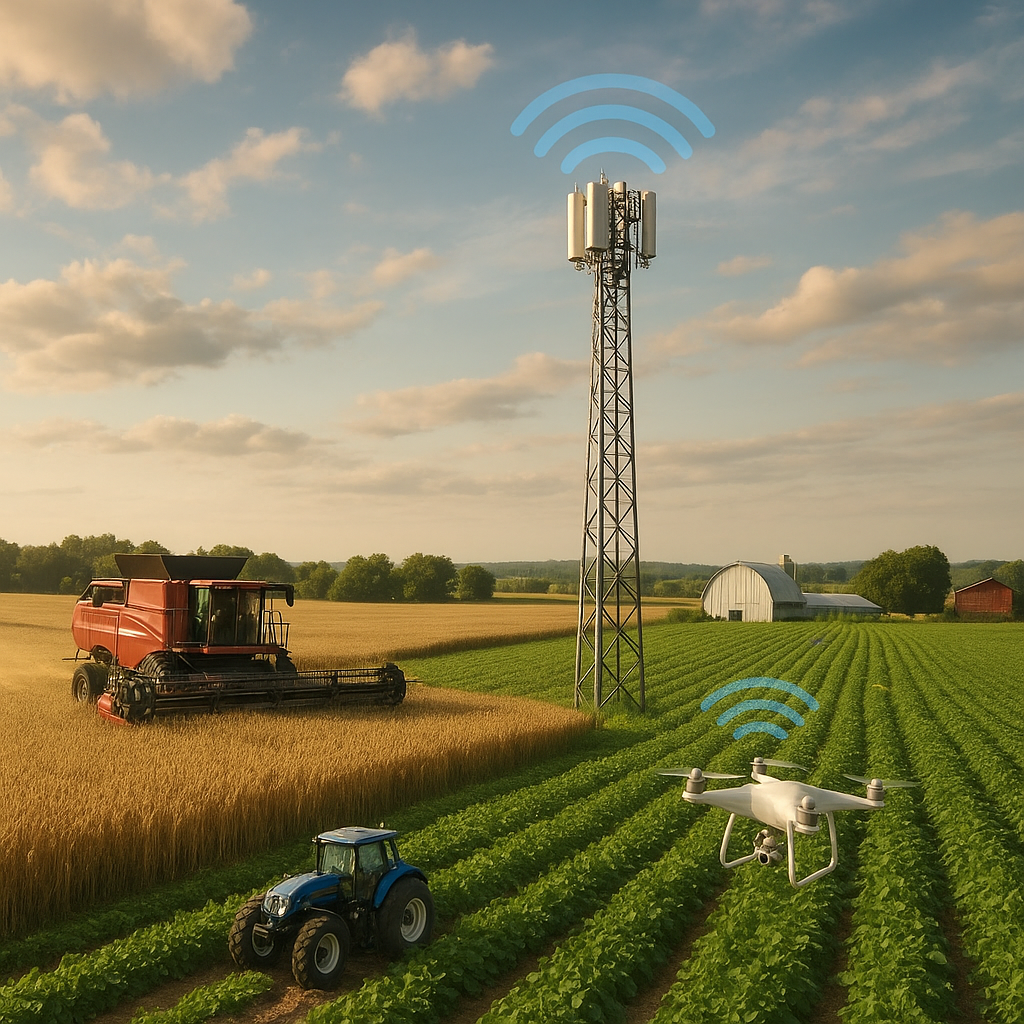
The agricultural landscape is on the brink of a transformation, driven by the deployment of 5G networks that promise unprecedented connectivity and efficiency in farm operations. As the world’s population continues to grow, farmers are under pressure to produce more with fewer resources. By harnessing the power of real-time data, precision analytics, and a new generation of smart sensors, the global farm becomes a dynamic ecosystem where decisions are informed by instantaneous feedback. This article explores how 5G will redefine agriculture, paving the way for resilient, sustainable, and highly productive food systems.
Seamless Connectivity Across Vast Landscapes
One of the most profound benefits of 5G is its ability to deliver ultra-low latency and high-bandwidth connections over great distances. Unlike previous cellular technologies, which often struggle with signal degradation in rural areas, 5G leverages a combination of low-, mid- and high-band frequency bands, supported by a dense network of small cells and edge computing nodes. This architecture ensures:
- Consistent Coverage: Remote fields and greenhouses gain access to uninterrupted data streams, enabling farmers to monitor environmental variables from any corner of their property.
- Rapid Response: Equipment such as autonomous tractors and robotic harvesters can react to changing conditions in milliseconds.
- Scalability: Network capacity can be dynamically allocated, allowing agribusinesses to expand their digital footprint without costly infrastructure upgrades.
By reducing the digital divide between urban and rural communities, 5G creates an environment where every acre is connected, every machine is in sync, and every decision is backed by data that arrives in real time.
Precision Farming Powered by Real-Time Data
Precision agriculture relies on accurate, time-sensitive information about soil moisture, nutrient levels, crop health, and weather patterns. With 5G, the deployment of Internet of Things (IoT) devices becomes more feasible and cost-effective. Key innovations include:
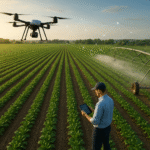
- Autonomous Drones: Equipped with multispectral cameras, drones can survey vast tracts of land in minutes. Low-latency video streams allow agronomists to identify pest infestations and nutrient deficiencies instantly.
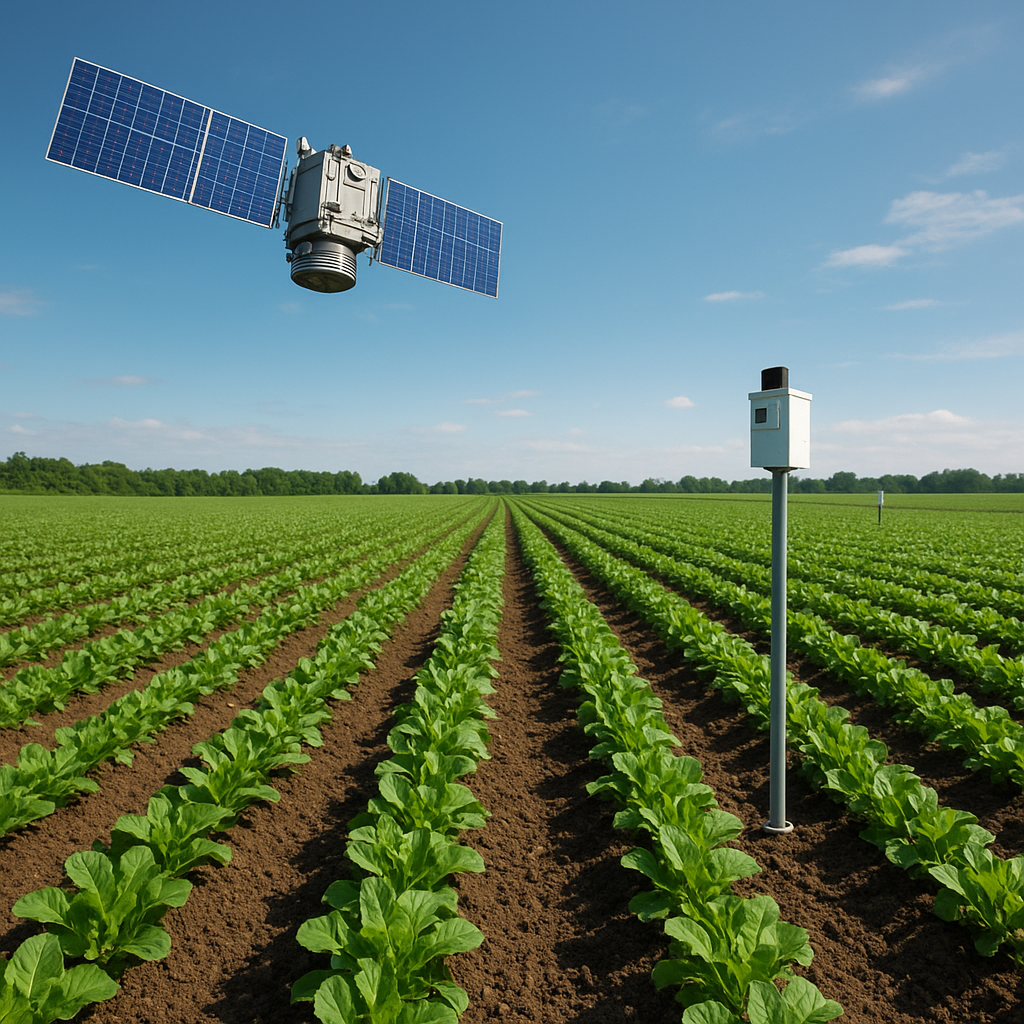
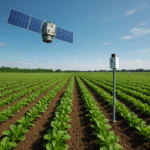
- Soil Sensor Networks: Distributed sensors relay continuous readings on pH, moisture, and organic content. Farmers receive alerts when thresholds are crossed, enabling targeted irrigation and fertilization.
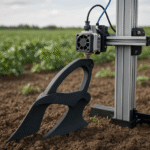
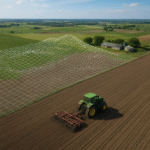
- Robotic Machinery: Self-driving tractors and planters communicate with edge nodes to optimize their routes, reduce overlap, and minimize fuel consumption.
By integrating these components into a unified 5G-enabled grid, growers can implement variable-rate application techniques, applying inputs exactly where they are needed. This approach not only boosts yields but also reduces environmental impact.
Enhancing Sustainability and Resource Management
Global agriculture faces the dual challenges of water scarcity and climate volatility. 5G facilitates advanced resource management strategies that drive sustainability:
- Smart Irrigation: Real-time soil moisture data triggers micro-irrigation systems, delivering precise volumes of water to root zones and conserving up to 50% of typical usage.
- Energy Optimization: Edge computing platforms analyze power consumption patterns of farm equipment, scheduling operations during off-peak hours and integrating on-site renewable energy sources.
- Carbon Monitoring: Distributed sensors measure greenhouse gas fluxes from soil and livestock areas, enabling farmers to adopt practices that reduce their carbon footprint and potentially earn carbon credits.
By embracing data-driven stewardship, agricultural stakeholders can protect fragile ecosystems, preserve biodiversity, and build resilience against droughts, floods, and other climate-related risks.
Global Collaboration and Knowledge Sharing
5G is more than just a tool for individual farms—it is a catalyst for worldwide cooperation. High-speed networks enable seamless video conferencing, remote diagnostics, and collaborative research efforts:
- Virtual Agronomists: Specialists located thousands of miles away can inspect fields via high-definition live streams and guide local technicians through complex procedures.
- Data Marketplaces: Secure 5G-connected platforms allow farmers to share anonymized crop performance data, fostering innovation in seed genetics, soil amendments, and pest control methods.
- Training and Education: Immersive augmented reality (AR) and virtual reality (VR) modules deliver interactive training on new equipment, best practices, and safety protocols—accessible from any field or tractor cab.
These collaborative frameworks break down geographical barriers, accelerate the diffusion of breakthroughs, and create a global network of producers who learn from each other’s successes and challenges.
The Road Ahead: Challenges and Opportunities
Despite its promise, the rollout of 5G for agriculture faces hurdles. Infrastructure costs, spectrum allocation, and the need for robust cybersecurity measures are significant considerations. Yet, partnerships between governments, telecom providers, and agritech firms are rapidly forming to address these issues. Pilot programs in regions as diverse as Sub-Saharan Africa, Southeast Asia, and the American Midwest are already demonstrating the tangible benefits of connected agriculture.
As 5G networks continue to expand, farmers will gain unprecedented control over their operations, balancing productivity with ecological responsibility. The future of farming will be defined by data, connectivity, and a shared commitment to feeding a growing planet in a sustainable way.