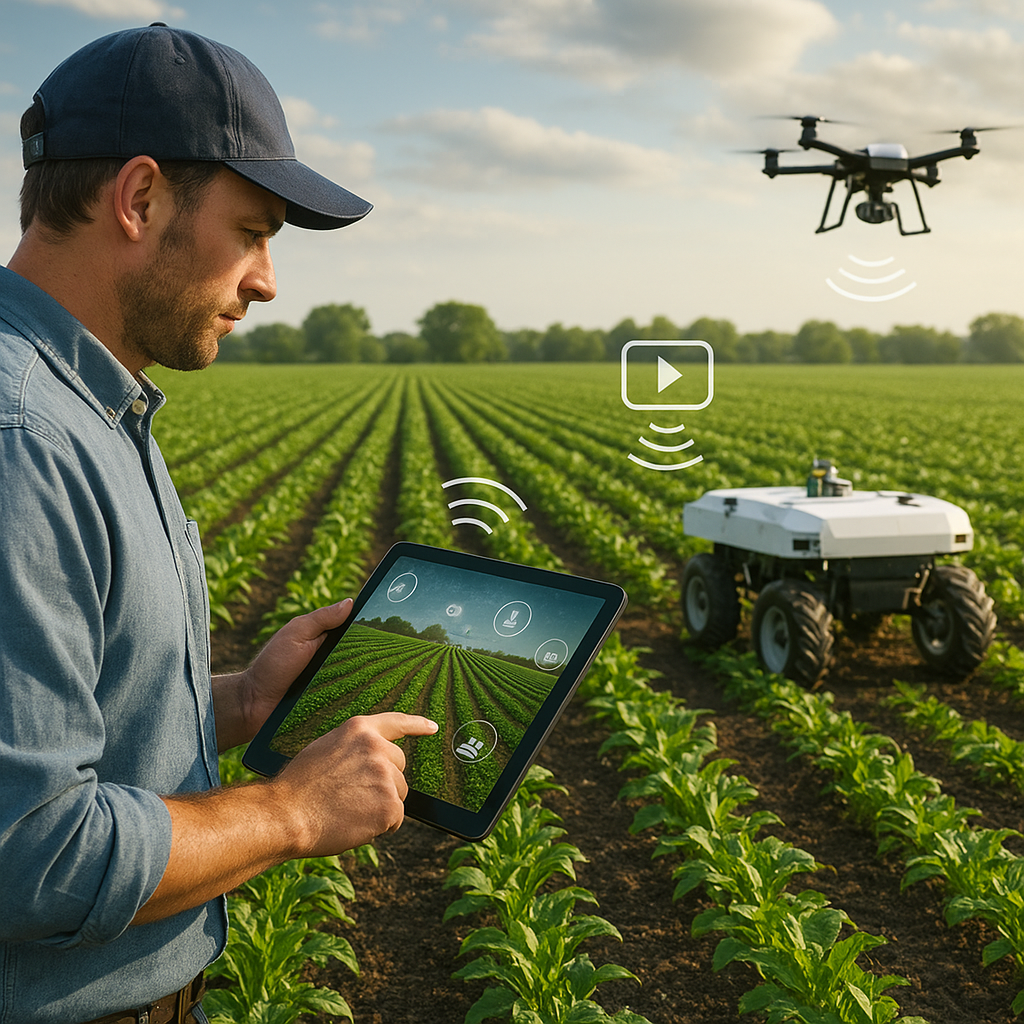
The fusion of advanced robotics and machine intelligence is transforming fields around the globe. Farmers are now harnessing cutting-edge AI tools to optimize every stage of crop production. From planting seeds with laser-like accuracy to forecasting weather patterns with unparalleled clarity, modern agriculture stands at the intersection of tradition and innovation. This evolution drives higher yields, conserves precious resources, and paves the way for a more resilient food system.
AI-Driven Crop Monitoring and Analysis
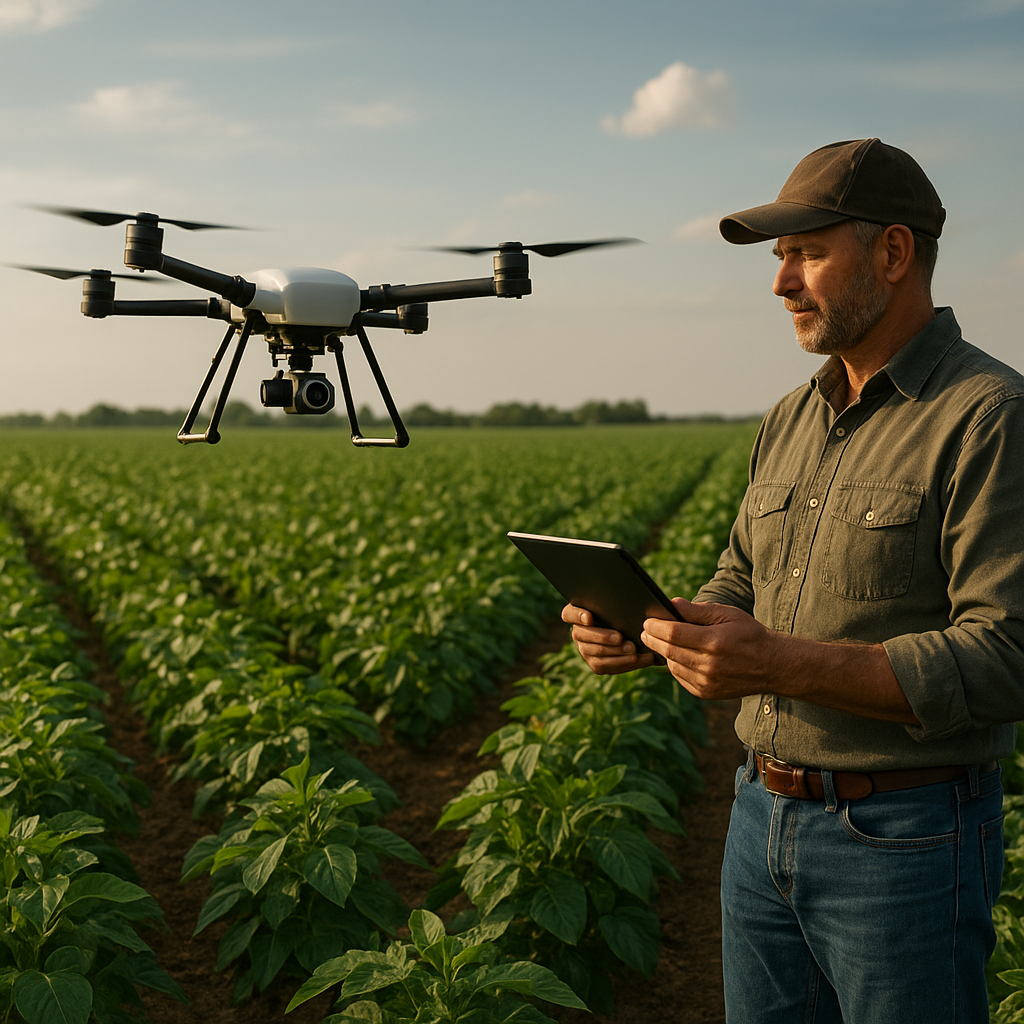
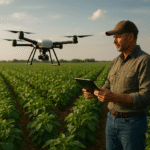
One of the most impressive breakthroughs in agriculture is the use of unmanned aerial vehicles (UAVs), commonly known as drones, fitted with multispectral cameras and sensors. These devices fly over fields to collect data on plant health, soil moisture, and pest infestations. Algorithms process gigabytes of imagery to identify stressed areas within minutes, alerting farmers to issues that once required hours of manual inspection.
Key elements in this process include:
- Sensors that measure chlorophyll levels, indicating nutrient deficiencies before visual symptoms appear.
- Thermal imaging to detect water stress and irrigation leaks.
- High-resolution mapping for precise identification of weed clusters.
With the integration of machine learning, historical data is used to train models that predict disease outbreaks and pest migrations. For example, if a fungal pathogen thrives under specific humidity and temperature ranges, the AI system flags at-risk zones and recommends targeted fungicide applications. This level of granularity reduces chemical use by up to 40% and prevents unnecessary environmental damage.
Precision Farming with Smart Machinery
Modern tractors and harvesters are no longer simple mechanical beasts; they are intelligent platforms equipped with GPS, real-time sensors, and onboard computers. These robotics-enabled vehicles perform tasks with millimeter accuracy. Seed drills place each kernel at the optimal depth and spacing, while variable-rate applicators adjust nutrient delivery on the go based on soil composition maps.
The benefits of precision machinery include:
- Reduced seed waste through precise planting algorithms.
- Lower fuel consumption thanks to automated path planning.
- Improved crop uniformity by adapting to micro-variations in field topology.
Autonomous tractors are already experimenting with night operations guided by infrared vision and satellite communication. Farmers oversee fleets from a central dashboard, which displays real-time performance metrics and flags anomalies. When a machine detects a mechanical fault, predictive maintenance algorithms calculate the remaining useful life of critical components and schedule service visits accordingly, minimizing downtime.
Data Analytics and Predictive Models
Behind every smart sensor and automated vehicle lies a backbone of data analytics. Massive datasets—from satellite imagery to soil probes—are ingested by cloud platforms. Through advanced algorithms, this information is translated into actionable insights:
- Yield optimization models forecast the most profitable planting strategies.
- Weather analytics predict frost events, enabling farmers to deploy protective measures swiftly.
- Supply chain tracking ensures crop deliveries match market demands, reducing spoilage.
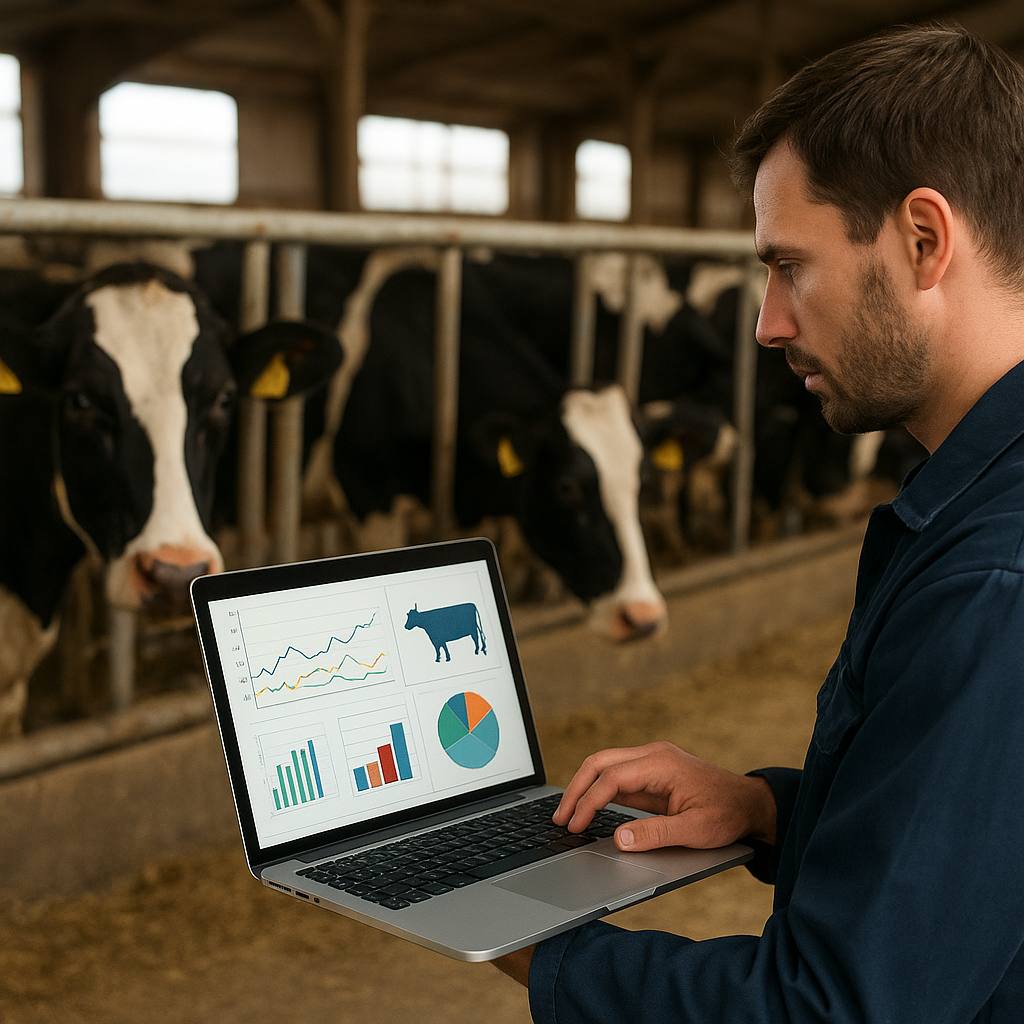
Farmers gain access to interactive dashboards where they can visualize field health over time. By correlating past yields with fertilizer application rates, AI platforms recommend the ideal nutrient mix for each plot. This level of precision drives up productivity while maintaining soil integrity, fostering a virtuous cycle of replenishment rather than depletion.
Integration with mobile apps allows agronomists and field workers to receive automated alerts and step-by-step guidance. If a pest threshold is exceeded, the system provides treatment protocols based on local regulations and ecological considerations. These capabilities elevate on-the-ground decisions, making advanced agronomic expertise accessible to farms of all sizes.
Sustainable Practices Enabled by AI
As global populations surge and climate patterns shift, sustainability becomes non-negotiable. AI-powered solutions offer a pathway to reduce environmental impact while boosting output. Key innovations include:
- Resource efficiency: Automated irrigation systems adjust water delivery based on real-time soil moisture and weather forecasts, cutting consumption by up to 50%.
- Carbon footprint reduction: AI programs optimize planting schedules and crop rotations to maximize carbon sequestration in the soil.
- Waste minimization: Post-harvest sorting robots use computer vision to grade produce, ensuring only high-quality items enter the market and redirecting imperfect goods to secondary channels.
Bioinformatics merges with agronomy as genetic algorithms accelerate the breeding of resilient crop varieties. By simulating thousands of genetic combinations in silico, scientists identify traits that confer drought tolerance or pest resistance. These insights are translated into real-world cultivars in record time, bypassing lengthy traditional breeding cycles.
Urban agriculture gains momentum through AI-driven vertical farms. Computer-controlled LED lighting, nutrient dosing, and climate regulation work in concert to produce fresh vegetables in confined city spaces. This approach slashes transport emissions and delivers produce year-round, regardless of external weather conditions.
Ethical Considerations and Future Directions
While the promise of intelligent agriculture is vast, ethical and social factors demand attention. Data privacy concerns arise as farms become data hubs. Clear policies must govern ownership, access, and sharing of agronomic information. Equally important is ensuring that smallholder farmers benefit from technological advances rather than being priced out.
To address these challenges, stakeholders are exploring cooperative data marketplaces, where farmers can contribute anonymized datasets in exchange for insights. Nonprofit initiatives and public-private partnerships aim to subsidize entry-level AI tools for developing regions, ensuring that the gains of precision agriculture are equitably distributed.
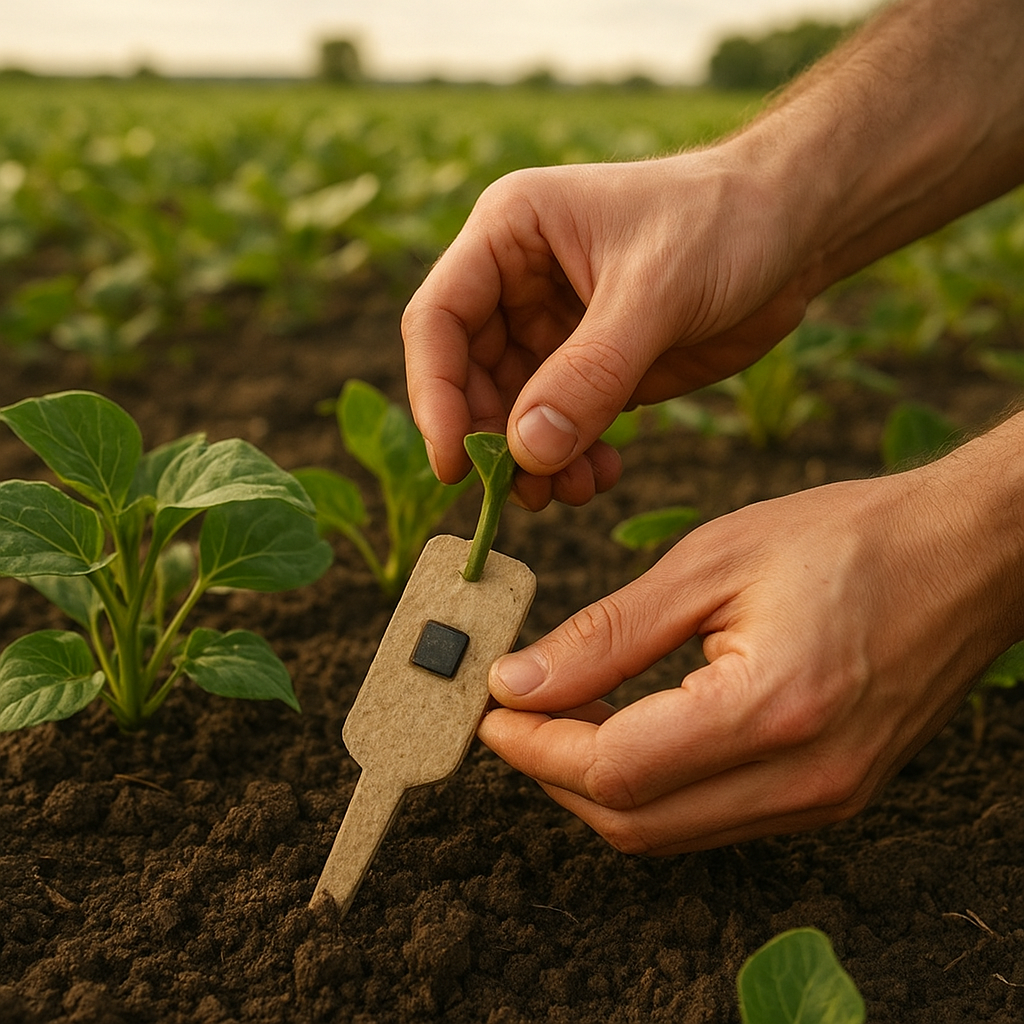
Looking ahead, advances in edge computing will further decentralize analytics, enabling real-time decision-making without constant internet access. Nanotechnology sensors embedded in seeds could relay growth metrics from within plant tissues. As research continues, the line between biology and technology will blur, unlocking unprecedented possibilities for food security and environmental stewardship.